Trench Coat for Women — Which One Is Actually Worth Buying
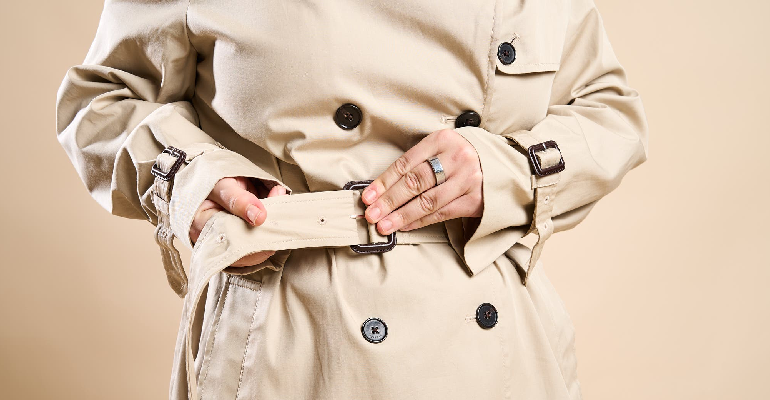
The trench coat is the outerwear piece with the strongest argument for spending more than feels immediately comfortable. Not because expensive trench coats are better in ways that are subtle or debatable — they genuinely are better in ways that are visible and specific. Better fabric weight. Better construction at the lining. Better button quality. Better shape retention over years of wear. The gap between a well-made trench and a poorly made one is more visible than the equivalent gap in most other clothing categories because the trench coat is worn as an outer layer, seen first, and defines the entire silhouette it’s draped over. This doesn’t mean you need to spend $2,000 on a Burberry. It means understanding where the quality steps are in the market and making a considered decision about which step to buy at. What to look for before comparing brands The fabric should have weight. A trench coat that floats off the shoulders and collapses in on itself when you remove it hasn’t been made with enough material to hold its shape properly. The classic gabardine — a tightly woven twill fabric — is the correct material for a proper trench. It has body, some weather resistance, and drapes in the way the silhouette is designed to fall. The belt is structural, not decorative. A belt that’s too thin, too short to tie properly, or made from inferior material to the coat’s exterior reads as an afterthought and produces an asymmetrical, unresolved-looking belted silhouette. The belt should be the same weight as the coat’s exterior, long enough to tie in a knot at the front with fabric to spare, and secured by the same D-ring hardware that’s on the original design. The lining determines warmth and longevity. A fully lined trench in a smooth fabric (silk lining in premium versions, satin or polyester in accessible ones) slides on and off over clothing without catching and maintains the coat’s interior structure. An unlined or half-lined trench loses shape at the shoulders over time. The length matters practically. A mid-thigh length is the most versatile — long enough to provide genuine weather protection and visual proportion, short enough to work over trousers and skirts without creating proportion problems. Knee-length and below is more formal and less versatile in everyday use. Burberry — when the price is actually justified The Burberry Westminster trench costs around $2,000-2,400 and is the reference trench coat. The price buys: English gabardine woven specifically for Burberry with a thread density that produces genuine weather resistance without the plastic feel of treated fabrics, hand-finished details including the check lining that’s become a recognizable quality signal, and construction that includes full canvas interfacing in the shoulders rather than fused interfacing used in less expensive coats. The honest assessment of the Burberry premium: the coat looks genuinely better than alternatives at close inspection and maintains its appearance over decades of wear. People who have owned Burberry trenches for ten to twenty years describe them as looking essentially the same as when purchased. This longevity, calculated over its life, brings the per-year cost to a level that’s not obviously unreasonable. The counter-argument: the same $2,000 buys three to four excellent trench coats from accessible brands that will each last several years. Whether that represents better or worse value depends on how you think about quality, longevity, and what you want a coat to represent. The secondhand market for Burberry trenches is robust and well-supplied — the trench coat is one of the most consistently resold items on platforms like The RealReal, Vestiaire Collective, and eBay. Secondhand Burberry in good condition at 40-60% of retail price is genuinely available and represents the most financially sensible way to own the reference product. & Other Stories — the most credible accessible option & Other Stories produces trench coats at $200-350 that are meaningfully better than high street alternatives in construction quality while remaining accessible enough to be a practical purchase. The fabric weight is appropriate, the construction includes proper interfacing that holds the shoulder shape, and the design is clean without being derivative. The limitation versus the Burberry: the gabardine doesn’t have the same density and weather resistance, the lining is polyester rather than silk, and the hardware (buttons, D-rings, buckles) is lighter than premium alternatives. These are real differences that become more apparent over years rather than immediately. For someone who wants a quality trench coat at an accessible price and is comfortable with the understanding that it’s a ten-year rather than a forty-year piece, & Other Stories represents good value. The seasonal colors they introduce alongside the classic beige and camel give options that premium brands at the same price point don’t offer. Marks and Spencer — the underrated British option M&S produces a trench coat at around $120-180 that’s consistently underrated relative to its quality. The construction is better than the price suggests — M&S has specific quality standards for outerwear that reflect their heritage as a British clothing manufacturer, and the trench coat is one of the categories where these standards show most clearly. The Pure Cotton Belted trench is the specific model worth looking at. The cotton content is higher than most alternatives at this price point (most accessible trenches use polyester blends that don’t behave the same way), the lining is adequate if not luxurious, and the cut is classic enough to remain appropriate across years of wear. For a first trench coat purchase at a price that doesn’t require significant deliberation, M&S represents a better quality baseline than ASOS, Zara, or H&M alternatives at similar prices. What to genuinely avoid in the trench coat category Polyester shell construction at any price point. Polyester doesn’t drape, it crinkles in ways the belted silhouette amplifies unpleasantly, and it doesn’t improve with wear the way natural fiber alternatives do. Check the fabric composition label before purchasing at any price. Thin belts that are shorter than the coat’s waist circumference plus several feet of extra length.
Kitchen Knives for Home Cooks — What’s Actually Worth Buying
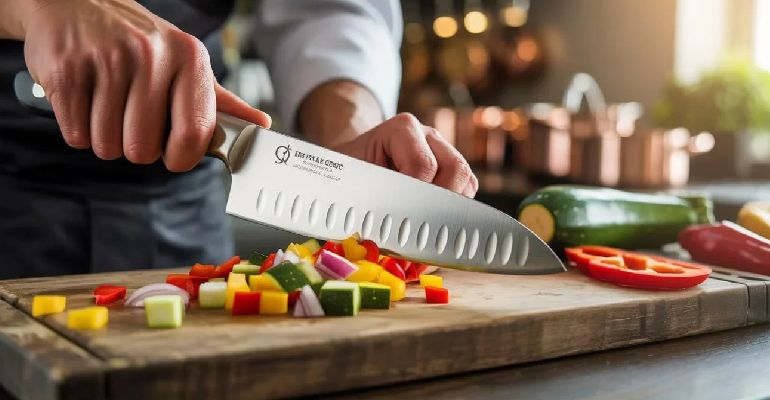
The knife category is where kitchen marketing does the most creative work. Sets of sixteen knives in a wooden block that include a bread knife, a carving knife, a boning knife, four steak knives, a santoku, two paring knives, and eight other things you will use twice and then forget — sold at a price that sounds significant but buys you sixteen mediocre knives rather than two or three excellent ones. Professional kitchens don’t have sixteen-piece knife sets sitting in wooden blocks. They have the specific knives that do specific jobs well, maintained properly, used constantly. The way professional kitchens approach knives is the model worth following for home kitchens. What a home cook actually needs Three knives cover 95% of what any home cook needs to do: A chef’s knife (8-inch for most people, 10-inch for people with large hands or who cook large volumes). This is the knife you reach for first for almost everything — chopping vegetables, breaking down chicken, slicing protein, mincing herbs. A paring knife (3.5-4 inch). Peeling, trimming, precise detail work where a chef’s knife is too large. Tasks where you hold the food in your hand rather than working on a cutting board. A serrated bread knife (10-inch). Bread, tomatoes, anything with a crust or skin that would compress under a straight blade. That’s it. A honing rod to realign the edge between sharpenings and a whetstone or professional sharpening service when actual sharpening is needed. Five things. Not sixteen. The chef’s knife comparison that actually matters The Mac Professional MTH-80 costs around $150 and is the knife I recommend most often and most confidently to home cooks. The steel is harder than German knives (HRC 60-61 versus the 56-58 of most Wüsthof and Henckels knives), which means it holds its edge longer between sharpenings. The weight and balance is lighter than German knives, which some people find immediately intuitive and others find takes a week to adjust to. The dimples on the blade — which prevent food from sticking during slicing — are a functional feature rather than a decorative one. The Wüsthof Classic 8-inch Chef’s Knife costs around $160-180 and is the German chef’s knife reference standard. It’s heavier than the Mac, with a different geometry — more curved at the tip for rocking motions, flatter at the heel for push cuts — and the weight is something many people find reassuring rather than burdensome. The steel is softer than the Mac, which means it’s slightly less prone to chipping on impact (important if your cutting style involves pushing through bones or frozen food) but requires more frequent honing. The Victorinox Fibrox Pro 8-inch costs around $40 and is the honest budget recommendation. It’s what professional cooking schools start students on. The stamped blade (cut from sheet steel rather than forged) has less rigidity and balance than forged knives, but the performance for regular home cooking is genuinely adequate and the price makes it accessible in a way the Mac and Wüsthof aren’t. Japanese knives — Global, Shun, Miyabi — deserve mention because they’re significantly cheaper to enter than the reputation suggests. The Global G-2 8-inch chef’s knife costs around $100-120 and the steel (Cromova 18 stainless at HRC 56-58) and edge geometry produce an elegant, precise knife that’s particularly suited to the slicing and chopping style where the blade stays relatively straight rather than rocking. The all-steel construction is either the appeal or the concern depending on your hand — some people find the texture comfortable, others find it cold and slippery. What honing actually does and why it matters more than sharpening Most people with dull knives have knives that are not actually dull — they have knives with misaligned edges. When a knife is used, the microscopic edge of the blade folds slightly out of alignment. A honing rod realigns this edge without removing metal. Sharpening removes metal to create a new edge and is necessary much less frequently. Running a knife along a honing rod (six to eight passes per side at a 15-20 degree angle for Japanese knives, 20-25 degrees for German) before each use keeps the edge performing at its best between sharpenings. A knife that seems dull but hasn’t been honed will often feel sharp again immediately after honing. The best honing rod for most people: the Wüsthof 10-inch Honing Steel around $50 for German knives. The Idahone Fine Ceramic Sharpening Rod around $45 for Japanese knives — the ceramic is gentler than steel on harder Japanese steel and removes slightly more material to compensate for honing irregularities. Sharpening — actual sharpening, not honing — should happen when honing no longer restores the edge. A whetstone (the King 1000/6000 grit combination stone for around $30 is the starting point for learning to sharpen at home) or a professional sharpening service (most kitchen stores offer this, typically $5-10 per knife) are the two options. Electric sharpeners tend to remove more metal than necessary and can change the blade geometry over time — they’re the low-skill option that produces acceptable but not excellent results. The knives not worth buying in a home kitchen A boning knife, unless you regularly break down whole chickens or large cuts of meat. The chef’s knife handles most butchery tasks with slightly less elegance and perfectly adequate results. A santoku alongside a chef’s knife. They do overlapping tasks. Choose one. Steak knives in a matching set. Individual steak knives from a good brand (the Laguiole en Aubrac steak knives are the reference standard; the Opinel folding steak knives are the value option) serve better than the matched set of steak knives that comes in a wooden knife block. Any knife with a plastic handle decorated to look like wood. The manufacturing decisions visible at the handle extend to the blade. Knives that take shortcuts on visible elements almost always take shortcuts on invisible ones. Cutting boards — the surface that affects knife longevity The cutting board a knife is used
How to Dress Well on a Budget — The Strategy That Actually Works

Let’s start with the problem in the advice industry: every article about dressing well on a budget is written by someone for whom “budget” means something different than it means for most people reading it. “Affordable” fashion editorial means $80 instead of $300. “Investment pieces” advice is given by people for whom a $400 coat is something to think about rather than something to rule out immediately. The practical gap between the advice and the reality of most people’s clothing budgets is enormous. I’m going to address the genuine version. The version where the budget constraint is real. The version where strategy matters more than spending. The single most impactful thing that costs almost nothing — fit Fit is what separates someone who looks like they dress well from someone who doesn’t, and it operates independently of how much clothes cost. A poorly fitted $200 shirt looks worse than a well-fitted $25 shirt. This is observable and not controversial — tailors have built entire businesses on this observation. The fit problems that affect most cheap clothing: sleeves that are too long, shoulders that are too wide for the body, torsos that are shapeless because mass-market sizing is built for median bodies. These problems are fixed not by buying more expensive clothes but by altering inexpensive ones. A local tailor charges $10-20 to hem sleeves and $15-25 to take in a shirt or jacket at the sides. Paying $15 to alter a $20 shirt from a high street store produces a garment that fits correctly and looks intentional. This investment — alteration cost rather than item cost — is the highest-return use of a small budget in fashion. Secondhand shopping — how to do it well The secret to secondhand shopping is brand knowledge. Knowing which brands produce durable, quality clothing and recognizing their pieces when you encounter them secondhand is the skill that produces consistently good results. Without this knowledge, secondhand shopping is a lottery. With it, it’s one of the most efficient ways to access quality. The brands worth searching for secondhand: Cos (consistently good quality basics that hold their shape), & Other Stories (well-made, stylish pieces that appear secondhand regularly), Banana Republic (particularly their higher-end lines), Eileen Fisher (extremely durable construction, almost always appears in excellent condition secondhand because the garments outlast most people’s willingness to keep wearing the same piece), Theory (tailored pieces that remain relevant across years), and any designer brand in straightforward, wearable styles. The platforms: ThredUp curates secondhand at consistent quality standards with photos and condition ratings — useful for budget buyers who want to reduce risk. Depop and Vinted have individual sellers with negotiable prices, better for specific brand searches. eBay for exactly what you want when you know what you want. Charity shops for tactile browsing where you can assess condition before buying. The strategy that works: search for specific items or brands rather than browsing generally. “Cos oversized blazer size 12” produces better results than browsing blazers hoping something good appears. The pieces where spending more genuinely pays off If any discretionary money is available, the hierarchy of where it makes the most difference: Shoes matter more than almost anything else in an outfit. Cheap shoes look cheap in ways that are obvious from across a room. They wear out faster and require replacement on a timeline that turns cheap into expensive over time. Quality leather shoes — which can be bought secondhand at significant discounts — look better, last longer, and often improve with age. One pair of genuinely good leather shoes does more for overall presentation than any amount of new clothing at the same total cost. Outerwear is the second most impactful category per pound spent. A coat is the first thing visible to the world for several months of the year and sets the tone for everything underneath it. A poorly made coat undermines everything worn under it. A quality coat elevates even basic clothing. This is the correct category for spending above what feels immediately comfortable. Anything that fits you perfectly and that you’ll wear constantly. The formula is: frequency of wear multiplied by how good the item makes you feel divided by cost equals actual value. Items you reach for every week justify much higher prices than items you might wear occasionally regardless of how beautiful they are. What to genuinely skip Trend pieces bought new at full price. Trends are by definition temporary. Buying trend pieces new means paying full price for something that will be less relevant in six months. Buying trend pieces secondhand — which is easy since trends produce a wave of recent-vintage pieces on resale platforms — means paying a fraction of the price for the same cultural moment. Multiple versions of the same thing. The third navy blue t-shirt is not serving you differently from the second one. Depth of wardrobe in a single category rarely produces more outfit options — it produces more of the same option. Breadth is more useful: one navy blue t-shirt, one grey, one white, one in a color you actually wear produces more daily variety than three versions of the same item. Clothing that almost fits. The item that’s almost the right size, that you bought because it was on sale or because the right size wasn’t available, that you keep thinking you’ll alter but haven’t — this is a waste of the money spent on it regardless of how little that was. Almost-fitting clothes get worn rarely and removed from outfits quickly. They’re not savings. They’re sunk costs. The wardrobe audit that actually helps Once a season, go through every item you own and ask one question: did I wear this in the last three months? If the answer is no, it goes in a box for three more months of evaluation. If in that second period it’s still untouched, it’s not serving you and should leave the wardrobe. The clothes you actually wear are the clothes that are right for
How to Make Your Bathroom Look Expensive Without Renovating It
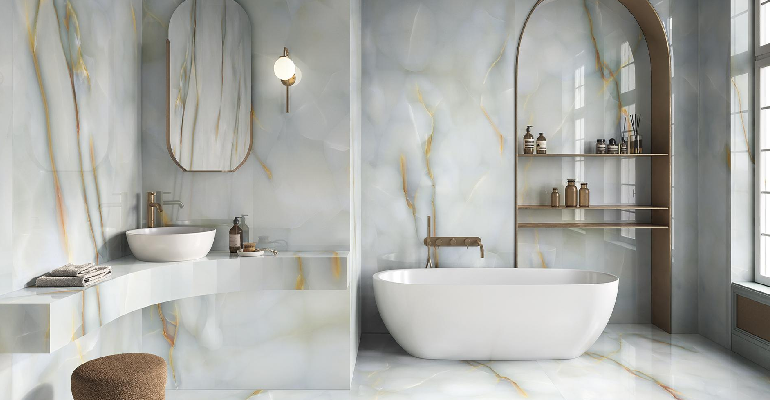
The bathroom is the room most people have given up on decorating. It’s small, it’s full of functional requirements, the fixtures are whatever was there when you moved in, and the budget usually runs out before anyone gets to the bathroom. The result is that most bathrooms look provisional — like somewhere in between a finished room and a room that’s waiting for something to change before it gets properly addressed. The good news: bathrooms are the room where small, inexpensive changes produce the biggest proportional impact. A new set of towels, different storage, changed lighting, one or two deliberate accessories — these changes cost under $200 total in many cases and produce a before-and-after that’s more dramatic than most people expect. Towels — the thing that instantly changes the feel of a bathroom Cheap towels look cheap even when they’re clean and folded. The thin, rough, slightly mismatched towels that most people accumulate over years of buying whatever was on sale produce a bathroom that looks provisional regardless of what else is happening. Replacing all the towels in a bathroom with a matching set of quality towels is the single most impactful bathroom change in terms of immediate visual transformation. The specific qualities worth looking for: weight (grams per square meter — 600-700 GSM is the sweet spot for towels that feel substantial without taking forever to dry), long-staple cotton (Egyptian or Turkish cotton specifically), and a color that’s actually intentional rather than whatever happened to be available. The Brooklinen Super-Plush Towels are the reference standard at a mid-range price ($15-20 per towel). They’re 820 GSM — heavier than most — and the quality is immediately apparent when you take them out of the packaging. The Parachute Turkish towels are lighter (500-600 GSM) and dry faster, which is the better choice for humid bathrooms or those who prefer a less enveloping towel. The budget-friendly option that performs above expectations: the OZAN Premium Home Turkish towels on Amazon, around $8-10 per towel, regularly appear in quality comparisons above their price point. They’re 700 GSM, they soften with washing, and they look significantly more expensive than they are. Matching the towels matters. Three different navy towels of similar shades look like a deliberate choice. Three different navy towels of different shades, weights, and textures look like an accumulation. The decision to buy a complete matching set rather than replacing towels one at a time is what produces the hotel bathroom look. Storage — what actually solves the clutter problem Bathroom clutter — the bottles, jars, tools, and miscellany that accumulate on every flat surface — is the primary enemy of a bathroom that looks expensive. Clutter signals disorder. Order signals intention. The solution is not necessarily more storage; it’s often better storage and less stuff. The decant approach: buying plain, matching dispensers for soap, shampoo, conditioner, and body wash and decanting your actual products into them replaces fifteen different branded bottles of different shapes, colors, and heights with three or four identical vessels. The visual calm this produces is disproportionate to the actual change. MUJI acrylic dispensers are the reference product for this — simple, clear, stackable. Amazon stocks numerous dupes at around $15-25 for a set of three. A tray groups and contains objects on a surface. Three items scattered across a countertop look like clutter. Three items on a tray look like a vignette. This is genuinely all that changes — the tray tells the eye that these objects are arranged intentionally rather than placed randomly. A marble, ceramic, or bamboo tray in a bathroom functions this way. It costs $20-40 and changes the feel of the countertop completely. Over-the-toilet storage — the kind that sits on the toilet cistern or mounts to the wall above — is the most efficient use of vertical space in a small bathroom. In bathrooms where cabinet space is limited, a well-chosen piece of over-toilet storage containing towels, toilet paper, and miscellaneous items is more effective than any other single storage change. Lighting — the specific bathroom problem Bathroom lighting affects how you look in the mirror, how the room feels, and importantly for bathrooms with no natural light, the entire sensory experience of being in the space. Most bathroom lighting is either above the mirror (which casts unflattering downward shadows on faces) or a single overhead light (which flattens everything and produces the same institutional feel as office lighting). Side-mounted lighting — fixtures positioned at either side of the mirror at face height — produces the most flattering light for grooming tasks because it illuminates the face from the sides rather than casting shadows from above. Hollywood-style vanity lights (the strip with multiple round bulbs) are a version of this concept that has moved from kitsch to genuinely considered in the current design moment. Warm bulbs are mandatory in a bathroom where aesthetics matter. 2700K maximum. Anything cooler makes skin look flat, makes whites look clinical rather than warm, and contributes to the “public bathroom” atmosphere that no home bathroom should aspire to. If the lighting fixture itself cannot be changed (rental or budget constraints): replacing the bulbs is always possible. A single overhead fixture with a warm-white bulb, supplemented by a plug-in sconce or a small table lamp on the counter with a warm bulb, produces meaningfully better light than one overhead fixture alone. Plants — what survives bathroom conditions The bathroom is one of the most hospitable environments in a home for plants that like humidity, and one of the least hospitable for plants that need bright light. Understanding which plants fall into which category before buying avoids the specific disappointment of a plant that looked perfect in the shop and died within three weeks. Plants that thrive in bathrooms: pothos (essentially unkillable, tolerates low light), peace lily (beautiful, tolerates low light, likes humidity), snake plants (tolerates low light and infrequent watering — the most beginner-friendly option), ferns (love humidity but need indirect light), and orchids (genuinely love the
White Sneakers for Women — Honest Comparison After Wearing Them Daily
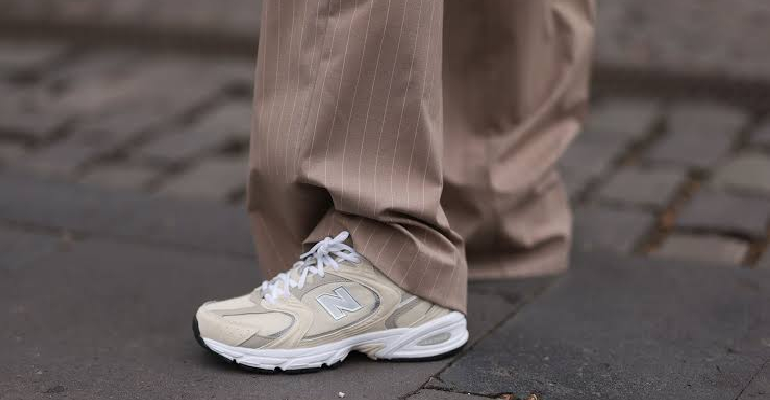
The case for a great pair of white sneakers is simple: they work with more outfits than any other shoe in a wardrobe. Midi dresses, wide-leg trousers, straight-leg jeans, casual shorts, tailored suits — white sneakers, when clean, add something to all of these that no other footwear category matches. They read as intentional rather than practical. They communicate that you got dressed rather than just got dressed enough. The case against cheap white sneakers is equally simple: they look dirty within weeks, lose their shape within months, and require replacement on a cycle that turns a supposedly accessible purchase into an expensive habit. The right white sneaker is worth buying well once rather than buying poorly repeatedly. The sneaker that’s earned its permanent position — Adidas Stan Smith The Stan Smith costs $90-100 and has been in production since 1971. The reason a shoe designed in the early 1970s remains commercially relevant and aesthetically appropriate in 2026 is not because Adidas markets it well, though they do. It’s because the proportions are genuinely correct — the silhouette sits low enough to be versatile, minimal enough to work across aesthetic contexts, and structured enough to look intentional rather than merely comfortable. The leather version is what’s worth buying. Not the vegan leather version, not the canvas version — the genuine leather upper that takes a polish, develops a patina with wear, and holds its shape across years of use in a way synthetic alternatives don’t. Leather Stan Smiths with regular care look better after two years than synthetic versions do at two months. This is the quality argument made concrete. The perforated Adidas stripes on the side are minimal enough that they don’t register as aggressive branding in the way that a full three-stripe sock trainer does. The green heel tab is the standard colorway; white-on-white and alternative color tabs are available if the green conflicts with your wardrobe’s color vocabulary. Care: a damp cloth after each wear before dirt sets, a quality leather cleaner weekly, and shoe trees stored inside when not wearing to maintain shape. This routine takes under five minutes total and produces a sneaker that looks deliberately maintained rather than incidentally worn. Veja Campo — the one where the ethics and the product both hold up Veja sneakers cost $140-180 and have established genuine sustainability credentials rather than marketing claims. The supply chain — wild rubber from the Amazon, organic cotton, Brazilian leather from farms audited for environmental practices — has been independently verified and published transparently. This matters because the sustainable fashion space contains significant greenwashing, and Veja is one of the brands where the commitment is substantive. The Campo model is the cleanest silhouette in their range — lower branding than the V-10 or V-12, cupsole construction, a proportional minimalism that’s close to the Stan Smith’s aesthetic territory without being derivative. The leather quality is good, the sole construction is robust, and the overall build holds up to daily wear in a way that justifies the price. Practical notes: they run small — sizing up by half a size from your standard is consistent advice across most Veja models, and the Campo specifically can feel narrow in the toe box for wider feet. The break-in period on the leather version is real. Two to three weeks of wear before they become genuinely comfortable is normal and produces a shoe that fits the individual foot well over time. The white Veja gets dirty in the same ways as any white sneaker. Their cleaning kit (around $25) works well. The white rubber sole responds well to a Magic Eraser on scuff marks. The leather upper takes a leather cleaner. With this maintenance, they look presentable for years. New Balance 550 — the fashion-aware choice that’s more than a trend The New Balance 550 costs $110-120 and is worth more than its moment in cultural relevance. The basketball shoe heritage (the 550 was originally a court shoe from 1989) produces a construction quality that fashion-focused sneakers often don’t have — the build is made to withstand athletic use, which means it’s genuinely durable for daily casual wear. The silhouette is chunkier than the Stan Smith or Veja Campo — a higher-profile sole, a more structured upper, a rounder toe. This is either the appeal or the limitation depending on the proportional aesthetic you’re building. With straight-leg jeans or wide-leg trousers, the 550’s chunkier base works well and adds visual interest. With slim trousers or tailored pieces, it can feel disproportionate. The leather and mesh upper construction on the 550 is clean and maintains well. The colorways available in 2026 include enough neutral options (cream, white on white, white and navy) to suit most wardrobe contexts. Running true to size in most reports. On Cloud — when you need comfort without sacrificing appearance The On Cloudnova or Cloudrift (around $140-160) represents the category of technically-constructed running and walking shoes that have crossed into lifestyle territory through genuine design investment. The Swiss engineering background produces cushioning and comfort that dedicated fashion sneakers don’t prioritize, and the aesthetic has evolved to a point where the shoes work in casual contexts beyond athletic use. The white versions of both models are cleaner-looking than most performance-adjacent footwear. The sole technology (CloudTec pods that compress on impact and release on toe-off) provides genuine comfort benefits for anyone standing or walking for extended periods — a practical consideration that pure fashion sneakers don’t address. The honest context: On Cloud sneakers read as more athletic than the other options on this list. In contexts where you want a sneaker that genuinely disappears into a casual outfit, the Stan Smith or Veja does this more completely. In contexts where comfort for extended wear is the priority and the shoe can be more visible, On Cloud justifies its place. Keeping any white sneaker clean — the actual method The single most important practice: wipe the uppers with a damp cloth after each wear, before dirt has
Jeans That Actually Hold Their Shape — Tested Over Months, Not Days
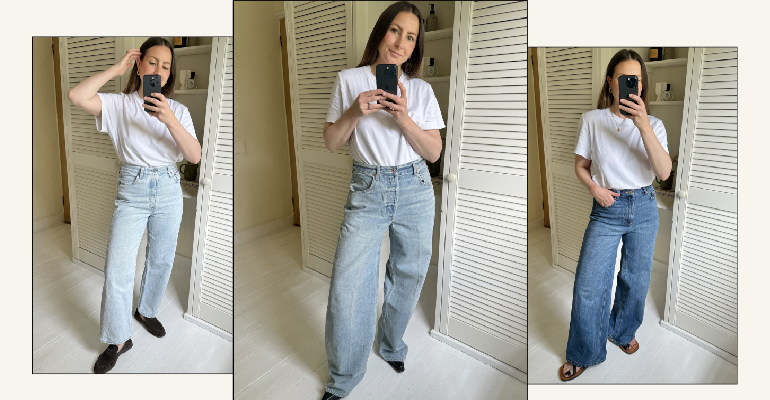
Let me describe a phenomenon that everyone who wears jeans knows but nobody in jeans marketing ever addresses directly. You put on a pair of jeans in the morning and they fit beautifully. By two in the afternoon they’ve bagged at the knees and stretched at the waist and the silhouette that looked intentional at 8am looks accidental by midday. You wash them and they shrink back and the cycle starts again. This is not inevitable. It’s a fabric problem specific to certain constructions and certain elastane contents. Some jeans genuinely hold their shape through a full day of wear and return to their original dimensions after washing with minimal variation. They exist at multiple price points. They’re what this review is actually about. Why jeans stretch out — the technical reality nobody explains Modern jeans almost universally contain elastane (also called spandex or Lycra). Elastane is what makes jeans comfortable to move in — it provides stretch that rigid denim doesn’t. The problem is that elastane is a fiber that loses its elastic memory over time and, critically, during extended wear. As the fibers are stretched through sitting, walking, and movement throughout the day, they don’t fully return to their original length. The waistband relaxes. The knees bag. The thighs loosen. The key variable is how well the elastane recovers — its ability to return to original dimensions after being stretched. Premium denim construction uses elastane blended with other fibers or uses specific weave structures that support the elastane and improve its recovery. This is what you’re actually paying for in expensive jeans: not a logo, not branding, but fabric engineering. High elastane content (above 3-4%) produces jeans that are very comfortable when new and stretch out quickly. Low elastane content (1-2%) produces jeans with excellent shape retention and a slightly stiffer feel. Zero elastane (rigid denim) holds its shape perfectly and requires a break-in period to become comfortable. Agolde — the one most people should buy if budget allows Agolde jeans run $200-250 and are the reference point for stretch denim that actually recovers. The Parker, the 90s Pinch Waist, and the Criss Cross Upsized are the three most popular models and the three most consistently reviewed for long-term shape retention. The fabric uses premium Cone Mills denim with a specific elastane construction that Agolde has invested in developing and that makes a genuinely observable difference in how the jeans perform over a full day. Wearing them in the morning and removing them in the evening, the shape change is minimal compared to mass-market stretch denim. After washing, they return very close to their original dimensions. The fit runs small — sizing up one size from your usual is the standard recommendation and I’ve found it accurate. The rise is genuinely high on most models, which is either ideal or limiting depending on preference and proportion. The honest calculus: $200-250 is a real amount of money for jeans. The justification is longevity — Agolde jeans owned two years ago still look essentially the same. At $50 jeans that need replacing every eight months, you’ve spent the same amount and have less to show for it. This is a genuine argument rather than aspirational spending justification. Madewell — the honest middle ground Madewell jeans at $90-140 represent the most useful middle position in the women’s denim market: meaningfully better than fast fashion denim in construction and fabric quality, meaningfully more accessible than Agolde pricing. The 10″ High Rise Skinny and the Relaxed Denim Jogger are the models with the most consistent long-term ownership reviews. The fabric holds its shape better than ASOS or H&M equivalents through a full day of wear and returns more reliably to original dimensions after washing. Not as completely as Agolde — by midday there’s slightly more relaxation than in the more expensive option — but significantly better than anything priced below them. Madewell runs frequent promotions (insider member sales, Cyber Monday, end-of-season events) that bring prices to $60-90, at which point the quality-to-cost argument becomes very strong. If you’re buying Madewell jeans, buying during a sale rather than full price is sensible and usually achievable within a few weeks of any purchase decision. The denim quality also improves over multiple washings in a way that’s characteristic of better construction — not softening in a way that means degrading, but breaking in properly so that the shape becomes more personal to the wearer’s body over time. Levi’s 501 — when rigid is the right answer The Levi’s 501 costs $70-90 and is a fundamentally different product from stretch denim. It contains no elastane. The denim is rigid — stiff when new, requiring a genuine break-in period measured in weeks of regular wear, and not comfortable in the way that modern stretch denim is comfortable on first wear. What the 501 provides in exchange: perfect shape retention, permanently. Rigid denim doesn’t stretch during the day because it can’t. The bag-at-the-knees phenomenon doesn’t exist with the 501. The waistband doesn’t relax. The silhouette you had at 8am is the silhouette you have at 8pm. The 501 also ages beautifully in a way stretch denim doesn’t. Rigid denim fades along wear lines — the thighs, the seat, the knee — creating a pattern specific to how the individual wearer moves. This is the fading that premium denim enthusiasts pay significantly more to replicate artificially. The fit is a straight leg cut that’s neither slim nor wide, and proportionally it works with most body types in a way that extreme cuts at either end don’t. The button fly is either a feature or an inconvenience depending entirely on personal preference. What to genuinely avoid at any price point Denim with polyester content. Polyester in denim produces a plastic feel that worsens with washing and looks obviously synthetic in a way that reads as cheap regardless of the brand label attached to it. Check the fabric composition before buying and avoid polyester blends. Very high elastane content. Anything above
Blenders — Vitamix, Ninja, NutriBullet Honestly Compared
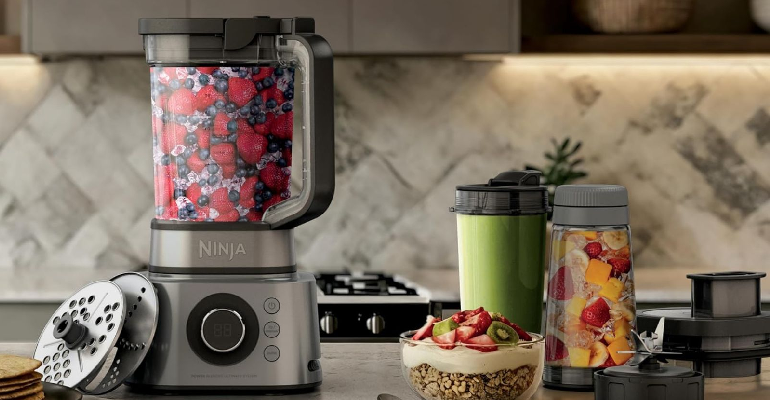
Blender marketing is among the most aggressive in the kitchen appliance category. Every product claims to be the most powerful, the quietest, the most versatile. Horsepower numbers get quoted as if peak horsepower draw corresponds to actual blending performance. The word “professional” gets applied to machines that no professional kitchen would ever own. “Commercial grade” appears on products that commercial kitchens would replace within a week of use. I’ve blended smoothies, soups, nut butters, sauces, frozen drinks, baby food, and things that don’t have clean category names in multiple machines over several years. Here is what the honest assessment produces. Vitamix — when it’s worth it and when it isn’t The Vitamix 5200 costs around $500 and the newer Ascent Series machines run $550-700. This is a genuinely significant amount of money for a blender and it requires justification rather than just being the most expensive option on the list. What Vitamix does that cheaper blenders cannot: produces a completely smooth texture from fibrous ingredients. Green smoothies from a Vitamix are genuinely smooth — no spinach bits, no fibrous strands, no sensation of chewing your smoothie. The same smoothie in a $70 blender has texture. Nut butters blended in a Vitamix are silky in a way that requires more time and scraping in less powerful machines. Soups blended for long enough in a Vitamix become hot through friction alone — the blades move fast enough to generate heat during blending, which is a property no other consumer blender replicates. The motor is warrantied for seven to ten years depending on the model. The jars are warrantied for five years. Vitamix’s customer service has a strong reputation for replacing parts and solving problems rather than directing customers to buy new machines. The total cost of ownership over a decade is more competitive than the purchase price alone suggests. The honest counter-argument: for most applications most home cooks actually blend, a Ninja or even a $70 Oster produces acceptable results. If your blending is primarily frozen fruit smoothies, occasional soups, and dressings, you will not notice a $500 difference in the result. The Vitamix premium is real and meaningful for specific applications and genuinely overkill for others. Ninja — the honest performance assessment Ninja has become the dominant mid-market blender brand through a combination of competitive pricing, genuinely capable motors, and smart marketing. The Ninja Professional Plus BN701 costs around $100-120 and performs well above its price at most blending tasks. The Auto-iQ feature — pre-programmed blending patterns for different functions — is genuinely useful rather than gimmicky. The pulse pattern for frozen ingredients produces better results than a continuous blend because it prevents the motor from bogging down on ice and frozen fruit by alternating between full power and no power rapidly. Where Ninja machines show their limitations compared to Vitamix: fibrous greens, nut butters, and anything requiring truly extended blending. The motor runs hot under sustained load in a way that Vitamix motors don’t, and the blades are less precise in their interaction with the jar geometry than Vitamix’s design. These are real differences that manifest in specific situations. The plastic jar is a point of comparison worth making honestly. Vitamix uses Tritan copolyester that’s genuinely robust — drop it on a hard floor and it bounces. Ninja’s jars are less thick and less durable. In years of daily use, a Vitamix jar looks essentially the same. A comparable Ninja jar starts to show scratching and scuffing. NutriBullet — for personal smoothies specifically The NutriBullet is a specific solution to a specific problem: making a single-serving smoothie quickly, consuming it from the blending cup, and washing one piece instead of a full blender jar and lid. If this specific use case describes your primary blending activity, NutriBullet is the right answer and spending more is unnecessary. The NutriBullet Pro 900 (around $80-100) handles frozen fruit smoothies, protein shakes, and soft ingredient blending competently. It does not do hot soups, nut butters, or large-batch blending. The cup size limits batch size by design. The blade and cup design also means less precise blending than a full jar blender because the ingredients can’t circulate as efficiently — denser ingredients at the bottom blend first and ingredients at the top sometimes don’t make full contact with the blade on every rotation. For frozen fruit smoothies this matters minimally. For anything requiring complete uniformity it matters more. The blender nobody talks about enough — Oster Versa The Oster Versa Pro Series blender costs around $130-150 and uses a Vitamix-compatible jar. The motor (1,400 watts) is competitive with lower Vitamix models. The results are comparable to the Vitamix 5200 for most applications at roughly 25-30% of the price. The trade-offs compared to Vitamix: noisier operation, slightly less consistent performance at the extremes of blending tasks (very fibrous greens, extended nut butter blending), and no equivalent warranty or customer service reputation. The machine is also less elegantly designed — it’s a functional rather than beautiful appliance. For a home cook who wants Vitamix-adjacent performance without the Vitamix price and doesn’t need the warranty or customer service backing, the Oster Versa is the most underrated option in the blender category. What settings actually matter and which ones don’t Variable speed control matters. The ability to start at lower speed and gradually increase prevents splashing when blending liquids and produces better results for certain textures. Almost all mid-range and premium blenders have this. Pulse function matters. The ability to pulse — short bursts of power — is useful for chunky salsas, rough chops, and controlling texture in ways that continuous blending doesn’t allow. Pre-set programs don’t matter much. The smoothie, soup, and ice crush preset buttons on most blenders produce results that a person watching the blender and stopping it at the right point achieves just as well. Pre-sets are useful when you want to walk away during blending but are not functionally superior to manual operation. Wattage numbers require skepticism. Peak horsepower and peak wattage are
How to Build a Capsule Wardrobe That Actually Works — Not the Pinterest Version
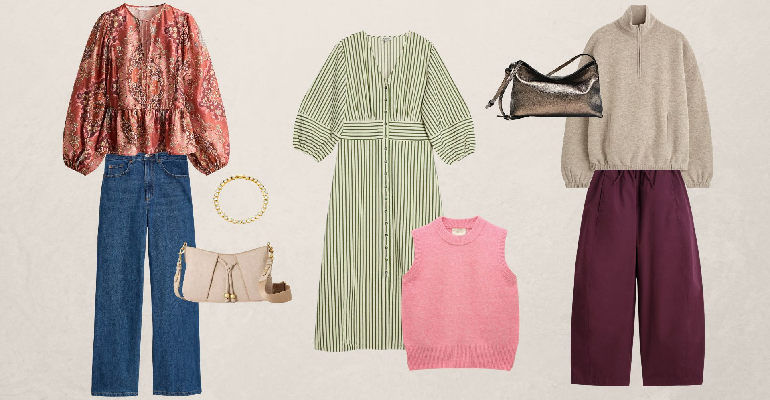
Somewhere between the original concept and its current form on social media, the capsule wardrobe became the thing it was supposed to solve. Guides suggesting you buy thirty essential pieces before you can start. Flat lay photographs of identical beige items arranged on white surfaces. Influencers with spotless apartments and unlimited budgets telling you that you too can own less if you just buy more things first. I want to give you the version that’s actually useful. The one that starts with your real life rather than an aspirational one. The one where the number of pieces is whatever number works for you specifically rather than a prescriptive thirty or fifty or ten. The one that doesn’t require a purchasing spree to begin. Why most capsule wardrobe attempts fail The failure mode is consistent: someone reads a capsule wardrobe guide, goes shopping for the suggested pieces, and ends up with a collection of thoughtfully purchased items that doesn’t quite match what they actually wear day to day. The beige linen trousers stay unworn because they’re not right for the specific office. The minimalist white shirt gets worn once because it needs ironing every time and nobody has time for that. The whole project quietly unravels and the wardrobe returns to its previous state, now with additional items that don’t quite fit in. This happens because the standard capsule wardrobe advice is built around a generic life rather than your specific one. The first step isn’t buying anything. It’s understanding what you actually do, what you actually wear, and what your wardrobe is actually failing at. The two weeks that change everything Before buying a single thing, wear your wardrobe for two weeks without changing your habits. Note what you reach for each morning. Not what you think you should wear — what you actually choose. At the end of two weeks you have data. The clothes that appear multiple times in those two weeks are your wardrobe’s actual working core. These are the pieces that suit your life, your body, your taste. The clothes that never appear are candidates for removal, not reinforcement. Most capsule wardrobe advice skips this step entirely and goes straight to the shopping list. This step is where everything useful begins. What the two weeks usually reveals: most people wear a fraction of what they own with great regularity and the rest exists in a state of perpetual maybe. The maybe clothes are the problem — they take up space, create the feeling of having lots of clothes while providing limited daily options, and produce the specific frustration of a full wardrobe and nothing to wear. The edit before the add Remove the clothes you didn’t wear in two weeks. Not to throw them away — put them in a box, store them somewhere, and revisit in three months. If in three months you haven’t needed anything from the box, those clothes are not serving you and donating or selling them is the honest conclusion. This is the part most people skip because removing things from a wardrobe feels like losing options. What it actually produces is clarity. When the clothes you own are the clothes you actually wear, getting dressed in the morning is faster, easier, and produces better results because every option is a working option. What a capsule wardrobe actually needs — the framework, not the list The pieces worth having are the ones that do multiple jobs. A dark wash straight-leg jean that works from Saturday morning coffee to a dinner reservation. A well-fitted blazer in a neutral that makes casual pieces look intentional and works in professional contexts without being formal. A merino wool crewneck that layers under a coat, over a collared shirt, or alone on mild days. A quality white or cream shirt that can be styled five different ways. These items earn their space because they work across contexts. The specific items are less important than the principle: versatility, quality good enough to last years rather than seasons, and fit that’s been addressed rather than accepted. A $30 shirt altered to fit correctly at a tailor does more work in a wardrobe than a $100 shirt that doesn’t quite fit. What the capsule does not need: multiple versions of the same thing in slightly different colors. Pieces you bought on sale because they were discounted rather than because you needed them. Trend pieces that are specifically of-the-moment in a wardrobe built around longevity. Items that require dry cleaning if you realistically won’t dry clean them. The quality decision — what to actually spend money on The capsule wardrobe advice to “invest in quality” is given without enough specificity to be useful. Quality matters enormously in some categories and barely at all in others. Quality matters a lot for shoes. The difference between a quality leather shoe and a cheap synthetic shoe is visible immediately and becomes more visible over months of wear. Cheap shoes lose their shape, look worn quickly, and in some cases actively damage feet through poor construction. One pair of well-made leather shoes will outlast three pairs of cheap alternatives and look better throughout its life. Spend real money on shoes. Quality matters a lot for outerwear. A coat is one item that defines the entire look of every winter outfit for months. A poorly made coat looks cheap regardless of what’s underneath it. A well-made coat elevates even simple clothes. One good coat at a higher price outperforms two mediocre coats at lower prices in every practical sense. Quality matters less for basics that are genuinely commoditized. A plain white t-shirt is a plain white t-shirt. The difference between a $15 version and a $60 version is real but not transformative in a wardrobe where the t-shirt is a layering piece rather than the statement. Spend less here and more on the categories where it genuinely shows. The secondhand strategy that makes quality accessible Most of the quality pieces worth owning at the
How to Make Your Bedroom Feel Like a Five-Star Hotel

There is a specific feeling that happens in a genuinely good hotel room. The bed is somehow both firmer and more comfortable than your bed at home. The pillows are exactly the right number. The lighting is warm and controllable in ways your bedroom light switch doesn’t allow. The whole room feels quiet and curated and like it exists specifically to help you sleep, which is an experience so different from most people’s actual bedrooms that it can feel almost therapeutic. Most of that feeling is replicable at home for considerably less than what the hotel charges per night. It requires understanding what’s actually producing the experience — which parts are hotel-specific and which parts are design and product decisions you can make in your own space. The bed — where everything starts and most bedrooms get it wrong Hotel beds feel different primarily because of three things: mattress quality, pillow quantity and arrangement, and the specific feel of quality bedding. Let’s deal with each separately. Mattress quality is a longer-term investment than most people want to address in a bedroom refresh, but it’s worth naming because no amount of beautiful bedding produces the sleeping experience of a genuinely good mattress versus a poor one. The Saatva Classic, the Purple Hybrid Premier, and the Tempur-Pedic ProAdapt are three mattresses at different price points and construction types that hotel groups specifically purchase for their premium properties. If a mattress replacement is on the horizon, researching what actual hospitality buyers choose tells you more about what produces good sleep than consumer review sites optimized for affiliate clicks. Pillow arrangement in a hotel is almost always more pillows than you think you need. The standard king hotel bed has: two king sleeping pillows (what you actually put your head on), two king Euro shams (the large square pillows that stand up at the back — these are decorative and structural), two standard sleeping pillows in shams positioned in front, and one or two accent pillows. This arrangement looks abundant and intentional because it is both. The Euro shams specifically are what most people’s home beds are missing — they create the layered, hotel-like backdrop that makes even modest bedding look considered. Quality bedding is the single most impactful and accessible change for most people. Hotel chains buy their bedding specifically and the brands they use are available to consumers. The Marriott uses Standard Textile and their own branded bedding line; the Four Seasons uses Frette; the Westin partnered with Pottery Barn for their Heavenly Bed concept. What these brands have in common: high-thread-count percale or sateen cotton, white or neutral color, and quality that holds up to industrial laundering — which means it certainly holds up to home washing. For consumers: Parachute percale sheets ($150-200 for a queen set), Brooklinen Classic Core ($100-150), or if budget is the concern, the Threshold Performance Sheet Set from Target ($45-60) receives surprisingly strong reviews for a mass-market product. White or light neutral bedding looks more hotel-like than patterned because it reads as clean, curated, and consistent with the entire “everything is intentional here” impression that good hotel rooms produce. Pillows — the specific details that matter Down or down-alternative pillows produce the softness associated with good hotels. Synthetic fiberfill pillows go flat faster and don’t have the same give and recovery. The Pacific Coast Feather Company makes hotel-supply pillows and sells them direct to consumers — the same pillows in many Hilton and Marriott properties cost around $50-80 per pillow. The pillow protector underneath the pillowcase is something most people don’t use and most hotel rooms have. It’s a thin, protective case that goes directly over the pillow before the pillowcase goes on. It protects the pillow from oils and sweat (extending its useful life significantly) and adds a slightly smoother surface between the pillow and the pillowcase. This is a $15-20 investment that produces a noticeable tactile difference in how bedding feels and significantly extends the life of quality pillows. The duvet or comforter should be oversized. Most people buy a comforter in the size of their bed — queen for a queen bed. Hotels typically use a comforter or duvet one size larger than the bed to produce the draped-over-the-sides, abundantly full look that photographs well and feels enveloping when you’re under it. A king comforter on a queen bed is the specific adjustment that produces this effect. Lighting — the element that changes the room most dramatically at night Overhead bedroom lighting — a single ceiling light controlled by one switch — is the primary cause of bedrooms that feel like bedrooms rather than like places designed specifically for rest. Good lighting in a bedroom involves multiple sources at different heights with warm color temperatures and ideally dimmer control. Bedside table lamps are the baseline — one on each side of the bed, at a height where the bottom of the shade is roughly at shoulder height when sitting in bed. The specific proportion that most people get wrong: bedside lamps too small for the table and too short relative to the headboard. A lamp that’s dwarfed by the bedside table it sits on looks like an afterthought. Color temperature matters enormously in bedrooms. Everything in your bedroom should be 2700K — the warmest available for most LED bulbs — or even 2400K if you can find it. Warm light in the evening signals to your body that nighttime is approaching in a way that cooler light actively disrupts. This is not just aesthetics — the lighting temperature in your bedroom in the evening has a measurable effect on sleep quality through its effect on melatonin production. Blackout curtains or blackout liners are the sleeping quality improvement that most people who haven’t tried them genuinely underestimate. Light entering a room during sleep — streetlights, car headlights, early morning sun — affects sleep quality at a physiological level even when you’re not consciously aware of it. The Nicetown blackout curtains on Amazon cost
Coffee Makers for Home — Honest Reviews After Daily Testing
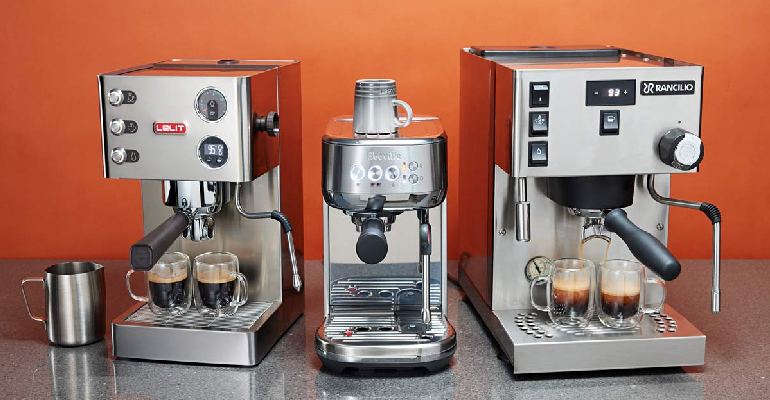
Coffee is the purchase most people get wrong in the most expensive possible way. Not because they buy cheap coffee — though that’s a separate problem — but because they buy the wrong brewing method for how they actually drink coffee, and then they spend years making a version of coffee they only half enjoy when a different $50 piece of equipment would have given them exactly what they wanted. I drink coffee every day. I’ve owned at least a dozen different brewing methods over the years, some simultaneously. The conclusions I’ve reached are less complicated than the coffee industry wants you to believe and more specific than most reviews are willing to commit to. Here’s what I actually think. The drip machine for people who drink multiple cups — Technivorm Moccamaster The Technivorm Moccamaster is the drip coffee maker that coffee professionals buy when they want a drip coffee maker. It costs around $350, which sounds like too much money for a drip machine until you understand what it’s doing that $50 machines aren’t. The Moccamaster brews at 196-205°F — the temperature range that SCAA (Specialty Coffee Association of America) certified machines must maintain throughout the brew cycle for optimal extraction. Most cheap drip machines brew between 170-185°F, which under-extracts the coffee and produces a cup that tastes flat, slightly bitter, and less complex than the same beans brewed at correct temperature. This is the primary reason expensive coffee tastes worse at home than at a decent café when brewed in a cheap machine — the machine is sabotaging the coffee before you ever taste it. The Moccamaster brews a full pot in six minutes. It has no programmable features, no fancy display, no Bluetooth connectivity. It heats water to the right temperature, pours it over coffee at the right flow rate, and produces excellent coffee. The machine has been built essentially the same way since 1969 and replacement parts are available for every model ever made. This is what “built to last” actually means rather than as a marketing phrase. For people who don’t drink enough coffee to justify the Moccamaster price: the OXO Brew 9-Cup Coffee Maker costs around $150 and is SCAA certified for brewing temperature and water distribution. It doesn’t have the Moccamaster’s build quality or longevity but it brews coffee correctly at a more accessible price. For espresso at home without spending $1,000 — Breville Barista Express Home espresso is a subject about which I have to be honest: genuinely good espresso at home requires either significant money, significant skill, or both. The machine alone is only part of the equation. Fresh beans ground immediately before brewing, the right grind size, correct tamping pressure, and clean equipment are all equally critical. Understanding this before buying an espresso machine saves a lot of money and frustration. The Breville Barista Express (around $700) is the machine that makes the best case for home espresso at a below-entry-level-professional price. The integrated grinder means you’re grinding immediately before brewing, which is essential for espresso quality. The PID temperature control holds extraction temperature precisely. The pressurized and non-pressurized basket options allow beginners to use the pressurized basket (more forgiving) while developing their technique before switching to the non-pressurized basket (requires better technique, produces better espresso). The learning curve is real and worth naming directly. Your first espresso from this machine will probably be either under-extracted (sour, weak, too fast) or over-extracted (bitter, harsh, too slow). Dialing in the grind size for your specific beans to hit a 25-30 second extraction time takes experimentation and requires you to actually measure and time your shots. This is not a complaint about the machine — it’s an accurate description of what espresso making involves. If that process sounds interesting rather than tedious, home espresso is worth pursuing. If it sounds like unnecessary effort, a drip machine produces excellent coffee with much less involvement. The French press — the method with the best flavor-to-cost ratio A French press costs $30-50. In terms of coffee quality per dollar spent on equipment, nothing beats it. The immersion brewing method extracts differently than drip — the coffee grounds steep in water for four minutes, producing a cup with more body, more oils, and a different flavor profile than drip brewing. French press coffee tastes more like coffee tastes at a really good café and less like the average office drip coffee for a reason: those cafés are using better equipment, but the extraction chemistry of the French press is also closer to what professional café brewing achieves. The Bodum Chambord is the classic, around $35-45 for the 34-ounce version. It’s glass, which means it’s fragile, but it’s been the reference French press for decades and the design works. The Fellow Clara French press is the premium option at around $75 — stainless steel, better heat retention (glass loses heat quickly during the four-minute steep), and cleaner pour. If you drink French press regularly and the heat retention issue bothers you, the Fellow Clara is worth the upgrade. The grind size for French press is coarser than for drip — this matters because coffee ground at the wrong size for the brewing method produces muddy, over-extracted results. A burr grinder is the right tool for consistent results, and even a modest hand grinder (the Hario Mini Mill costs around $35) produces significantly better results than a blade grinder. Pod machines — the honest assessment Nespresso machines produce genuinely decent espresso-style coffee with essentially no skill required. The Vertuo system produces larger cup sizes (regular coffee rather than just espresso shots). The extraction quality from a Nespresso is better than almost any other pod system and competitive with entry-level espresso machines in the hands of someone who hasn’t learned to dial in their grind. The trade-offs are real: the pods are expensive ($1-1.50 per cup versus 20-30 cents per cup for ground coffee), produce plastic and aluminum waste (Nespresso has a recycling program but it requires effort