HOME | Fashion | Beauty | Home Furnishing | Comparison | Top Reviews |
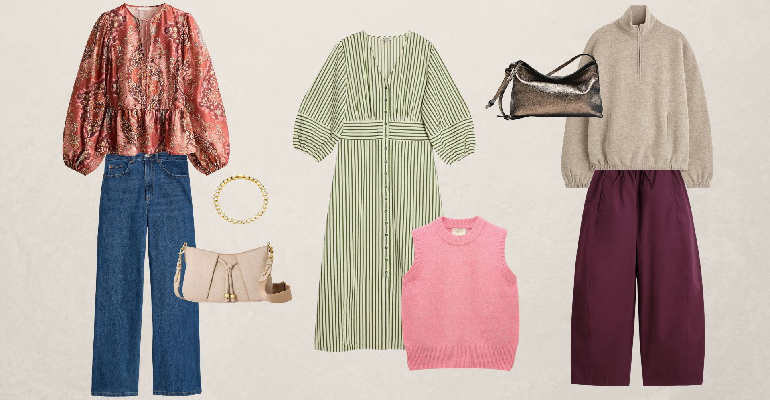
Somewhere between the original concept and its current form on social media, the capsule wardrobe became the thing it was supposed to solve. Guides suggesting you buy thirty essential pieces before you can start. Flat lay photographs of identical beige items arranged on white surfaces. Influencers with spotless apartments and unlimited budgets telling you that you too can own less if you just buy more things first.
I want to give you the version that’s actually useful. The one that starts with your real life rather than an aspirational one. The one where the number of pieces is whatever number works for you specifically rather than a prescriptive thirty or fifty or ten. The one that doesn’t require a purchasing spree to begin.
The failure mode is consistent: someone reads a capsule wardrobe guide, goes shopping for the suggested pieces, and ends up with a collection of thoughtfully purchased items that doesn’t quite match what they actually wear day to day. The beige linen trousers stay unworn because they’re not right for the specific office. The minimalist white shirt gets worn once because it needs ironing every time and nobody has time for that. The whole project quietly unravels and the wardrobe returns to its previous state, now with additional items that don’t quite fit in.
This happens because the standard capsule wardrobe advice is built around a generic life rather than your specific one. The first step isn’t buying anything. It’s understanding what you actually do, what you actually wear, and what your wardrobe is actually failing at.
Before buying a single thing, wear your wardrobe for two weeks without changing your habits. Note what you reach for each morning. Not what you think you should wear — what you actually choose. At the end of two weeks you have data.
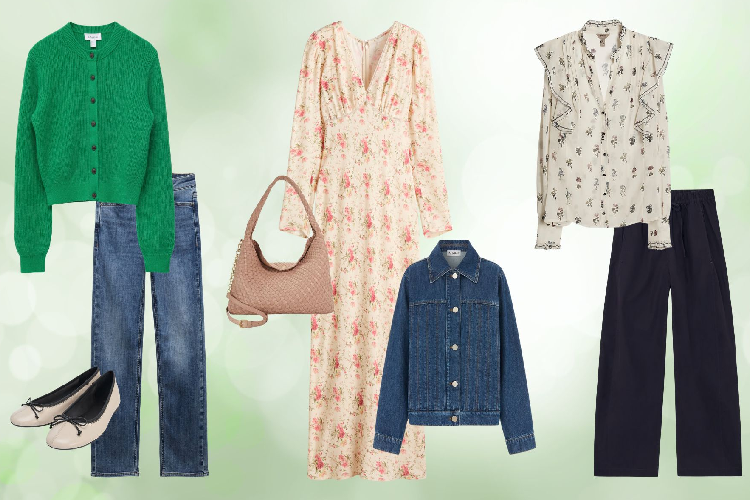
The clothes that appear multiple times in those two weeks are your wardrobe’s actual working core. These are the pieces that suit your life, your body, your taste. The clothes that never appear are candidates for removal, not reinforcement. Most capsule wardrobe advice skips this step entirely and goes straight to the shopping list. This step is where everything useful begins.
What the two weeks usually reveals: most people wear a fraction of what they own with great regularity and the rest exists in a state of perpetual maybe. The maybe clothes are the problem — they take up space, create the feeling of having lots of clothes while providing limited daily options, and produce the specific frustration of a full wardrobe and nothing to wear.
Remove the clothes you didn’t wear in two weeks. Not to throw them away — put them in a box, store them somewhere, and revisit in three months. If in three months you haven’t needed anything from the box, those clothes are not serving you and donating or selling them is the honest conclusion.
This is the part most people skip because removing things from a wardrobe feels like losing options. What it actually produces is clarity. When the clothes you own are the clothes you actually wear, getting dressed in the morning is faster, easier, and produces better results because every option is a working option.
The pieces worth having are the ones that do multiple jobs. A dark wash straight-leg jean that works from Saturday morning coffee to a dinner reservation. A well-fitted blazer in a neutral that makes casual pieces look intentional and works in professional contexts without being formal. A merino wool crewneck that layers under a coat, over a collared shirt, or alone on mild days. A quality white or cream shirt that can be styled five different ways. These items earn their space because they work across contexts.
The specific items are less important than the principle: versatility, quality good enough to last years rather than seasons, and fit that’s been addressed rather than accepted. A $30 shirt altered to fit correctly at a tailor does more work in a wardrobe than a $100 shirt that doesn’t quite fit.
What the capsule does not need: multiple versions of the same thing in slightly different colors. Pieces you bought on sale because they were discounted rather than because you needed them. Trend pieces that are specifically of-the-moment in a wardrobe built around longevity. Items that require dry cleaning if you realistically won’t dry clean them.
The capsule wardrobe advice to “invest in quality” is given without enough specificity to be useful. Quality matters enormously in some categories and barely at all in others.
Quality matters a lot for shoes. The difference between a quality leather shoe and a cheap synthetic shoe is visible immediately and becomes more visible over months of wear. Cheap shoes lose their shape, look worn quickly, and in some cases actively damage feet through poor construction. One pair of well-made leather shoes will outlast three pairs of cheap alternatives and look better throughout its life. Spend real money on shoes.
Quality matters a lot for outerwear. A coat is one item that defines the entire look of every winter outfit for months. A poorly made coat looks cheap regardless of what’s underneath it. A well-made coat elevates even simple clothes. One good coat at a higher price outperforms two mediocre coats at lower prices in every practical sense.
Quality matters less for basics that are genuinely commoditized. A plain white t-shirt is a plain white t-shirt. The difference between a $15 version and a $60 version is real but not transformative in a wardrobe where the t-shirt is a layering piece rather than the statement. Spend less here and more on the categories where it genuinely shows.
Most of the quality pieces worth owning at the highest category — cashmere, quality leather, structured blazers from brands with genuine manufacturing standards — can be bought secondhand for a fraction of retail price. A Cos blazer at 20% of retail price from Depop. An Eileen Fisher merino sweater at 25% of retail from ThredUp. These are genuinely good quality pieces available at prices that make the quality argument much easier to act on.
The skill in secondhand shopping is brand knowledge — knowing which brands produce garments worth buying secondhand and recognizing their pieces when you encounter them. This knowledge develops quickly and produces significant long-term savings while allowing access to quality that’s otherwise difficult to justify on a budget.
The platforms: ThredUp for curated, pre-selected secondhand at consistent quality standards. Depop and Vinted for specific branded pieces at prices often negotiable from individuals. eBay for specific searches when you know exactly what you want. Local charity shops for the tactile, try-before-you-commit experience that screens out pieces with hidden condition issues.