HOME | Fashion | Beauty | Home Furnishing | Comparison | Top Reviews |

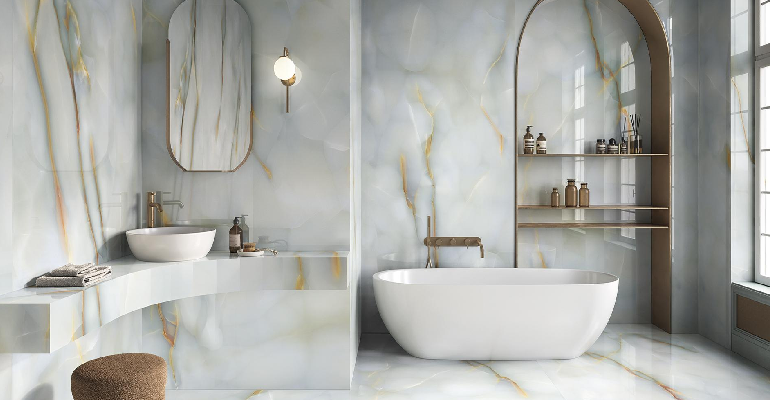
The bathroom is the room most people have given up on decorating. It’s small, it’s full of functional requirements, the fixtures are whatever was there when you moved in, and the budget usually runs out before anyone gets to the bathroom. The result is that most bathrooms look provisional — like somewhere in between a finished room and a room that’s waiting for something to change before it gets properly addressed.
The good news: bathrooms are the room where small, inexpensive changes produce the biggest proportional impact. A new set of towels, different storage, changed lighting, one or two deliberate accessories — these changes cost under $200 total in many cases and produce a before-and-after that’s more dramatic than most people expect.
Cheap towels look cheap even when they’re clean and folded. The thin, rough, slightly mismatched towels that most people accumulate over years of buying whatever was on sale produce a bathroom that looks provisional regardless of what else is happening. Replacing all the towels in a bathroom with a matching set of quality towels is the single most impactful bathroom change in terms of immediate visual transformation.
The specific qualities worth looking for: weight (grams per square meter — 600-700 GSM is the sweet spot for towels that feel substantial without taking forever to dry), long-staple cotton (Egyptian or Turkish cotton specifically), and a color that’s actually intentional rather than whatever happened to be available.
The Brooklinen Super-Plush Towels are the reference standard at a mid-range price ($15-20 per towel). They’re 820 GSM — heavier than most — and the quality is immediately apparent when you take them out of the packaging. The Parachute Turkish towels are lighter (500-600 GSM) and dry faster, which is the better choice for humid bathrooms or those who prefer a less enveloping towel.
The budget-friendly option that performs above expectations: the OZAN Premium Home Turkish towels on Amazon, around $8-10 per towel, regularly appear in quality comparisons above their price point. They’re 700 GSM, they soften with washing, and they look significantly more expensive than they are.
Matching the towels matters. Three different navy towels of similar shades look like a deliberate choice. Three different navy towels of different shades, weights, and textures look like an accumulation. The decision to buy a complete matching set rather than replacing towels one at a time is what produces the hotel bathroom look.
Bathroom clutter — the bottles, jars, tools, and miscellany that accumulate on every flat surface — is the primary enemy of a bathroom that looks expensive. Clutter signals disorder. Order signals intention. The solution is not necessarily more storage; it’s often better storage and less stuff.
The decant approach: buying plain, matching dispensers for soap, shampoo, conditioner, and body wash and decanting your actual products into them replaces fifteen different branded bottles of different shapes, colors, and heights with three or four identical vessels. The visual calm this produces is disproportionate to the actual change. MUJI acrylic dispensers are the reference product for this — simple, clear, stackable. Amazon stocks numerous dupes at around $15-25 for a set of three.
A tray groups and contains objects on a surface. Three items scattered across a countertop look like clutter. Three items on a tray look like a vignette. This is genuinely all that changes — the tray tells the eye that these objects are arranged intentionally rather than placed randomly. A marble, ceramic, or bamboo tray in a bathroom functions this way. It costs $20-40 and changes the feel of the countertop completely.
Over-the-toilet storage — the kind that sits on the toilet cistern or mounts to the wall above — is the most efficient use of vertical space in a small bathroom. In bathrooms where cabinet space is limited, a well-chosen piece of over-toilet storage containing towels, toilet paper, and miscellaneous items is more effective than any other single storage change.
Bathroom lighting affects how you look in the mirror, how the room feels, and importantly for bathrooms with no natural light, the entire sensory experience of being in the space. Most bathroom lighting is either above the mirror (which casts unflattering downward shadows on faces) or a single overhead light (which flattens everything and produces the same institutional feel as office lighting).
Side-mounted lighting — fixtures positioned at either side of the mirror at face height — produces the most flattering light for grooming tasks because it illuminates the face from the sides rather than casting shadows from above. Hollywood-style vanity lights (the strip with multiple round bulbs) are a version of this concept that has moved from kitsch to genuinely considered in the current design moment.
Warm bulbs are mandatory in a bathroom where aesthetics matter. 2700K maximum. Anything cooler makes skin look flat, makes whites look clinical rather than warm, and contributes to the “public bathroom” atmosphere that no home bathroom should aspire to.
If the lighting fixture itself cannot be changed (rental or budget constraints): replacing the bulbs is always possible. A single overhead fixture with a warm-white bulb, supplemented by a plug-in sconce or a small table lamp on the counter with a warm bulb, produces meaningfully better light than one overhead fixture alone.
The bathroom is one of the most hospitable environments in a home for plants that like humidity, and one of the least hospitable for plants that need bright light. Understanding which plants fall into which category before buying avoids the specific disappointment of a plant that looked perfect in the shop and died within three weeks.
Plants that thrive in bathrooms: pothos (essentially unkillable, tolerates low light), peace lily (beautiful, tolerates low light, likes humidity), snake plants (tolerates low light and infrequent watering — the most beginner-friendly option), ferns (love humidity but need indirect light), and orchids (genuinely love the humidity and temperature fluctuation of a bathroom more than most other home environments).
Plants that will not survive in most bathrooms: succulents and cacti (need bright, consistent light and dry conditions — the opposite of what most bathrooms provide), most herbs, anything that needs direct sunlight.
A single medium plant — a peace lily in a white ceramic pot, a pothos in a hanging planter if there’s ceiling space — does more for the atmosphere of a bathroom than almost any decorative purchase at the same price.
A good soap dispenser rather than bottles of hand soap. This sounds minor. In a bathroom where the countertop has one item on it (a beautiful ceramic or glass soap dispenser) versus four items (a pump bottle of hand soap, a random bar of soap, a nail brush, and a small bottle of lotion that arrived three weeks ago), the difference in how the countertop reads is significant. A Umbra Junip soap dispenser or any clean ceramic option from H&M Home or IKEA costs $15-30 and reads as intentional rather than provisional.
A quality bathmat rather than the thin, slightly musty bathroom rug that came with the apartment. The Parachute Turkish Cotton bath mat ($40-50) or the Brooklinen Super-Plush Bath Mat ($35-45) dry faster than cotton terry mats, feel better underfoot, and look more intentional in a way that’s immediately visible. White or off-white matting reads most cleanly against most bathroom tile.
A shower curtain that’s actual fabric rather than plastic liner. A linen-look shower curtain from H&M Home or Amazon’s Stone & Beam or Threshold lines costs $30-50, hangs better than a plastic curtain, creates a significantly more considered atmosphere, and requires only a plastic liner behind it to stay water-resistant.