HOME | Fashion | Beauty | Home Furnishing | Comparison | Top Reviews |
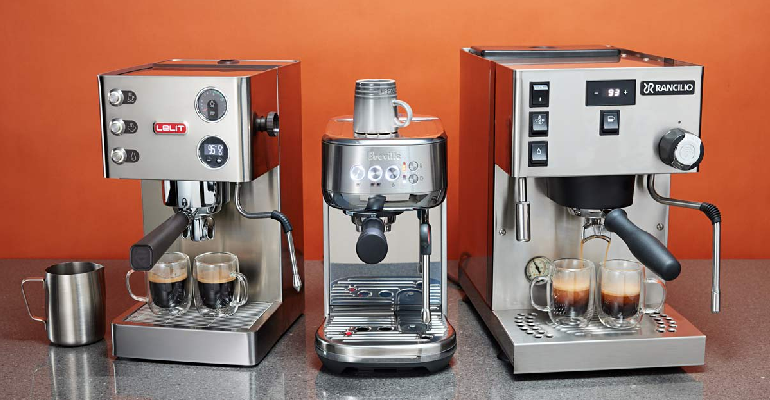
Coffee is the purchase most people get wrong in the most expensive possible way. Not because they buy cheap coffee — though that’s a separate problem — but because they buy the wrong brewing method for how they actually drink coffee, and then they spend years making a version of coffee they only half enjoy when a different $50 piece of equipment would have given them exactly what they wanted.
I drink coffee every day. I’ve owned at least a dozen different brewing methods over the years, some simultaneously. The conclusions I’ve reached are less complicated than the coffee industry wants you to believe and more specific than most reviews are willing to commit to. Here’s what I actually think.
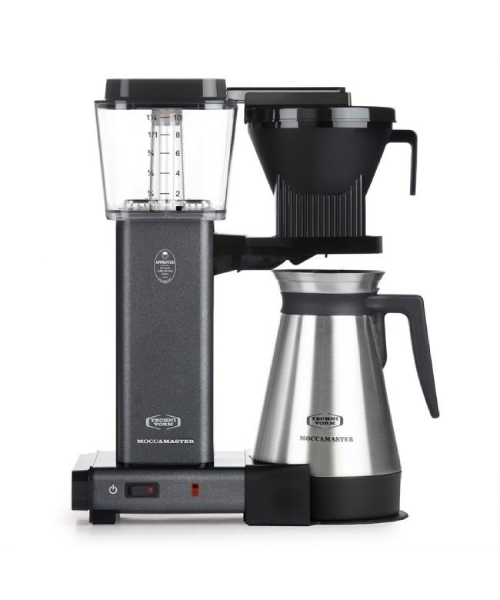
The Technivorm Moccamaster is the drip coffee maker that coffee professionals buy when they want a drip coffee maker. It costs around $350, which sounds like too much money for a drip machine until you understand what it’s doing that $50 machines aren’t.
The Moccamaster brews at 196-205°F — the temperature range that SCAA (Specialty Coffee Association of America) certified machines must maintain throughout the brew cycle for optimal extraction. Most cheap drip machines brew between 170-185°F, which under-extracts the coffee and produces a cup that tastes flat, slightly bitter, and less complex than the same beans brewed at correct temperature. This is the primary reason expensive coffee tastes worse at home than at a decent café when brewed in a cheap machine — the machine is sabotaging the coffee before you ever taste it.
The Moccamaster brews a full pot in six minutes. It has no programmable features, no fancy display, no Bluetooth connectivity. It heats water to the right temperature, pours it over coffee at the right flow rate, and produces excellent coffee. The machine has been built essentially the same way since 1969 and replacement parts are available for every model ever made. This is what “built to last” actually means rather than as a marketing phrase.
For people who don’t drink enough coffee to justify the Moccamaster price: the OXO Brew 9-Cup Coffee Maker costs around $150 and is SCAA certified for brewing temperature and water distribution. It doesn’t have the Moccamaster’s build quality or longevity but it brews coffee correctly at a more accessible price.
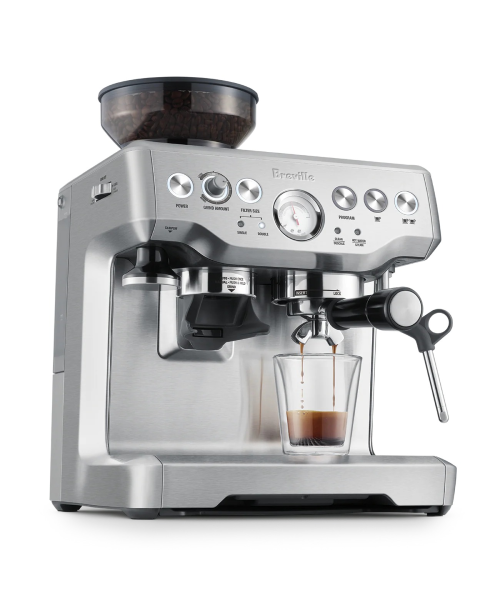
Home espresso is a subject about which I have to be honest: genuinely good espresso at home requires either significant money, significant skill, or both. The machine alone is only part of the equation. Fresh beans ground immediately before brewing, the right grind size, correct tamping pressure, and clean equipment are all equally critical. Understanding this before buying an espresso machine saves a lot of money and frustration.
The Breville Barista Express (around $700) is the machine that makes the best case for home espresso at a below-entry-level-professional price. The integrated grinder means you’re grinding immediately before brewing, which is essential for espresso quality. The PID temperature control holds extraction temperature precisely. The pressurized and non-pressurized basket options allow beginners to use the pressurized basket (more forgiving) while developing their technique before switching to the non-pressurized basket (requires better technique, produces better espresso).
The learning curve is real and worth naming directly. Your first espresso from this machine will probably be either under-extracted (sour, weak, too fast) or over-extracted (bitter, harsh, too slow). Dialing in the grind size for your specific beans to hit a 25-30 second extraction time takes experimentation and requires you to actually measure and time your shots. This is not a complaint about the machine — it’s an accurate description of what espresso making involves. If that process sounds interesting rather than tedious, home espresso is worth pursuing. If it sounds like unnecessary effort, a drip machine produces excellent coffee with much less involvement.
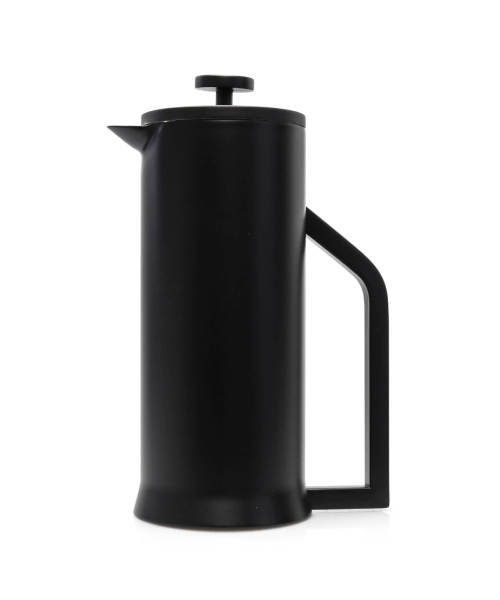
A French press costs $30-50. In terms of coffee quality per dollar spent on equipment, nothing beats it. The immersion brewing method extracts differently than drip — the coffee grounds steep in water for four minutes, producing a cup with more body, more oils, and a different flavor profile than drip brewing. French press coffee tastes more like coffee tastes at a really good café and less like the average office drip coffee for a reason: those cafés are using better equipment, but the extraction chemistry of the French press is also closer to what professional café brewing achieves.
The Bodum Chambord is the classic, around $35-45 for the 34-ounce version. It’s glass, which means it’s fragile, but it’s been the reference French press for decades and the design works. The Fellow Clara French press is the premium option at around $75 — stainless steel, better heat retention (glass loses heat quickly during the four-minute steep), and cleaner pour. If you drink French press regularly and the heat retention issue bothers you, the Fellow Clara is worth the upgrade.
The grind size for French press is coarser than for drip — this matters because coffee ground at the wrong size for the brewing method produces muddy, over-extracted results. A burr grinder is the right tool for consistent results, and even a modest hand grinder (the Hario Mini Mill costs around $35) produces significantly better results than a blade grinder.
Nespresso machines produce genuinely decent espresso-style coffee with essentially no skill required. The Vertuo system produces larger cup sizes (regular coffee rather than just espresso shots). The extraction quality from a Nespresso is better than almost any other pod system and competitive with entry-level espresso machines in the hands of someone who hasn’t learned to dial in their grind.
The trade-offs are real: the pods are expensive ($1-1.50 per cup versus 20-30 cents per cup for ground coffee), produce plastic and aluminum waste (Nespresso has a recycling program but it requires effort to use), and limit you to Nespresso’s pod selection without the ability to choose your own beans or experiment with different origins and roasts.
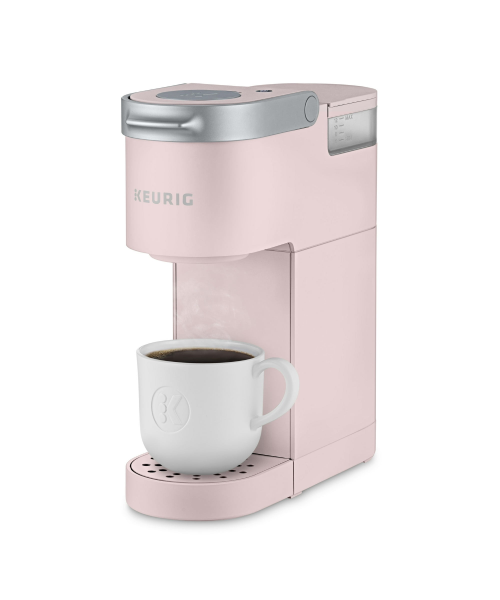
The Keurig is the volume leader in pod coffee but the coffee quality is genuinely mediocre. This is a brewing temperature problem — most Keurig machines don’t brew at the correct temperature — combined with the quality of the pre-ground, pre-portioned coffee in the pods. For an office environment where the primary concern is speed and convenience and the coffee is drinking almost as a functional caffeine delivery mechanism rather than something to enjoy, Keurig makes sense. For home use where you actually want to enjoy your coffee, there are better options at every price point.
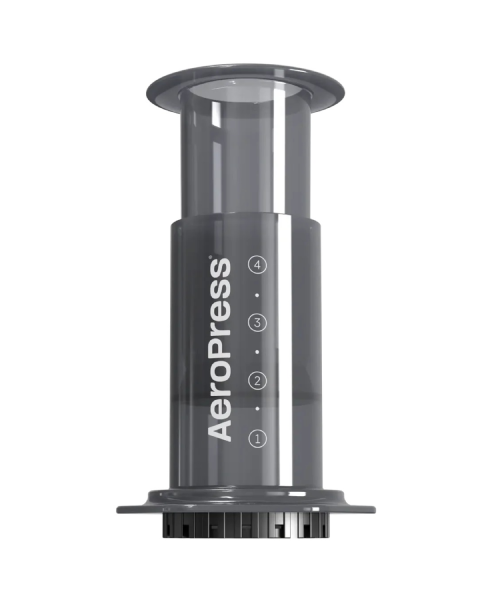
The Aeropress is a $35 piece of plastic that produces coffee that competes with much more expensive brewing methods. It’s portable, nearly indestructible, produces almost no waste, and brews a single cup in about two minutes. The Aeropress community has produced thousands of recipes and championship-winning methods, which sounds like excessive enthusiasm for a piece of plastic until you taste the results.
It works via pressure — coffee grounds steep briefly and then air pressure pushes the water through the grounds and a paper or metal filter. The paper filter produces a clean cup similar to drip. The metal filter (sold separately for around $15) produces a cup with more body similar to French press. A single device that can produce two genuinely different cup profiles depending on which filter you use is a level of flexibility that no other brewing method at the price offers.
The limitation: it makes one cup at a time. For households where multiple people drink coffee simultaneously, the Aeropress requires either multiple rounds of brewing or a different primary method. For a single coffee drinker, it’s arguably the best possible home brewing solution at any price.