HOME | Fashion | Beauty | Home Furnishing | Comparison | Top Reviews |

Let’s start with the problem in the advice industry: every article about dressing well on a budget is written by someone for whom “budget” means something different than it means for most people reading it. “Affordable” fashion editorial means $80 instead of $300. “Investment pieces” advice is given by people for whom a $400 coat is something to think about rather than something to rule out immediately. The practical gap between the advice and the reality of most people’s clothing budgets is enormous.
I’m going to address the genuine version. The version where the budget constraint is real. The version where strategy matters more than spending.
Fit is what separates someone who looks like they dress well from someone who doesn’t, and it operates independently of how much clothes cost. A poorly fitted $200 shirt looks worse than a well-fitted $25 shirt. This is observable and not controversial — tailors have built entire businesses on this observation.
The fit problems that affect most cheap clothing: sleeves that are too long, shoulders that are too wide for the body, torsos that are shapeless because mass-market sizing is built for median bodies. These problems are fixed not by buying more expensive clothes but by altering inexpensive ones.
A local tailor charges $10-20 to hem sleeves and $15-25 to take in a shirt or jacket at the sides. Paying $15 to alter a $20 shirt from a high street store produces a garment that fits correctly and looks intentional. This investment — alteration cost rather than item cost — is the highest-return use of a small budget in fashion.
The secret to secondhand shopping is brand knowledge. Knowing which brands produce durable, quality clothing and recognizing their pieces when you encounter them secondhand is the skill that produces consistently good results. Without this knowledge, secondhand shopping is a lottery. With it, it’s one of the most efficient ways to access quality.
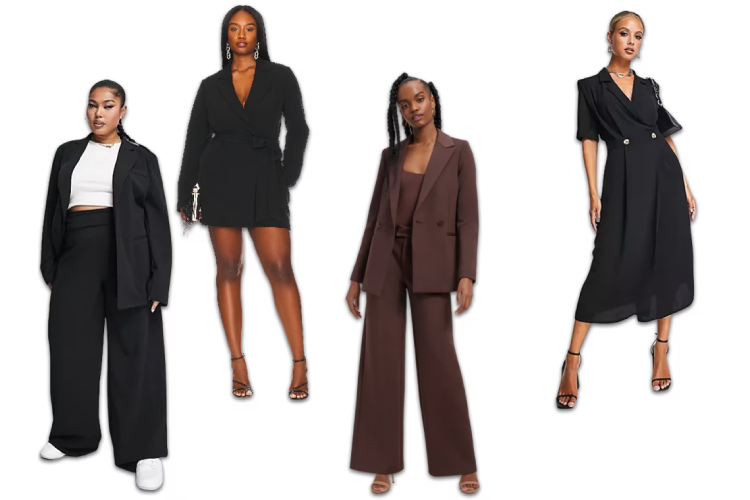
The brands worth searching for secondhand: Cos (consistently good quality basics that hold their shape), & Other Stories (well-made, stylish pieces that appear secondhand regularly), Banana Republic (particularly their higher-end lines), Eileen Fisher (extremely durable construction, almost always appears in excellent condition secondhand because the garments outlast most people’s willingness to keep wearing the same piece), Theory (tailored pieces that remain relevant across years), and any designer brand in straightforward, wearable styles.
The platforms: ThredUp curates secondhand at consistent quality standards with photos and condition ratings — useful for budget buyers who want to reduce risk. Depop and Vinted have individual sellers with negotiable prices, better for specific brand searches. eBay for exactly what you want when you know what you want. Charity shops for tactile browsing where you can assess condition before buying.
The strategy that works: search for specific items or brands rather than browsing generally. “Cos oversized blazer size 12” produces better results than browsing blazers hoping something good appears.
If any discretionary money is available, the hierarchy of where it makes the most difference:
Shoes matter more than almost anything else in an outfit. Cheap shoes look cheap in ways that are obvious from across a room. They wear out faster and require replacement on a timeline that turns cheap into expensive over time. Quality leather shoes — which can be bought secondhand at significant discounts — look better, last longer, and often improve with age. One pair of genuinely good leather shoes does more for overall presentation than any amount of new clothing at the same total cost.
Outerwear is the second most impactful category per pound spent. A coat is the first thing visible to the world for several months of the year and sets the tone for everything underneath it. A poorly made coat undermines everything worn under it. A quality coat elevates even basic clothing. This is the correct category for spending above what feels immediately comfortable.
Anything that fits you perfectly and that you’ll wear constantly. The formula is: frequency of wear multiplied by how good the item makes you feel divided by cost equals actual value. Items you reach for every week justify much higher prices than items you might wear occasionally regardless of how beautiful they are.
Trend pieces bought new at full price. Trends are by definition temporary. Buying trend pieces new means paying full price for something that will be less relevant in six months. Buying trend pieces secondhand — which is easy since trends produce a wave of recent-vintage pieces on resale platforms — means paying a fraction of the price for the same cultural moment.
Multiple versions of the same thing. The third navy blue t-shirt is not serving you differently from the second one. Depth of wardrobe in a single category rarely produces more outfit options — it produces more of the same option. Breadth is more useful: one navy blue t-shirt, one grey, one white, one in a color you actually wear produces more daily variety than three versions of the same item.
Clothing that almost fits. The item that’s almost the right size, that you bought because it was on sale or because the right size wasn’t available, that you keep thinking you’ll alter but haven’t — this is a waste of the money spent on it regardless of how little that was. Almost-fitting clothes get worn rarely and removed from outfits quickly. They’re not savings. They’re sunk costs.
Once a season, go through every item you own and ask one question: did I wear this in the last three months? If the answer is no, it goes in a box for three more months of evaluation. If in that second period it’s still untouched, it’s not serving you and should leave the wardrobe.
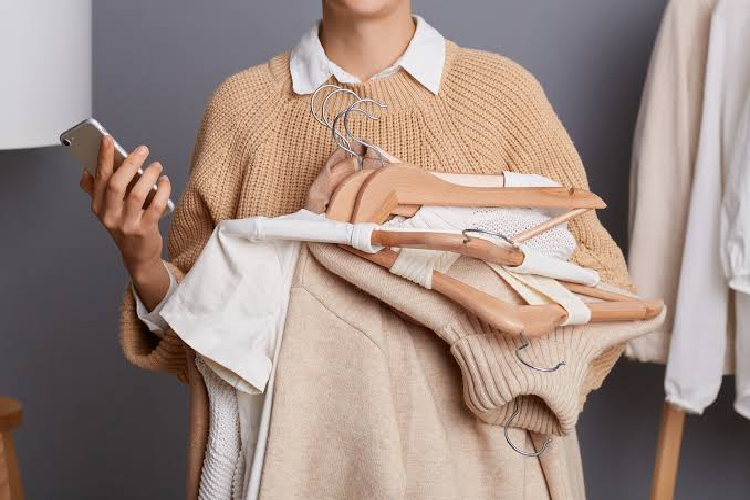
The clothes you actually wear are the clothes that are right for your real life. Building from this foundation — adding pieces that clearly integrate with what you already reach for — produces a more coherent and functional wardrobe than buying things based on what you wish your life required you to wear.