Loafers for Women — Honest Reviews Across Price Points
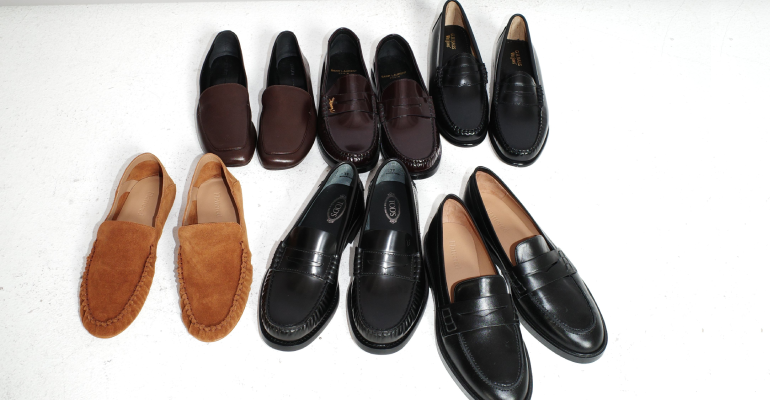
The loafer’s consistent presence in fashion across decades is not about trends. It’s about function — the loafer is the shoe that bridges more outfit contexts than any other flat shoe category. It works with tailored trousers in professional settings, with straight-leg jeans for weekend wear, under midi skirts for a more dressed-up casual look, and with socks in the way that has moved from ironic to genuinely considered in recent years. A great pair of loafers is a wardrobe piece rather than a fashion piece — something that’s relevant and useful for years rather than a specific season. Which makes the quality argument more relevant here than in many other shoe categories. The Gucci Horsebit Loafer — when the original makes sense The Gucci 1953 Horsebit Loafer costs $895-1,000 and is the design that every loafer in the category references in some way. The horse-bit hardware — the metal bar through two rings on the vamp — has been on this shoe since 1953 and on no other shoe as authentically. The leather quality is excellent, the construction is Italian, and the silhouette is the one that the entire category calibrates around. At full retail, the argument for ownership over alternatives is primarily about design authenticity and resale value — Gucci loafers have a robust secondhand market that makes them a better value proposition than most accessories at their price point. Secondhand Gucci loafers in good condition appear regularly on The RealReal and Vestiaire Collective at 40-60% of retail. This is genuinely the most sensible way to own the reference product if the reference product is specifically what you want. Reformation Riley Loafer — the quality alternative at a third of the price The Reformation Riley Loafer costs $280-320 and occupies the most useful middle ground in the loafer market: genuinely good quality construction in Italian leather, at a price that doesn’t require the deliberation that a four-figure shoe purchase does. The silhouette is clean and proportionally close to the Gucci — pointed enough to be elegant, low enough to be comfortable, and with enough structure to hold its shape over years of wear. The leather is full-grain and the construction is solid at close inspection. After a season of regular wear, Riley loafers look like well-maintained quality shoes rather than like things that have been used. This is the correct outcome for the price. The sizing runs slightly narrow in some models — people with wider feet consistently report needing a half-size up. Worth noting before ordering. Sam Edelman Loraine Loafer — the honest budget option The Sam Edelman Loraine costs $80-100 and is the budget loafer that receives consistently positive long-term reviews rather than consistent enthusiasm that fades after the first few months. The synthetic leather upper is less luxurious than genuine leather but holds its shape reasonably well and cleans easily. The sole is comfortable and the heel height (a low block heel) makes them walkable for extended periods. The honest limitation: after a year of regular wear, Sam Edelman loafers look visibly like budget shoes in ways that quality leather alternatives don’t. The synthetic material doesn’t age gracefully — it shows wear differently from leather and doesn’t develop the patina that makes quality leather shoes look better with age. They’re the correct choice for someone who wants the loafer aesthetic at an accessible price and is comfortable with the understanding that they’re a 1-2 year purchase rather than a 5-10 year one. The styling versatility that makes loafers worth investing in The reason quality loafers justify their price is the outfit range they cover. With socks (a substantial white crew sock or a slouchy knit sock) and wide-leg trousers — the combination that fashion editorial uses most often. With bare feet and a midi skirt for a polished casual look. With straight-leg jeans for everyday wear. With tailored trousers as a professional alternative to heels. The same pair of quality loafers participates in all of these outfit contexts, which means the per-wear cost calculation across a year of varied use is significantly more favorable than it appears at purchase.
How to Decorate a Rental Apartment Without Damaging Anything

The rental apartment decorating challenge is specific: you want the space to feel like your home, not a temporary situation. You want to express your aesthetic without paying for it at the end of the lease. You want to make it genuinely comfortable without risking the deposit. The solutions available now are meaningfully better than the solutions that existed five years ago. Command strips have evolved. Removable wallpaper has gotten genuinely good. Renter-specific products have developed into a real category. And there are strategies that require no products at all and no holes in walls that dramatically change how a space feels. Walls without holes — what actually works Removable wallpaper has improved dramatically and the best current options are genuinely indistinguishable from regular wallpaper in photographs and nearly indistinguishable in person. Tempaper is the reference brand — peel and stick, repositionable while wet, removable cleanly from most surfaces. The range includes everything from subtle textured patterns to bold geometric designs to botanical prints. The application process requires patience rather than skill: a clean, smooth wall (wash and dry before application), careful alignment at the first panel, a squeegee or credit card to eliminate bubbles. Done correctly, Tempaper wallpaper looks as intentional as permanent wallpaper and removes without damage. For an accent wall in a rental bedroom, a textured Tempaper application in a warm neutral transforms the room as completely as paint would and reverses in an afternoon when moving out. Removable wall panels — the 3D textured panels that apply like giant tiles — have become a genuine design statement rather than a gimmick. The NovaBel and STIKWOOD panel systems use peel-and-stick application and produce a wood, tile, or brick effect that photographs beautifully and removes cleanly. Command strips and hooks — used correctly Command strips work. They also fail when misapplied in specific and consistent ways: applied to surfaces that aren’t clean and dry, applied to textured surfaces, pulled off without following the removal process, or loaded beyond their weight rating. The removal process is the thing most people get wrong: you pull the tab straight down slowly against the wall, stretching the strip until it releases from the surface. Pulling the frame or hook outward before doing this pulls paint. Every Command strip damage story I’ve ever heard involves not following this process. The weight ratings are real. A strip rated for five pounds loaded with eight pounds will fail eventually. Plan your frames and hanging objects and buy strips rated for what you’re actually hanging. Furniture and textiles — the tools that do most of the decorating Most of the transformation of a rental comes not from what’s on the walls but from the furniture arrangement, the textiles, and the objects in the space. A rental with a large rug, quality throw pillows, good lighting, and intentional furniture placement looks like someone’s home. A rental without these things looks like a rental. The sofa cover is underrated as a rental tool. If a rental comes furnished with a sofa that’s not to your taste, a well-fitted sofa cover (the Chun Yi sofa covers from Amazon receive consistent reviews for fit and quality) transforms the piece for under $50. Fitted covers look significantly better than draped throws, which look improvised. Curtains — hung as high as the curtain rod allows, falling to the floor — are the rental upgrade that most dramatically changes the feeling of a space. The landlord’s curtain hardware is usually usable; replacing the landlord’s polyester curtain panels with linen-look panels on the existing rods costs $30-60 and changes the room completely.
How to Shop for Clothes More Intentionally — Spend Less,
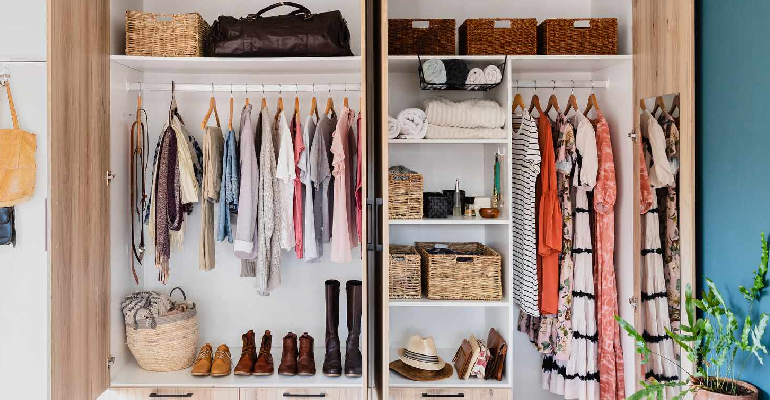
There’s a specific and consistent pattern in most people’s relationship with their wardrobes. The pattern: feel dissatisfied with what you own, shop to address the dissatisfaction, buy things that are either impulse purchases or aspirational purchases rather than practical ones, feel temporarily better, feel dissatisfied again within weeks because the core problem hasn’t been addressed, repeat. This pattern produces a wardrobe that contains a lot of things that individually seemed like good ideas and collectively don’t work together. It produces the “full wardrobe, nothing to wear” experience that’s almost universal among people who shop frequently without strategy. Intentional shopping is the alternative. It’s not about spending less necessarily — though it often produces lower total spending — it’s about making purchases that solve identified problems rather than purchases that create the feeling of having solved a problem. The shopping list that actually helps Before any shopping session — online or in person — identify specifically what you’re looking for. Not a category (I need tops) but a specific item with specific requirements (I need a long-sleeve white t-shirt that’s not sheer, fits close to the body, and can be worn tucked into trousers). The specificity matters because it gives you a success criterion. Without a success criterion, every item you encounter is a potential purchase that has to be evaluated from scratch. With a specific requirement, you can evaluate quickly whether something meets the requirement or doesn’t. The shopping list also reveals what you actually need versus what you find yourself drawn to. The act of writing down what the wardrobe actually lacks forces an honest assessment rather than the reactive mode of shopping in response to seeing things you like. The 30-wear test before buying Before purchasing anything, ask: will I wear this thirty or more times? The thirty-wear threshold is borrowed from sustainable fashion but applies practically — if you genuinely cannot see yourself wearing something thirty times, you’re buying it for the novelty of the purchase rather than for the utility of the garment. Most impulse purchases don’t survive this test. The brightly colored piece that’s interesting in the context of the store doesn’t survive imagining thirty specific mornings when you’d reach for it. The trend piece that’s compelling because everyone is wearing it right now doesn’t survive imagining wearing it on a regular Tuesday six months from now. The pieces that survive the test are the ones that integrate with what you already own, suit the actual life you live, and address a real gap rather than an aspirational one. The cost-per-wear calculation — done honestly Divide the cost of any item by the number of times you realistically expect to wear it. A $200 coat worn 100 times costs $2 per wear. A $30 dress worn twice costs $15 per wear. The cost-per-wear calculation reveals the actual economics of fashion purchasing in a way that sticker prices obscure. The honest version of this calculation requires being realistic rather than aspirational about expected wear frequency. Not “I’ll wear this all the time” but “realistically, how often will I reach for this given what my life looks like, what my existing wardrobe looks like, and what I’ve actually worn this type of item in the past.” The waiting period For any non-essential purchase over a certain threshold (pick your own number — $50 is a reasonable starting point for most people), implement a 48-hour waiting period before buying. Leave the item in the cart, walk out of the store, and return to the decision two days later. Most impulse purchases don’t survive 48 hours of consideration. The novelty of discovering something appealing fades quickly and the question of whether you actually need it becomes easier to answer honestly without the in-the-moment excitement of shopping. The purchases that survive 48 hours are the purchases you actually want rather than the purchases you were caught up in wanting. These are more reliable additions to a wardrobe.
Smart Home Devices That Are Actually Worth Buying
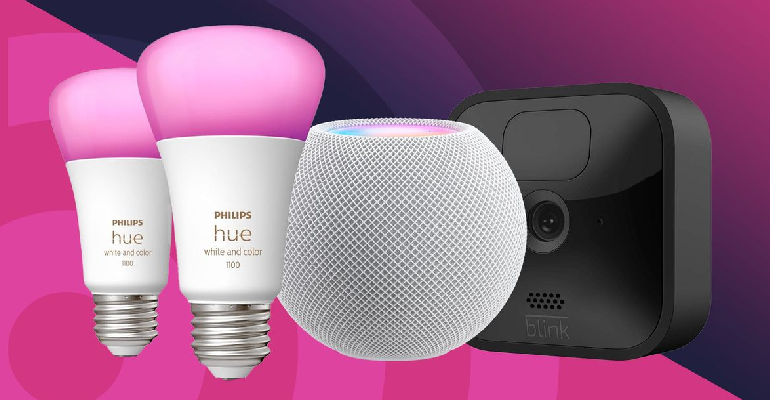
Smart home technology has a credibility problem produced by a decade of products that were technically impressive and practically useless. The smart refrigerator that connected to your phone to tell you what you had inside. The smart fork that monitored your eating speed. The smart garden sensor that required its own app, its own hub, and more maintenance than the plants it was supposed to help grow. The actual useful smart home category is considerably smaller than the marketed one. There are maybe eight to ten categories of smart home technology where the connected version is genuinely more useful than the dumb version for the average home. Everything else is a product in search of a problem. Here are the things actually worth buying. Smart bulbs and light switches — the most impactful smart home upgrade The ability to control lighting with your voice, automatically, on a schedule, or from your phone changes how lighting works in a home in ways that matter daily. The convenience of saying “turn off the living room lights” from bed rather than getting up is small. The convenience of lights that automatically adjust color temperature throughout the day (warm in the morning, slightly cooler for midday work, warm again in the evening) is meaningful for focus and sleep quality. The convenience of lights that turn on at sunset without manual intervention is real over months and years of not thinking about it. Philips Hue is the reference standard for smart bulbs — the ecosystem is the most complete, the color accuracy is excellent, the app and voice assistant integration (Alexa, Google, Apple HomeKit) is reliable. The cost is the limitation: Philips Hue bulbs cost $15-20 each, which adds up quickly in a home with many light fixtures. The Philips Hue starter kit (hub and four bulbs) costs around $200. The LIFX smart bulbs skip the hub requirement (connect directly to Wi-Fi) and cost around $45-50 per bulb for the color version. No hub is an advantage for people who don’t want another device; the higher per-bulb cost is the trade-off. The Wyze Smart Bulb is the budget option at around $10 per bulb. No hub required, works with Alexa and Google. The color accuracy and app polish don’t match Philips Hue, but for basic smart lighting at a price that makes large-scale implementation feasible, Wyze is the starting point. Smart speaker and voice assistant — the hub of everything else A smart speaker (Amazon Echo or Google Nest) is the device that makes every other smart home product more useful because it provides voice control without reaching for your phone. The question of Alexa versus Google Assistant is mostly answered by which ecosystem you’re already in — if you use Google services extensively, Google Nest Home integrates better with your calendar, searches, and routines. If you use Amazon extensively or have Fire TV devices, Alexa works better. The Echo Dot (around $50) is the right starting point — it sounds adequate for voice interaction and background music, and its smart home control function is identical to the more expensive Echo models. Upgrading to the Echo (around $100) or Echo Studio (around $200) makes sense only if audio quality for music is important. Smart plugs — the simplest possible entry A smart plug ($15-25) converts any dumb device into a smart one by allowing it to be controlled remotely, scheduled, and integrated with voice assistants. The lamp that isn’t a smart lamp can be turned on and off by voice and schedule with a smart plug. The coffee maker can be scheduled to start before your alarm. The fan in the bedroom can be turned off from bed. The Kasa Smart Plug (TP-Link) is the consistently recommended option — reliable, works with Alexa and Google, provides energy monitoring on some models, and pairs quickly without app friction. The Govee and Wemo alternatives are comparable. Smart thermostat — the one with genuine ROI The Nest Learning Thermostat (around $130) and the Ecobee SmartThermostat (around $200) are the two smart thermostat recommendations that produce genuine energy savings rather than just convenience. Both learn your schedule and preferences, adjust automatically when you leave and return, and provide detailed energy usage data. Studies consistently show smart thermostats reduce heating and cooling costs by 10-15% for most homes. At average energy costs, the payback period on a $150-200 smart thermostat is typically 12-18 months. After that point, the thermostat pays for itself annually. The Ecobee has the advantage of room sensors — small sensors placed in specific rooms that report temperature to the thermostat and allow heating and cooling to prioritize the rooms being used. In a home with significant temperature variation between rooms, this feature is meaningful.
Winter Coats for Women — Which Ones Are Actually Worth Buying

A coat is the most consequential clothing purchase most people make, worn every day for four to six months, visible to the world as the outermost layer that everything else is built underneath. It’s also the purchase that most people under-invest in relative to its actual importance in their daily presentation. I’ve owned coats across a wide price range. Here is what that experience actually produces in terms of which coats earn their price and which ones disappoint. The wool-blend coat — the most versatile option A quality wool-blend coat in a classic silhouette — straight or slightly A-line, knee length, solid color — is the most versatile outerwear investment because it works across the widest range of occasions and outfit contexts. Casual, professional, evening — the same wool coat works for all of them in a way that a puffer or a parka doesn’t. The wool content matters. A coat labeled “wool blend” might be 30% wool and 70% polyester, which produces a coat that looks like wool briefly and begins to pill and lose its shape within months. A coat that’s 80-90% wool holds its shape, resists pilling, and maintains its appearance across years of wear. Check the label before purchasing at any price. Max Mara makes the reference standard wool coat — the Manuela camel coat has been in production since 1981 and is genuinely that good. At $3,000+ it’s an aspirational purchase for most people, but the secondhand market is robust and well-supplied with Max Mara coats in excellent condition at 30-50% of retail. At those prices, the argument for the reference standard becomes much more accessible. Arket (H&M’s quality-focused sub-brand) produces wool-blend coats at $350-500 that are well-made relative to their price. The wool content is higher than most accessible alternatives, the construction is clean, and the cuts are classic in the specific way that means they’ll look appropriate in five years as well as this winter. For a quality wool coat without the Max Mara price, Arket is the most consistent recommendation. The puffer coat — when warmth is the priority A puffer coat is the honest choice for genuinely cold climates or for people who prioritize warmth above all other considerations. Down insulation (rather than synthetic fill) produces warmth at a lower weight than any other insulation type, and a quality down puffer will keep you warm in temperatures that a wool coat simply can’t match. The Canada Goose Expedition Parka ($900-1,000) is the reference standard for extreme-cold down outerwear and produces genuinely observable warmth advantages over cheaper alternatives. The fill power (625-fill), the construction, and the functional details (the fur ruff that creates a wind-sheltered zone around the face) are optimized for actual cold rather than cold-weather aesthetics. The honest counter-point: if you live somewhere where temperatures rarely drop below -15°C, Canada Goose is significantly more coat than necessary. The Arc’teryx Cerium at $450 or the Uniqlo Ultra Light Down at $80 are both capable of handling typical urban winter cold while costing a fraction of the Canada Goose price. The coat brands genuinely worth knowing Cos produces wool coats at $200-400 that are among the best-value quality coats in the accessible market. The construction reflects H&M Group’s manufacturing scale at Cos’s higher quality tier — the wool content is reasonable, the cuts are considered, and the pieces hold their shape across seasons in a way that fast fashion coats don’t. Massimo Dutti (Inditex’s more premium brand) produces structured outerwear at similar prices to Cos with a slightly more formal aesthetic direction. Their belted wool coats and structured blazer-coats are well-made for their price and occupy the space between accessible high street and accessible premium. The North Face for technical outerwear specifically — if waterproofing, wind protection, or packability is the priority rather than aesthetic, The North Face’s technical range produces genuine functional performance that fashion brands don’t prioritize.
How to Look Polished for Work Without Trying Too Hard

The work wardrobe challenge in 2026 is genuinely different from what it was a decade ago. Remote work, hybrid schedules, and the casualization of dress codes across most industries have produced a dress code vacuum that’s actually harder to navigate than formal dress codes were. When the rule was “business formal,” you knew exactly what to wear. When the rule is “smart casual” or “business casual” or “dress for your day,” you’re making a judgment call that requires more active thinking than following a prescribed standard. The goal most people are actually reaching for: looking like you made an intentional choice about what to wear, without looking like you tried too hard, without looking underdressed for the context, and without spending significant money on a specific work wardrobe separate from your regular wardrobe. The formula that works in most professional contexts The simplest work dressing formula that produces consistently good results: one elevated piece plus two casual pieces. An excellent blazer with dark jeans and a simple t-shirt is a professional outfit. Well-fitted trousers with a quality merino sweater and clean sneakers works in most offices. A silk or silk-look blouse with straight-leg jeans and leather loafers covers most smart casual requirements. The elevated piece is doing the work of signaling intentionality. The blazer, the silk blouse, the quality trouser — each of these makes everything else in the outfit look more considered. The casual pieces (the dark jeans, the simple knitwear) are what would be casual in isolation but become professional through the context the elevated piece provides. The pieces that do the most work in a professional wardrobe A well-fitted blazer is the single most transformative piece in a work wardrobe because it elevates literally any outfit it’s added to. Jeans and a t-shirt plus a blazer is a professional outfit. Trousers and a blouse plus a blazer is a more formal professional outfit. The blazer is the elevated piece that makes the formula work. The fit requirements for a professional blazer: the shoulder seam should sit exactly at the edge of the shoulder. The chest should close without pulling. The sleeve length should show approximately a quarter inch of shirt sleeve below it when wearing a collared shirt. These specifics, rather than any brand name or price point, are what make a blazer look expensive versus cheap. Dark wash straight-leg jeans are the most useful casual piece in a professional context because they read as trousers at a distance. The straight leg is the cut that reads most formally. Dark wash without distressing is the wash that works in office contexts where light-wash or distressed denim would be too casual. Quality leather loafers bridge the gap between formal and casual more effectively than any other shoe in a work context. A loafer reads as considered in a way that sneakers don’t, without the formality of a heel or a pointed-toe flat. The Gucci-style horsebit loafer has had a cultural moment that extends their professional acceptability; any quality leather loafer in black, tan, or camel works. What makes work outfits look effortless versus effortful The paradox of looking polished without appearing to try: the outfit that looks effortless is typically the one most carefully edited, not the one assembled without thought. Effortless-looking outfits are usually: limited to two or three colors, restrained in pattern (one pattern maximum), proportionally balanced between fitted and relaxed elements, and finished with shoes and bag in materials that cohere with the overall register of the outfit. Effortful-looking outfits are usually: too many colors competing, too many patterns, fitted everywhere or relaxed everywhere without proportion variation, and shoes or bags in a register that doesn’t match the outfit’s overall tone.
Mattresses — Honest Review After Sleeping on Multiple Options
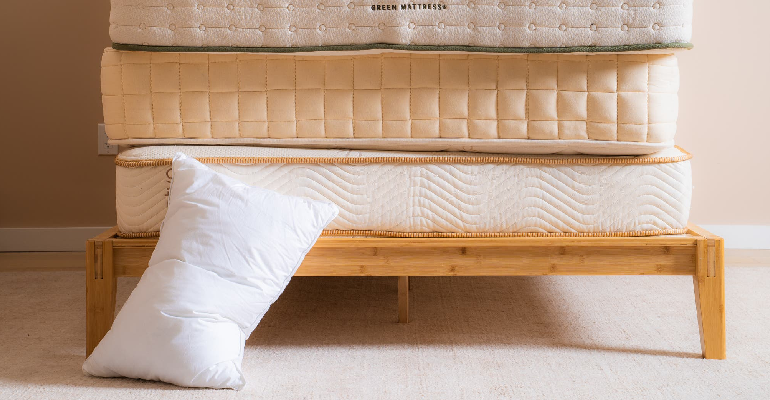
Mattress marketing is among the most misleading in consumer goods. Every brand claims to be the best sleep you’ve ever had. Every brand has a 100+ night trial, which sounds generous until you understand that returning a mattress involves scheduling a pickup (during working hours), potentially arranging disassembly and repackaging, and waiting weeks for a refund. The trial periods are real but they’re not as frictionless as the marketing implies, which means buying the right mattress rather than relying on the trial period to correct a wrong choice is still the better strategy. I’ve slept on a Casper Wave Hybrid, a Purple Hybrid Premier, a Saatva Classic, and a Nectar Memory Foam mattress — not all of them owned, some experienced over extended stays and compared to mattresses I know well. Here is the genuinely honest comparison. The mattress types and what they actually mean Memory foam mattresses conform closely to body shape, reduce motion transfer (important for couples), and retain heat (a genuine limitation for hot sleepers). The Tempur-Pedic PROADAPT and the Nectar Memory Foam are the reference products in this category. Innerspring mattresses have traditional coil support with a comfort layer on top. They sleep cooler than memory foam, have more bounce, and don’t conform as closely — which some sleepers specifically prefer. The Saatva Classic is the most recommended in this category for the online mattress market. Hybrid mattresses combine coil support with a memory foam or latex comfort layer. They sleep cooler than full memory foam, provide better edge support, and suit a wider range of sleeping positions. The Purple Hybrid Premier and Casper Wave Hybrid are the reference products. Latex mattresses use natural or synthetic latex for both support and comfort. They sleep cool, are responsive (bouncy) rather than conforming, and are the longest-lasting mattress type by typical lifespan measures. They’re also typically the most expensive and heaviest. Saatva Classic — for traditional spring feel at a fair price The Saatva Classic costs around $1,000-1,800 depending on size and comes in three firmness options (Plush Soft, Luxury Firm, and Firm). The coil-on-coil construction (individually wrapped coils over a tempered steel coil base) produces the traditional innerspring feel — responsive, bouncy, with good edge support — that mattress buyers who’ve grown up on spring mattresses often find more comfortable than memory foam. Saatva’s white glove delivery service (free) means the mattress arrives assembled, is set up in the room of your choice, and the old mattress is taken away. This is a meaningful logistical advantage over mattresses delivered in boxes that require unpacking, unrolling, and off-gassing before use. The Luxury Firm option (their most popular) provides a balanced support that suits most sleeping positions and most sleepers. Back sleepers specifically tend to rate the Saatva highly because the lumbar zone support is better calibrated than most foam mattresses. Purple Hybrid Premier — for hot sleepers specifically The Purple Hybrid Premier costs around $2,000-3,000 depending on size and is the specific recommendation for people who sleep hot and have been disappointed by memory foam’s heat retention. The Purple Grid — a hyper-elastic polymer grid rather than foam — doesn’t trap heat the way memory foam does and provides a pressure relief that’s genuinely different from both foam and spring alternatives. The sleeping experience on a Purple is distinctive and not universally loved. The grid creates a firmer feel than the softness score suggests — it doesn’t conform to body shape the way memory foam does, it supports it. Sleepers who expect a “sink in” feeling from a pressure-relief mattress sometimes find the Purple Grid too resistant. Sleepers who prefer to feel “on” the mattress rather than “in” it tend to love it. The motion isolation is good but not as complete as memory foam, which matters for couples where one partner moves significantly during sleep. Budget options worth considering — Nectar and Allswell The Nectar Memory Foam mattress costs around $500-900 depending on size and is the most consistently recommended budget memory foam option based on owner satisfaction surveys. It’s a medium-firm memory foam mattress with an adequate comfort layer that performs well above its price for pain relief, motion isolation, and general comfort for back and side sleepers. The limitations at this price: the edge support is mediocre (sitting on the edge of the bed or sleeping near the edge produces significant compression), the mattress retains heat more than premium foam options, and the long-term durability (over seven to ten years) is less established than Saatva or Purple. The Allswell Luxe Hybrid (around $400-600) is the budget hybrid recommendation — it provides the bounce and cooler sleep of a hybrid at a price significantly below Casper and Purple. For a college student, a guest room, or a first apartment where budget is genuinely constrained, the Allswell performs adequately and the price makes the stakes of an imperfect choice lower. The trial period reality 100-night sleep trials are standard in the online mattress category. What they actually involve: if you want to return within the trial period, you contact the company, they arrange a pickup, and once the mattress is received and inspected, your refund is processed. Most companies work with charities or disposal services for returned mattresses rather than reselling them. The experience of actually returning a mattress during a trial period is more inconvenient than the headline suggests — you need to be available for a pickup window (often a half-day), you may need to package the mattress (some companies handle this, others require it), and the refund timeline varies by company from days to weeks. This is not a reason to avoid buying a mattress online, but it’s a reason to do genuine research before buying rather than treating the trial as a no-cost correction mechanism.
Indoor Plants That Are Hard to Kill — Honest Guide for Beginners

I have killed plants in ways that should not be possible. I’ve overwatered things. I’ve underwatered things. I’ve put a cactus in a north-facing window and watched it slowly give up. I’ve bought a plant from a well-lit garden center and put it in a room that gets three hours of indirect light per day and wondered why it wasn’t thriving. I’ve done all the things that plant killers do. What changed was understanding that plant failure is almost never about not caring enough. It’s almost always about the wrong plant in the wrong conditions. A low-light plant in direct sun dies just as certainly as a sun-loving plant in a dark corner. Matching the plant to the conditions you can actually provide — not the conditions you wish you had — is the foundation of successful plant ownership. This guide is organized by the conditions you actually have, not by the plants that look best. For genuinely low light — north-facing rooms, interior spaces The Pothos (Epipremnum aureum) is the answer for spaces with low light. It tolerates neglect in a way that no other plant category matches — it will survive weeks without watering, months without fertilizer, and light conditions that would kill almost any other plant. The trailing habit is genuinely beautiful and the golden or marble variety in particular catches available light and looks expensive in a simple hanging planter or on a high shelf where the trails can fall freely. The Snake Plant (Sansevieria, now reclassified as Dracaena trifasciata) is the second recommendation for low light and the specific recommendation for people who travel frequently or water very irregularly. Snake plants store water in their leaves and can go three to four weeks without watering without visible stress. The architectural quality of their upright, structured leaves works in modern and traditional interiors equally. They produce oxygen at night, which is a claim made about many plants and true of fewer — snake plants genuinely continue photosynthesis at lower light levels, including at night, and are a genuine recommendation for bedrooms. The ZZ Plant (Zamioculcas zamiifolia) is the third genuinely low-light tolerant option. The waxy, dark green leaves are beautiful and distinctive, the plant grows slowly enough that it doesn’t outgrow its space quickly, and the rhizome root system stores water in a way that makes it remarkably drought tolerant. The ZZ plant caveat: it’s toxic to pets and people if ingested, which matters for households with cats, dogs, or small children. For medium indirect light — most interior rooms with decent windows The Monstera Deliciosa has become so ubiquitous in interior design content that it’s almost a cliché, but the cliché exists for reasons. A mature monstera in a large white ceramic pot is one of the most genuinely impressive plants a home can have — the split leaves are dramatic, the growth is reliable in medium indirect light, and the plant responds well to care without requiring expertise. Wipe the leaves with a damp cloth occasionally to remove dust and they’ll look better and photosynthesize more effectively. The Peace Lily (Spathiphyllum) produces white flowers that are genuinely beautiful and requires less light than its appearance suggests. It communicates when it needs water in the most direct way possible: it droops. Visibly and dramatically. Water it at this point and it recovers within hours. This feedback loop makes it genuinely hard to kill because it tells you what it needs rather than requiring you to develop a watering intuition. The Rubber Plant (Ficus elastica) in its burgundy or dark red variety is one of the best-looking indoor plants available and tolerates medium indirect light reliably. The large, glossy leaves are architectural in a way that smaller-leaved plants aren’t. Water when the top inch of soil is dry and provide adequate light and the rubber plant will grow steadily into a genuinely impressive interior feature. The watering mistakes that kill most plants Overwatering kills more houseplants than underwatering. The instinct to water regularly — on a schedule, because the plant looks like it might need it — produces root rot in plants that need to dry between waterings. The specific check before watering: push a finger an inch into the soil. If it’s damp, wait. If it’s dry, water thoroughly. Thorough watering — enough water that it runs out of the drainage hole — is better than light watering. Light watering only wets the top of the soil and encourages roots to grow upward toward the moisture rather than downward where they should be. Thorough watering followed by a period of drying produces a root system that can access more of the available soil volume. Drainage is not optional. Plants in pots without drainage holes, or in decorative pots without a drainage layer, accumulate water at the root zone that produces root rot regardless of watering frequency. A layer of pebbles at the bottom of a pot without drainage holes slows but does not prevent this problem. The correct solution is drainage holes.
Sustainable Fashion Brands That Actually Are — Not Just Marketing

The sustainable fashion category has a greenwashing problem that is significant and pervasive and worth naming directly before any list of recommendations. “Sustainable” as a marketing term in fashion has been stretched to cover so many things that it’s become nearly meaningless. A brand that uses recycled polyester in 10% of one product line is not a sustainable brand. A brand that offers a take-back program while continuing to manufacture at fast fashion volume is not a sustainable brand. A brand that uses organic cotton in their t-shirts but doesn’t address the carbon footprint of air-freight shipping is addressing one variable in a complex equation and calling it a solution. The honest assessment of the sustainable fashion space requires both directing you toward brands making genuine efforts and equipping you to evaluate sustainability claims critically rather than accepting them at face value. How to evaluate sustainability claims — before trusting any brand Third-party certification is more meaningful than self-declaration. The certifications worth looking for: B Corp certification (covers environmental and social performance, transparency, and legal accountability), GOTS (Global Organic Textile Standard, covers organic fiber content and processing), bluesign (covers manufacturing processes and chemical use), and Fair Trade certification (covers worker pay and conditions). Supply chain transparency is a more meaningful signal than marketing language. Brands that publish where their garments are made, by whom, and what those workers are paid are providing verifiable information. Brands that use vague language about “responsible sourcing” and “ethical manufacturing” without specifics are providing marketing copy. Business model matters as much as materials. A brand producing quality garments designed to last five to ten years is doing more for sustainability than a brand producing “sustainable” materials at fast fashion frequency and volume. The most sustainable garment is the one that doesn’t need to be replaced. Patagonia — the reference standard with genuine credentials Patagonia is the most credibly sustainable brand at scale, with a track record of environmental commitment that predates sustainability becoming a marketing category. The founding commitment, the 1% for the Planet pledge (1% of revenue donated to environmental organizations), the Worn Wear program (which repairs Patagonia products to extend their lifespan), and the 2022 decision to transfer company ownership to a charitable trust — these are business decisions made at real financial cost. The products reflect this philosophy: quality construction intended to last, repair services available, and warranty coverage that treats product longevity as a commitment rather than a marketing promise. A Patagonia fleece bought in 2010 still functions correctly because it was made to. This is the proof of concept that sustainable fashion requires and Patagonia provides it. The price is premium and justified by the quality. A Patagonia Synchilla fleece at $130 is a product that outlasts three or four fast fashion equivalents. Over its lifespan, the cost per wear calculation is competitive with cheap alternatives. Veja — genuine supply chain transparency in footwear Veja has been reviewed in the footwear section but merits mention here for supply chain transparency specifically. They publish their production costs, supply chain documentation, and environmental audit results on their website in a way that is unusually honest for a consumer brand. The fair trade cotton sourcing in Brazil, the wild Amazon rubber for soles, and the European production (Porto, Portugal) represent genuine choices with higher costs than conventional alternatives. The product quality substantiates the positioning — Veja sneakers are genuinely well-made and durable in a way that makes the sustainability credentials feel complementary to the product rather than compensatory for it. Eileen Fisher — longevity as a sustainability argument Eileen Fisher produces clothing that lasts. This sounds like a low bar but in the fashion industry it’s genuinely distinctive. The garments are constructed in quality materials with construction details that allow years of wear and washing without significant degradation. The brand’s take-back program (Renew) collects worn Eileen Fisher pieces, resells them as secondhand, and remakes severely damaged pieces into new garments. The aesthetic is specifically not trend-driven — the silhouettes and colors Eileen Fisher produces are intended to remain appropriate and wearable for years rather than seasons. This is the most honest form of sustainable fashion: making things that don’t need to be replaced. The price is significant, the brand is available widely secondhand at 20-40% of retail, and secondhand Eileen Fisher is one of the most reliable quality purchases in the secondhand market because the original garments are made to last.
How to Shop Wayfair Without Getting Burned — Specific Strategies That Work

Wayfair is genuinely useful and genuinely dangerous simultaneously, which is an unusual position for a furniture retailer to occupy. The range is extraordinary — if you need a specific piece of furniture in a specific size at a specific price, Wayfair almost certainly has it. The quality is wildly inconsistent in ways that make the same trust you’d extend to a conventional retailer completely inappropriate here. Understanding what Wayfair actually is — a marketplace hosting thousands of suppliers, not a manufacturer with consistent quality standards — is the foundation of shopping it well. Once you internalize that every product on Wayfair is from a different manufacturer with different quality standards, and that Wayfair exercises limited direct control over those standards, you start approaching individual purchases with appropriate skepticism rather than brand-level trust. Read the reviews correctly — not just the star rating The aggregate star rating on Wayfair is one of the least reliable single pieces of information on the page. The distribution of reviews matters more than the average. A product with a 4.3-star rating and 800 reviews might have 600 five-star reviews and 150 one-star reviews with nothing in between. This bimodal distribution means the product either worked or catastrophically didn’t, which tells you something specific about the failure mode — likely a quality control issue that produces some excellent units and some defective ones rather than a consistently mediocre product. Read the one-star and two-star reviews specifically and look for patterns. If fifteen negative reviews all mention the same specific problem (drawers don’t close properly, the color is dramatically different from the photo, the hardware stripped out immediately), that’s a reliable product-level issue rather than isolated user error. If the negative reviews are scattered and contradictory (some say too light, some say too dark; some say too large, some say too small), the product is probably fine and the reviews reflect individual mismatches rather than product defects. Customer photos over product photos — always The professional product photography on Wayfair is optimized to make things look as good as possible under controlled lighting conditions. The customer photos uploaded in the review section show the product in actual homes under actual lighting conditions. For rugs: the color difference between product photography and customer photos is frequently significant — warm tones photograph as cooler, what reads as ivory online often arrives as cream or even light beige in person. Look specifically for customer photos in rooms with similar flooring and lighting to yours. For furniture: customer photos reveal the actual quality of the finish, the real-world proportions (a sofa that looks generous in an empty white studio looks very different in a furnished room), and the construction quality in ways that product photography never shows. A dresser that looks solid in product photography and appears in a customer photo to have visible gaps at the drawer joints tells you something important. The return policy reality — know before you buy For smaller items (under a certain weight and size threshold), Wayfair’s returns are genuinely straightforward. For large furniture items — sofas, dressers, bed frames, large shelving units — the return process is genuinely complicated and potentially expensive. Large item returns on Wayfair typically require you to arrange and pay for return shipping, which for a sofa can cost hundreds of dollars — sometimes approaching or exceeding the purchase price of the item. Before buying any large piece of furniture on Wayfair, understand the specific return policy for that item and calculate the potential cost of returning it if it arrives wrong. The alternative strategy: use Wayfair for large furniture only when you’re confident (multiple detailed reviews, customer photos that closely match your expectations, measurements triple-checked against your space). Use Wayfair for smaller accessories, decorative items, and rugs where the stakes of a return are lower and the process is simpler. Way Day and sale timing — how to save meaningfully Way Day is Wayfair’s annual two-day sale event (typically in April or May) and it represents genuine discounts on already-reasonably-priced items. Unlike some retailers that inflate prices before sales, Wayfair’s sale pricing during Way Day represents real reductions from prices that have been tracked for weeks before the event. The strategy for Way Day: add items to your wishlist in the weeks before the event, screenshot or note the current prices, and verify during Way Day that the “sale” price is actually lower than the pre-sale price you tracked. Most items do get genuine discounts. A small percentage see artificial price inflation before the sale. Outside of Way Day: the Labor Day, Memorial Day, and Black Friday events offer comparable deals on furniture specifically. Rugs go on sale more frequently. Bedding and bath items go on sale most consistently.