HOME | Fashion | Beauty | Home Furnishing | Comparison | Top Reviews |
The work wardrobe challenge in 2026 is genuinely different from what it was a decade ago. Remote work, hybrid schedules, and the casualization of dress codes across most industries have produced a dress code vacuum that’s actually harder to navigate than formal dress codes were. When the rule was “business formal,” you knew exactly what to wear. When the rule is “smart casual” or “business casual” or “dress for your day,” you’re making a judgment call that requires more active thinking than following a prescribed standard.
The goal most people are actually reaching for: looking like you made an intentional choice about what to wear, without looking like you tried too hard, without looking underdressed for the context, and without spending significant money on a specific work wardrobe separate from your regular wardrobe.
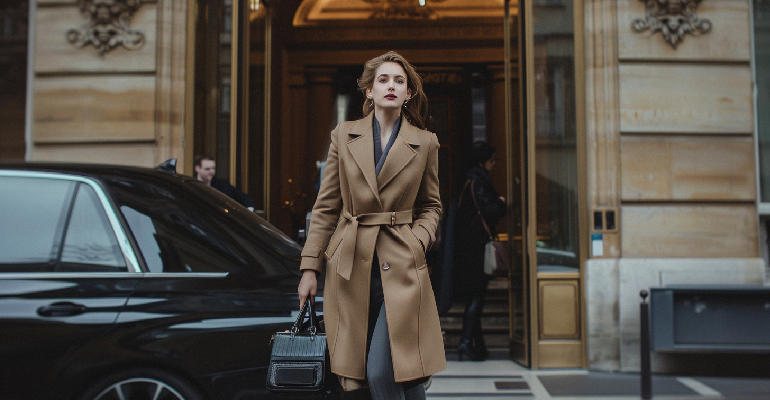
The simplest work dressing formula that produces consistently good results: one elevated piece plus two casual pieces. An excellent blazer with dark jeans and a simple t-shirt is a professional outfit. Well-fitted trousers with a quality merino sweater and clean sneakers works in most offices. A silk or silk-look blouse with straight-leg jeans and leather loafers covers most smart casual requirements.

The elevated piece is doing the work of signaling intentionality. The blazer, the silk blouse, the quality trouser — each of these makes everything else in the outfit look more considered. The casual pieces (the dark jeans, the simple knitwear) are what would be casual in isolation but become professional through the context the elevated piece provides.
A well-fitted blazer is the single most transformative piece in a work wardrobe because it elevates literally any outfit it’s added to. Jeans and a t-shirt plus a blazer is a professional outfit. Trousers and a blouse plus a blazer is a more formal professional outfit. The blazer is the elevated piece that makes the formula work.
The fit requirements for a professional blazer: the shoulder seam should sit exactly at the edge of the shoulder. The chest should close without pulling. The sleeve length should show approximately a quarter inch of shirt sleeve below it when wearing a collared shirt. These specifics, rather than any brand name or price point, are what make a blazer look expensive versus cheap.
Dark wash straight-leg jeans are the most useful casual piece in a professional context because they read as trousers at a distance. The straight leg is the cut that reads most formally. Dark wash without distressing is the wash that works in office contexts where light-wash or distressed denim would be too casual.
Quality leather loafers bridge the gap between formal and casual more effectively than any other shoe in a work context. A loafer reads as considered in a way that sneakers don’t, without the formality of a heel or a pointed-toe flat. The Gucci-style horsebit loafer has had a cultural moment that extends their professional acceptability; any quality leather loafer in black, tan, or camel works.
The paradox of looking polished without appearing to try: the outfit that looks effortless is typically the one most carefully edited, not the one assembled without thought. Effortless-looking outfits are usually: limited to two or three colors, restrained in pattern (one pattern maximum), proportionally balanced between fitted and relaxed elements, and finished with shoes and bag in materials that cohere with the overall register of the outfit.
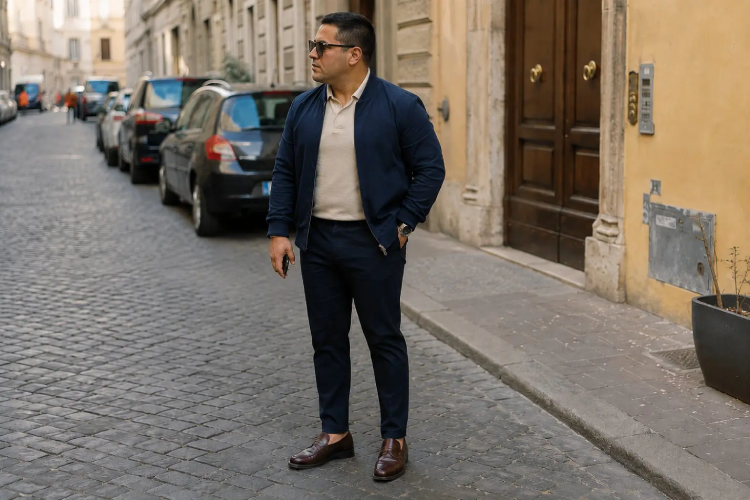
Effortful-looking outfits are usually: too many colors competing, too many patterns, fitted everywhere or relaxed everywhere without proportion variation, and shoes or bags in a register that doesn’t match the outfit’s overall tone.