HOME | Fashion | Beauty | Home Furnishing | Comparison | Top Reviews |
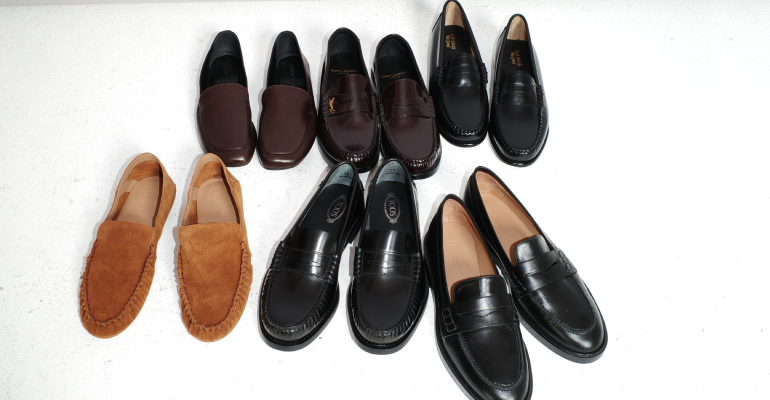
The loafer’s consistent presence in fashion across decades is not about trends. It’s about function — the loafer is the shoe that bridges more outfit contexts than any other flat shoe category. It works with tailored trousers in professional settings, with straight-leg jeans for weekend wear, under midi skirts for a more dressed-up casual look, and with socks in the way that has moved from ironic to genuinely considered in recent years.
A great pair of loafers is a wardrobe piece rather than a fashion piece — something that’s relevant and useful for years rather than a specific season. Which makes the quality argument more relevant here than in many other shoe categories.
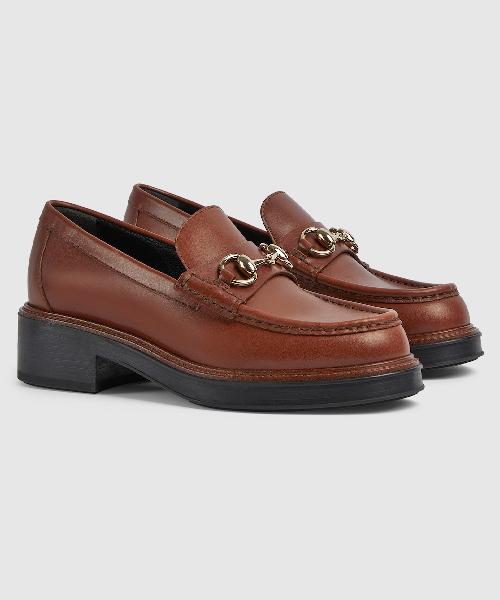
The Gucci 1953 Horsebit Loafer costs $895-1,000 and is the design that every loafer in the category references in some way. The horse-bit hardware — the metal bar through two rings on the vamp — has been on this shoe since 1953 and on no other shoe as authentically.
The leather quality is excellent, the construction is Italian, and the silhouette is the one that the entire category calibrates around. At full retail, the argument for ownership over alternatives is primarily about design authenticity and resale value — Gucci loafers have a robust secondhand market that makes them a better value proposition than most accessories at their price point.
Secondhand Gucci loafers in good condition appear regularly on The RealReal and Vestiaire Collective at 40-60% of retail. This is genuinely the most sensible way to own the reference product if the reference product is specifically what you want.
The Reformation Riley Loafer costs $280-320 and occupies the most useful middle ground in the loafer market: genuinely good quality construction in Italian leather, at a price that doesn’t require the deliberation that a four-figure shoe purchase does.
The silhouette is clean and proportionally close to the Gucci — pointed enough to be elegant, low enough to be comfortable, and with enough structure to hold its shape over years of wear. The leather is full-grain and the construction is solid at close inspection. After a season of regular wear, Riley loafers look like well-maintained quality shoes rather than like things that have been used. This is the correct outcome for the price.
The sizing runs slightly narrow in some models — people with wider feet consistently report needing a half-size up. Worth noting before ordering.
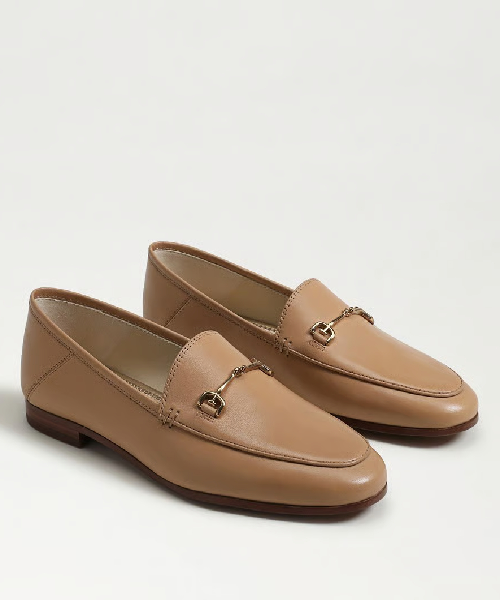
The Sam Edelman Loraine costs $80-100 and is the budget loafer that receives consistently positive long-term reviews rather than consistent enthusiasm that fades after the first few months. The synthetic leather upper is less luxurious than genuine leather but holds its shape reasonably well and cleans easily. The sole is comfortable and the heel height (a low block heel) makes them walkable for extended periods.
The honest limitation: after a year of regular wear, Sam Edelman loafers look visibly like budget shoes in ways that quality leather alternatives don’t. The synthetic material doesn’t age gracefully — it shows wear differently from leather and doesn’t develop the patina that makes quality leather shoes look better with age. They’re the correct choice for someone who wants the loafer aesthetic at an accessible price and is comfortable with the understanding that they’re a 1-2 year purchase rather than a 5-10 year one.
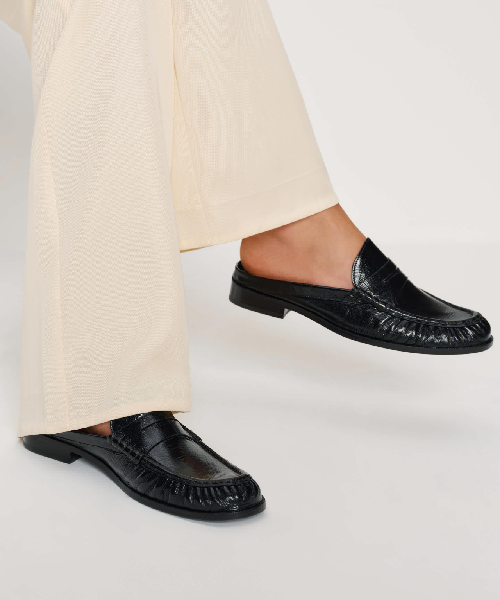
The reason quality loafers justify their price is the outfit range they cover. With socks (a substantial white crew sock or a slouchy knit sock) and wide-leg trousers — the combination that fashion editorial uses most often. With bare feet and a midi skirt for a polished casual look. With straight-leg jeans for everyday wear. With tailored trousers as a professional alternative to heels. The same pair of quality loafers participates in all of these outfit contexts, which means the per-wear cost calculation across a year of varied use is significantly more favorable than it appears at purchase.