HOME | Fashion | Beauty | Home Furnishing | Comparison | Top Reviews |

The sustainable fashion category has a greenwashing problem that is significant and pervasive and worth naming directly before any list of recommendations. “Sustainable” as a marketing term in fashion has been stretched to cover so many things that it’s become nearly meaningless. A brand that uses recycled polyester in 10% of one product line is not a sustainable brand. A brand that offers a take-back program while continuing to manufacture at fast fashion volume is not a sustainable brand. A brand that uses organic cotton in their t-shirts but doesn’t address the carbon footprint of air-freight shipping is addressing one variable in a complex equation and calling it a solution.
The honest assessment of the sustainable fashion space requires both directing you toward brands making genuine efforts and equipping you to evaluate sustainability claims critically rather than accepting them at face value.
Third-party certification is more meaningful than self-declaration. The certifications worth looking for: B Corp certification (covers environmental and social performance, transparency, and legal accountability), GOTS (Global Organic Textile Standard, covers organic fiber content and processing), bluesign (covers manufacturing processes and chemical use), and Fair Trade certification (covers worker pay and conditions).
Supply chain transparency is a more meaningful signal than marketing language. Brands that publish where their garments are made, by whom, and what those workers are paid are providing verifiable information. Brands that use vague language about “responsible sourcing” and “ethical manufacturing” without specifics are providing marketing copy.
Business model matters as much as materials. A brand producing quality garments designed to last five to ten years is doing more for sustainability than a brand producing “sustainable” materials at fast fashion frequency and volume. The most sustainable garment is the one that doesn’t need to be replaced.
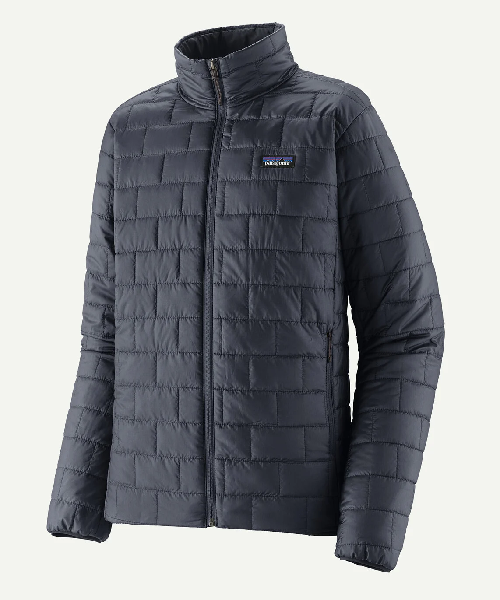
Patagonia is the most credibly sustainable brand at scale, with a track record of environmental commitment that predates sustainability becoming a marketing category. The founding commitment, the 1% for the Planet pledge (1% of revenue donated to environmental organizations), the Worn Wear program (which repairs Patagonia products to extend their lifespan), and the 2022 decision to transfer company ownership to a charitable trust — these are business decisions made at real financial cost.
The products reflect this philosophy: quality construction intended to last, repair services available, and warranty coverage that treats product longevity as a commitment rather than a marketing promise. A Patagonia fleece bought in 2010 still functions correctly because it was made to. This is the proof of concept that sustainable fashion requires and Patagonia provides it.
The price is premium and justified by the quality. A Patagonia Synchilla fleece at $130 is a product that outlasts three or four fast fashion equivalents. Over its lifespan, the cost per wear calculation is competitive with cheap alternatives.
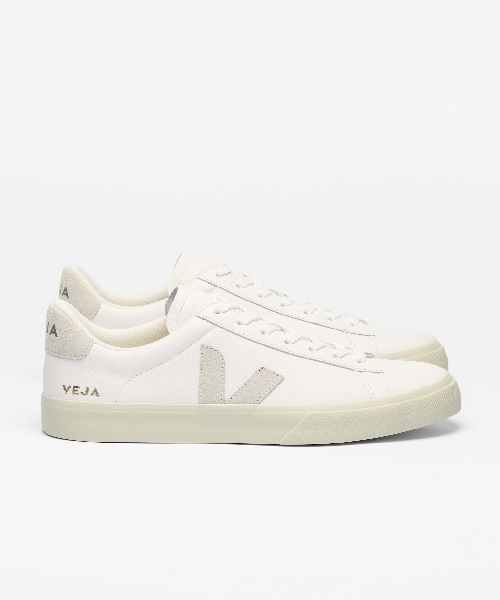
Veja has been reviewed in the footwear section but merits mention here for supply chain transparency specifically. They publish their production costs, supply chain documentation, and environmental audit results on their website in a way that is unusually honest for a consumer brand. The fair trade cotton sourcing in Brazil, the wild Amazon rubber for soles, and the European production (Porto, Portugal) represent genuine choices with higher costs than conventional alternatives.
The product quality substantiates the positioning — Veja sneakers are genuinely well-made and durable in a way that makes the sustainability credentials feel complementary to the product rather than compensatory for it.
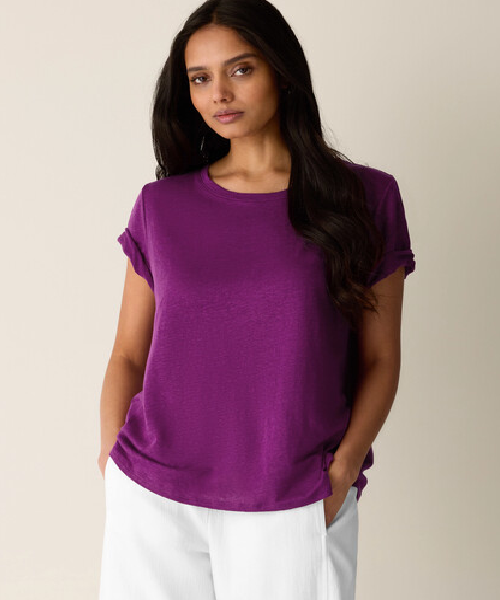
Eileen Fisher produces clothing that lasts. This sounds like a low bar but in the fashion industry it’s genuinely distinctive. The garments are constructed in quality materials with construction details that allow years of wear and washing without significant degradation. The brand’s take-back program (Renew) collects worn Eileen Fisher pieces, resells them as secondhand, and remakes severely damaged pieces into new garments.
The aesthetic is specifically not trend-driven — the silhouettes and colors Eileen Fisher produces are intended to remain appropriate and wearable for years rather than seasons. This is the most honest form of sustainable fashion: making things that don’t need to be replaced.
The price is significant, the brand is available widely secondhand at 20-40% of retail, and secondhand Eileen Fisher is one of the most reliable quality purchases in the secondhand market because the original garments are made to last.