HOME | Fashion | Beauty | Home Furnishing | Comparison | Top Reviews |
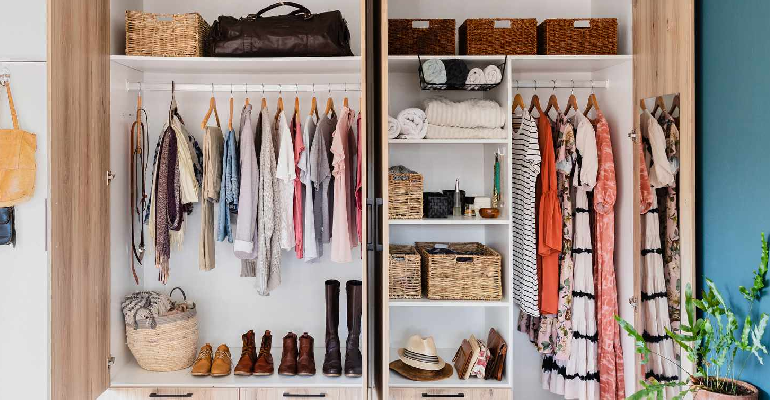
There’s a specific and consistent pattern in most people’s relationship with their wardrobes. The pattern: feel dissatisfied with what you own, shop to address the dissatisfaction, buy things that are either impulse purchases or aspirational purchases rather than practical ones, feel temporarily better, feel dissatisfied again within weeks because the core problem hasn’t been addressed, repeat.
This pattern produces a wardrobe that contains a lot of things that individually seemed like good ideas and collectively don’t work together. It produces the “full wardrobe, nothing to wear” experience that’s almost universal among people who shop frequently without strategy.
Intentional shopping is the alternative. It’s not about spending less necessarily — though it often produces lower total spending — it’s about making purchases that solve identified problems rather than purchases that create the feeling of having solved a problem.
Before any shopping session — online or in person — identify specifically what you’re looking for. Not a category (I need tops) but a specific item with specific requirements (I need a long-sleeve white t-shirt that’s not sheer, fits close to the body, and can be worn tucked into trousers).
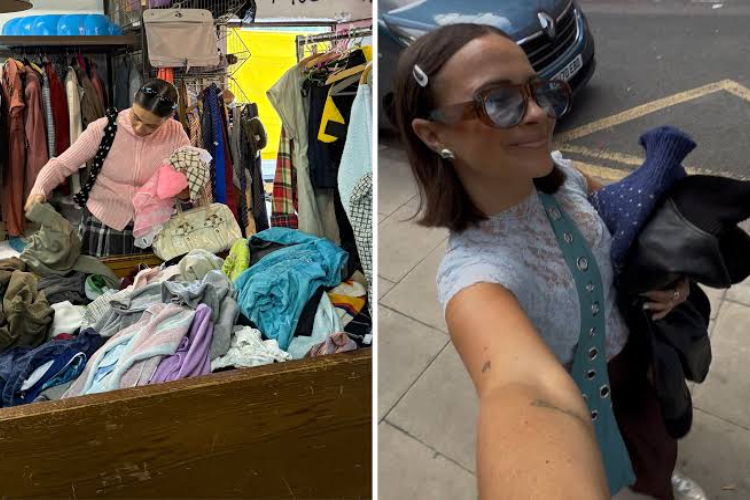
The specificity matters because it gives you a success criterion. Without a success criterion, every item you encounter is a potential purchase that has to be evaluated from scratch. With a specific requirement, you can evaluate quickly whether something meets the requirement or doesn’t.
The shopping list also reveals what you actually need versus what you find yourself drawn to. The act of writing down what the wardrobe actually lacks forces an honest assessment rather than the reactive mode of shopping in response to seeing things you like.
Before purchasing anything, ask: will I wear this thirty or more times? The thirty-wear threshold is borrowed from sustainable fashion but applies practically — if you genuinely cannot see yourself wearing something thirty times, you’re buying it for the novelty of the purchase rather than for the utility of the garment.
Most impulse purchases don’t survive this test. The brightly colored piece that’s interesting in the context of the store doesn’t survive imagining thirty specific mornings when you’d reach for it. The trend piece that’s compelling because everyone is wearing it right now doesn’t survive imagining wearing it on a regular Tuesday six months from now.
The pieces that survive the test are the ones that integrate with what you already own, suit the actual life you live, and address a real gap rather than an aspirational one.
Divide the cost of any item by the number of times you realistically expect to wear it. A $200 coat worn 100 times costs $2 per wear. A $30 dress worn twice costs $15 per wear. The cost-per-wear calculation reveals the actual economics of fashion purchasing in a way that sticker prices obscure.
The honest version of this calculation requires being realistic rather than aspirational about expected wear frequency. Not “I’ll wear this all the time” but “realistically, how often will I reach for this given what my life looks like, what my existing wardrobe looks like, and what I’ve actually worn this type of item in the past.”
For any non-essential purchase over a certain threshold (pick your own number — $50 is a reasonable starting point for most people), implement a 48-hour waiting period before buying. Leave the item in the cart, walk out of the store, and return to the decision two days later.

Most impulse purchases don’t survive 48 hours of consideration. The novelty of discovering something appealing fades quickly and the question of whether you actually need it becomes easier to answer honestly without the in-the-moment excitement of shopping.
The purchases that survive 48 hours are the purchases you actually want rather than the purchases you were caught up in wanting. These are more reliable additions to a wardrobe.