HOME | Fashion | Beauty | Home Furnishing | Comparison | Top Reviews |

A coat is the most consequential clothing purchase most people make, worn every day for four to six months, visible to the world as the outermost layer that everything else is built underneath. It’s also the purchase that most people under-invest in relative to its actual importance in their daily presentation.
I’ve owned coats across a wide price range. Here is what that experience actually produces in terms of which coats earn their price and which ones disappoint.
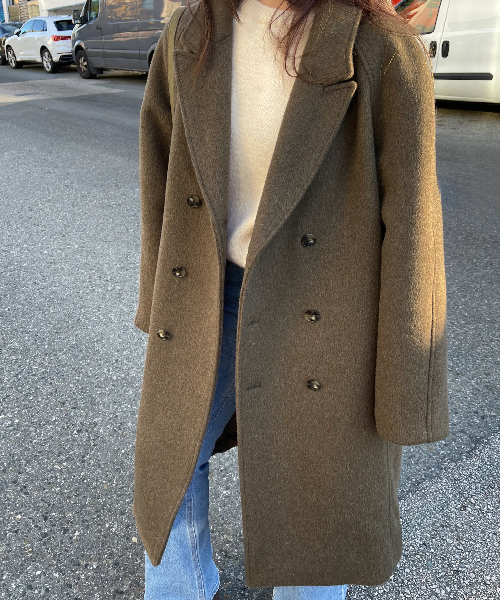
A quality wool-blend coat in a classic silhouette — straight or slightly A-line, knee length, solid color — is the most versatile outerwear investment because it works across the widest range of occasions and outfit contexts. Casual, professional, evening — the same wool coat works for all of them in a way that a puffer or a parka doesn’t.
The wool content matters. A coat labeled “wool blend” might be 30% wool and 70% polyester, which produces a coat that looks like wool briefly and begins to pill and lose its shape within months. A coat that’s 80-90% wool holds its shape, resists pilling, and maintains its appearance across years of wear. Check the label before purchasing at any price.
Max Mara makes the reference standard wool coat — the Manuela camel coat has been in production since 1981 and is genuinely that good. At $3,000+ it’s an aspirational purchase for most people, but the secondhand market is robust and well-supplied with Max Mara coats in excellent condition at 30-50% of retail. At those prices, the argument for the reference standard becomes much more accessible.
Arket (H&M’s quality-focused sub-brand) produces wool-blend coats at $350-500 that are well-made relative to their price. The wool content is higher than most accessible alternatives, the construction is clean, and the cuts are classic in the specific way that means they’ll look appropriate in five years as well as this winter. For a quality wool coat without the Max Mara price, Arket is the most consistent recommendation.
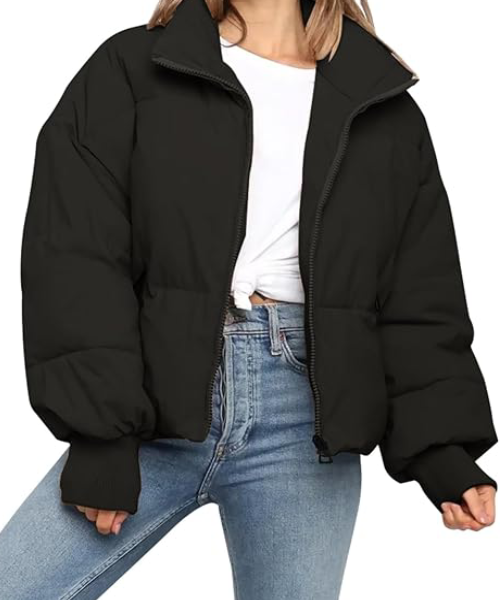
A puffer coat is the honest choice for genuinely cold climates or for people who prioritize warmth above all other considerations. Down insulation (rather than synthetic fill) produces warmth at a lower weight than any other insulation type, and a quality down puffer will keep you warm in temperatures that a wool coat simply can’t match.
The Canada Goose Expedition Parka ($900-1,000) is the reference standard for extreme-cold down outerwear and produces genuinely observable warmth advantages over cheaper alternatives. The fill power (625-fill), the construction, and the functional details (the fur ruff that creates a wind-sheltered zone around the face) are optimized for actual cold rather than cold-weather aesthetics.
The honest counter-point: if you live somewhere where temperatures rarely drop below -15°C, Canada Goose is significantly more coat than necessary. The Arc’teryx Cerium at $450 or the Uniqlo Ultra Light Down at $80 are both capable of handling typical urban winter cold while costing a fraction of the Canada Goose price.
Cos produces wool coats at $200-400 that are among the best-value quality coats in the accessible market. The construction reflects H&M Group’s manufacturing scale at Cos’s higher quality tier — the wool content is reasonable, the cuts are considered, and the pieces hold their shape across seasons in a way that fast fashion coats don’t.
Massimo Dutti (Inditex’s more premium brand) produces structured outerwear at similar prices to Cos with a slightly more formal aesthetic direction. Their belted wool coats and structured blazer-coats are well-made for their price and occupy the space between accessible high street and accessible premium.
The North Face for technical outerwear specifically — if waterproofing, wind protection, or packability is the priority rather than aesthetic, The North Face’s technical range produces genuine functional performance that fashion brands don’t prioritize.