High-Impact Sports Bras — Which Ones Actually Work
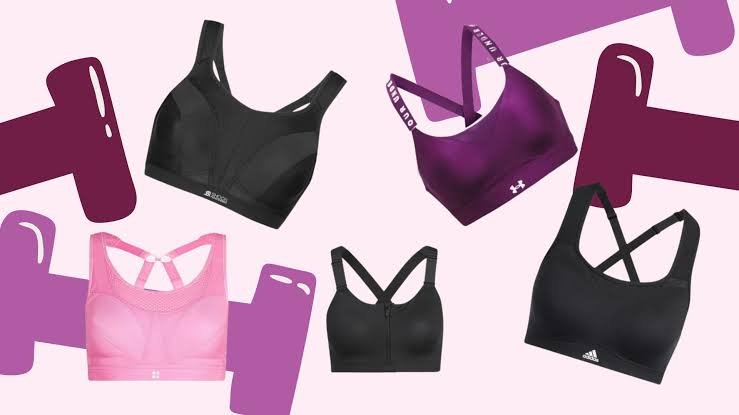
Sports bra reviews have a fundamental problem: most of them evaluate fit and appearance in a static position and call it testing. A sports bra that fits and looks excellent standing still in a fitting room can move, ride up, chafe, or fail to provide adequate support through an actual high-impact workout. The difference between a sports bra that works and one that doesn’t isn’t visible before you use it — it’s visible after twenty minutes of running. What follows is based on use during actual high-impact activity. Shock Absorber Ultimate Run Bra — the high-impact reference The Shock Absorber Ultimate Run Bra ($65-75) is what exercise physiologists consistently reference when asked about high-impact support. The brand was founded by a group of sports scientists specifically to address the inadequacy of existing sports bra support, and the encapsulation design (each breast supported independently in a cup structure, rather than compressed against the chest) is the approach that produces the best reduction of breast movement during running. Research from the University of Portsmouth — who have studied breast biomechanics during exercise more extensively than any other institution — consistently finds that poor sports bra support during high-impact exercise contributes to both short-term discomfort and long-term ligament stretching. The Shock Absorber is what their research group recommends. The aesthetic is functional rather than fashion-forward. This is not a sports bra that looks good under a sheer top. It’s a sports bra that provides exceptional support during high-impact exercise, which is the only thing a high-impact sports bra needs to do. Lululemon High-Neck Training Bra — for medium to large cup sizes The Lululemon High-Neck Training Bra ($68-78) is the recommendation within the fashion-activewear category for people who want better-than-average support alongside the aesthetic consideration that Lululemon is known for. The banded design provides compression across the full chest and the high neckline reduces movement in the vertical plane. For smaller cup sizes (A-C), this bra provides adequate support for most high-impact activities. For larger cup sizes (D+), the compression rather than encapsulation design provides less support than the Shock Absorber approach and the Lululemon is better suited to medium-impact activities. Nike FE/NOM Flyknit Bra — the innovation worth knowing about The Nike FE/NOM Flyknit ($75-85) uses a construction that’s more like a structural garment than a traditional bra — the Flyknit structure provides support through the fabric’s construction rather than through traditional cups and underwires. For runners specifically, the lightweight and absence of traditional hardware reduces the chafing and pressure points that conventional sports bras produce over longer distances. The support level suits smaller cup sizes in high-impact activities and medium cup sizes in medium-impact. The innovation is in the approach to construction rather than in maximum support capacity.
How to Read More Books When You Genuinely Have No Time

The reading advice that gets given most often is “just make time for it” — which is advice so general as to be useless. Of course you should make time for reading. Of course reading is good for you. The question is how, specifically, when the hours in your day are already spoken for by work, commuting, family, household management, and the basic requirements of being a person. I want to give you the specific version. The one that identifies where reading time actually comes from in a real schedule rather than the version that assumes you have untapped hours waiting to be allocated. Where reading time actually comes from The commute. If you travel to work by public transport, bus, or as a passenger in a car, you have reading time that most people spend on their phones. A thirty-minute commute each way is five hours per week — enough to finish a book every two weeks for most people. The phone is the competition for this time, and the phone almost always wins without deliberate choice. The specific change: have the book (physical or e-reader) already out before you sit down. The friction of taking out and opening a book is enough to choose the phone instead. Removing that friction changes the default. Before-sleep reading. Replacing the phone in bed with a book for thirty minutes before sleep is both a sleep quality improvement (blue light from screens interferes with melatonin production; reading a physical book does not) and a genuine thirty minutes of reading per day that adds up to three and a half hours per week. The Kindle Paperwhite, with its warm-light display adjustable to amber tones, is the e-reader compromise for people who find physical books impractical in bed. Audio books for non-reading time. Cooking, cleaning, commuting by car, exercising — time that can’t be reading time but can be listening time. Audible or Libby (the free library app) makes the book accessible in exactly the situations where you can’t be reading but can absorb content. This is contested as “real reading” in some communities and the controversy is somewhat silly — the goal is to encounter and absorb books, not to perform a specific physical activity. If audiobooks work for your schedule, use them. The book selection problem — why people stop reading Most reading habit failures aren’t about time. They’re about book selection. Choosing books that feel like they should be read rather than books you actually want to read produces the specific experience of picking up a book, reading three pages, putting it down, and not returning to it for two weeks before giving up on the project entirely. The permission to abandon books that aren’t working is more valuable than any time management advice for readers. Life is short and the number of books worth reading is large. A book that isn’t working for you at page fifty is unlikely to become the book that changes your reading life at page one hundred. Abandoning it and finding something better is not failure — it’s good editing. The best predictor of reading more books is reading books you genuinely want to read. This sounds obvious and is consistently ignored in favor of reading what seems important or impressive. The physical versus digital question Physical books produce better comprehension and retention in most studies. They’re also heavier, take up space, and are less convenient to carry. E-readers are lighter, hold thousands of books, and are convenient in most situations where physical books aren’t. Audiobooks are accessible in situations where neither is possible. The correct answer is whatever format you’ll actually use. The person who won’t carry a physical book on public transport but would use a Kindle reads more with a Kindle. The person who absorbs audio content well during exercise gets through more books with Audible. Format preferences are personal and consequential for whether you actually read. The one habit that compounds everything else Keeping a running list of books you want to read — not a complex tracking system, just a note on your phone with titles — means you never reach the end of a book and spend three weeks choosing the next one. The three-week gap between books is where reading habits dissolve. The list eliminates the gap: finish a book, start the next one immediately.
Running Shoes for Women — What Actually Matters, Honestly
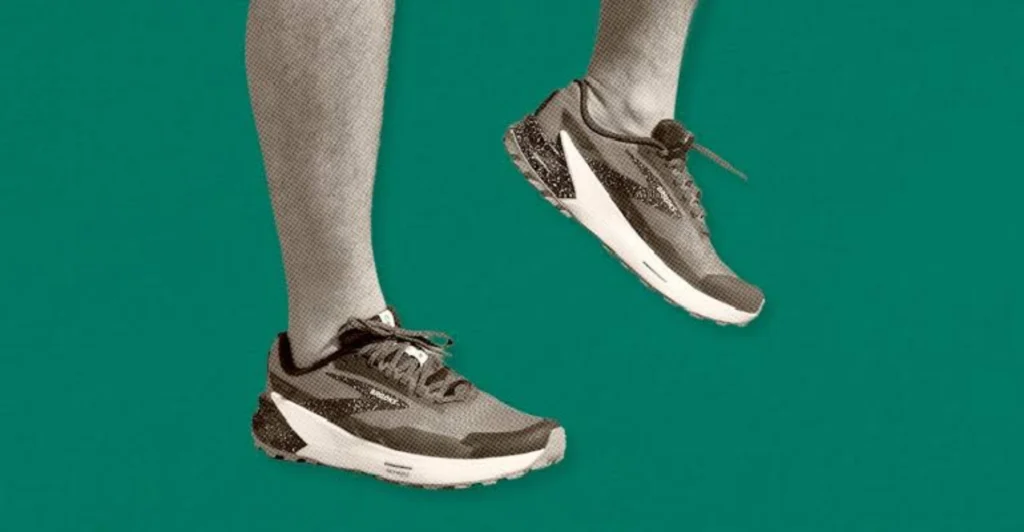
Running shoe selection is more individual than most categories of gear because running mechanics, foot shape, weekly mileage, and running surface all affect which shoe performs best for a specific person. The “best running shoe” for someone with a high arch, overpronating gait, and forty weekly miles on trails is a completely different product from the “best running shoe” for a beginner runner with neutral gait running ten miles per week on pavements. What follows is organized by category rather than ranking because the ranking depends on the individual variables more than on universal shoe quality. For maximum cushioning — HOKA Clifton 9 The HOKA Clifton 9 ($140) is the maximally cushioned daily trainer that changed what many people thought was possible in a cushioned shoe. Maximum cushion doesn’t mean maximum weight in current HOKA design — the Clifton is lighter than its cushioning would suggest, and the geometry of the midsole (curved, not flat) produces a rolling gait pattern that reduces the energy cost of each stride. For runners who develop knee or hip issues on standard-cushioned shoes, the additional cushion of the Clifton frequently resolves these issues. For longer distances where cumulative impact matters more than in a short run, the cushioning advantage is proportionally larger. The limitation: less ground feel than standard trainers, which some runners find reduces proprioception and ground responsiveness. For runners who run primarily by feel, the Clifton’s insulation from the ground is a disadvantage. For runners prioritizing comfort and impact reduction, it’s the product. For responsive daily training — Brooks Ghost 16 The Brooks Ghost has been consistently reviewed as one of the most versatile, reliable daily training shoes for over a decade and the Ghost 16 continues this without significant compromise. The DNA LOFT v2 cushioning provides a balance of cushioning and responsiveness that suits most neutral gait runners at most training distances. The Ghost fits a wide range of foot shapes — not too narrow, not too wide in standard width, with wider options available — and the upper construction is comfortable and breathable without being fragile. After several hundred miles, the midsole compresses gradually rather than collapsing suddenly, providing a reliable indication of when replacement is due. For a beginner runner choosing their first pair of proper running shoes with a neutral gait: the Ghost 16 is the safest recommendation because it suits the widest range of runners without specifically suiting any narrow category of them. For fashion-meets-function — On Cloudmonster 2 The On Cloudmonster 2 ($170) is the running shoe that’s become as much a lifestyle object as a performance shoe. The distinctive CloudTec sole — individual pods that compress on impact and release on toe-off — produces a running sensation that’s unlike standard cushioning and is either immediately appealing or requires adjustment depending on the runner. The performance is genuine — On’s CloudTec technology isn’t purely aesthetic and the shoes perform well for most training contexts. The heel-to-toe drop of 6mm is moderate, suited to most gait types, and the upper is well-constructed and comfortable. The lifestyle appeal is real and the running performance is adequate. For someone who wants running shoes that work well and also look good in non-running contexts, the Cloudmonster 2 or the Cloudstratus 4 are the products that genuinely achieve both. For overpronation specifically — Brooks Adrenaline GTS 24 Overpronation (inward rolling of the foot during the running stride) benefits from stability shoes that provide medial post support. The Brooks Adrenaline GTS 24 ($130) is the stability shoe most consistently recommended by running specialists and podiatrists for moderate overpronation — the GuideRails support system limits excess motion without overcorrecting. If you’ve been assessed by a running specialist or noticed medial wear on your current shoes (wearing through the inner heel and forefoot), a stability shoe may be appropriate. The Adrenaline is the starting point.
Morning Routine Ideas That Actually Improve Your Day — No 5am Wake-Up Required

The morning routine industrial complex has produced a specific fantasy: wake up at 5am, meditate for twenty minutes, exercise for forty-five minutes, journal three pages, make a complex breakfast, and arrive at your desk energized and optimized before most people have opened their eyes. The people who follow this routine in the content that documents it either don’t have children, don’t have long commutes, don’t work jobs that exhaust them by the time they reach their beds, or are paid to make the routine look achievable for people who are all three. The morning routine that’s actually useful is the one you can do consistently given the reality of your actual life. Inconsistent perfection is less valuable than consistent adequacy. What follows is built around that principle. The single most impactful morning change — handling your phone differently The average person checks their phone within three minutes of waking up. The consequence of doing this is that the first mental experience of the day is reactive — email, news, social media, other people’s demands and content — rather than chosen. The brain that wakes up in reactive mode carries that reactive quality into the first hours of the day in ways that are measurable in focus and mood. The single most impactful morning change most people can make requires no extra time: don’t look at your phone for the first thirty minutes after waking. This doesn’t require getting up earlier, doesn’t require a complex routine, doesn’t require any new habit beyond the removal of one. What it produces is a morning where the first mental content is chosen rather than received — whatever you think about during breakfast, in the shower, getting dressed — rather than immediately handed off to whatever arrived in your notifications overnight. The practical obstacle: most people use their phone as an alarm clock, which means it’s the first object they touch in the morning. A separate alarm clock (the Loftie is the aesthetic option at $150; a basic digital clock from any retailer is $15 and does the same job) removes the phone from the first moment of the morning and makes the thirty-minute separation significantly easier to maintain. The five-minute version of everything worth doing in the morning Exercise: five minutes of movement — stretching, a short yoga sequence, bodyweight exercises — done consistently every morning does more for daily energy and mood than a one-hour workout done three times a week. The five-minute version is achievable even on the worst mornings and creates the habit pattern that eventually expands into longer practice when time and energy allow. Journaling: three sentences rather than three pages. What do I need to do today? What am I thinking about? What would make today good? Three sentences, answered honestly, takes two minutes and produces the clarity that five-minute brain-dump journaling promises without the time requirement. Meditation: five minutes of sitting quietly with focused breathing is scientifically credible as a stress-reduction practice and doesn’t require a specific app, a specific posture, or a specific technique. The Headspace or Calm apps provide structured guidance; the simple practice of breathing in for four counts, holding for four counts, and breathing out for four counts for five minutes requires no app and produces genuine calm. The breakfast conversation — honestly A nutritious breakfast is a real recommendation with real evidence behind it for most people. Blood sugar stability from a protein-and-fiber-containing morning meal produces more consistent energy across the morning than a high-sugar breakfast or no breakfast at all. The honest caveat: intermittent fasting (specifically time-restricted eating where breakfast is skipped or delayed) works well for some people and produces stable energy and sustained focus in the morning hours. There is genuine individual variation in how people respond to breakfast timing. If you’ve always naturally not been hungry in the morning and have functioned well without breakfast, the prescriptive advice to eat breakfast is not serving your specific biology. What does consistently work regardless of when you eat: staying adequately hydrated in the morning. Coffee and tea are diuretics; a glass of water before or alongside them compensates for this and addresses the mild dehydration that accumulates overnight in most people. Building consistency — the piece most morning routine advice skips A morning routine that you follow five days a week for a year is more valuable than a perfect morning routine followed for three weeks before life disrupts it and you abandon it entirely. The design question isn’t “what’s the ideal morning” — it’s “what’s the minimum version of this I’ll actually do on the hardest mornings?” Identify the one or two habits that you’d maintain even on the mornings when you wake up late, when something went wrong the night before, when you’re exhausted. These are the habits worth protecting. Everything else is the version for good mornings that you expand into when conditions allow.
Yoga Pants for Women — Tested In Actual Classes, Not Just Photographed
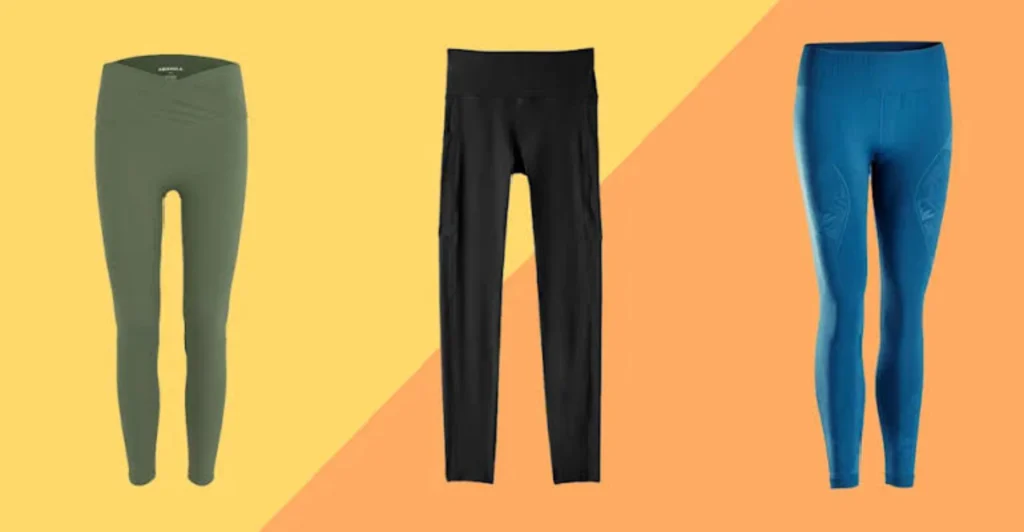
The yoga pants category has a specific testing problem: most reviews are written by people who wore the leggings a few times for the photo and wrote about initial impressions. Initial impressions from a soft fabric in a flattering cut are reliably positive. What you can’t know from initial impressions: whether the fabric will pill at the inner thigh after twelve washes, whether the waistband rolls down in a downward dog, whether the material becomes see-through in a forward fold. I’ve practiced yoga three to four times per week for several years. Here is what that specific use produces as an assessment of which yoga pants are genuinely worth buying. Lululemon Align — the reference for a reason The Lululemon Align in Nulu fabric is what every other yoga legging is compared to and the comparison usually doesn’t favor the alternatives. The Nulu fabric is lighter and softer than any other fabric in the category — not just different, but specifically better for the requirements of yoga practice: stretch in multiple directions without restriction, enough density that the fabric doesn’t become translucent under studio lighting, and enough structure that it holds its position without constant adjustment during flow sequences. The waistband doesn’t roll. The seams don’t dig. The fabric doesn’t restrict movement in hip openers, splits, or any of the more extreme range-of-motion positions that yoga requires. These are the specific functional requirements of yoga leggings and the Align meets all of them more completely than anything else I’ve tested at any price point. The price ($98-118 depending on length) is significant. The quality justification is real. If you practice yoga regularly enough that the quality of your leggings affects your practice, the Align is worth it. If you practice occasionally and any comfortable legging will do, there are better uses for $100. Alo Yoga High-Waist Airbrush — for the more structured preference The Alo Airbrush ($114-128) provides more compression than the Align — noticeably more, in a way that’s either the appeal or the limitation depending on preference. For dynamic, flow-heavy yoga styles (vinyasa, power yoga) where movement is quick and repetitive, the additional structure keeps everything in place with less shift than the Align’s softer construction. For restorative or yin yoga — slower styles where you hold positions for extended periods — the Align’s softer, less compressive fabric is more comfortable over time. The Airbrush’s compression in a ninety-second yin hold can feel more restrictive than the practice warrants. The Airbrush also photographs better than the Align. The slight sheen, the structured silhouette, the way it photographs in studio lighting — for people who care about how they look in practice, the Airbrush has an aesthetic edge. Girlfriend Collective Compressive High-Rise — the sustainable alternative The Girlfriend Collective Compressive High-Rise ($68-78) is made from recycled water bottles in a genuinely compressed fabric that performs well for active yoga practice. The compression is between the Align and the Airbrush — more than the Align, less than the Airbrush — and suits most yoga styles without being specifically optimal for any of them. The waistband is particularly well-engineered for yoga — wide, high-rise, non-roll, and comfortable against skin during inversions and positions where waistband placement is more noticeable. The body of the legging moves well and the fabric doesn’t shift during practice. At $68-78, the Girlfriend Collective offers more performance per dollar than either Lululemon or Alo for yoga specifically, with the added context of better environmental credentials in the construction. What to look for in yoga leggings specifically The squat test is necessary. Hold the fabric up to a light source and stretch it to the degree it stretches during a forward fold. If it becomes translucent or the pattern (if any) becomes visible through it, it will be see-through in a forward fold in a lit studio. This matters. The waistband width matters more for yoga than for other activities. A narrow waistband rolls during inversions, downward dogs, and hip flexor stretches. A wide, high-rise waistband stays in position through all of these. Four-way stretch is necessary for yoga. Fabrics that stretch only in one or two directions restrict movement in the positions yoga requires. Running leggings optimized for forward movement don’t translate to yoga practice.
ASOS Honest Review — How to Shop It Well and What to Avoid
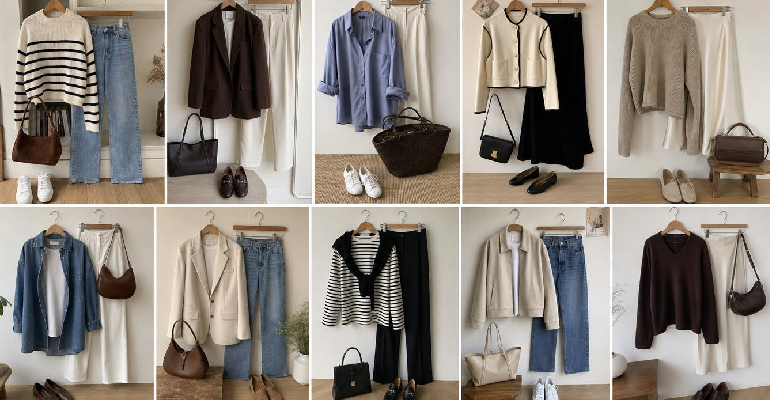
ASOS has a specific role in most fashion-conscious shoppers’ lives: it’s where you go when you need something specific that nobody else has, when you want trend pieces at prices that don’t require commitment, or when you’re searching across multiple brands simultaneously and want to buy from one place. It’s also where you sometimes spend £40 on something that arrives looking nothing like the photographs, and the experience of returning it is more friction than you expected. Understanding ASOS for what it actually is — one of the world’s largest fashion marketplaces hosting both their own label products and products from hundreds of third-party brands — is the foundation of shopping it well. What ASOS actually is — the marketplace reality ASOS sells its own label products (ASOS Design, ASOS Edition, ASOS Curve, and various sub-brands) alongside products from third-party brands including Nike, Topshop (which ASOS now owns), Weekday, Dr. Martens, New Balance, and hundreds of smaller brands. These products are from completely different manufacturing sources with completely different quality standards. The consequence: there is no consistent quality level across ASOS. A Nike jacket and an ASOS Design dress are both on the same website but their quality has nothing to do with each other. Trusting “ASOS” as a quality guarantee rather than as a platform hosting many different products is the primary mistake in shopping the site. ASOS own label — what’s worth buying The ASOS Design basics — plain t-shirts, simple jersey pieces, basic knitwear — are where the own label performs best relative to price. A £12 ASOS plain white t-shirt is a £12 white t-shirt: it wears well for a year or so, doesn’t last indefinitely, and is priced correctly for what it is. Buying ASOS basics with realistic expectations of lifespan produces satisfaction. Buying them expecting the quality of something ten times the price produces disappointment. ASOS Edition (their more premium own-label line) occupies a different space — pieces designed for events and occasions in better materials. The construction is more intentional and the prices reflect this (£60-150 rather than £15-40). For occasion wear specifically, ASOS Edition has a track record of producing genuinely good-looking pieces at prices that make single-occasion purchases less financially painful. The ASOS premium leather shoes and boots receive more positive long-term reviews than the own-label clothing — the leather quality in their premium footwear is above what the price would predict, and durability reviews after a year of wear are positive. This is a specific category worth knowing about. Shopping the third-party brands effectively When buying third-party brands on ASOS, you’re buying the brand’s product at ASOS’s convenience (one checkout, one delivery) with ASOS’s returns process. The quality is entirely that brand’s quality rather than anything ASOS-specific. The advantage of buying brands on ASOS: often ASOS has access to sizes and styles that the brand’s own website has sold out of. ASOS frequently holds stock of discontinued colorways. The multi-brand search makes comparing options from multiple brands simultaneously fast. The disadvantage: some brands ship from their own warehouses when ordered through ASOS, which means delivery times and return processes vary and aren’t always the seamless ASOS experience. The returns process — honest assessment ASOS’s returns policy is free within 45 days in most markets and the process is functional: initiate online, drop off at a returns point, wait for processing. The friction is in the wait — ASOS returns can take 10-21 days to process and refund, which is slow compared to the fastest returners in online retail. ASOS’s returns policy is free within 45 days in most markets and the process is functional: initiate online, drop off at a returns point, wait for processing. The friction is in the wait — ASOS returns can take 10-21 days to process and refund, which is slow compared to the fastest returners in online retail. The sizing inconsistency is real across both own-label and third-party products. Checking the size guide for each specific item (not the category, the specific item) and reading reviews that mention fit is essential because an ASOS size 12 dress and an ASOS size 12 blazer may not fit the same way, and a third-party brand’s size 12 on ASOS follows that brand’s own sizing rather than ASOS’s. The honest summary ASOS is most useful for: specific trend pieces at prices that match the temporal nature of trend purchases, multi-brand search and comparison, brands that aren’t available in your local market, occasion wear that needs to look good once rather than last for years, and extended sizing options that many brands don’t make directly accessible. ASOS is least useful for: wardrobe foundation pieces that need to last, anything where consistent quality is the priority, situations where the returns process being slow would cause real problems. Used with appropriate expectations and appropriate knowledge of what each product category actually delivers, ASOS is a genuinely useful shopping resource. Used with the trust you’d extend to a single brand with consistent quality standards, it will consistently disappoint.
How to Style a Bookshelf Like a Designer — The Method That Actually Works
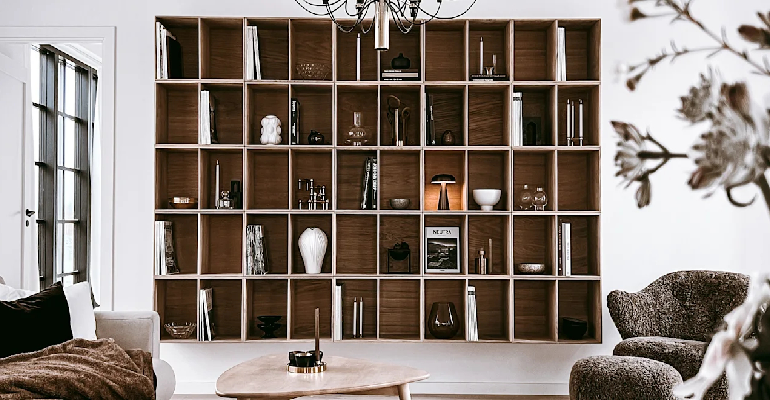
Most bookshelves in most homes look like storage. This is fine — storage is the point. But there’s a version of the bookshelf that does two things simultaneously: stores books and functions as one of the most interesting, personal, visually rich elements in the room. The distinction between the two is almost entirely in approach rather than in the objects being shelved. Designers who style bookshelves professionally follow a method rather than an instinct. The method is learnable and it produces consistent results regardless of the specific books, objects, and accessories being used. Here it is. Step one — empty everything and start over The bookshelf that looks good after editing is almost never the bookshelf that looked bad before it. The impulse is to rearrange what’s already there rather than starting fresh. Rearranging existing disorder produces organized disorder rather than something that looks intentional. Remove everything. Put it all on the floor. This is uncomfortable because it means committing to the process before seeing any results, but it’s the step that makes the outcome possible. Step two — decide what’s actually going on the shelf Not every book needs to be on display. Not every object that has been on the shelf needs to return. This is the editing step — removing things from the shelf equation that aren’t earning their place. Books you’ve finished, didn’t particularly like, or haven’t touched in years don’t need prime visual real estate. They can go in storage, in a bedroom, or donated. The books that stay on the featured bookshelf should be ones you’d be happy to have a guest pull down, ones that say something about you you’d want said, or ones that are genuinely beautiful as objects. Decorative objects compete for space with books. The question for each object: does it add to the visual story of this shelf or does it occupy space without contributing? Objects that don’t earn their place go elsewhere. Step three — organize by visual rhythm, not alphabetically Alphabetical book organization is efficient and visually monotonous. Color organization — all books arranged by the color of their spines, creating gradient effects — is visually striking and practically useless if you ever need to find a specific book. Neither extreme is the answer for a styled bookshelf. The approach that works: organize in sections defined by size and orientation. Vertical books on one section, horizontal stacked books on another. Varying height creates rhythm — tall books, medium books, a short section with an object on top, then tall books again. The eye moves through the shelf rather than scanning across a uniform row. Spine-out books alternate with books stacked horizontally, which alternate with sections of objects, which alternate with plants or framed art leaning against the back of the shelf. This horizontal variation is what makes the shelf look designed rather than loaded. The specific elements that make a bookshelf look designed Negative space — empty areas, or areas occupied by a single object against the background of the shelf — is as important as filled areas. The instinct is to fill every available inch. Bookshelves that look considered almost always have some breathing room: a shelf that’s two-thirds full with one or two objects on an otherwise clear surface, a gap between sections. Objects in odd numbers. Three small objects grouped together look collected. Four look forced. One large object makes a statement. Two objects look like they need a third. The plant that’s small enough to sit on a shelf — a trailing pothos in a small pot that sits on the shelf and lets a tendril fall over the edge, a small succulent in a pretty pot — adds life and organic texture that no book or decorative object replicates. Framed photos or small artworks leaning against the back of the shelf (rather than hung on the wall, which reads differently) create a layered depth that flat rows of books don’t have. The two things that make the biggest single difference A consistent color palette in the objects. The shelf that looks designed usually has objects that share one or two color themes — all ceramics in the same earth-tone family, all metallics in the same warm or cool tone. Objects in five different unrelated colors produce visual confusion. Variety in height and format. The shelf that has only vertical books at consistent height looks like a library card catalog. Introducing one or two horizontal stacks, one or two objects of different heights, one or two plants — the variety in height and format is what the eye reads as interesting rather than uniform.
Bed Sheets — Tested Honestly, Not Sponsored
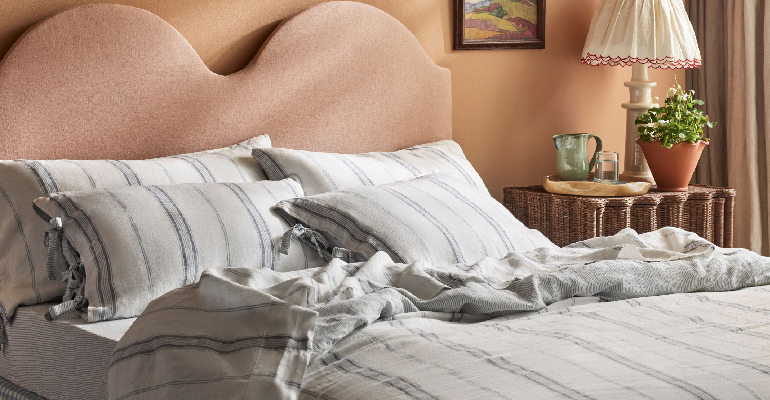
The bed sheet category has a specific marketing problem: thread count. Thread count — the number of threads per square inch of fabric — became the shorthand for sheet quality in the 1990s and has been used as a marketing number ever since in ways that are increasingly disconnected from actual quality. You can have 1,200 thread count sheets that feel scratchy and pill immediately, and you can have 300 thread count sheets that feel genuinely luxurious and last for years. Thread count is one variable in a fabric equation that includes fiber quality, weave type, and finishing — the other variables matter more. Here is the honest review of the sheets that are actually worth buying and why. Parachute Venice Percale — the one that gets better with washing The Parachute Venice percale sheet set costs around $150-200 for a queen size. Percale is a plain weave (one-over-one-under) that produces a crisp, breathable fabric with a matte finish. The Venice specifically uses long-staple Egyptian cotton at a 200 thread count — which sounds modest until you understand that 200 thread count in long-staple Egyptian cotton produces a higher quality fabric than 800 thread count in lower-quality short-staple cotton. The distinguishing characteristic of the Parachute Venice is how it improves with washing. Most sheets feel best when new and gradually get less impressive. The Venice feels slightly crisp when new and softens into something genuinely exceptional by the sixth or seventh wash. Eight-month-old Venice sheets feel better than day-one Venice sheets. This is a quality of very good cotton and a characteristic that budget sheets specifically don’t share — budget sheets soften initially and then begin to thin and pill. The temperature profile: percale breathes well. For hot sleepers, percale is the correct weave. For cold sleepers or anyone who prefers the smooth, heavy feel of sateen, look elsewhere. Brooklinen Classic Core — the value comparison Brooklinen’s Classic Core percale costs around $100-150 for a queen set and performs genuinely well at its price point. The thread count is 270, the cotton is long-staple, and the finish is clean. It softens with washing similarly to the Parachute Venice, though in my comparison the Parachute feels marginally superior at peak softness. The practical recommendation: for a first upgrade from standard department-store sheets, the Brooklinen Classic Core is the correct starting point because the price makes the decision lower-stakes and the quality is genuine. For a second upgrade or for someone specifically investing in their sleep environment, the Parachute Venice’s quality ceiling is higher. The Brooklinen Luxe sateen is worth separate mention for people who specifically want the silky, smooth feel of sateen. It’s heavier and warmer than percale, sleeps hotter, and feels more hotel-like in the way that most people’s mental image of luxury sheets is based on sateen. The Luxe Core sateen runs around $130-160 and is consistently reviewed positively for the specific sleep experience it produces. Budget options — what’s actually good under $60 The Amazon Basics Lightweight Super Soft Easy Care Fitted Sheet set (around $25-35) receives better reviews than it should for a product at its price. It’s microfiber, not cotton, which has a different feel — slippery and smooth rather than crisp — and the quality ceiling is lower than cotton. But for a guest room, a child’s room, or any situation where budget is genuinely constrained, it performs adequately. The Threshold Performance Sheet Set from Target (around $45-55 for a full set) is the most consistently recommended budget cotton option. The thread count is 400 in OEKO-TEX certified cotton, the weave is smooth, and the durability after multiple washings is above what the price would predict. For someone not yet ready to invest in Parachute or Brooklinen, the Target Threshold set is the honest starting point. What to look for — the non-thread-count factors Fiber: long-staple cotton (Egyptian or Pima) is genuinely better than standard cotton. The longer fibers produce a smoother, stronger fabric that pills less. “Egyptian cotton” on a label is not automatically meaningful — the fiber length and quality matter within that designation. Weave: percale for breathable, crisp, cool sleep. Sateen for smooth, slightly warmer, heavier feel. Linen for maximum breathability and the most temperature-regulating option. Certification: OEKO-TEX certification means the fabric has been tested for harmful substances. It’s a meaningful quality and safety signal, particularly for sheets that are in direct contact with skin for eight hours per day.
Loafers for Women — Honest Reviews Across Price Points
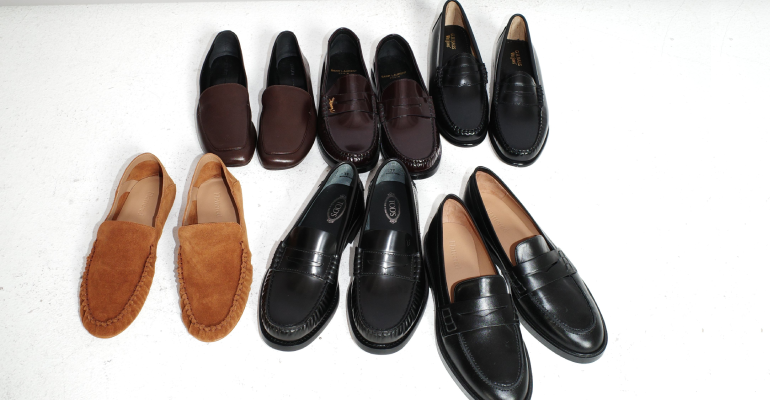
The loafer’s consistent presence in fashion across decades is not about trends. It’s about function — the loafer is the shoe that bridges more outfit contexts than any other flat shoe category. It works with tailored trousers in professional settings, with straight-leg jeans for weekend wear, under midi skirts for a more dressed-up casual look, and with socks in the way that has moved from ironic to genuinely considered in recent years. A great pair of loafers is a wardrobe piece rather than a fashion piece — something that’s relevant and useful for years rather than a specific season. Which makes the quality argument more relevant here than in many other shoe categories. The Gucci Horsebit Loafer — when the original makes sense The Gucci 1953 Horsebit Loafer costs $895-1,000 and is the design that every loafer in the category references in some way. The horse-bit hardware — the metal bar through two rings on the vamp — has been on this shoe since 1953 and on no other shoe as authentically. The leather quality is excellent, the construction is Italian, and the silhouette is the one that the entire category calibrates around. At full retail, the argument for ownership over alternatives is primarily about design authenticity and resale value — Gucci loafers have a robust secondhand market that makes them a better value proposition than most accessories at their price point. Secondhand Gucci loafers in good condition appear regularly on The RealReal and Vestiaire Collective at 40-60% of retail. This is genuinely the most sensible way to own the reference product if the reference product is specifically what you want. Reformation Riley Loafer — the quality alternative at a third of the price The Reformation Riley Loafer costs $280-320 and occupies the most useful middle ground in the loafer market: genuinely good quality construction in Italian leather, at a price that doesn’t require the deliberation that a four-figure shoe purchase does. The silhouette is clean and proportionally close to the Gucci — pointed enough to be elegant, low enough to be comfortable, and with enough structure to hold its shape over years of wear. The leather is full-grain and the construction is solid at close inspection. After a season of regular wear, Riley loafers look like well-maintained quality shoes rather than like things that have been used. This is the correct outcome for the price. The sizing runs slightly narrow in some models — people with wider feet consistently report needing a half-size up. Worth noting before ordering. Sam Edelman Loraine Loafer — the honest budget option The Sam Edelman Loraine costs $80-100 and is the budget loafer that receives consistently positive long-term reviews rather than consistent enthusiasm that fades after the first few months. The synthetic leather upper is less luxurious than genuine leather but holds its shape reasonably well and cleans easily. The sole is comfortable and the heel height (a low block heel) makes them walkable for extended periods. The honest limitation: after a year of regular wear, Sam Edelman loafers look visibly like budget shoes in ways that quality leather alternatives don’t. The synthetic material doesn’t age gracefully — it shows wear differently from leather and doesn’t develop the patina that makes quality leather shoes look better with age. They’re the correct choice for someone who wants the loafer aesthetic at an accessible price and is comfortable with the understanding that they’re a 1-2 year purchase rather than a 5-10 year one. The styling versatility that makes loafers worth investing in The reason quality loafers justify their price is the outfit range they cover. With socks (a substantial white crew sock or a slouchy knit sock) and wide-leg trousers — the combination that fashion editorial uses most often. With bare feet and a midi skirt for a polished casual look. With straight-leg jeans for everyday wear. With tailored trousers as a professional alternative to heels. The same pair of quality loafers participates in all of these outfit contexts, which means the per-wear cost calculation across a year of varied use is significantly more favorable than it appears at purchase.
How to Decorate a Rental Apartment Without Damaging Anything

The rental apartment decorating challenge is specific: you want the space to feel like your home, not a temporary situation. You want to express your aesthetic without paying for it at the end of the lease. You want to make it genuinely comfortable without risking the deposit. The solutions available now are meaningfully better than the solutions that existed five years ago. Command strips have evolved. Removable wallpaper has gotten genuinely good. Renter-specific products have developed into a real category. And there are strategies that require no products at all and no holes in walls that dramatically change how a space feels. Walls without holes — what actually works Removable wallpaper has improved dramatically and the best current options are genuinely indistinguishable from regular wallpaper in photographs and nearly indistinguishable in person. Tempaper is the reference brand — peel and stick, repositionable while wet, removable cleanly from most surfaces. The range includes everything from subtle textured patterns to bold geometric designs to botanical prints. The application process requires patience rather than skill: a clean, smooth wall (wash and dry before application), careful alignment at the first panel, a squeegee or credit card to eliminate bubbles. Done correctly, Tempaper wallpaper looks as intentional as permanent wallpaper and removes without damage. For an accent wall in a rental bedroom, a textured Tempaper application in a warm neutral transforms the room as completely as paint would and reverses in an afternoon when moving out. Removable wall panels — the 3D textured panels that apply like giant tiles — have become a genuine design statement rather than a gimmick. The NovaBel and STIKWOOD panel systems use peel-and-stick application and produce a wood, tile, or brick effect that photographs beautifully and removes cleanly. Command strips and hooks — used correctly Command strips work. They also fail when misapplied in specific and consistent ways: applied to surfaces that aren’t clean and dry, applied to textured surfaces, pulled off without following the removal process, or loaded beyond their weight rating. The removal process is the thing most people get wrong: you pull the tab straight down slowly against the wall, stretching the strip until it releases from the surface. Pulling the frame or hook outward before doing this pulls paint. Every Command strip damage story I’ve ever heard involves not following this process. The weight ratings are real. A strip rated for five pounds loaded with eight pounds will fail eventually. Plan your frames and hanging objects and buy strips rated for what you’re actually hanging. Furniture and textiles — the tools that do most of the decorating Most of the transformation of a rental comes not from what’s on the walls but from the furniture arrangement, the textiles, and the objects in the space. A rental with a large rug, quality throw pillows, good lighting, and intentional furniture placement looks like someone’s home. A rental without these things looks like a rental. The sofa cover is underrated as a rental tool. If a rental comes furnished with a sofa that’s not to your taste, a well-fitted sofa cover (the Chun Yi sofa covers from Amazon receive consistent reviews for fit and quality) transforms the piece for under $50. Fitted covers look significantly better than draped throws, which look improvised. Curtains — hung as high as the curtain rod allows, falling to the floor — are the rental upgrade that most dramatically changes the feeling of a space. The landlord’s curtain hardware is usually usable; replacing the landlord’s polyester curtain panels with linen-look panels on the existing rods costs $30-60 and changes the room completely.