HOME | Fashion | Beauty | Home Furnishing | Comparison | Top Reviews |
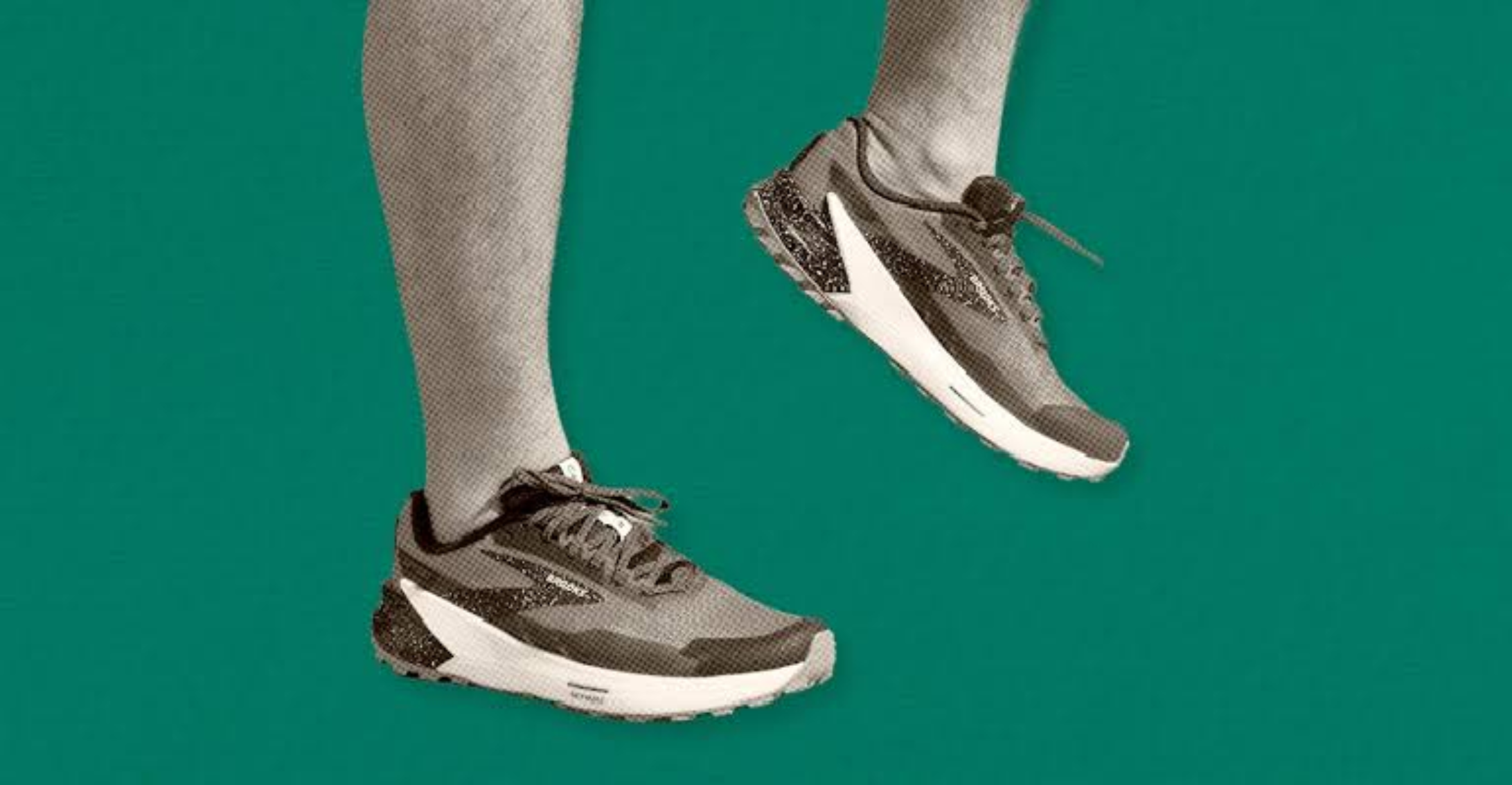
Running shoe selection is more individual than most categories of gear because running mechanics, foot shape, weekly mileage, and running surface all affect which shoe performs best for a specific person. The “best running shoe” for someone with a high arch, overpronating gait, and forty weekly miles on trails is a completely different product from the “best running shoe” for a beginner runner with neutral gait running ten miles per week on pavements.
What follows is organized by category rather than ranking because the ranking depends on the individual variables more than on universal shoe quality.
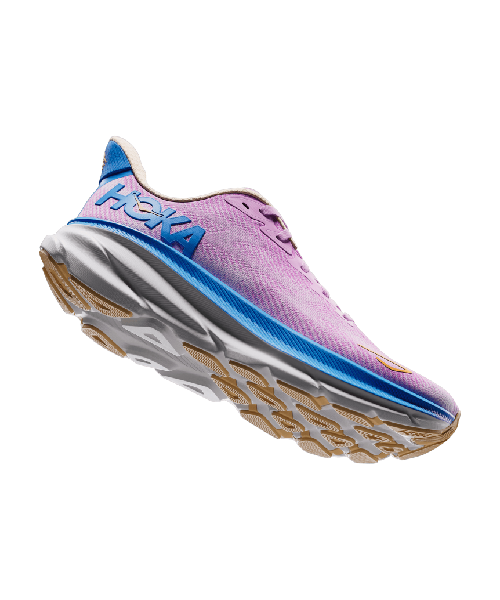
The HOKA Clifton 9 ($140) is the maximally cushioned daily trainer that changed what many people thought was possible in a cushioned shoe. Maximum cushion doesn’t mean maximum weight in current HOKA design — the Clifton is lighter than its cushioning would suggest, and the geometry of the midsole (curved, not flat) produces a rolling gait pattern that reduces the energy cost of each stride.
For runners who develop knee or hip issues on standard-cushioned shoes, the additional cushion of the Clifton frequently resolves these issues. For longer distances where cumulative impact matters more than in a short run, the cushioning advantage is proportionally larger.
The limitation: less ground feel than standard trainers, which some runners find reduces proprioception and ground responsiveness. For runners who run primarily by feel, the Clifton’s insulation from the ground is a disadvantage. For runners prioritizing comfort and impact reduction, it’s the product.
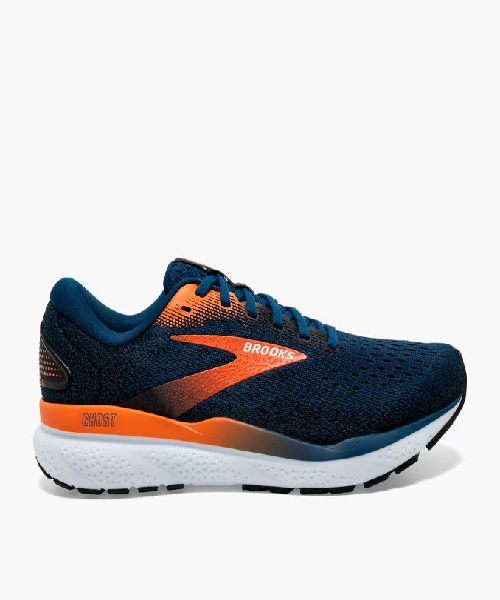
The Brooks Ghost has been consistently reviewed as one of the most versatile, reliable daily training shoes for over a decade and the Ghost 16 continues this without significant compromise. The DNA LOFT v2 cushioning provides a balance of cushioning and responsiveness that suits most neutral gait runners at most training distances.
The Ghost fits a wide range of foot shapes — not too narrow, not too wide in standard width, with wider options available — and the upper construction is comfortable and breathable without being fragile. After several hundred miles, the midsole compresses gradually rather than collapsing suddenly, providing a reliable indication of when replacement is due.
For a beginner runner choosing their first pair of proper running shoes with a neutral gait: the Ghost 16 is the safest recommendation because it suits the widest range of runners without specifically suiting any narrow category of them.
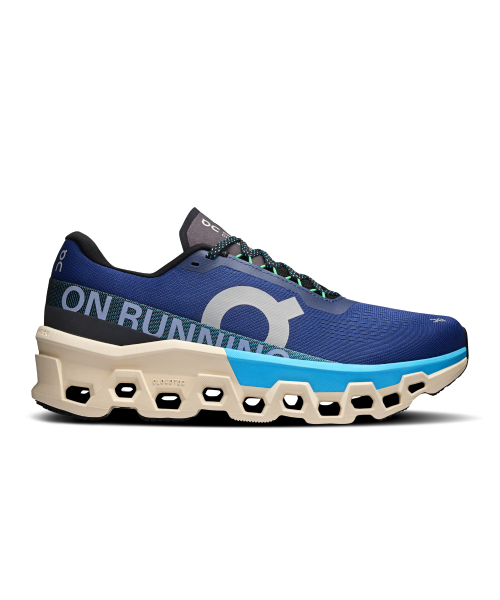
The On Cloudmonster 2 ($170) is the running shoe that’s become as much a lifestyle object as a performance shoe. The distinctive CloudTec sole — individual pods that compress on impact and release on toe-off — produces a running sensation that’s unlike standard cushioning and is either immediately appealing or requires adjustment depending on the runner.
The performance is genuine — On’s CloudTec technology isn’t purely aesthetic and the shoes perform well for most training contexts. The heel-to-toe drop of 6mm is moderate, suited to most gait types, and the upper is well-constructed and comfortable.
The lifestyle appeal is real and the running performance is adequate. For someone who wants running shoes that work well and also look good in non-running contexts, the Cloudmonster 2 or the Cloudstratus 4 are the products that genuinely achieve both.
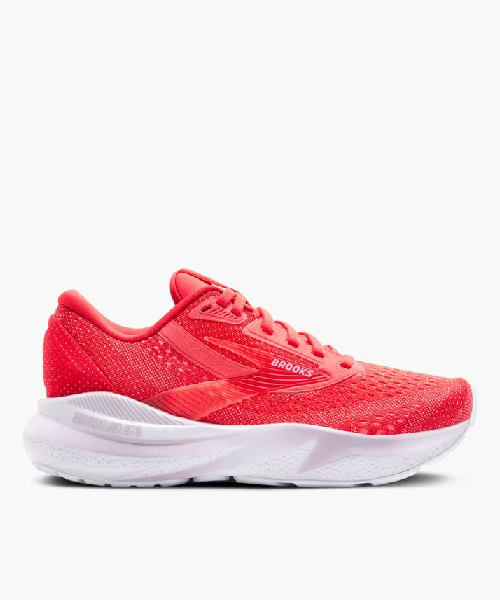
Overpronation (inward rolling of the foot during the running stride) benefits from stability shoes that provide medial post support. The Brooks Adrenaline GTS 24 ($130) is the stability shoe most consistently recommended by running specialists and podiatrists for moderate overpronation — the GuideRails support system limits excess motion without overcorrecting.
If you’ve been assessed by a running specialist or noticed medial wear on your current shoes (wearing through the inner heel and forefoot), a stability shoe may be appropriate. The Adrenaline is the starting point.