HOME | Fashion | Beauty | Home Furnishing | Comparison | Top Reviews |

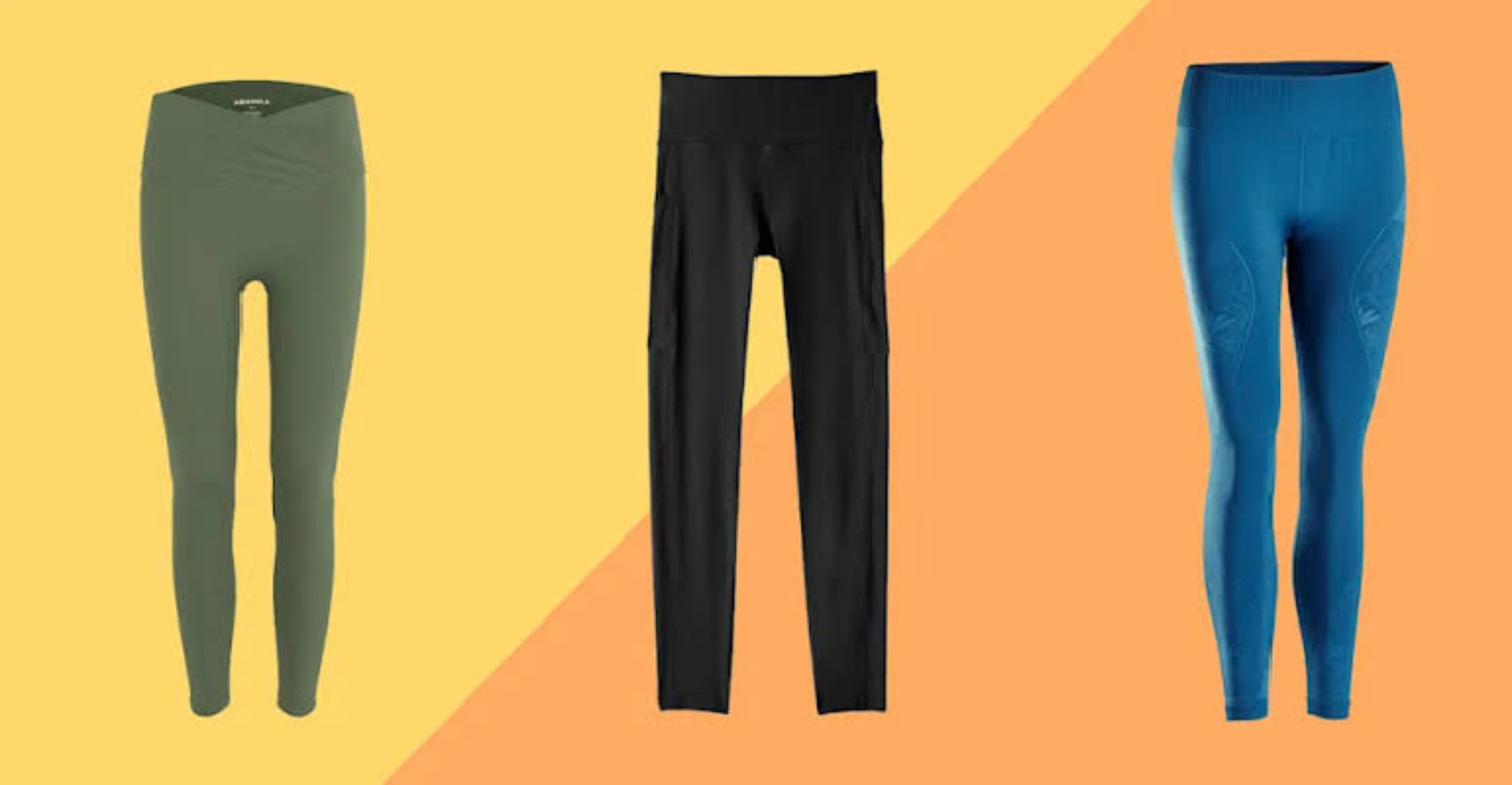
The yoga pants category has a specific testing problem: most reviews are written by people who wore the leggings a few times for the photo and wrote about initial impressions. Initial impressions from a soft fabric in a flattering cut are reliably positive. What you can’t know from initial impressions: whether the fabric will pill at the inner thigh after twelve washes, whether the waistband rolls down in a downward dog, whether the material becomes see-through in a forward fold.
I’ve practiced yoga three to four times per week for several years. Here is what that specific use produces as an assessment of which yoga pants are genuinely worth buying.
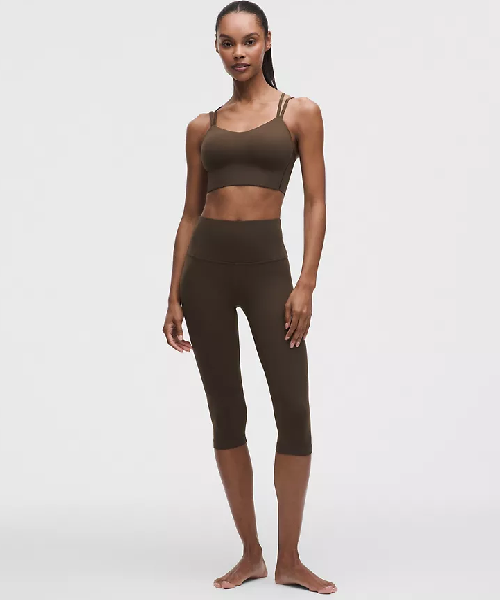
The Lululemon Align in Nulu fabric is what every other yoga legging is compared to and the comparison usually doesn’t favor the alternatives. The Nulu fabric is lighter and softer than any other fabric in the category — not just different, but specifically better for the requirements of yoga practice: stretch in multiple directions without restriction, enough density that the fabric doesn’t become translucent under studio lighting, and enough structure that it holds its position without constant adjustment during flow sequences.
The waistband doesn’t roll. The seams don’t dig. The fabric doesn’t restrict movement in hip openers, splits, or any of the more extreme range-of-motion positions that yoga requires. These are the specific functional requirements of yoga leggings and the Align meets all of them more completely than anything else I’ve tested at any price point.
The price ($98-118 depending on length) is significant. The quality justification is real. If you practice yoga regularly enough that the quality of your leggings affects your practice, the Align is worth it. If you practice occasionally and any comfortable legging will do, there are better uses for $100.
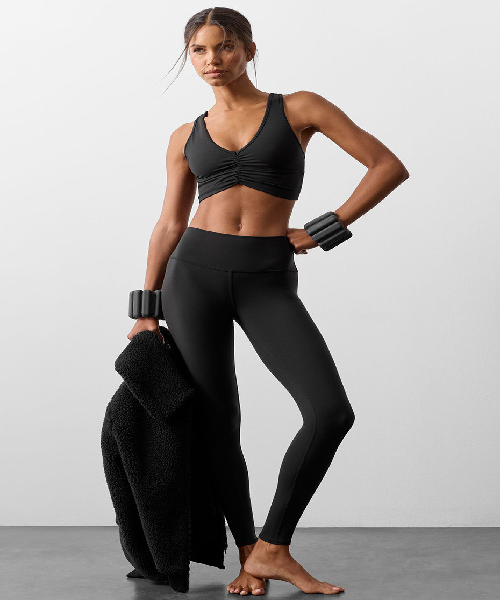
The Alo Airbrush ($114-128) provides more compression than the Align — noticeably more, in a way that’s either the appeal or the limitation depending on preference. For dynamic, flow-heavy yoga styles (vinyasa, power yoga) where movement is quick and repetitive, the additional structure keeps everything in place with less shift than the Align’s softer construction.
For restorative or yin yoga — slower styles where you hold positions for extended periods — the Align’s softer, less compressive fabric is more comfortable over time. The Airbrush’s compression in a ninety-second yin hold can feel more restrictive than the practice warrants.
The Airbrush also photographs better than the Align. The slight sheen, the structured silhouette, the way it photographs in studio lighting — for people who care about how they look in practice, the Airbrush has an aesthetic edge.
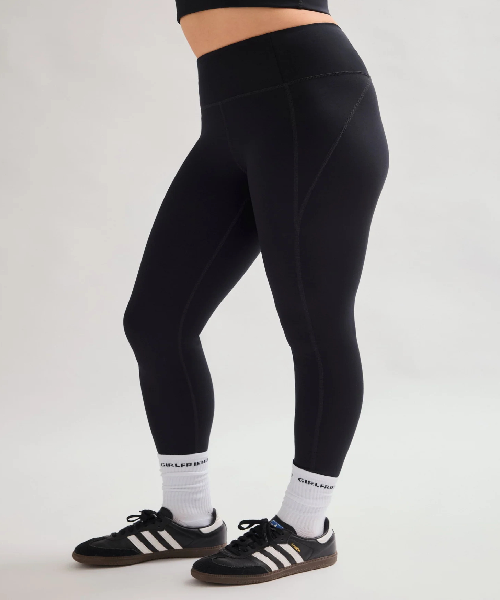
The Girlfriend Collective Compressive High-Rise ($68-78) is made from recycled water bottles in a genuinely compressed fabric that performs well for active yoga practice. The compression is between the Align and the Airbrush — more than the Align, less than the Airbrush — and suits most yoga styles without being specifically optimal for any of them.
The waistband is particularly well-engineered for yoga — wide, high-rise, non-roll, and comfortable against skin during inversions and positions where waistband placement is more noticeable. The body of the legging moves well and the fabric doesn’t shift during practice.
At $68-78, the Girlfriend Collective offers more performance per dollar than either Lululemon or Alo for yoga specifically, with the added context of better environmental credentials in the construction.
The squat test is necessary. Hold the fabric up to a light source and stretch it to the degree it stretches during a forward fold. If it becomes translucent or the pattern (if any) becomes visible through it, it will be see-through in a forward fold in a lit studio. This matters.
The waistband width matters more for yoga than for other activities. A narrow waistband rolls during inversions, downward dogs, and hip flexor stretches. A wide, high-rise waistband stays in position through all of these.
Four-way stretch is necessary for yoga. Fabrics that stretch only in one or two directions restrict movement in the positions yoga requires. Running leggings optimized for forward movement don’t translate to yoga practice.