Nobl Travel Checked Bag — Is Ballistic Nylon Actually Worth It for Checked Luggage?
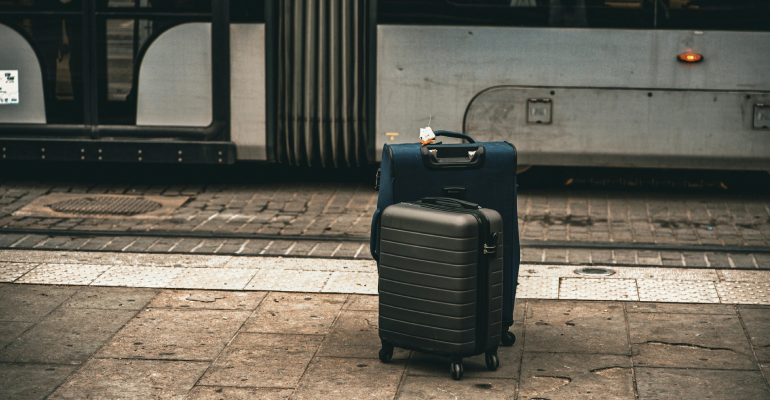
The argument for premium luggage construction is always stronger for checked bags than for carry-ons. A carry-on lives in an overhead bin and rolls across airport floors — conditions that are manageable for most quality luggage. A checked bag gets thrown. That’s not hyperbole. Baggage handlers are moving hundreds of bags per hour under time pressure. The bag goes on a conveyor belt, gets lifted by handlers who aren’t treating it with any particular care, stacked under other bags in the cargo hold, and thrown onto a baggage carousel at the destination. This happens repeatedly on every trip the bag takes. The question for Nobl Travel’s checked bag is whether ballistic nylon construction makes a meaningful difference in the checked bag context — and whether that difference justifies the premium over polycarbonate alternatives. What Actually Happens to Checked Bags Most people don’t think about this in detail because they don’t see it. The bag disappears at check-in and reappears at baggage claim and whatever happened in between is invisible. What happens in between: the bag is placed on a conveyor belt that moves it to the cargo area. Along the way it contacts other bags, metal conveyor surfaces, and occasionally drops where conveyors meet or where the belt redirects. Handlers in the cargo area load bags into the aircraft hold, which involves lifting, stacking, and arranging bags in a space that’s not designed for careful individual handling. The bag sits under other bags — sometimes heavy ones — for the duration of the flight. At the destination, the process reverses. The bag goes on the carousel, which involves another drop where the carousel mechanism meets the main belt. A polycarbonate hard shell records this process visibly. After enough checked travel, a polycarbonate bag has a map of its experiences — scratches, scuffs, one or two corner dents where it took an impact. The structural integrity is usually fine, but the cosmetic condition tells the story. Ballistic nylon handles this differently. The abrasion resistance means most surface contact leaves no visible mark. The material flexes under impact rather than recording it. A Nobl bag after the same volume of checked travel looks noticeably different — more composed, less marked — than a polycarbonate alternative. The Frame Question for Checked Bags For carry-ons, the aluminum frame maintains the bag’s shape in overhead bins. For checked bags, the frame serves a different purpose — it maintains structural integrity when the bag is stacked under other bags in the cargo hold. Polycarbonate checked bags can deform slightly under sustained compression from heavy bags stacked on top. The shell flexes inward and usually returns to shape — the memory of polycarbonate is good — but repeated compression cycles can eventually affect the corners and structural elements in ways that become permanent. Nobl’s aluminum frame on the checked bag maintains the bag’s shape under compression rather than flexing and returning. The bag that goes into the cargo hold is the same shape as the bag that comes off the carousel. The Wheel Question for Checked Bags This surprises people but the wheel quality matters for checked bags too — not during the flight, but at both ends. You’re rolling the bag from check-in to the carousel and from the carousel to your transportation. In many international airports, this involves significant distances and varied floor surfaces. In airports with old or damaged flooring, wheel quality shows up quickly. The Hinomoto wheels on Nobl’s checked bag roll as well as the carry-on wheels. On smooth floors, the difference from cheaper alternatives is subtle. On the uneven flooring of older airports, on outdoor pavement, on the transition surfaces where airport floors change material — the quality difference is immediately apparent. Size Options and What They’re Actually For Nobl’s checked bag comes in medium and large. The sizing names are less important than understanding what actually fits. The medium checked bag is appropriate for trips of one to two weeks with normal packing habits. It fits a week of business travel with room for a few personal items. It fits a week of vacation clothes. It doesn’t fit two weeks of clothes plus shoes for multiple activity types — that’s what the large is for. The large checked bag is for extended trips, family travel where you’re sharing a bag, or travelers who simply pack more than average. The volume is significantly larger than the medium and the weight difference empty is noticeable. If you’re frequently on carriers with checked bag weight limits, starting with a heavier empty large bag cuts into your capacity faster. The honest recommendation: most individual travelers who check one bag should buy the medium. The large is for specific use cases — extended trips, shared bags, people who know from experience that they need the extra space. The Weight Trade-Off in the Checked Context For carry-ons, the weight of the bag competes with carry-on weight limits on some international carriers. For checked bags, the weight of the bag competes with checked bag weight limits — typically 50 pounds on US domestic carriers and varying internationally. Nobl’s checked bag is heavier than a polycarbonate alternative at similar capacity. How much heavier depends on size. The large checked bag empty might be seven to nine pounds depending on configuration — versus a polycarbonate large checked bag that might be six to seven pounds. One to two pounds of weight difference is worth a moment’s calculation. If you’re packing a large checked bag to its weight limit, one to two pounds less empty capacity means one to two pounds less packing capacity. For most travelers, this doesn’t matter. For travelers who consistently pack heavy and who push against the weight limit, it’s a real constraint. Who Should Buy the Nobl Checked Bag Frequent travelers who check bags regularly — the construction durability compounds with use in the same way it does with the carry-on. A bag that holds up significantly better than polycarbonate at 100 checked trips
Tuft & Needle Review — The Mattress That Proved You Could Charge Less and Deliver More, Now Facing a Market That Has Caught Up to Its Original Insight
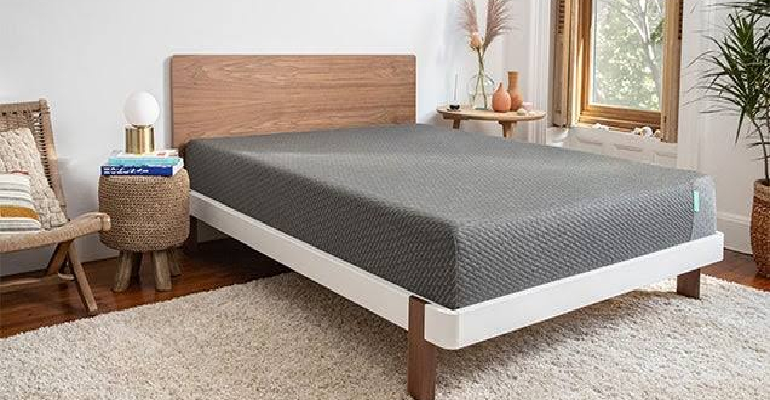
In 2012, when Tuft & Needle launched with a single foam mattress sold directly to consumers at $350 for a Queen, it was doing something that the mattress industry had structured itself to prevent: removing every intermediary between the manufacturer and the buyer and charging only for what the mattress actually cost to make and ship. The result was not a cheap mattress. It was an honest one — a foam product whose comfort, pressure relief, and durability were documented as competitive with conventional mattresses at two and three times the price, delivered in a box to your door with a 100-night trial before the concept was standard practice in the industry. Twelve years later, Tuft & Needle is owned by Serta Simmons Bedding — one of the largest conventional mattress manufacturers in the world — and the DTC mattress category it helped create has produced dozens of competitors, most of whom have adopted the direct-to-consumer model, the bed-in-a-box delivery, and the free trial period that Tuft & Needle established as category norms. The honest 2026 question is not whether Tuft & Needle is a good mattress. It is whether it remains a distinctive one, and what specifically justifies choosing it over the Nectar, Casper, and Helix alternatives that the category it pioneered has produced. The most important positive evidence in 2026 is specific: Consumer Reports’ 2025 mattress owner satisfaction survey placed the Tuft & Needle Original in its top three for value-for-money among foam mattresses — a survey-based finding from actual owners that documents the mattress as delivering genuine satisfaction relative to its price point, which at $695 for a Queen remains among the most competitive in the DTC foam category. The most important negative evidence is equally specific: a documented pattern in multiple 2025 Trustpilot and Reddit accounts of body impressions developing in the T&N Adaptive foam within two to three years of daily use — not catastrophic sagging, but visible indentations at regular sleeping positions that multiple buyers describe as beginning to affect their sleep quality and that are documented at a frequency suggesting a foam durability timeline shorter than buyers at this price point expect. Quick Highlights ✅ Consumer Reports 2025 top three for value-for-money among foam mattresses — a survey-based finding from actual owners documenting genuine satisfaction relative to the $695 Queen price point, not a first-impression marketing claim ✅ T&N Adaptive foam independently documented as providing better pressure relief than standard memory foam at temperature — multiple accounts of buyers who ran hot on memory foam alternatives describing T&N Adaptive as meaningfully cooler without sacrificing the pressure relief that made memory foam attractive ✅ 100-night trial confirmed as operational and genuinely frictionless — multiple accounts of full refund processing within 7–10 business days after trial period return initiation, without disputes or retention attempts ✅ 10-year warranty confirmed as active and responsive — accounts of Tuft & Needle proactively addressing sagging claims that meet their documented criteria without requiring buyers to navigate complex claims processes ✅ Price at $695 for a Queen is among the most competitive in the DTC foam mattress category — Casper Original at $1,095 and Purple at $1,299 are the most directly comparable alternatives at meaningfully higher prices ✅ Tuft & Needle Mint layer adds graphite and cooling gel to the T&N Adaptive base, specifically praised for hot sleeper performance in multiple independent accounts ✅ Available at Target, Amazon, and Home Depot alongside direct purchase — a retail availability breadth that allows in-store inspection before online ordering, a specific advantage over DTC-only alternatives ❌ Body impression pattern documented in multiple 2025 owner accounts at two to three years of daily use — visible indentations at regular sleeping positions that some owners describe as beginning to affect sleep quality before the 10-year warranty’s sagging threshold is officially met ❌ The 10-year warranty’s sagging threshold is documented at 1.5 inches of visible indentation — a threshold that multiple owners describe as higher than the level at which sleep quality begins to be affected, meaning real-world sleep disruption from body impressions can precede the warranty’s actionable threshold ❌ The T&N Original at $695 is now priced competitively with Nectar at $699 and within $100 of DreamCloud at $899 — both of which carry hybrid construction options that provide better edge support and motion isolation than the T&N foam at comparable price points ❌ Edge support documented as weak in multiple accounts — buyers who sit on the mattress edge or sleep near the edge describe significant compression that is a category-wide foam characteristic but is more pronounced in the T&N than in hybrid alternatives at comparable prices ❌ Motion isolation is good but not exceptional — buyers whose primary concern is motion transfer from a partner specifically note that dedicated motion-isolation memory foam alternatives perform better at the same price tier ❌ Tuft & Needle’s Serta Simmons ownership is documented as a concern among buyers who valued the brand’s original independent ethos — not a product quality concern but a brand identity shift that matters to a specific buyer demographic Why Trust This Review This review draws on Consumer Reports’ 2025 mattress owner satisfaction survey, Trustpilot’s Tuft & Needle review record, Reddit’s r/Mattress community (the most active independent mattress evaluation forum), Sleep Foundation’s 2025 mattress category review, and Tuft & Needle’s own published foam specifications, warranty documentation, and trial terms. No commercial relationship with Tuft & Needle or Serta Simmons Bedding. No affiliate link influences any rating or conclusion in this review. Table of Contents About Tuft & Needle Full Review Breakdown Best Tuft & Needle Products Worth Buying What Long-Term Owners Actually Think Is Tuft & Needle Worth It? Tuft & Needle vs Competitors Where to Buy FAQs Final Verdict About Tuft & Needle Tuft & Needle was founded in 2012 in Phoenix, Arizona by JT Marino and Daehee Park, two software engineers who bought a mattress together on a $500 budget, found the retail experience dishonest and the product disappointing, and
Parachute Home Towels Review — Are They Actually Worth the Price?
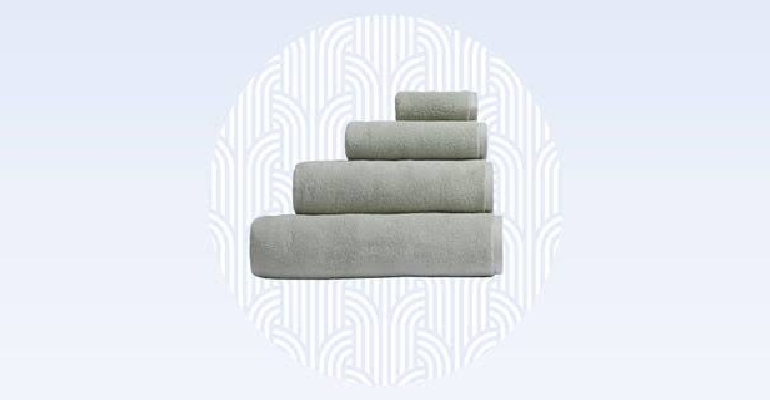
Towels are one of those purchases most people significantly underinvest in. The bathroom is used multiple times daily by everyone in the household, the towels are the thing you reach for immediately after every shower, and most people are still using the same mediocre towels they bought five years ago without thinking much about it. Parachute’s towels are one of the more discussed options in the premium direct-to-consumer space. They’ve built a following alongside their bedding and the question is whether the towel quality earns the same loyalty as their sheets or whether it’s brand extension that rides on the bedding reputation. The honest answer is somewhere in between — the towels are genuinely good but they’re not the clear category winner that the linen sheets are. What Parachute’s Classic Towel Actually Is Parachute’s Classic Towel is Turkish cotton — long-staple cotton grown in the Aegean region of Turkey and woven in their Portuguese manufacturing facility. Turkish cotton is a specific variety of long-staple cotton that’s been used for towels for centuries — the extra fiber length creates a more absorbent, more durable towel than standard cotton produces. The weight of the Classic Towel runs approximately 700 grams per square meter. This is a substantial weight — not the heaviest towel you can buy but solidly in the range that signals quality. Very thin towels below 400 GSM are light and dry quickly but absorb poorly. Very heavy towels above 900 GSM are plush but take forever to dry and can develop a musty smell in humid bathrooms. 700 GSM is in the practical sweet spot — absorbent, reasonably quick-drying, and durable. The towels soften with washing, similar to the linen sheets. New Parachute towels are slightly stiffer than they become after several washes. The first five to ten washes develop the softness that’s characteristic of quality long-staple cotton towels — the fibers relax and the terry pile opens up in a way that increases both softness and absorbency. The Sizing and Weight Options Parachute makes a full range of towel sizes — bath towels, hand towels, and washcloths in the Classic and Waffle styles, plus bath sheets for people who want more coverage. The bath sheet is worth knowing about specifically. A standard bath towel at approximately 27 by 54 inches is adequate for most people. The bath sheet at approximately 35 by 70 inches is the option that people who’ve used bath sheets don’t want to go back from. The extra coverage changes the post-shower experience in a way that sounds like a minor detail until you experience it consistently. Parachute’s bath sheets are priced higher than the bath towels — approximately $10 to $15 more per sheet — and worth the investment. The Waffle Towel is the alternative construction Parachute offers — a honeycomb weave texture rather than traditional terry. Waffle towels are lighter, dry faster, and have a more textured feel against skin. They’re popular in boutique hotels and with people who prefer the sensation of a textured surface. They’re less immediately plush than terry but equally absorbent and significantly faster-drying — the waffle structure creates channels for air circulation that terry doesn’t have. For humid bathrooms or households where mold and mildew in towels are a recurring concern, the Waffle Towel’s faster drying time is a practical advantage beyond aesthetics. How They Hold Up — The Durability Question Towel durability is where quality cotton versus commodity cotton shows up most clearly over time. Standard cotton towels lose absorbency within one to two years of regular washing. The fibers shorten and the terry loops that create the absorbent surface begin to pull out and pill. The towel that was plush on day one is matted and slightly rough by year two. This is why most people replace their towels every two to three years even without obvious damage. Long-staple Turkish cotton maintains its fiber length through repeated washing because the longer fibers are anchored more securely in the yarn. Parachute towels consistently hold up through three to five years of regular use without significant absorbency degradation. The terry loops stay intact. The softness maintains. The color holds better than shorter-fiber alternatives. The practical implication: a $25 Parachute bath towel that lasts five years at full quality is cheaper than two $12 commodity towels over the same period, and the ownership experience is significantly better throughout. How Parachute Towels Compare to Competitors The primary comparisons in this space are Parachute versus Brooklinen and Parachute versus luxury hotel brands like Frette or Sferra. Brooklinen’s Super-Plush Towel is a genuine alternative and many people find it equally good at a similar price point. The key difference is texture preference — Brooklinen’s super-plush is slightly heavier and denser than Parachute’s Classic, which some people prefer and others find too thick. Neither is objectively better; they’re different expressions of quality towel construction. Frette and Sferra are significantly more expensive than Parachute and represent the luxury end of the towel category. The quality is higher — finer cotton, more precise manufacturing — but the price premium is substantial. For buyers who want the best available regardless of cost, those brands exist. For buyers who want excellent quality at accessible premium pricing, Parachute is the better value. The honest relative assessment: Parachute towels are among the best at their price point but they’re not meaningfully better than Brooklinen’s equivalent. If you’re already a Parachute customer and want towels that work with the aesthetic of your bedding, Parachute is the right choice for coherence. If you’re starting fresh and evaluating towels independently, compare both before committing. The Bath Robe — Worth It or Skip? Parachute’s Classic Robe is one of the more popular items in their bath category and it’s worth addressing honestly because it’s a significant purchase. The Classic Robe uses the same Turkish cotton as the towels. The construction is substantial — the robe doesn’t feel thin or flimsy, the belt loops are reinforced, and the pockets are deep enough to
Parachute Linen Sheets Review — Are They Actually Worth the Hype?
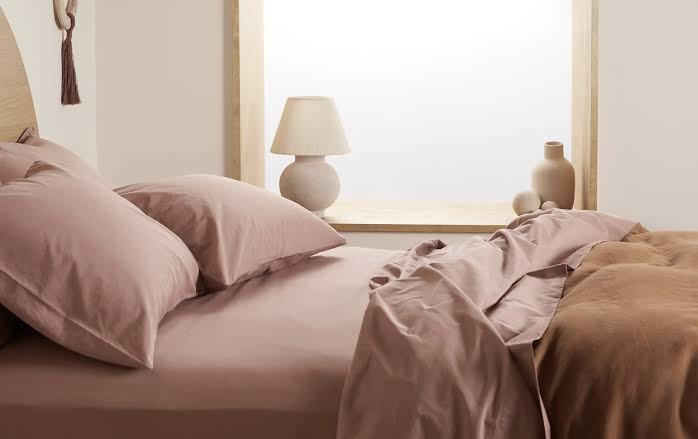
Linen bedding has been having a moment for several years now and Parachute is one of the main reasons. Their linen sheets photograph beautifully — the naturally relaxed texture, the subtle color variation, the effortless look of bedding that seems to have been casually arranged rather than styled. The photos drove a lot of purchases. The question is whether the product lives up to what the photos suggest. The short answer: it does, with one significant caveat that changes the experience for people who aren’t expecting it. The Caveat — What Nobody Tells You Before You Buy Parachute linen sheets feel nothing like their photos suggest when you first open the package. New linen has a stiffness that surprises most first-time linen sheet buyers. The texture is slightly rough rather than soft. There’s a papery quality to the hand that feels wrong if you’re expecting the softened, draped fabric in the lifestyle images. First-time buyers who sleep on Parachute linen the night they arrive and compare the experience to their previous cotton sheets often wonder what the fuss is about. The fuss is about what linen becomes after five to fifteen washes. Every wash softens the fiber structure. The stiffness releases. The texture transitions from slightly rough to the distinctively comfortable textile that made linen the preferred bedding material for centuries before polyester existed. By wash ten, Parachute linen sheets feel completely different from the unwashed product — softer, more draping, more casually beautiful. The brand mentions this but not loudly enough. People who return Parachute linen sheets almost always do so before the sheets have been washed enough times to show what they’re actually going to be. The return window is 60 days — enough time to wash the sheets enough times to evaluate them properly if you start using them immediately. The practical advice: wash Parachute linen sheets three times before sleeping on them for the first real evaluation. Dry on low heat each time. By the third wash, you’re beginning to see what the product is. By wash eight or ten, you’re seeing what it’s going to stay. The Linen Quality — What Makes Parachute’s Specifically Good Not all linen is the same and the differences are significant enough to matter. Parachute uses European linen — specifically, flax grown and processed in Portugal. The European linen designation matters because European flax growing conditions — particularly in France, Belgium, and Portugal — produce fiber with specific characteristics that flax grown elsewhere doesn’t consistently replicate. The fiber length, the natural color, and the moisture content at harvest all affect the quality of the resulting textile. Portuguese weaving adds another quality layer. Portuguese textile mills have a reputation for consistency and quality that reflects centuries of textile tradition and more recent investment in manufacturing infrastructure. The resulting fabric has a consistency in thread density and weave tightness that distinguishes it from linen woven in higher-volume, lower-cost facilities. The practical result of these inputs: Parachute linen holds up through washing in a way that cheaper linen doesn’t. Lower-quality linen thins over time — the weave loosens, the thread count effectively decreases, and the sheets become fragile within a couple of years of regular washing. Parachute linen gets softer and more beautiful over the same period without the structural degradation. How Parachute Linen Feels in Practice — Season by Season Linen’s temperature-regulating properties are real and they’re worth explaining specifically because they determine who benefits most from linen bedding. In summer, linen’s natural structure wicks moisture away from the body and the fiber itself conducts heat away from the skin more effectively than cotton. The sensation is cool and dry rather than warm and slightly damp. For hot sleepers or people in humid climates without air conditioning, this is a material difference in sleep comfort. In winter, linen doesn’t keep you warm the way flannel does — it’s not an insulating material. But it doesn’t create the clammy feeling that some cotton weaves create when you’re in bed and body heat starts to build. A linen sheet under a quality duvet in winter is comfortable rather than too cold — the linen breathes and the duvet provides the warmth. The true all-season bedding claim that some linen brands make is approximately accurate. Linen isn’t the best choice for people who sleep cold in an unheated room in winter. For everyone else across most climates, it performs across seasons in a way that dedicated summer or winter bedding doesn’t. Parachute Linen vs Their Other Sheet Options The linen versus percale decision comes down to personal feel preference and sleeping temperature. Percale is crisper and more structured than linen. It’s clean and cool but in a more formal way — the sheet stays smooth under you rather than developing the relaxed, slightly draped quality that linen develops. People who like the feel of a well-made hotel sheet usually prefer percale. People who like bedding that looks casual and lived-in usually prefer linen. Sateen is warmer and softer than either — appropriate for cold sleepers or for winter-specific bedding rather than year-round use. For hot sleepers: linen first, percale second, sateen never.For cold sleepers: sateen first, percale second, linen with a warm duvet.For average sleepers: personal preference between linen and percale — both are excellent products. The Linen Duvet Cover as the Right Pairing A Parachute linen sheet set paired with their linen duvet cover is the combination that produces the look most people are after when they shop the brand. The sheets and cover soften together over time and develop the same patina — the sheets don’t end up looking significantly different in texture and color from the cover, which keeps the bed looking coherent rather than assembled from parts. The duvet cover has corner ties that keep the insert anchored — an important feature because a linen duvet cover drapes more loosely than a tightly woven cotton cover, which makes insert migration more likely if the ties aren’t holding it in place.
Parachute Home Review — Is the Bedding Actually Worth the Price?
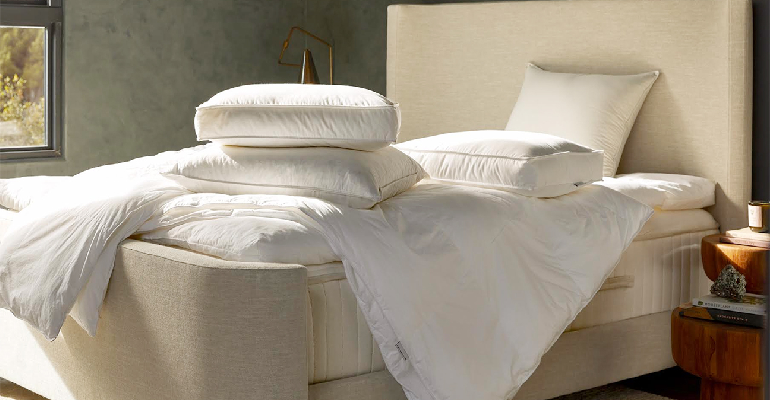
Premium bedding has become a crowded category. Brooklinen, Boll & Branch, Cozy Earth, Buffy — a new brand shows up every few months with beautiful photography and language about thread counts and long-staple cotton and the transformative power of a good night’s sleep. Most of them are selling the same thing at similar price points with varying degrees of actual quality difference. Parachute is not new to this. They launched in 2014 as one of the first direct-to-consumer bedding brands and they’ve built a following that’s held through a decade of increasing competition. The question worth asking honestly is whether they’ve earned that following through actual product quality or whether they’re coasting on early mover advantage and good marketing. The honest answer: the product quality is real, it’s not uniform across all their categories, and knowing which specific products justify the price changes how you shop the brand. What Parachute Home Actually Is Parachute started with one product — a percale sheet set — and built from there. They now cover the full home textile category: sheets in multiple fabric types, duvet covers, pillowcases, towels, bath robes, blankets, and a growing home decor category. The brand’s core commitment is to natural materials — long-staple cotton, European linen, Tencel, down, and wool. They don’t use synthetic fill in their primary bedding products and the natural fiber commitment runs through the catalog rather than appearing only in premium tiers. They manufacture primarily in Portugal, which is relevant context. Portuguese textile manufacturing has a reputation for quality that’s distinct from the bulk manufacturing that produces most of the bedding sold in department stores. The production standards in Portuguese mills produce a different result than what you get from high-volume manufacturing in lower-cost countries, and the difference is tangible in how Parachute products feel and hold up. Parachute Percale Sheet Set — The Product That Built the Brand The percale sheet set is where most people start with Parachute and it remains one of the strongest products in the catalog. Percale is a plain weave cotton — one thread over, one thread under — that produces a crisp, cool hand that softens with washing without going limp. It’s the opposite of the heavy, warm sateen weaves that dominate hotel bedding. Parachute’s percale uses long-staple cotton, which matters for durability. Long-staple cotton fibers are longer than standard cotton fibers, which means fewer fiber ends in the yarn, which means less pilling over time. The sheets that pill after a year of washing are almost always made from short-staple or blended cotton where the fiber ends work their way to the surface. The percale set includes a flat sheet, fitted sheet, and two pillowcases. The fitted sheet has deep pockets — up to 16 inches — and a full elastic band rather than just corner elastics. The full elastic band keeps the fitted sheet on the mattress through the night in a way that corner-elastic versions don’t, particularly on thicker mattresses. After washing, Parachute’s percale softens but maintains its crispness — the quality that makes percale feel cool and clean rather than soft and warm. It’s not a cozy-in-winter sheet. It’s a year-round sheet that performs best for people who sleep warm or who prefer the sensation of clean, structured bedding over the softness of flannel or heavyweight sateen. Price runs approximately $160 to $250 for a set depending on size. For sheets that will hold up for three to five years of regular use without significant degradation, that’s reasonable. Parachute Linen Sheet Set — The Warmth-Weather Alternative The linen sheet set is Parachute’s most popular product and probably their best one. European linen — flax grown and woven in Portugal — with a hand that starts textured and slightly stiff and softens beautifully over the first dozen or so washes. New Parachute linen sheets feel substantially different from washed Parachute linen sheets. If you buy them and sleep on them the first night, you’re experiencing a product that hasn’t become what it’s going to be yet. The sheets need five to ten washes before they fully soften and the texture settles into what makes linen bedding beloved — a casual, slightly irregular texture with a coolness to the touch that’s distinct from the clinical coolness of high thread count cotton. Linen is naturally temperature-regulating — it keeps you cooler in summer and doesn’t make you cold in winter. It’s also naturally moisture-wicking, which is meaningful for people who sleep hot or who live in humid climates. These aren’t marketing claims in linen’s case — the fiber’s structure genuinely has these properties. The linen set is the right choice for warm-weather climates, for hot sleepers, and for people who want bedding that looks casually beautiful rather than formally crisp. The worn-in quality of well-washed linen is the aesthetic that’s dominated home photography for good reason — it looks lived-in in the most appealing way possible. Price runs approximately $189 to $299 for a set depending on size. Worth it without hesitation for the right sleeper. Parachute Sateen Sheet Set — The Softer Option Sateen is the third main sheet offering and the one most different from the other two. Where percale is crisp and linen is textured, sateen is soft and has a subtle sheen from the four-over-one-under weave that exposes more thread surface. Parachute’s sateen is warmer than their percale — appropriate for winter or for people who sleep cold. The softness is immediate rather than requiring washing to develop. The sheen reads as slightly more formal than percale or linen — hotel-adjacent in a way that some people love and others find slightly cold aesthetically. The trade-off with any sateen is durability relative to percale. The exposed thread structure that creates sateen’s characteristic softness is also more susceptible to snagging and pilling over time compared to the tighter percale weave. Parachute’s long-staple cotton mitigates this significantly relative to budget sateen, but it’s worth knowing. Price similar to percale — approximately $160 to $250
Nobl Travel Luggage for Frequent Flyers — Is It Built for How You Actually Travel?
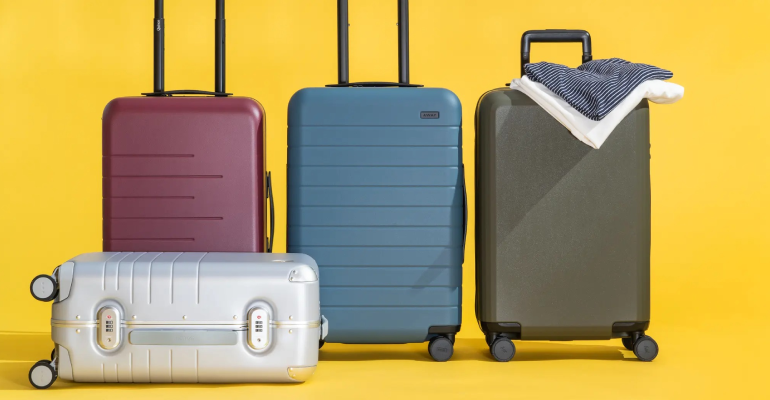
There’s a traveler that most luggage brands don’t design for. Not the person who takes four vacations a year and treats their luggage like a piece of furniture — stored carefully, handled respectfully, pulled out for special occasions. The traveler most luggage brands don’t design for is the person for whom air travel is a work activity. The person who takes their carry-on to the gate seventeen times in January. The person who has lifted the same bag into overhead bins so many times that the motion is automatic. The person who knows which airports have the worst floors for rolling luggage and which airline’s overhead bins are consistently too small. That person destroys average luggage. Not through carelessness — through volume. Wheel bearings wear out. Zipper pulls stretch. Polycarbonate develops a constellation of surface marks that tells the story of every gate check and every cargo throw it survived. The luggage that looked premium in year one looks like it’s been through a war by year three. Nobl Travel is designed with this person specifically in mind. The question worth asking honestly is whether the design choices they’ve made actually hold up for that use case. What Frequent Travel Actually Does to Luggage Most people who travel a few times a year don’t experience the failure modes that frequent travelers know well. They’re worth being specific about because they’re exactly what Nobl is designed to resist. Wheel degradation is the most common and most frustrating failure. It doesn’t happen suddenly — it’s progressive. The wheels roll smoothly for the first year. Then one starts to catch slightly on certain surfaces. Then the catch becomes a drag. Then the bag starts to veer when rolling straight. By the time the wheels are failing noticeably, the frequent traveler has already developed the compensation habit — applying slight pressure to correct the bag’s course — without realizing they’re doing it. A bag with Hinomoto wheels doesn’t go through this progression at the same rate because the wheel quality is genuinely higher. Zipper failure is the second most common failure mode. The zipper on a carry-on is opened and closed hundreds of times per year by a frequent traveler. Zipper pulls wear out, the zipper tape stretches, the slider starts to misalign. This is a manufacturing quality issue — better zippers last longer. Nobl’s zipper quality is consistent with the rest of the bag’s construction rather than being the weakest link, which is where it sits on cheaper bags. Frame deformation is less common but real. A polycarbonate hard shell that’s been loaded into too-small overhead bins repeatedly — compressed from the top by closing the bin, pushed in from the sides by adjacent bags — develops a slight warp over time. The corners don’t quite meet the way they did new. The aesthetic impact is minor but it’s one of those signs that the bag is aging that a ballistic nylon bag on an aluminum frame doesn’t show in the same way. Surface wear tells the story of every contact the bag has made with the world. Baggage carousel conveyor belts, airport floors when set down, cargo throws at regional airports — polycarbonate records all of these as visible marks. Ballistic nylon records almost none of them. The Specific Features That Matter for High Volume Travel The wheels have been covered already but are worth restating: Hinomoto wheels roll consistently on the varied surfaces a frequent traveler encounters. Not just polished airport tile — the outdoor pavement outside terminals, the textured floors of train stations, the uneven cobblestones of European cities. Consistency across surface types matters more with volume. The handle system on a bag gets more stress than most reviews acknowledge. A handle that extends smoothly and retracts cleanly when new can develop sloppiness over hundreds of extension and retraction cycles. Nobl’s telescoping handle is tight — not stiff, but without the side-to-side wobble that develops in cheaper handles over time. On an airport floor at 6am with a handle that pulls slightly left when extended, this matters in a way it doesn’t on four trips a year. The organizational structure inside the main compartment is designed for the kind of packing that frequent travelers actually do — not carefully laid out vacation packing with everything in its place, but efficient packing where the same things go in the same spots so you can find them in under ten seconds at any point in the trip. The compression straps hold that organization through the disruption of multiple flights rather than letting it shift into chaos. The combination lock works reliably one-handed. This seems trivial until you’ve experienced a lock that requires two hands and concentration to open while holding a boarding pass, a phone, and a jacket at a security checkpoint. The Weight Trade-Off at High Volume At high-volume travel, the weight of the bag itself matters more than it does for casual travelers — because it accumulates in the form of fatigue and because some carriers genuinely enforce carry-on weight limits. Nobl’s ballistic nylon and aluminum frame make it heavier than a polycarbonate alternative of similar dimensions. For most frequent travelers on US carriers, this doesn’t matter — domestic US doesn’t weigh carry-ons. For frequent international travelers on carriers with strict carry-on weight limits — particularly European budget carriers or Asian carriers with conservative limits — the starting weight of the bag is a real constraint. A 6.5-pound carry-on against an 11-pound limit leaves 4.5 pounds for contents. Most business travelers packing for a two-day trip can work within this. For a longer trip with more clothing, or for travelers who carry heavy tech equipment as carry-on, the weight ceiling gets tight. This is not a reason not to buy Nobl if you’re primarily a domestic or long-haul international traveler — it’s a reason to think specifically about your route mix before deciding. The Cost Per Trip Calculation The framing that makes the most sense for frequent travelers evaluating
Nobl Travel vs Away vs Monos — An Honest Comparison for Frequent Travelers
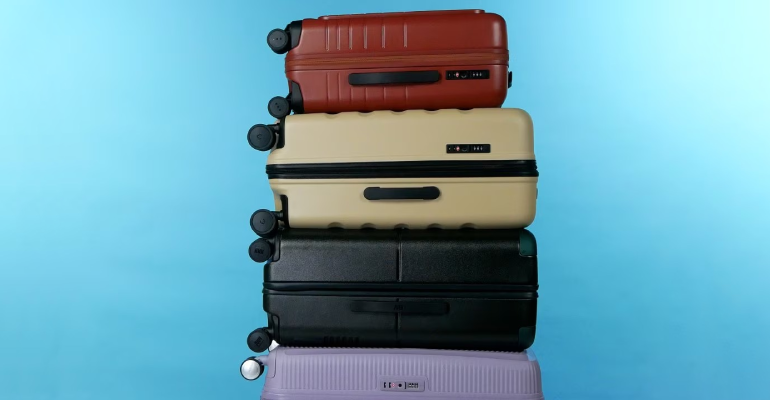
Three brands, three different answers to the same question: what does premium direct-to-consumer luggage actually look like? They all market themselves to the same traveler — someone who’s tired of cheap luggage and wants to buy once. They’re not all making the same product. Here’s the honest comparison without brand favoritism. The Construction Difference — This Is What Actually Matters Away and Monos both use polycarbonate shells. This is worth understanding before comparing prices. Polycarbonate is a lightweight thermoplastic that’s impact-resistant and flexible — it bounces back after hits rather than cracking. It’s a good material for luggage. It’s also the standard material used by most luggage brands at most price points because it’s relatively inexpensive to manufacture and forms easily into the shapes luggage requires. The limitation of polycarbonate is surface durability over time. Polycarbonate scratches. After significant use, a polycarbonate shell develops visible surface marks — not structural damage, but cosmetic aging that compounds with use. Most people who own Away bags for three or four years of regular travel have bags that look used in a way that’s not reversible. Nobl uses ballistic nylon on an aluminum frame. Ballistic nylon is heavier and more expensive than polycarbonate. It’s also significantly more abrasion-resistant. The surface marks that accumulate on polycarbonate leave ballistic nylon largely unchanged — the material absorbs abrasion without recording it the same way. Over time, a Nobl bag in ballistic nylon ages differently from a polycarbonate bag — it patinas in a way that reads as worn-in rather than beaten-up. The aluminum frame on Nobl is structural rather than purely aesthetic. It maintains the bag’s shape under compression — overhead bin loads, stacking in cargo — in a way that pure polycarbonate construction doesn’t. The bag holds its form at partial packing capacity rather than softening and losing shape. Wheels — The Most Important Hardware Decision in Any Luggage Most luggage reviews spend more time on organizational pockets than on wheels. This is backwards. The wheels are the component that determines day-to-day luggage experience more than any other single element. Away and Monos both use spinner wheel systems from competent manufacturers. They roll well when new. They hold up for several years of regular use. After extended heavy use, both have had user feedback about wheel wobble and uneven rolling — the kind of degradation that starts as a minor annoyance and becomes progressively more noticeable. Nobl uses Japanese Hinomoto spinner wheels. Hinomoto wheels have a reputation in luggage circles that goes beyond marketing — they’re the wheels used in high-end luggage across multiple brands because of their rolling quality and durability. The smoothness on varied surfaces — polished airport floors, outdoor pavement, the uneven flooring of older European airport terminals — is noticeably better than most alternatives. And the durability over extended use is one of the clearest differentiators between Nobl and the polycarbonate alternatives. Price Comparison — The Honest Numbers Away carry-on: $295 to $395 depending on version (Aluminum version higher)Monos carry-on: $250 to $295Nobl carry-on: Higher than both — check current pricing at nobltravelco.com Away checked bag: $345 to $445Monos checked bag: $295 to $345Nobl checked bag: Higher — check current pricing The price gap is real. Nobl is more expensive than both Away and Monos. The question is whether the construction difference — ballistic nylon versus polycarbonate, Hinomoto wheels versus alternatives — justifies the price gap over a realistic ownership period. For a traveler taking 50+ flights per year: the construction difference compounds over time. A Nobl bag at year three looks significantly better and performs significantly better than a polycarbonate alternative at year three. The total cost of ownership over five years — one Nobl bag versus one or two replacements of a cheaper alternative — often closes the gap considerably. For a traveler taking 10 to 15 flights per year: a well-maintained Away or Monos bag lasts several years and looks acceptable throughout. The Nobl premium is harder to justify purely on economics. Organization and Features Away: Well-organized interior with a compression system, ejectable battery (polarizing — useful for some travelers, flagged by some airlines), built-in combination lock. Clean design. Monos: Clean interior organization, no battery option, built-in combination lock, slightly more refined aesthetic than Away. Good quality across the board. Nobl: Functional interior organization without being elaborate, no battery, built-in TSA combination lock. The organization is sensible rather than feature-heavy — clearly designed by travelers rather than product designers working from a feature checklist. Away’s battery is the one differentiating feature in this comparison. If you find yourself regularly in airports with long connections and insufficient outlets — or if you travel internationally where outlet access varies — the built-in battery is genuinely useful. Some airlines have become increasingly strict about lithium battery policies, which has complicated Away’s battery feature for some travelers. Know your airlines before making this a deciding factor. Warranty and Customer Service Away: Lifetime warranty. Customer service has had mixed reviews over the years — adequate rather than exceptional. Monos: Lifetime warranty. Customer service generally well-reviewed. Nobl: Warranty covers manufacturing defects and some damage scenarios — check current warranty terms at their site. For a newer brand, their customer service responsiveness has been a consistent positive in buyer reviews. Who Should Buy Each Away makes sense for: travelers who want a proven product with good name recognition, who value the battery feature, who travel regularly but not heavily, and who are comfortable with polycarbonate construction lasting several years. Monos makes sense for: travelers who want slightly more refined execution than Away at a similar price, who don’t want the battery complication, and who care about clean aesthetics. Nobl makes sense for: frequent travelers who put luggage through real stress, who want a bag that ages well rather than just ages, who value Hinomoto wheel quality specifically, and who are making a longer-term investment rather than a two-to-three year replacement cycle purchase. None of these is the wrong answer for the traveler it’s designed
Nobl Travel Carry-On Review — Is the Premium Actually Justified?
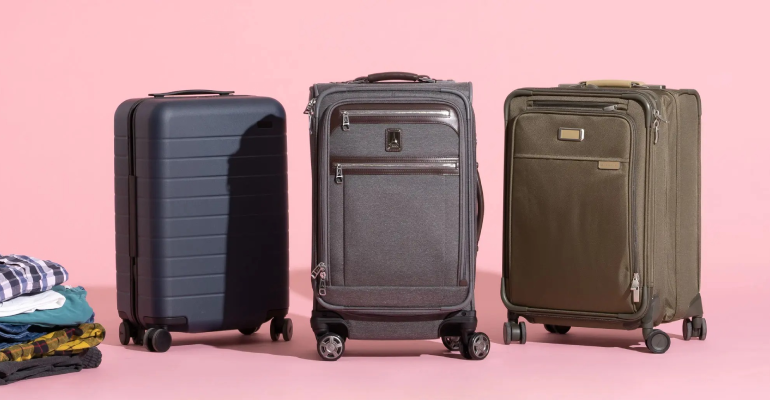
The carry-on luggage market has a specific problem. Everything in the $200 to $350 range looks the same, promises the same things, and performs similarly for the first eighteen months. Then one person’s wheels start wobbling and another person’s zipper starts catching and it becomes clear that the similar-looking products were not actually built similarly. Nobl Travel’s carry-on costs more than most of what’s in that range. The question worth asking honestly is whether the price difference is justified by real construction differences or whether it’s brand premium on a product that performs the same. What the Nobl Carry-On Actually Is The Nobl carry-on is a soft-sided bag — ballistic nylon exterior on an aluminum frame. That combination is worth unpacking because it determines everything about how the bag performs and ages. Ballistic nylon is a specific type of nylon originally developed for military use. It’s heavier than standard nylon and significantly more abrasion-resistant. The weave is tight and the material maintains its structure under stress in a way that thinner nylon doesn’t. It doesn’t scratch the way polycarbonate hard shells scratch. Surface contact that would leave permanent marks on a hard shell leaves ballistic nylon largely unchanged — the material bounces back from abrasion rather than recording it. The aluminum frame gives the bag structure without the weight of a full hard shell. The carry-on holds its shape — you can pack it at three-quarter capacity and it doesn’t sag or warp in the overhead bin. But it also has the flexibility advantage of soft-sided bags — you can fit it into overhead bins that a rigid hard shell sometimes doesn’t quite fit, and you can compress it slightly if needed. The Hinomoto spinner wheels are Japanese-made and the quality shows immediately in how the bag rolls. Most carry-on wheels roll smoothly on flat surfaces and reveal their limitations on textured surfaces — airport tile, cobblestones, uneven pavement outside hotels. The Hinomoto wheels handle all of these without the dragging or catching that cheaper wheels show on anything other than smooth floors. The Overhead Bin Question — Does It Actually Fit? This is the most practical question for any carry-on and the answer for Nobl’s carry-on is yes — with some caveats worth knowing. Nobl’s carry-on fits the overhead bins of major US carriers — Delta, United, American — in standard economy. It fits international mainline carriers. Where it gets interesting is regional jets. Regional jets — the CRJ-700, CRJ-900, and Embraer 175 and 190 that operate most short-haul routes — have smaller overhead bins than mainline aircraft. The Nobl carry-on fits most of these but not all. On the smallest regional configurations — some CRJ-700 setups — the bag is at the edge of what fits. This is not a Nobl-specific problem; it’s a regional jet problem that affects almost every full-size carry-on. But it’s worth knowing that on small regional jets, gate-checking is sometimes unavoidable regardless of what bag you have. For international travelers and people primarily on mainline aircraft, the Nobl carry-on fits without problems. The Interior Organization The main compartment has a full-width divider with compression straps on one side — a panel with a zippered mesh pocket on the other. The compression straps actually work. At full capacity, they compact the contents enough to close the bag without forcing it. At partial capacity, they keep things from shifting around in the overhead bin. The front pocket has actual structure — not a single open cavity but a dedicated organization panel with slots for a passport, a pen, a charging cable, and a few cards. It’s not elaborate but it’s thoughtful. The pockets reflect choices made by someone who travels rather than someone who decided where pockets should go based on what pockets look like. The TSA-approved combination lock is integrated cleanly into the zipper pull — it doesn’t add bulk and it works one-handed, which matters when you’re moving through security with your hands full. The Weight Question The Nobl carry-on is not the lightest carry-on in its class. Ballistic nylon and aluminum are heavier than polycarbonate. Depending on size, the Nobl carry-on weighs approximately 6 to 7 pounds empty. For most travelers on most domestic routes, this is irrelevant. Domestic US carriers don’t weigh carry-ons and the extra pound or two compared to a lighter polycarbonate bag doesn’t matter practically. For international travelers on carriers that enforce carry-on weight limits — many European and Asian carriers have carry-on weight limits of 7 to 10 kilograms — the starting weight of the bag matters because it comes out of that allowance. A 6-pound bag with an 11-pound limit leaves you 5 pounds of contents before you’re at the limit. A 4-pound bag leaves you 7 pounds. That difference is real and worth calculating before buying if you frequently travel on carriers with strict carry-on weight enforcement. How It Compares to Away and Monos Away’s carry-on uses polycarbonate shell construction. It looks good out of the box, rolls well initially, and holds up reasonably for three to four years of regular use. The battery option is polarizing — useful for some, flagged by some airlines, and a source of returns for others. At $295 for the aluminum version, it’s the established benchmark in the category. Monos is the Away alternative for people who want cleaner aesthetics and slightly more refined execution. Polycarbonate construction, good quality at the price, no battery option. Their carry-on runs around $250 to $295. A step up from Away in feel without a dramatic step up in price. Nobl costs more than both. The construction is genuinely different — ballistic nylon versus polycarbonate, Hinomoto wheels versus house-brand wheels, aluminum frame that doesn’t flex versus polycarbonate that flexes under load. Whether those differences matter to you over a five-year ownership period is the actual decision. For someone who travels twice a month and will put a carry-on through 120 flights over five years — the construction difference shows up in how
Peter Millar vs Rhone: Which Men’s Premium Brand Wins?

Peter Millar and Rhone occupy adjacent but distinct positions in the premium men’s clothing market, serving buyers who want quality above mid-market without the full luxury tier investment. The comparison between them is interesting because both produce excellent products while serving meaningfully different lifestyles — understanding which serves which buyer more naturally is the purpose of this comparison. The Brand Identities Peter Millar was founded in 2001 in Raleigh, North Carolina, with a founding focus on the golf market. The brand’s identity is built around the specific aesthetic of premium golf wear extended into everyday life — the polo shirts, the performance pants, the quarter-zips and sweaters that translate from the golf course to the club restaurant to casual weekend dressing. The fabric quality and the construction standards reflect a brand that serves customers who value quality materials and considered design over athletic performance claims. Rhone was founded in 2014 with a founding focus on men’s performance fabric clothing designed to work across athletic and professional contexts. The brand’s identity is built around the specific brief of clothing that performs during a workout and reads appropriately at the office or a dinner afterwards. The GoldFusion antibacterial treatment, the Commuter Pant’s Microstretch fabric, and the specific construction of each piece to support athletic movement while maintaining professional appearance are the product differentiators that have built Rhone’s following. The Products Peter Millar Crown Sport Performance Polo: Buy Now Available at: Peter Millar (petermillar.com), Nordstrom, golf pro shops Best for: The most elegant, quality-forward performance polo available for golf, casual dining, and the country club contexts where Peter Millar’s aesthetic is most at home The Crown Sport Performance Polo uses Peter Millar’s specific Crown fabric — a polyester-spandex blend engineered for the specific requirements of golf: stretch for the swing, moisture management for outdoor summer wear, UV protection for extended sun exposure, and a clean appearance that suits post-round dining contexts. The polo reads as genuinely refined rather than athletic-branded, which is the distinction that defines Peter Millar’s appeal over Nike Golf or Under Armour equivalents. The construction quality is the specific detail that differentiates Peter Millar from performance polos at lower price points. The collar maintains its shape through washing. The buttons are quality shell rather than plastic. The seam finishing is clean. These are details that reveal themselves over years of ownership. Peter Millar Soft Touch Half-Zip Sweater: Buy Now Available at: Peter Millar (petermillar.com), Nordstrom Best for: The layering piece that suits golf, weekend casual, and travel dressing in a fabric quality that reads as luxury rather than athletic The Soft Touch fabric is Peter Millar’s most broadly applicable material — the quarter-zip in this fabric is the piece that most consistently appears in recommendations for the man who wants one versatile mid-layer that suits everything from the golf course to a casual office Friday. The fabric quality is genuinely exceptional for the price — it achieves the soft, substantial feel of cashmere at a lower price using a specific blend that maintains its quality through washing in a way that cashmere doesn’t. Peter Millar Surge Performance Pant: Buy Now Available at: Peter Millar (petermillar.com), Nordstrom, golf retailers Best for: Golf-specific performance pants with a refined aesthetic that suits business-casual contexts as well as on-course wear The Surge Performance Pant is the golf pant that most convincingly crosses into everyday professional casual wear — the clean silhouette, the quality stretch fabric, and the finished appearance make it appropriate for contexts where specifically athletic pants would be too casual. The stretch allows full golf swing range of motion without the visual cost of athletic styling. Rhone Commuter Pant: Buy Now Available at: Rhone (rhone.com), Nordstrom Best for: Men who want a single performance pant that serves gym, commute, and office contexts without visual compromise The Commuter Pant uses Rhone’s Microstretch fabric — a four-way stretch fabric with the appearance of a quality dress trouser and the movement capacity of athletic wear. The specific design brief is a pant that looks like an office pant on the commute, moves like athletic wear at the gym, and serves both without the gym-wear aesthetic that would limit office-context use. The Commuter Pant comparison to the Peter Millar Surge Performance Pant: both are premium performance pants with professional appearance. The Rhone Commuter is more specifically engineered for the gym-to-office crossover; the Peter Millar Surge is more specifically engineered for the golf-to-club crossover. The right choice depends on which specific crossover the buyer needs. Rhone Reign Shorts: Buy Now Available at: Rhone (rhone.com), Nordstrom Best for: Athletic shorts that provide full range of motion for training while reading clean enough for casual outdoor wear The Reign Shorts use Rhone’s Delta fabric with four-way stretch and moisture wicking appropriate for running, gym training, and casual outdoor activities. The quality fabric and clean design makes them the most versatile athletic short in the Rhone range. Rhone Everyday Crew Sweatshirt: Buy Now Available at: Rhone (rhone.com) Best for: Premium everyday sweatshirt in a heavyweight cotton blend with the Rhone attention to fabric quality The Everyday Crew is Rhone’s casual lifestyle piece — the heavyweight cotton-blend sweatshirt that serves weekend and casual office wear. The quality is above comparable sweatshirts from mid-market brands and below luxury alternatives, at a price that reflects this positioning honestly. Price and Value Comparison Peter Millar sits at the higher price tier — the polo at $130, the half-zip at $175, the pants at $145. The pricing reflects luxury-adjacent construction quality and the brand’s specific positioning at the golf lifestyle market where premium price points are well-established. Rhone’s prices are more accessible — the Commuter Pant at $128, the shorts at $68, the sweatshirt at $98 — in a range that competes with Lululemon and other premium activewear brands rather than the golf lifestyle luxury market. Both represent quality above what the mass market delivers. The price differential reflects different market positioning rather than proportionate quality difference across all products. Who Each Brand Serves
Hoka vs ASICS: Which Running Shoe Brand Wins
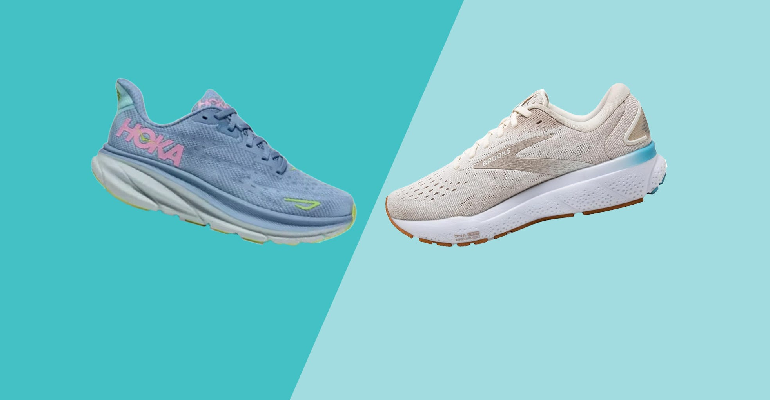
The running shoe landscape in 2026 has never been more technically sophisticated or more confusing to navigate. Hoka and ASICS represent two of the most substantive brands in the category — both with genuine performance credentials, both with clear philosophies about what running shoes should do, and both serving different runner profiles better than the other. The Brand Philosophies Hoka was founded in 2009 by two former Salomon employees who wanted to develop a shoe that would make trail running easier on the descents — the specific mountain running context where oversized cushioning would absorb impact and maintain momentum. The maximalist cushioning philosophy that produced the first Hoka trail shoes has since been applied across road and lifestyle categories, producing the brand that invented and owns the “maximalist” running shoe category. ASICS (Anima Sana In Corpore Sano — a sound mind in a sound body) has been producing running shoes since 1949. The brand’s GEL cushioning technology, introduced in 1986, has been refined across decades. ASICS’s specific investment is in understanding biomechanics and engineering shoes that address the specific gait mechanics of different runner types — pronators, supinators, neutral runners, heavy runners, light runners — with engineered solutions rather than universal cushioning. The Products Hoka Clifton 9: Buy Now Available at: Hoka (hoka.com), Runners Need, Amazon, JD Sports Best for: Runners who want maximum cushioning for longer distances and slower paces, particularly those whose primary concern is protecting their joints from cumulative impact The Clifton is Hoka’s most popular shoe and the entry point recommendation for those new to the brand. The full EVA foam midsole provides the most cushioned underfoot experience available in Hoka’s accessible range without the carbon plate technology of the racing shoes. For runners who log high mileage and want daily training protection, the Clifton’s cushioning platform is the most efficient at the price. Hoka Bondi 8: Buy Now Available at: Hoka (hoka.com), Runners Need, Amazon Best for: Maximum cushioning for walking, extended standing, and low-pace running where the highest stack height available provides maximum impact absorption The Bondi is Hoka’s most cushioned road shoe — the highest stack height in the range, the most substantial foam platform. For those who stand for extended periods, walk long distances, or run at slower paces where cushioning matters more than energy return, the Bondi is the Hoka recommendation. Hoka Speedgoat 5: Buy Now Available at: Hoka (hoka.com), outdoor retailers, Runners Need Best for: Trail running where the Hoka cushioning platform meets the VIBRAM Megagrip outsole’s traction on technical terrain The Speedgoat is Hoka’s trail running signature — the shoe that most directly connects to the brand’s founding purpose of making mountain running more sustainable. For trail runners who want Hoka’s cushioning on technical terrain with reliable grip, the Speedgoat is the category-leading recommendation. ASICS Gel-Nimbus 26: Buy Now Available at: ASICS (asics.com), Runners Need, JD Sports, Amazon Best for: Higher-mileage neutral runners wanting the most cushioned ASICS daily trainer with the brand’s specific gait correction awareness The Gel-Nimbus is ASICS’s premium cushioned daily trainer — the 26th iteration of a line that has been refined for over two decades. The FLYTEFOAM Blast+ midsole adds energy return to the cushioning platform that previous generations’ gel-focused formulations didn’t provide, producing a shoe that addresses both protection and responsiveness. ASICS Gel-Kayano 31: Buy Now Available at: ASICS (asics.com), Runners Need, Amazon Best for: Overpronators and runners with flat arches who need medial post stability alongside cushioning for longer distances The Kayano is ASICS’s stability flagship — the shoe for runners whose gait analysis shows significant pronation that a neutral shoe doesn’t adequately address. The FF BLAST+ ECCO foam and the LITETRUSS medial post provide the stability structure alongside the cushioning that makes the Kayano the specific recommendation for runners who need both. The Technology Comparison Hoka’s core technology: foam stack height (the sheer volume of cushioning material) and the rocker geometry that creates the rolling foot motion that reduces energy expenditure across long distances. The platform width adds stability to the cushioning without requiring the medial post construction of traditional stability shoes. ASICS’s core technology: GEL cushioning units at specific anatomical locations (heel, forefoot), the FLYTEFOAM platform for base cushioning and energy return, and the biomechanics-informed stability structures that address gait-specific needs. The brand’s specific investment in understanding how different runners’ gaits create different impact patterns — and engineering solutions to each — is more sophisticated than Hoka’s more universal cushioning approach. Who Each Brand Serves Better Hoka serves better: Runners prioritising maximum cushioning; trail runners; those returning from injury who need impact absorption; walkers and those who stand for extended periods; runners who find conventional stability structures uncomfortable. ASICS serves better: Runners with specific pronation patterns who benefit from engineered stability; those who want the specific ASICS gel technology at impact zones; runners who prefer a traditional running shoe feel alongside modern cushioning technology; those whose gait analysis specifically recommends stability features. The Everyday Wear Question Both brands have developed lifestyle credibility beyond running. The Hoka Clifton and Bondi are worn extensively as lifestyle sneakers for their distinctive aesthetic. ASICS’s lifestyle lines (the ASICS Tiger range, the Gel-1090) have achieved considerable fashion credibility. For runners who want the same shoes to serve training and lifestyle contexts: Hoka’s distinctive silhouette has developed a specific cultural position that ASICS’s training shoes haven’t achieved at the same level. The Verdict For maximum cushioning and impact protection: Hoka Bondi 8.For the best daily trainer balancing cushioning and energy return: Hoka Clifton 9 or ASICS Gel-Nimbus 26 — the choice depends on whether the Hoka foam platform or ASICS gel/foam combination feels better to the individual runner.For stability running shoes addressing pronation: ASICS Gel-Kayano 31 — no Hoka equivalent addresses significant pronation as specifically.For trail running: Hoka Speedgoat 5.For lifestyle crossover: Hoka — the aesthetic has developed stronger lifestyle credibility. The clearest guidance: get a gait analysis from a specialist running retailer. The analysis result determines which ASICS stability category applies, whether a neutral