HOME | Fashion | Beauty | Home Furnishing | Comparison | Top Reviews |

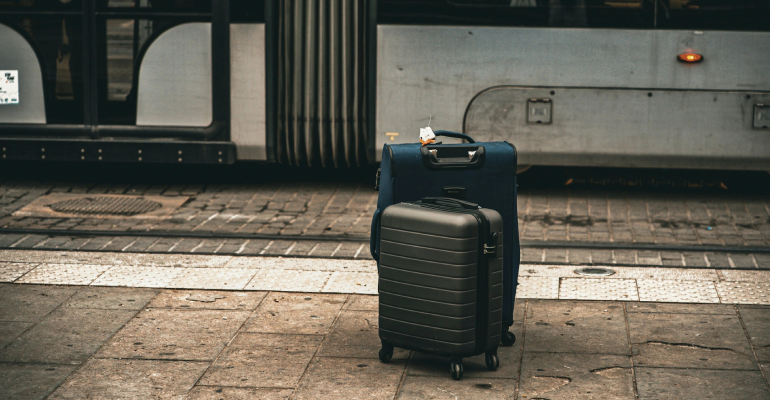
The argument for premium luggage construction is always stronger for checked bags than for carry-ons. A carry-on lives in an overhead bin and rolls across airport floors — conditions that are manageable for most quality luggage. A checked bag gets thrown. That’s not hyperbole. Baggage handlers are moving hundreds of bags per hour under time pressure. The bag goes on a conveyor belt, gets lifted by handlers who aren’t treating it with any particular care, stacked under other bags in the cargo hold, and thrown onto a baggage carousel at the destination. This happens repeatedly on every trip the bag takes.
The question for Nobl Travel’s checked bag is whether ballistic nylon construction makes a meaningful difference in the checked bag context — and whether that difference justifies the premium over polycarbonate alternatives.
Most people don’t think about this in detail because they don’t see it. The bag disappears at check-in and reappears at baggage claim and whatever happened in between is invisible.
What happens in between: the bag is placed on a conveyor belt that moves it to the cargo area. Along the way it contacts other bags, metal conveyor surfaces, and occasionally drops where conveyors meet or where the belt redirects. Handlers in the cargo area load bags into the aircraft hold, which involves lifting, stacking, and arranging bags in a space that’s not designed for careful individual handling. The bag sits under other bags — sometimes heavy ones — for the duration of the flight. At the destination, the process reverses. The bag goes on the carousel, which involves another drop where the carousel mechanism meets the main belt.
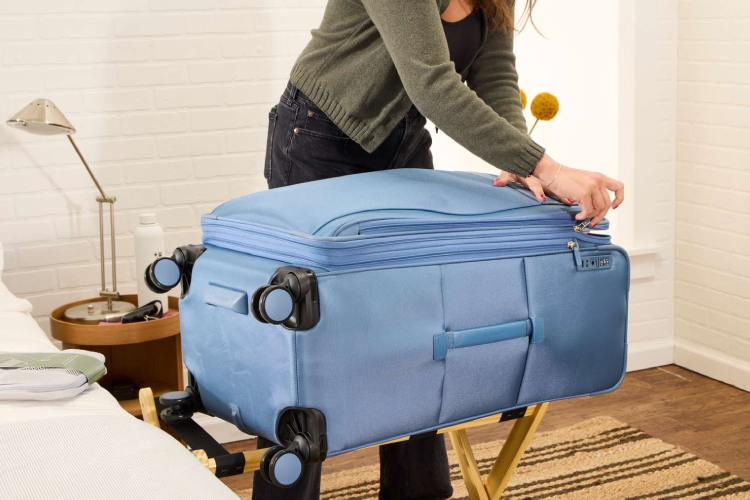
A polycarbonate hard shell records this process visibly. After enough checked travel, a polycarbonate bag has a map of its experiences — scratches, scuffs, one or two corner dents where it took an impact. The structural integrity is usually fine, but the cosmetic condition tells the story.
Ballistic nylon handles this differently. The abrasion resistance means most surface contact leaves no visible mark. The material flexes under impact rather than recording it. A Nobl bag after the same volume of checked travel looks noticeably different — more composed, less marked — than a polycarbonate alternative.
For carry-ons, the aluminum frame maintains the bag’s shape in overhead bins. For checked bags, the frame serves a different purpose — it maintains structural integrity when the bag is stacked under other bags in the cargo hold.
Polycarbonate checked bags can deform slightly under sustained compression from heavy bags stacked on top. The shell flexes inward and usually returns to shape — the memory of polycarbonate is good — but repeated compression cycles can eventually affect the corners and structural elements in ways that become permanent.
Nobl’s aluminum frame on the checked bag maintains the bag’s shape under compression rather than flexing and returning. The bag that goes into the cargo hold is the same shape as the bag that comes off the carousel.
This surprises people but the wheel quality matters for checked bags too — not during the flight, but at both ends.
You’re rolling the bag from check-in to the carousel and from the carousel to your transportation. In many international airports, this involves significant distances and varied floor surfaces. In airports with old or damaged flooring, wheel quality shows up quickly.
The Hinomoto wheels on Nobl’s checked bag roll as well as the carry-on wheels. On smooth floors, the difference from cheaper alternatives is subtle. On the uneven flooring of older airports, on outdoor pavement, on the transition surfaces where airport floors change material — the quality difference is immediately apparent.
Nobl’s checked bag comes in medium and large. The sizing names are less important than understanding what actually fits.
The medium checked bag is appropriate for trips of one to two weeks with normal packing habits. It fits a week of business travel with room for a few personal items. It fits a week of vacation clothes. It doesn’t fit two weeks of clothes plus shoes for multiple activity types — that’s what the large is for.
The large checked bag is for extended trips, family travel where you’re sharing a bag, or travelers who simply pack more than average. The volume is significantly larger than the medium and the weight difference empty is noticeable. If you’re frequently on carriers with checked bag weight limits, starting with a heavier empty large bag cuts into your capacity faster.
The honest recommendation: most individual travelers who check one bag should buy the medium. The large is for specific use cases — extended trips, shared bags, people who know from experience that they need the extra space.
For carry-ons, the weight of the bag competes with carry-on weight limits on some international carriers. For checked bags, the weight of the bag competes with checked bag weight limits — typically 50 pounds on US domestic carriers and varying internationally.
Nobl’s checked bag is heavier than a polycarbonate alternative at similar capacity. How much heavier depends on size. The large checked bag empty might be seven to nine pounds depending on configuration — versus a polycarbonate large checked bag that might be six to seven pounds.
One to two pounds of weight difference is worth a moment’s calculation. If you’re packing a large checked bag to its weight limit, one to two pounds less empty capacity means one to two pounds less packing capacity. For most travelers, this doesn’t matter. For travelers who consistently pack heavy and who push against the weight limit, it’s a real constraint.
Frequent travelers who check bags regularly — the construction durability compounds with use in the same way it does with the carry-on. A bag that holds up significantly better than polycarbonate at 100 checked trips is a meaningfully different ownership experience.
Travelers who’ve had polycarbonate checked bags damaged and are tired of the repair and replacement cycle. The ballistic nylon’s abrasion resistance and the aluminum frame’s structural integrity address the specific failure modes that polycarbonate bags experience in the checked context.
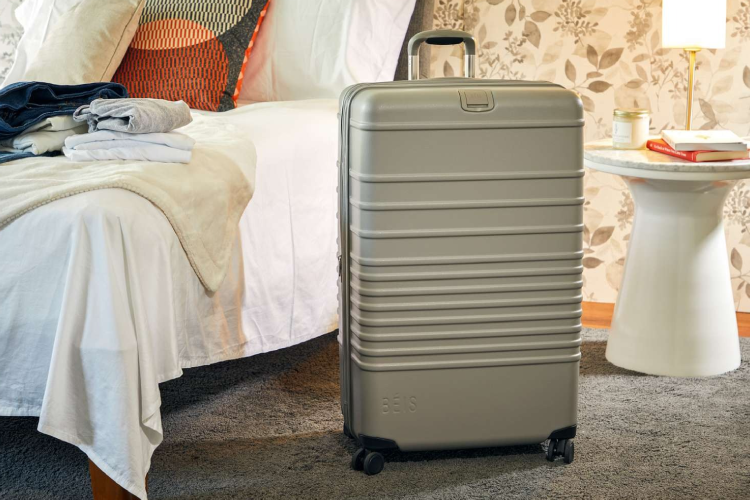
Travelers who care about how their luggage looks over time. The cosmetic aging difference between ballistic nylon and polycarbonate is real and visible. A Nobl checked bag at three years of regular use looks different from a polycarbonate alternative at three years of regular use in a way that matters to some people and not at all to others.
Travelers who check bags infrequently — the premium is harder to justify at low volume because the durability advantage doesn’t have enough cycles to demonstrate itself in a way that affects the ownership experience meaningfully.
Travelers on very strict weight limits who need every pound of capacity they can get from the empty bag weight.
Travelers who are replacing a checked bag that failed and need something available immediately — Nobl’s lead time and online-only model means same-week replacement isn’t available.