Inner Balance Review: Is It Worth Buying? An Honest Look at Quality, Benefits & Value

OGLmove Review: Is It Worth Buying? Honest Review & Buying Guide

ModCloth Review: Is This Vintage-Inspired Fashion Brand Worth It?
AquaCurve Honest Review: Worth the Hype or Not?

Cosori Air Fryer Review: What You Should Know Before Buying
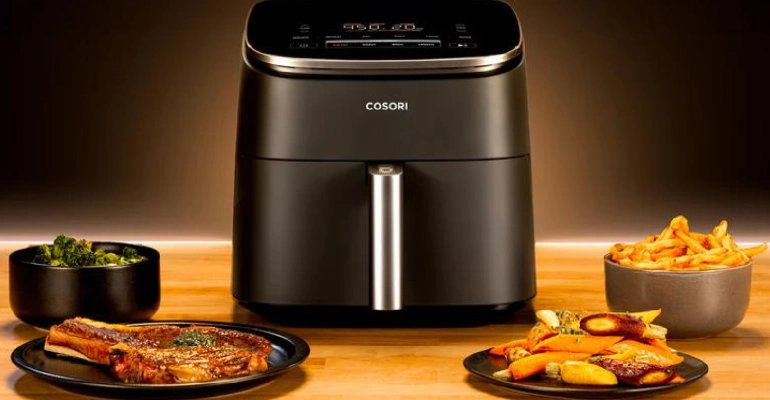
Cosori Where Smart Cooking Meets Inspired Living

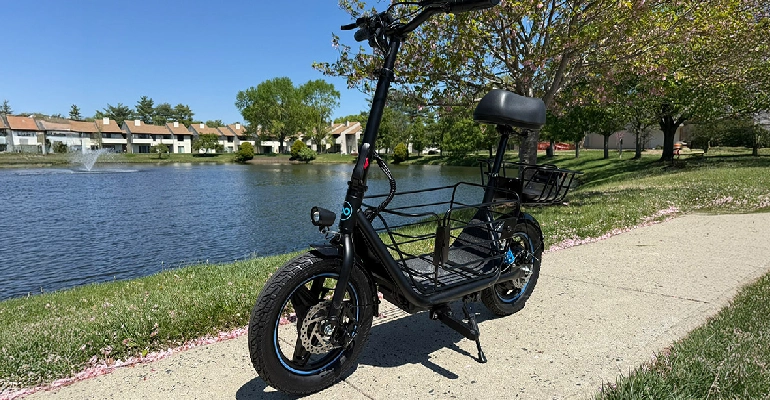
Gyroor Review 2026:
Patagonia Review: Is Its Outdoor Gear Really Worth the Money?
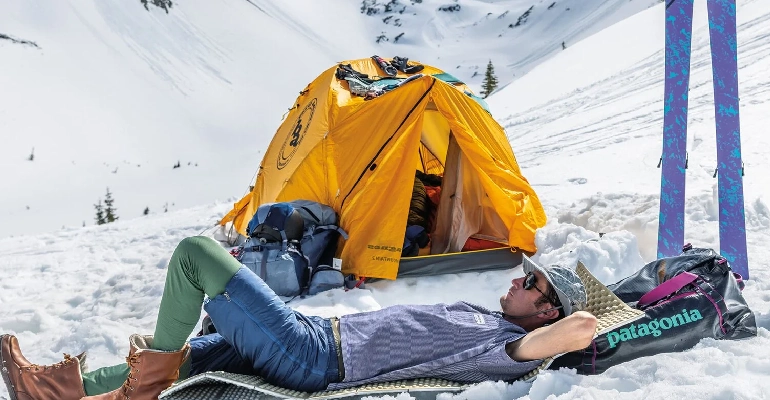
Those who tried to find good outdoor clothing have definitely encountered Patagonia. The brand gained its reputation by producing technical outdoor equipment, quality clothing, concern for the environment, and pragmatic design. However, one has to raise another very natural question after that: is Patagonia worth the money? Patagonia items are never sold as the cheapest one. You can spend several times more on a fleece than you can spend on a regular one. Similarly, insulated and waterproof jackets may cost hundreds of dollars. Therefore, one might think that he or she pays not for the quality, but just for the name. In reviewing Patagonia, we considered its history, philosophy regarding its products, materials used, popular products from Patagonia, customer reviews, efforts towards sustainability, policies regarding warranties and returns, shipment details, privacy, and overall value. We also paid special attention to some of Patagonia’s well-known products, such as the Better Sweater Fleece Jacket, Nano Puff Jacket, Torrentshell 3L Rain Jacket, and Down Sweater Hoody. Our verdict can be considered quite obvious – Patagonia is a legitimate brand and produces quality products, although not all items from Patagonia are necessarily of equal value. In general, the brand is most suitable if one needs a product for extensive usage and would like to pay extra for materials, durability, and overall lifetime of the product. Patagonia Review Patagonia holds an interesting place in the world of outdoor clothing brands. It does not manufacture specialized equipment for climbers, but at the same time, it stands far apart from conventional clothing. Indeed, despite the fact that Patagonia products were initially designed for outdoor use, they have become commonplace clothing nowadays. Indeed, the same Patagonia jacket may be used both when hiking up a mountain and during work or travel on the following day. The same goes for products such as Nano Puff or Better Sweater. Versatility is one of Patagonia’s main advantages. However, Patagonia is also famous for another feature, which sets it aside from other outdoor clothing manufacturers – Patagonia’s commitment to environmental issues. Patagonia claims that its business philosophy was influenced by environmental concerns for decades, and in 2022, founder Yvon Chouinard transferred his company’s ownership to a new organization which was supposed to spend profits not invested back into business on environmental protection. But it does not necessarily mean that every Patagonia garment is an example of perfect environmental performance. First of all, any outdoor clothing involves the use of raw materials, production processes, delivery and later discarding. The company claims that its environmental footprint is still considerable and it continues to try to reduce it. Therefore, instead of relying on its good name only, we decided to analyze the products. Patagonia Brand Origin: How It Started The history of Patagonia is linked to the activity of climbing, not fashion. The founder of Patagonia Yvon Chouinard discovered the passion for climbing during his teenage years. By the 1950s, he started producing climbing gear himself after buying a used forge and other blacksmithing equipment. He produced climbing pitons that he sold to other climbers. In 1965, Yvon Chouinard established the company “Chouinard Equipment” together with Tom Frost. Gradually the business was growing stronger selling climbing gear, but its own products became a threat to the environment in the future. The traditional pitons were hammered into rocks and pulled off again damaging the climbing routes. Therefore, the founders of the company switched to producing reusable aluminum chocks that did not need hammering. It was a commercial risk but it expressed the philosophy of Patagonia, according to which product design has to take into account its impact on the environment. Patagonia itself was created in 1973, developing from the business related to climbing equipment. According to the official company’s history, it started as a small company based on climbing equipment, quality of goods, and connection with nature. In the course of time, however, the company developed and became known as a manufacturer of outdoor clothes. The next important step was taken in 1996, when the company decided to go over to 100% organic cotton, which was reached by the end of the year. Nowadays Patagonia produces various items of outdoor clothing: fleece jackets, insulated jackets, rain shells, pants, shirts, technical clothing, packs, and other outdoor accessories. The interesting thing is that the initial philosophy of the company is rather evident in the products of today. Patagonia pays attention to durability of the products, their repairability, recycling and production of clothing, not just replacing it with new seasonal clothes. Highlights: 1. Real Outdoor History The biggest benefit that Patagonia has is that it actually originated in the field of outdoor performance. Its products have been built on issues such as insulation, weather resistance, packing, moisture management, and mobility. It is precisely this reason why Patagonia attracts many hikers, travelers, climbers, campers and people who spend much time outdoors. 2. Durability of Products Patagonia focuses on durability of its products. The company supports this through repair and exchange programs. For example, Patagonia tries to encourage people to fix their products instead of replacing them, as well as its program Worn Wear, which allows exchanging eligible used clothing and packs for credit. It is important because the real price of a very expensive jacket is not necessarily its price tag. In case if the $200 product will last much longer than the $70 one, the cost-per-use will be completely different. 3. Recycled and Reduced Impact Materials A wide range of Patagonia products incorporate recycled materials. For instance, the current Better Sweater product incorporates 100% recycled polyester, whereas Nano Puff has recycled polyester both in its shell and lining and in its recycled synthetic insulation. The Torrentshell 3L product, on the other hand, has a recycled waterproof breathable face fabric and is free of added PFAS in its fabric, membrane, and DWR finish. 4. Fair Trade Manufacturing Patagonia recognizes Fair Trade Certified factories across many of its products. This does not imply that all processes in the supply chain
sanuk Review 2026:
Aporro Review 2026: