Boutique Rugs Review — Wide Selection, Value Pricing, With Quality That Varies By Style
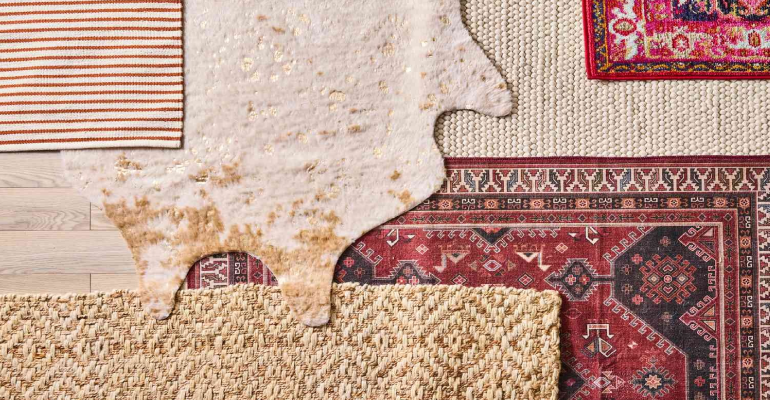
Boutique Rugs has been operating in the online rug market for over 15 years and has crossed one million rugs sold — a scale that produces both a specific strength and a specific limitation. The strength is a selection breadth of thousands of rugs across every style, material, and size at prices that significantly undercut physical rug retailers. The limitation is the quality consistency that comes with sourcing at scale across diverse manufacturing partners — buyers who find the right rug at the right price describe the experience as excellent; buyers who receive a rug whose on-screen colour or texture does not match the delivered product describe a frustrating discovery at a category where in-person assessment is typically part of the purchase process. apibus leo. The most important positive evidence is specific: the Parkerfield Area Rug — Boutique Rugs’ most-reviewed single product with 1,254 reviews — carries a sale price of $159 against a regular price of $339 at 8×10, and the volume of positive buyer accounts for this specific rug, describing durable pile, accurate colour representation, and ease of cleaning, is the most concentrated quality evidence in the Boutique Rugs catalog. The most important negative evidence is equally specific: a buyer writing on Trustpilot in May 2026 described purchasing a 9×12 rug in a specific colourway, receiving a rug that was noticeably darker on one side compared to the other with a shimmer and metallic quality not evident in the product photography — and discovering that Boutique Rugs’ return policy deducts a fee from the refund rather than providing a full refund, an asymmetry between purchase ease and return cost that multiple buyers document as a specific frustration. Quick Highlights ✅ Over one million rugs sold online with 50,000-plus real customer reviews — a scale that produces genuine price competitiveness and a meaningful aggregate quality signal across thousands of buyer experiences ✅ Parkerfield Area Rug — 1,254 reviews, $159 at 8×10 (regularly $339) — the most-reviewed and most consistently praised product in the 2026 catalog, with documented durability and colour accuracy across a large buyer base ✅ 2026 best sellers include the Claydon Thick Luxe Oushak Rug at $259 (regularly $579), the Herstmonceux Area Rug at $149 (regularly $349), and the Gray Ecorse Zebra Print Rug at $99 (regularly $119) — all at documented significant discounts from regular pricing ✅ Performance rug category specifically curated for high-traffic areas — the Pointblank Tan Leopard Print Rug at $159 and the Gray Ecorse Zebra Print Rug at $99 both carry five-star ratings from 40 and 165 buyers respectively ✅ Free shipping and documented responsive customer service — multiple Trustpilot accounts specifically praising Boutique Rugs’ customer service as above average relative to online rug retailers ✅ Selection breadth covers wool, jute, sisal, polypropylene, and washable rugs across styles from farmhouse to contemporary to vintage-inspired — a genuinely wide range for a single online retailer ❌ Return policy deducts a fee from refunds rather than providing a full return — specifically documented as a frustration by buyers who received rugs that did not match online photography and expected a cost-free return option ❌ Colour accuracy documented as inconsistent between online photography and delivered product — specifically for darker colourways and textured weaves where the photography does not always convey the true tone or sheen ❌ Some rugs documented as having difficulty flattening after delivery — a shipping-roll characteristic common to online rug purchases but noted specifically in accounts of thicker pile rugs that take longer than expected to settle ❌ Shedding documented in some pile rug accounts — a characteristic of certain wool and high-pile construction that Boutique Rugs does not always disclose prominently at the point of purchase ❌ Sizing documented as occasionally differing from published dimensions — specifically for larger format rugs where a 9×12 label covers a meaningful range of actual finished dimensions ❌ The high-discount pricing model — with regular prices often significantly above sale prices — has been noted by buyers as potentially inflating the perceived saving relative to the genuine market value Why Trust This Review This review draws on Boutique Rugs’ own published product pages and review data, Trustpilot’s Boutique Rugs review record (994 accounts), and independent buyer accounts across Reddit’s r/malelivingspace and r/femalelivingspace communities. No commercial relationship with Boutique Rugs. No affiliate link influences any rating or conclusion. About Boutique Rugs Boutique Rugs has been operating online for over 15 years, building a catalog that covers area rugs, runners, and home décor items across every major rug style, material, and size. The brand has crossed one million rugs sold and carries 50,000-plus real customer reviews across its catalog. Its product range covers performance rugs for high-traffic areas, washable rugs, wool rugs, jute rugs, outdoor rugs, and vintage-inspired designs, with 2026 best sellers including the Parkerfield, Herstmonceux, Claydon, and Ecorse ranges. Full Review Breakdown Selection and Pricing — The Core Documented Advantage Boutique Rugs’ selection breadth and pricing relative to physical rug retailers and premium online alternatives like Loloi and Surya is its most specific, most consistently documented advantage. The Parkerfield Area Rug at $159 for 8×10 against a regular price of $339 represents a 53% discount — and with 1,254 reviews at five stars, this is the specific product whose quality documentation is most concentrated and most credible in the catalog. The 2026 best seller positioning reflects genuine buyer demand rather than algorithmically managed lists — the Parkerfield’s review volume is the product of organic repeat purchase and recommendation, and the quality documentation across those 1,254 accounts is more meaningful than a smaller but higher-rated alternative. The discount model across the catalog — with regular prices typically set significantly above sale prices — is worth understanding before interpreting the savings. The sale prices are the genuine transaction prices for most Boutique Rugs purchases; the regular prices represent the retailer’s stated original value rather than what buyers typically pay. Colour Accuracy — The Most Important Pre-Purchase Consideration The gap between online photography and delivered product
Therabody Review — The Original Massage Gun Still Leads, With Model Selection That Matters

Therabody invented the consumer percussion massage gun category and has maintained its position at the top of it through consistent product iteration, ergonomic innovation, and a brand identity that has made the triangular multi-grip Theragun handle one of the most recognisable fitness product designs on the market. The brand’s current range spans from the Relief at $149 through to the Pro Plus at $549 — a price hierarchy that reflects genuine performance differences rather than tier marketing. The most important positive evidence is specific: Garage Gym Reviews’ 2026 assessment of five Theragun models concluded that Therabody makes great tools for percussion massage at home, on the road, or anywhere else you take your Theragun — recommending the Theragun Prime as the best overall massage gun for people who want powerful percussion without an exorbitant price tag, specifically praising the triangular multi-grip handle as making it easy to massage hard-to-reach places compared to the standard single handle on other massage guns. The most important negative evidence is equally specific: a Thingtesting buyer who paid $430 for a Theragun described it failing after approximately five or six uses per year for a couple of years — describing the experience as disappointing for a device at premium prices and recommending buyers check Ross and TJ Maxx for $20–$40 alternatives that may last comparably. Quick Highlights ✅ Theragun Prime (6th Generation) at $259.99 — Garage Gym Reviews’ 2026 recommendation as the best overall massage gun for buyers who want powerful percussion without the top-tier price tag, with an impact-resistant design and the triangular multi-grip handle ✅ Theragun Sense — Therabody’s 2026 best reviewed model — rated five stars by TechRadar’s reviewer and described as the perfect blend of Pro performance and everyday usability, with an LCD screen for guided routines and standard plus dampener attachments ✅ Theragun Pro Plus at $549.99 (reduced from $649.99) — the ultimate Therabody device with five head attachments, heat therapy attachment, vibration therapy attachment, triangle multi-grip design, LED near-infrared light, and a biometric heart rate sensor ✅ Theragun Relief at $149 — the most accessible Therabody option, described by Mass Massage Gun Advice as compact and lightweight, with a smaller body than larger Theraguns but retaining the triangular ergonomic design, specifically described as ideal for casual users and budget-conscious buyers ✅ Black Friday sale documented at up to 35% off the full range — Theragun Sense and Pro Plus both documented at $100 off during peak sale events ✅ Therabody as a brand earns its premium badge — percussive power is legit, ergonomics are dialled, and the app actually helps you use it better, per ConsumersBest’s 2026 independent assessment ✅ Theragun Relief documented at Best Buy by multiple verified buyers as exceeding expectations at $149 — described as extremely durable, incredibly powerful, and with a charge lasting several weeks ❌ A Thingtesting buyer who paid $430 for a Theragun described it failing after approximately five or six uses per year for two years — describing the longevity as disappointing for a premium-priced device ❌ Noise level documented across Thingtesting buyer accounts as a genuine limitation — specifically noted by buyers who expected quieter operation and found the Theragun louder than marketed ❌ The lowest speed settings on some models documented as overly intense for casual users — buyers who want a gentle massage specifically report the intensity floor as too high even at minimum settings ❌ Some models documented as heavy and difficult to use on specific body areas independently — particularly the shoulder and upper back, where reaching requires awkward arm positioning ❌ The app documented as underutilised by many buyers — a feature that adds value for buyers who engage with guided routines but generates no practical benefit for buyers who prefer manual use ❌ Price premium over capable alternatives from Hyperice and Achedaway is real at every tier — do your research before purchasing, as comparable percussion performance is available at lower prices from alternatives Why Trust This Review This review draws on Garage Gym Reviews’ 2026 five-model Theragun comparison, Thingtesting’s Therabody aggregated buyer review, ConsumersBest’s 2026 Therabody independent assessment, Massage Gun Advice’s May 2026 Theragun Relief review, Best Buy’s verified buyer review data, and TechRadar’s Theragun Sense review. No commercial relationship with Therabody. No affiliate link influences any rating or conclusion. About Therabody Therabody is a Los Angeles-based wellness technology company founded in 2016 by Dr. Jason Wersland, a chiropractor who developed the original Theragun prototype after a motorcycle accident to treat his own chronic pain. The brand produces the Theragun percussion massage device range, the TheraFace line of facial wellness devices, the SmartGoggles recovery goggles, and accessories. The Theragun’s triangular multi-grip handle — patented and distinctive — is the brand’s most recognisable design element and most practically differentiated product feature compared to single-handle alternatives. Full Review Breakdown The Model Hierarchy — What Actually Changes at Each Price Point The Therabody range spans a genuine performance hierarchy rather than a purely marketing-driven one. Understanding what changes between models is the most important pre-purchase step. The Theragun Relief at $149 is the entry model — compact, lightweight, three speeds, essential attachments, and decent battery life. Described as ideal for casual users and budget-conscious buyers looking for full-body gentle massage. The first thing reviewers notice is how compact and lightweight the Relief feels compared to larger Theraguns, even retaining the triangular design. The relief handles daily muscle soreness and general wellness use well. The Theragun Prime (6th Generation) at $259.99 is the documented sweet spot — the recommendation for buyers who want powerful percussion without the top-tier price. The Prime delivers scientifically proven powerful percussive therapy in Therabody’s most durable design yet, built to withstand intense training, outdoor adventures, and everyday wear and tear. The 6th generation update specifically focused on impact resistance and build durability following documented longevity concerns in earlier generations. The Theragun Sense is the 2026 best-reviewed model for everyday usability — an LCD screen for guided routines, standard and dampener attachments, and
Great Jones Cookware Review — Beautiful Cookware That Performs, With Durability That Requires Honest Management
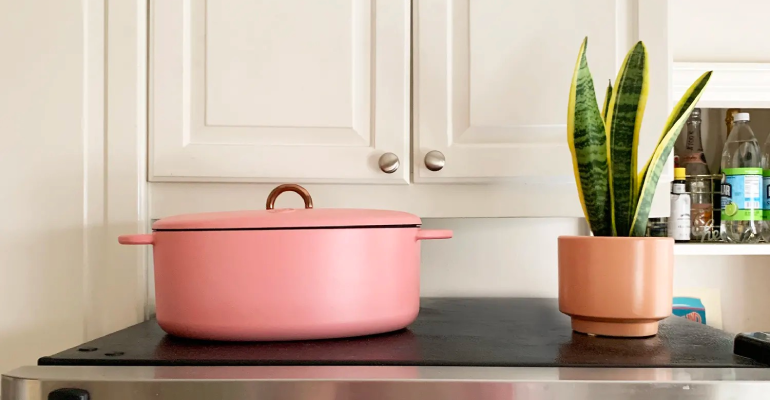
Great Jones has done something genuinely difficult in the cookware market — it has produced pots and pans that people actively want to have out on their counters rather than hidden in a cabinet. The brand’s vivid colourways — Broccoli, Blueberry, Pepper, Taffy, Mustard, Raspberry, Salt — are the most visually distinctive in the DTC cookware category, and the brand has built a following that treats its Dutch ovens and sheet pans as kitchen décor as much as cooking tools. The most important positive evidence is specific: Great Jones pieces are well-constructed with even heat distribution and solid enamel coatings, and they perform admirably for everyday cooking at roughly half the cost of comparable Le Creuset pieces — the Dutchess 6.75-Quart Cast-Iron Dutch Oven at $205 versus Le Creuset’s equivalent at $445 and above is the most specific price comparison the brand has built its marketing around, and independent reviewers confirm the performance claim is largely accurate for home cooking use. The most important negative evidence is equally specific: while users love the vivid colours, easy cleaning, and even browning, many report chipping or peeling coatings, warping at high heat, fading finishes, and nonstick pans that lose performance within a year — a documented durability concern that the brand’s aesthetic appeal can obscure at the point of purchase. Quick Highlights ✅ The Dutchess 6.75-Quart Cast-Iron Dutch Oven at $205 — approximately half the price of a comparable Le Creuset at $445 and above, with independent reviewers confirming comparable performance for everyday home cooking ✅ Best-selling products for 2026 include the Holy Sheet nonstick half-sheet pan at $45, the Hot Dish 9×13-inch ceramic casserole dish at $105, and The Dutchess — a range that covers the most common home cooking needs ✅ Nonstick coating is PTFE-free and PFOA-free across the ceramic nonstick range — a specific, documented non-toxic formulation for health-conscious buyers ✅ Dutch Baby 3.5-Quart Cast-Iron Dutch Oven at $165 — the smaller-format recommendation for single cooks and couples who want the cast-iron performance without the scale of The Dutchess ✅ Free shipping on orders over $100, 30-day trial, and free returns — a purchase process that reduces the financial risk of ordering without in-person assessment ✅ King Sear 12-Inch Cast-Iron Skillet at $125 — a versatile cast-iron option praised for heat retention and searing capability ✅ Family Style complete cookware set at $655 (save $90) and Precious Metals stainless steel set at $450 (save $80) — the full bundle options for buyers equipping a kitchen from scratch ❌ Multiple buyers report chipping or peeling coatings, warping at high heat, fading finishes, and nonstick pans losing performance within a year — documented by Thingtesting’s 2026 aggregated review across multiple buyers ❌ The Dutchess is lighter than a Le Creuset of the same size — a trade-off that some buyers see as a plus (easier to move) and others see as a limitation (less heat retention than heavier cast iron) ❌ Nonstick ceramic coating requires specific care — low to medium heat only, no metal utensils, hand washing recommended over dishwasher despite dishwasher-safe marketing — care requirements that some buyers discover after damage rather than before ❌ White colourway enamel documented as susceptible to staining with regular use — buyers who use The Dutchess in white for bread-making specifically describe staining that cleaning does not fully resolve ❌ Baking sheets specifically documented as showing colour fading after less than a year of regular use — a specific durability concern for the non-cast-iron range Why Trust This Review This review draws on Thingtesting’s 2026 aggregated buyer review, Sustainably Kind Living’s December 2025 in-depth review, LivingCozy’s independent Great Jones assessment, SunnyWeb’s expert guide, and Great Jones’ own published product pages and pricing documentation. No commercial relationship with Great Jones. No affiliate link influences any rating or conclusion. About Great Jones Great Jones is a New York-based DTC cookware brand founded in 2018, producing cast iron Dutch ovens, ceramic nonstick pans, stainless steel cookware, and ceramic bakeware in vivid, kitchen-forward colourways. The brand’s manufacturing is transparent — cast iron and enamelled pieces are produced in China, which Great Jones publicly documents and which multiple independent reviewers note is standard practice across well-regarded cookware brands. The brand’s product range covers cast iron (The Dutchess, Dutch Baby, King Sear), ceramic nonstick (Small Fry 8.5-inch at $90, Large Fry 10-inch at $105), stainless steel (Deep Cut, Saucy, Big Deal), and ceramic bakeware (Hot Dish, Little Hottie, Sweetie Pie). New products in 2025 include the Sweet and Savory Baking Mats, Full Steam Duo, and Little Hottie. Full Review Breakdown The Dutchess and Cast Iron Range — The Performance Evidence The Dutchess 6.75-Quart Cast-Iron Dutch Oven at $205 is the product that built Great Jones’ reputation, and the independent performance evidence largely supports the marketing claim. Independent reviewers confirm the piece performs admirably for soups, stews, casseroles, bread-making, and braising — the standard home-cook use cases for a Dutch oven — at a price point that is roughly half the Le Creuset equivalent. The enamel finish is smooth and consistent, and the oval shape accommodates roasting whole cuts of meat in a way that round Dutch ovens do not. The lighter-weight trade-off versus Le Creuset is real but depends on what the buyer values. For buyers who struggle with the weight of a full cast-iron Dutch oven, the Great Jones version is specifically easier to move in and out of the oven. For buyers who prioritise maximum heat retention and the heirloom-quality durability of a 25-year investment piece, Le Creuset’s heavier construction delivers something materially different. The Dutch Baby 3.5-Quart at $165 is the smaller-format recommendation for single cooks and couples — the same enamelled cast-iron construction and performance in a size better suited to smaller batch cooking without the volume or weight of The Dutchess. Nonstick Ceramic Range — The Care Requirements That Matter The Small Fry 8.5-inch and Large Fry 10-inch ceramic nonstick fry pans use a non-toxic ceramic coating — PTFE-free and PFOA-free — that
Magda Butrym Review — Warsaw’s Most Romantic Designer, at Prices That Require the Right Occasion

Magda Butrym is a Warsaw-based designer whose work has moved from niche European editorial attention to a genuinely global luxury fashion position — worn by Selena Gomez, Rihanna, and a generation of women who want clothing that is unambiguously feminine without being derivative. The brand’s signature floral appliqués, intricate ruching, bold shoulder details, and use of silk, velvet, and crepe position it at the intersection of romanticism and contemporary glamour — a specific aesthetic that has no close equivalent in the accessible mid-range and is executed at a quality level that justifies the luxury positioning. The most important positive evidence is specific: each Magda Butrym collection showcases meticulous attention to detail, artisanal craftsmanship, and a reverence for high-quality fabrics — brought to life in collaboration with independent artisans across Poland, confirming a manufacturing provenance that is specific, geographically grounded, and consistent with the price points the brand charges. The most important negative evidence is equally specific: Magda Butrym silk dresses require professional dry cleaning to maintain their delicate fabric and intricate details — a care requirement that means the ongoing maintenance cost is real and that buyers who treat luxury pieces as machine-washable will damage their investment quickly. Quick Highlights ✅ Spring 2026 collection inspired by Polish artist Paulina Olowska’s Geneva exhibition — a creative direction grounded in genuine artistic reference rather than trend following, reflecting the brand’s consistent editorial positioning ✅ Fall 2026 collection “Zima” — named after the Polish word for winter — takes a significant design departure into outerwear, showing the brand’s range beyond its signature sensual dress category ✅ H&M x Magda Butrym collaboration pieces — including the Oversized Wool Blazer and Baggy Pleat-Front Jeans — tested by Marie Claire editors and described as successfully translating the brand’s aesthetic into accessible price points, with the blazer specifically praised for its padded shoulders and power suit appeal ✅ Collections blend romanticism with modernity, elegance with effortlessness, and minimalism with sensuality — brought to life with the highest quality fabrics and independent artisan collaboration across Poland, per Elyse Walker’s documentation ✅ Signature elements — intricate floral appliqués, delicate ruching, bold shoulder details — are consistently recognisable across seasons and constitute a coherent brand language rather than trend-dependent design ✅ Strong secondary market demand — authenticated Magda Butrym pieces on 1stDibs confirm that the brand’s desirability sustains resale value, with a 2024 flower appliqué ruched jersey gown listed at $1,300 in excellent condition ✅ Generally true to size — a documented sizing consistency that reduces the return risk for online purchases at luxury price points ❌ Silk dresses require professional dry cleaning — a specific, documented care requirement that adds ongoing cost for pieces that buyers intend to wear regularly ❌ Price points range from approximately $700 for accessible pieces to $3,000-plus for statement gowns — genuinely luxury pricing that positions the brand above what most buyers can justify for other than special occasions or investment wardrobing ❌ The brand’s aesthetic is highly specific — buyers who are not drawn to the romantic, feminine, floral-and-ruching direction will find nothing in the Magda Butrym catalog that speaks to their preferences, making it a brand for a specific buyer rather than a versatile wardrobe staple source ❌ Direct purchase from magdabutrym.com means full retail pricing — sales and reductions at luxury stockists including Italist, Farfetch, and Net-a-Porter are documented as the most accessible pricing outside of direct purchase ❌ The brand’s rising profile since the H&M collaboration has expanded awareness beyond the core buyer — creating secondary market demand but also increasing competition for limited-run pieces during launch windows Why Trust This Review This review draws on WWD’s Spring 2026 and Fall 2026 collection reviews, Marie Claire’s H&M x Magda Butrym collaboration testing, Elyse Walker’s brand documentation, 1stDibs’ authenticated secondary market listings, and Italist’s brand review. No commercial relationship with Magda Butrym. No affiliate link influences any rating or conclusion. About Magda Butrym Magda Butrym is a Warsaw-based luxury fashion brand founded by designer Magda Butrym, whose collections are produced in collaboration with independent artisans across Poland. The brand has been shown at Paris Fashion Week and has developed a following among fashion editors, stylists, and celebrity dressers who respond to the brand’s specific blend of luxury and bohemian romanticism. The product range covers dresses (the core category), tops, skirts, trousers, outerwear, shoes, and accessories. Available through magdabutrym.com, Net-a-Porter, Farfetch, Matches, Italist, and select luxury boutiques. Full Review Breakdown The Design Identity — What Makes Magda Butrym Distinct Magda Butrym’s aesthetic is specific enough to constitute a recognisable brand language: floral appliqués in three-dimensional organza or satin that sit on the surface of the dress rather than printing flat; intricate ruching that follows the body’s contours in a way that requires skilled construction to execute well; shoulder treatments that range from voluminous to sculptural to delicately exposed; and a colour palette that favours deep jewel tones, warm earth tones, and seasonal primary colours alongside the black and cream that anchor the permanent range. The 2026 collections reflect evolution without drift. The Spring 2026 collection borrowed couture silhouettes with folkloric and romantic spin, inspired by Paulina Olowska’s oil paintings of women in hats — a creative reference that produced candy floss-like hats in purple, yellow, and white alongside the brand’s signature dress shapes. The Fall 2026 “Zima” collection made outerwear the core proposition, drawing on the nonchalant confidence of a character from a 1960s Polish film — a thematic departure that showed the brand’s capacity for creative range without abandoning its Warsaw identity. Construction Quality — The Artisan Collaboration Evidence The brand’s most specific quality credential is the collaboration with independent artisans across Poland — a manufacturing provenance that produces the skilled execution necessary for the brand’s signature three-dimensional appliqué work, ruching details, and complex fabric manipulations. Magda Butrym’s construction feels built for pieces that are intended to be worn, not merely displayed — the secondary market evidence (authenticated pieces on 1stDibs described as in excellent condition after previous wear) confirms
Birdies Shoes Review — The Most Comfortable Flat Shoe You Will Have to Break In First
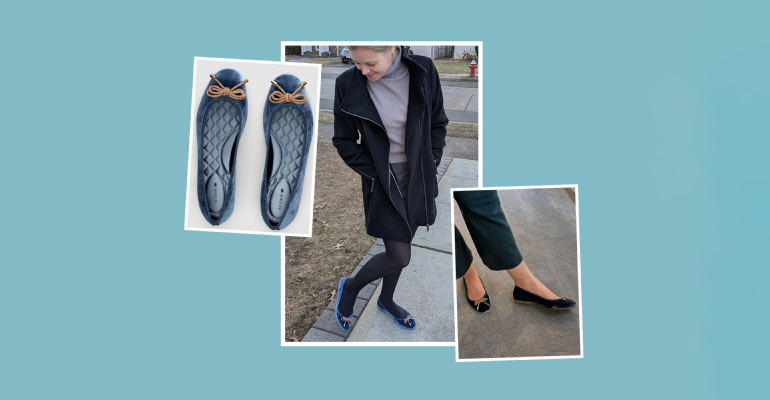
Birdies built its brand on a specific and documented promise: a flat shoe that combines the cushioned comfort of a slipper with the professional appearance of a luxury flat. The San Francisco-based women-led company developed a 7-layer comfort technology — rubber sole, quilted satin insole, high-density foam, memory foam, and additional structural layers — that has generated 25,000-plus five-star reviews on the brand’s own platform and sustained three-year ownership accounts that describe continued daily wear without comfort degradation. The most important positive evidence is specific: after three years of testing The Starling shoes, an Atlas Heart reviewer in 2026 documented that Birdies provides some of the highest-quality materials seen in flats, the best arch support she had come across, a unique slipper style that is both trendy and comfortable, and a return process that was super easy when she accidentally ordered the wrong size. The most important negative evidence is equally specific: Birdies take time to break in — when first received they are pretty stiff and can take time to break in, a documented characteristic that surprises buyers who expect immediate cloud-like comfort before the shoes have been worn through their break-in period. Quick Highlights ✅ 7-layer comfort technology — rubber sole, quilted satin insole, high-density foam, and memory foam — documented after three years of regular testing as maintaining its cushioning and arch support without degradation ✅ Over 25,000 five-star reviews on Birdies’ own platform — a review volume that provides the most concentrated quality signal in the women’s flat shoe category among DTC brands ✅ Starling flat in velvet, calf hair, and satin constructions — the brand’s most consistently recommended style across independent reviewers, specifically praised for its quilted satin insole and the luxury feel it delivers at a price significantly below Italian handmade alternatives ✅ 30-day fit guarantee with free shipping and returns — a specific purchase protection that reduces the financial risk of ordering online for a shoe category where fit is highly individual ✅ Half sizes available — a specific practical advantage for buyers who are between standard whole sizes and have historically struggled to find comfortable flat shoes ✅ Vegan options across the velvet and satin range — a documented material specification for buyers who specifically require vegan footwear in the flat shoe category ✅ Packable for travel — documented by Thingtesting buyers as a specific practical advantage for buyers who want stylish professional footwear in a travel-packable form ❌ Break-in period is real and documented — the shoes are stiff when first received and take time to wear in, a characteristic that surprises buyers who expect immediate comfort and that requires patience before the 7-layer technology delivers its documented feel ❌ Price point of $130–$150 for most styles is at the premium end of the accessible flat shoe category — worth it for buyers who confirm the comfort, harder to justify before the shoes have been broken in ❌ Some Thingtesting buyers documented holes developing where the big toe meets the shoe after regular wear — a specific durability concern for buyers who wear their flats daily at high frequency ❌ The design aesthetic is specifically described by one reviewer as looking grown-up rather than conveying modern sophistication — a subjective aesthetic limitation worth noting for buyers who want something more fashion-forward than classic ❌ Knit version of the Blackbird loafer documented by a Thingtesting buyer as discontinued and replaced with leather — a product evolution that removed a specifically praised washable option ❌ Wide-foot buyers specifically advised to size up half a size — a documented fit recommendation that buyers should apply before purchasing Why Trust This Review This review draws on Atlas Heart’s June 2026 three-year Starling review, Emmaline Bride’s April 2026 independent review, Alleygirl’s honest review, Thingtesting’s Birdies aggregated buyer accounts, Lizzie in Lace’s February 2026 review, and Birdies’ own published product pages and review platform. No commercial relationship with Birdies. No affiliate link influences any rating or conclusion. About Birdies Birdies is a San Francisco-based women’s footwear brand founded in 2015 by Bianca Gates and Marisa Sharkey. The brand was built around the specific observation that women deserve shoes that are both comfortable and stylish — the 7-layer comfort technology was developed to combine the comfort of indoor slippers with the professional appearance of luxury flats. The product range has expanded from its original slip-on flat focus to include mules, sneakers, sandals, and clogs. Birdies sells direct-to-consumer through its website with a 30-day fit guarantee and free shipping and returns. Full Review Breakdown The 7-Layer Comfort Technology — What Three Years of Testing Actually Documents The Atlas Heart reviewer’s three-year testing account is the most longitudinally specific quality documentation available for Birdies, and it is the most credible evidence of whether the comfort technology sustains itself across extended regular use. The documented outcome after three years of countless strolls, soirées, and workdays: the arch support remains the best she had come across in flats, the cushioning continues to provide cloud-like support, and the materials remain high-quality and durable. This is the outcome that Birdies’ marketing promises and that the three-year account confirms — a flat shoe whose comfort technology delivers what it claims and sustains that delivery across regular use. The 25,000-plus five-star reviews on the brand’s own platform are consistent with this long-term evidence. The Break-In Reality — The Most Important Pre-Purchase Information The break-in period is the most uniformly documented Birdies characteristic across every independent review source consulted, and it is the specific expectation management issue that prevents buyers from returning shoes that will ultimately become their most-worn pair. Birdies are pretty stiff when first received. Even after break-in, they have minimal give. The break-in period requires wearing the shoes for enough accumulated time — typically described as three to seven wearings — before the foam layers compress to the foot’s specific shape and the slipper-like comfort the brand markets becomes the daily experience. Buyers who wear their Birdies once, find them stiff, and return
How to Pack the Nobl Travel Carry-On — Tips That Actually Work
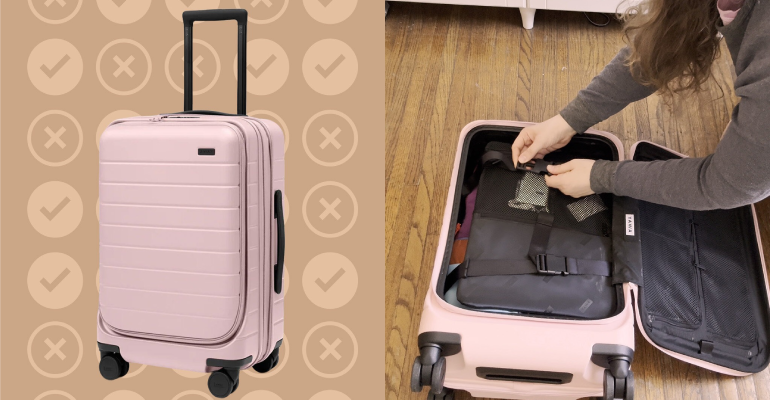
Most packing advice is written by people who have a lot of opinions about packing cubes and not much else to say. This guide is about what actually works for getting the most out of a carry-on on real trips — specifically the Nobl Travel carry-on, which has a specific set of dimensions and organizational features that reward certain packing approaches over others. The goal: one week in a carry-on, checking no bags, arriving with everything you need and nothing you don’t. Start With the Weight, Not the Volume Most people approach carry-on packing as a volume problem — how much can I fit? The more useful frame for carry-on-only travel is weight. A bag that’s packed to capacity but under the weight threshold for airlines that weigh carry-ons is fine. A bag that’s packed lightly but is overweight is a problem on some international carriers. Nobl’s carry-on itself weighs approximately 6 to 6.5 pounds empty. On carriers with a 7-kilogram (15.4 pound) carry-on limit — common on European carriers — that leaves you about 9 pounds of content before you hit the limit. On carriers with a 10-kilogram limit, you have about 16 pounds. Know your routes and your carrier policies before you start packing. For US domestic travel, carry-on weight limits are rarely enforced in practice. Pack for volume and comfort rather than weight on domestic routes. The Nobl Interior Layout — Work With It, Not Against It The Nobl carry-on’s main compartment has a divider down the middle — compression straps on one side, mesh panel on the other. The compression straps are functional, not decorative. They actually compress the contents enough to close the bag at full capacity and prevent shifting in the overhead bin. The practical packing approach: put your heaviest items against the bag’s back panel — the side that rests against the overhead bin when loaded. Shoes, toiletries bag, any hard items. This puts the weight against the structural part of the bag and prevents the heavier items from shifting and compressing the clothing. Clothing goes in the main cavity. The compression straps hold it in place. You don’t need packing cubes if you fold consistently — roll method for casual clothes, ranger roll for items that crease easily, flat stack for dress shirts or trousers that need to arrive unwrinkled. The front pocket is for items you need access to during travel, not for packing capacity. Passport, boarding pass, phone charger, a pen, earbuds. Keep this pocket functioning as intended rather than treating it as overflow space. The One-Week Carry-On Formula This is the framework that works for most professional travelers doing one-week carry-on-only travel. Seven pairs of underwear and socks — non-negotiable. Don’t try to re-wear these or count on laundry. Three to four bottoms — two pairs of trousers or pants plus one pair of jeans or casual pants. Most people overestimate how many bottoms they need. Bottoms don’t need daily changing unless you’re in a situation that demands it. Five to six tops — three professional and two or three casual, depending on the trip type. Shirts take up more space than trousers but weigh less. The balance point for most travelers is fewer bottoms and more tops rather than the reverse. One layer — a jacket, blazer, or cardigan depending on the season. Wear this on the plane rather than packing it. Worn-on layers don’t count against carry-on volume. One pair of shoes beyond what you’re wearing — pack shoes that work for more than one occasion. A clean white sneaker or a simple leather shoe that works for both dinner and day use. Two shoes for two contexts is the maximum that works in a carry-on. Toiletries in TSA-compliant containers in the dedicated toiletries section. If you’re staying at hotels, you don’t need to bring full-size product — use the hotel toiletries for most things and pack only the products the hotel won’t have. What to Leave Behind The instinct to pack for every possible scenario is the enemy of carry-on travel. Challenge every item with: how likely am I to actually need this, and what’s the cost if I’m wrong? “Just in case” items — the extra pair of shoes, the additional jacket, the formal outfit for an event that’s not confirmed — are the things that turn a carry-on trip into a checked bag trip. The cost of being wrong is almost always manageable. You can buy a cheap umbrella at your destination if it rains. You can go to a pharmacy for anything you forgot. You can wear what you have to an event that called for something slightly different and be fine. Guidebooks, heavy books, full-size electronics that can be substituted by phone or tablet — these are the weight items that eat into your carry-on weight budget without proportional value. A Kindle weighs less than one paperback. The Airport Strategy The Nobl carry-on is sized for overhead bin compliance on mainline carriers. The strategy for getting overhead bin space consistently: Board early if you have the option. Overhead bins fill from the front and empty first at the front. Business and premium economy travelers board early and overhead space near the front fills quickly. If you’re in economy on a full flight and you board in the last group, the overhead bins near your seat are often full and the bag ends up two or three rows behind you. If you’re on a regional jet where the bag might not fit — and the gate agent is taking bags to gate-check — put it in the overhead bin yourself before the gate agent can preemptively tag it. Most regional jet overhead bins that look too small are actually fine if you load the bag wheel-first and on its side. Never check the Nobl voluntarily if you can avoid it. The point of the carry-on investment is arriving with your bag at the carousel instead of waiting for it.
Breville Review — The Gold Standard for Home Espresso, With a Model Decision That Determines Your Experience
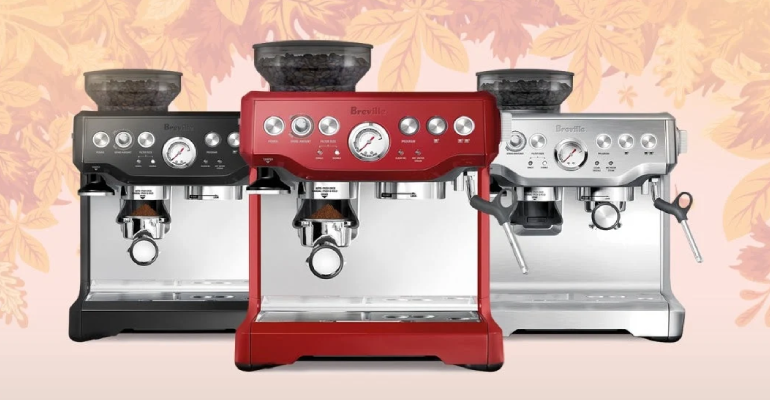
Breville — known as Sage in the UK and Europe — is the Australian company that has quietly become the gold standard for home coffee machines under $2,000. The brand’s reputation is built on three specific engineering advantages that most cheaper brands do not replicate: built-in conical burr grinders included with most espresso machines (saving $200–$400 on a separate grinder while ensuring perfectly fresh grinding seconds before brewing), PID temperature control that maintains brewing temperature within ±1°F across multiple shots versus the ±10°F swings of entry-level machines, and serious build quality at sub-prosumer prices that produces the reliability documentation Breville’s buyer community is known for. The most important positive evidence is specific: a Western Living reviewer writing in April 2026 who spent time with three Breville models — the Touch Impress, Oracle Jet, and Double Boiler — documented that none of them had any technical issues across over a year of use with the first two machines, and that Breville delivers café-quality shots if you learn about extraction and put in a little time — an eight-year immersion blender ownership account from a Thingtesting buyer adds the most specific multi-year durability confirmation available. The most important negative evidence is equally specific: everything above the Barista Pro enters diminishing-returns territory where you are paying for automation, not better coffee — per Spanish Clout’s April 2026 assessment — a specific model hierarchy insight that prevents buyers from over-investing in automation features they may not need or use. Quick Highlights ✅ Breville Barista Express at approximately $550 — the documented sweet spot for most buyers — with integrated grinder, proven extraction quality, and a learning curve that rewards buyers who engage with it rather than punishing those who do not ✅ Built-in conical burr grinder included with most espresso machines — a specific, documented $200–$400 saving over purchasing a separate grinder, with the additional advantage of grinding seconds before brewing for maximum freshness ✅ PID temperature control maintains brewing temperature within ±1°F across multiple shots — the single feature that most accounts for the quality difference between Breville and entry-level espresso machines at lower price points ✅ Breville Bambino Plus at $500 — the documented recommendation for buyers who value simplicity and speed over customisation, with ThermoJet 3-second heat-up and a compact footprint ✅ Oracle Jet — the mid-range high-end recommendation for buyers who want near-automatic café results without the Double Boiler’s $3,000 price point — documented across over a year of use without technical issues ✅ Thingtesting buyer documented an 8-year immersion blender ownership with parts still available through Breville support — the most specific multi-year durability account for the brand ✅ Breville’s ecosystem makes maintenance realistic — descaling reminders, swappable parts, and clear manuals documented as functional across years of ownership, with easy customer service access for part replacement ❌ Model range is extensive enough to confuse buyers — the number of models (Bambino, Bambino Plus, Barista Express, Barista Express Impress, Barista Pro, Barista Touch, Oracle, Oracle Jet, Oracle Touch, Double Boiler) requires research before purchasing to avoid over-buying automation or under-buying capability ❌ Learning curve is real for the semi-automatic range — buyers who want immediate café-quality results without engaging with grind size, dose, and extraction time will find the Barista Express unsatisfying until they invest the learning time ❌ Everything above the Barista Pro is diminishing returns for coffee quality — the automation features of the Oracle and Oracle Touch are genuine conveniences but do not produce better espresso than the Barista Express for an engaged home barista ❌ Black Friday and Prime Day sales are documented at 15–25% below list price — buyers who pay full price in non-sale periods are leaving specific documented savings on the table ❌ Scale build-up requires regular descaling in hard water areas — the machines include descaling reminders, but buyers who ignore them document shortened machine lifespan Why Trust This Review This review draws on Western Living’s April 2026 three-model espresso comparison, Spanish Clout’s April 2026 honest Breville guide, One Hundred Coffee’s 2026 tested model guide, Mastering Coffee’s 2026 comprehensive model comparison, Thingtesting’s Breville aggregated buyer reviews, and Breville’s own published product specifications. No commercial relationship with Breville. No affiliate link influences any rating or conclusion. About Breville Breville is an Australian kitchen appliance brand founded in 1932, producing a comprehensive range of home appliances including espresso machines, blenders, food processors, toaster ovens, and juicers. The espresso machine range — the brand’s most culturally prominent product category — spans from the Bambino at $249.95 through to the Double Boiler at approximately $2,999. Breville is sold under the Sage brand in the UK, Europe, and other international markets. The brand sells through its own website, Best Buy, Williams Sonoma, Amazon, and major kitchen appliance retailers. Full Review Breakdown The Three Engineering Advantages — Why Breville Leads at Sub-$2,000 Breville’s consistent market position as the gold standard for home espresso machines under $2,000 is grounded in three specific engineering commitments that the brand maintains across its range. The built-in grinder is the most practically significant — most Breville espresso machines include a conical burr grinder that eliminates the need for a separate grinder purchase, saves $200–$400, and ensures coffee is ground seconds before brewing rather than days or weeks before. Pre-ground coffee loses volatile compounds that produce espresso flavour; fresh grinding is the single most impactful variable in home espresso quality. The PID temperature control is the most technically specific advantage. Breville machines maintain brewing temperature within ±1°F across multiple shots — a precision standard that entry-level machines at lower prices cannot consistently achieve. The ±10°F temperature swings of cheaper machines produce different extraction profiles shot to shot, making consistent café-quality espresso practically unachievable regardless of the buyer’s technique. Breville’s temperature precision is the reason buyers who learn extraction technique achieve genuinely consistent café-quality results. The build quality documentation across multiple years and multiple product categories — one Thingtesting buyer’s 8-year immersion blender, a reviewer’s year-plus no-issues track record across three espresso machine
Eddie Bauer Review — Solid Outdoor Heritage, Some Trust Signals Worth Checking Before You Order
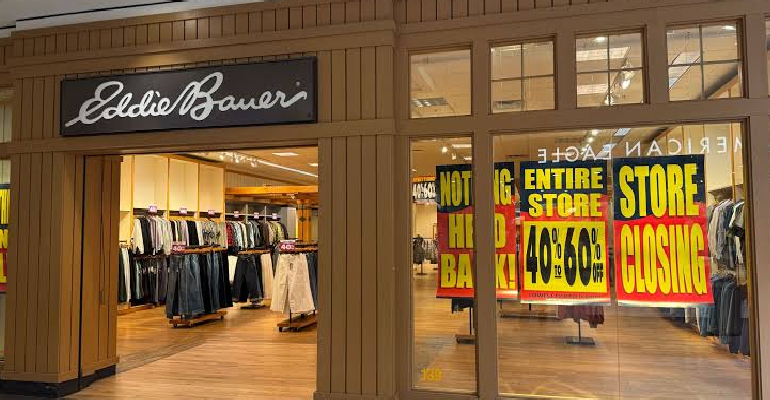
Eddie Bauer is an American outdoor clothing company with over a century of heritage — founded in 1920 in Seattle, Washington by Eddie Bauer himself, who invented the first quilted down jacket in the United States and built a brand on the principle that quality outdoor gear should be accessible to the American consumer. In 2026, the brand presents a more complicated picture than its heritage suggests: physical retail stores are closing following a recent bankruptcy, the brand is pivoting toward e-commerce and wholesale, and the question for buyers is whether the online store and product quality still justify the purchase. The most important positive evidence is specific: Eddie Bauer has been a favourite for decades — rain jackets lasting many years with very high quality at very affordable pricing, and outdoor gear specifically praised for durability by long-term buyers across Thingtesting. The most important negative evidence is equally specific: a loyal customer who had bought several Cirrus jackets for family members documented a jacket whose bottom edge seam opened after its first wash and feathers started coming out — and when she tried to return it, Eddie Bauer refused to help despite the jacket being just over a year old, specifically describing the lack of customer service as disappointing after years of brand loyalty. Quick Highlights ✅ Over a century of outdoor heritage — founded 1920, invented the quilted down jacket, a brand whose outdoor credentials are grounded in genuine history rather than aspirational positioning ✅ Gore-Tex, high-fill power down insulation, and premium third-party materials used across the jacket range — jackets typically $150–$300 reflecting the use of quality materials and construction documented across independent reviews ✅ Roadmap to 2030 sustainability commitment — 50% recycled polyester and nylon across the line achieved by end of 2025, with a goal of 100% by 2030, and American Forests reforestation partnership ✅ Eddie’s Product Guarantee — defective products can be replaced or credited within 60 days, and defects within one year typically offer an exchange or replacement for a similar item even without receipt ✅ Black Friday sitewide discounts documented at up to 50% off — the most financially significant timing for Eddie Bauer purchases, with individual jacket categories regularly appearing at 30–50% off ✅ Long-term buyer accounts on Thingtesting describe jackets lasting many years and outdoor gear quality as high at affordable pricing — a multi-year durability endorsement from buyers who have compared across brands ✅ Rain jackets specifically praised — moisture-wicking, waterproof performance documented across buyer accounts as the category where Eddie Bauer’s quality-to-price ratio is most consistently documented ❌ Recent retail store bankruptcies and store closures — Spanish Clout’s June 2026 review notes the brand should not be bought blindly in 2026 — check current product pages, read return terms before checkout, and avoid final-sale mistakes ❌ Customer service documented as inconsistent — specifically a warranty claim refusal on a jacket that failed after first wash, described by a multi-year loyal buyer as the experience that ended her brand loyalty ❌ Sizing documented as running larger than expected — a buyer in April 2026 described the jacket fitting larger than expected, especially around the arms, with the size chart not reflecting the actual fit accurately ❌ Shipping delays documented in 2026 — one buyer documented an 11-day extension beyond the stated 5–7 day timeline and described customer service as unhelpful when she tried to cancel before receipt ❌ Business Insider’s March 2026 store visit described the physical retail assortment as quiet and basic — the brand’s in-store experience is diminishing alongside the store closure programme ❌ Eddie Bauer is strongest as functional apparel, not as a trend brand — buyers who want fashionable outdoor clothing will find the aesthetic direction less current than Arc’teryx, Patagonia, or REI-tier alternatives Why Trust This Review This review draws on Spanish Clout’s June 2026 Eddie Bauer trust guide, Thingtesting’s Eddie Bauer buyer reviews, the AllReviews Eddie Bauer 2026 compilation, NWCustomApparel’s quality review, Apartstyle’s Eddie Bauer vs Columbia comparison, and Business Insider’s March 2026 store visit reporting. No commercial relationship with Eddie Bauer. No affiliate link influences any rating or conclusion. About Eddie Bauer Eddie Bauer was founded in 1920 in Seattle, Washington by Eddie Bauer, who invented the quilted down jacket in the United States. The brand has over a century of outdoor heritage covering outerwear, casual clothing, footwear, and adventure gear. Following recent retail bankruptcy proceedings, the brand is pivoting toward e-commerce, wholesale, and a return to outdoor roots. Eddie Bauer sells directly through eddiebauer.com, through outlet stores, and through wholesale partners. The brand’s sustainability Roadmap to 2030 commits to 100% recycled polyester and nylon by 2030. Full Review Breakdown The Core Product Quality — Where Eddie Bauer Delivers The core case for Eddie Bauer in 2026 is straightforward: practical outdoor clothing without luxury-brand pricing. Jackets typically $150–$300 using Gore-Tex, high-fill power down insulation, and robust fabrics — a quality tier documented as producing multi-year wearable outdoor gear at prices meaningfully below Arc’teryx and Patagonia. The specific category where the quality documentation is most consistent is the outerwear and rain jacket range — multiple long-term buyers describe Eddie Bauer jackets lasting many years, with the brand positioned as the go-to for longevity and timeless style. The fleece range with anti-pill technology is a specific documented quality commitment — keeping fleece looking new even after repeated use is the specific property that most fleece brands claim and fewer deliver. The down jackets using traceable down and high-fill-power insulation are the brand’s most historically specific quality achievement — the heritage of the original quilted down jacket is reflected in ongoing product specifications that competitive brands at similar price points do not always match. The 2026 Situation — What Buyers Need to Know Eddie Bauer is an awkward brand to judge in 2026. It has a real outdoor heritage, an active online store, and familiar jackets, fleece, and outdoor basics. It also has a recent retail-store bankruptcy story that can make a normal shopper
Arhaus Furniture Review — Heirloom-Quality Anchor Pieces, With Quality Control That Requires Inspection at Delivery
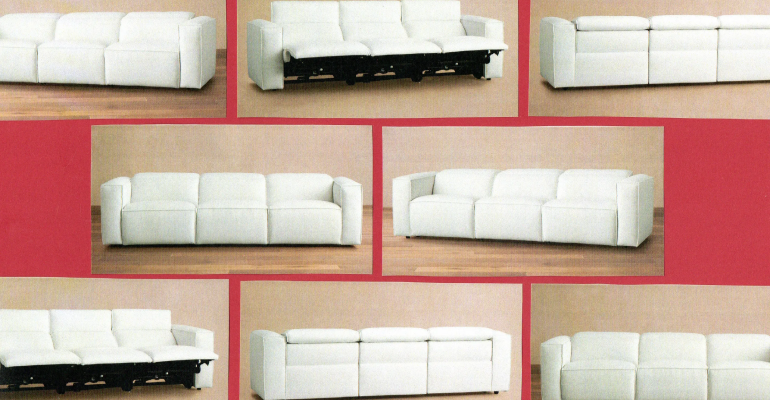
Arhaus is the Ohio-based high-end furniture retailer that has built a genuinely distinctive position between accessible mid-range brands like CB2 and the truly luxury tier of Restoration Hardware and Design Within Reach — an accessible high-end that makes solid hardwoods, artisan construction, and sustainable sourcing available without trade-only access or RH Gallery pricing. The brand is especially known for its seating collections, which are custom-made and prioritise deep seats, durable fabrics, and simple yet luxe silhouettes — and for a design ethos that Interior Insider’s 2026 assessment describes as above-average quality with solid hardwood and leather pieces designed to age well and develop a rich patina over 5–10 years. The most important positive evidence is specific: a Slumbersearch buyer described furnishing two homes with the help of Arhaus design staff — specifically praising the Kipton sectional as holding up well under heavy use by kids and neighbourhood children, with no quality issues across years of real-world daily use. The most important negative evidence is equally specific: a buyer who purchased a $7,200 Acacius Coffee Table (bought at 30% off) described two consecutive deliveries arriving with serious flaws on the top of both tables — the same piece viewed in three different Arhaus store locations beforehand without issues, suggesting quality control inconsistency between showroom display pieces and delivered production stock. Quick Highlights ✅ Solid hardwoods — kiln-dried oak, maple, and walnut — with mortise-and-tenon joinery and corner blocking construction documented as producing heirloom-quality anchor pieces designed to last decades ✅ Made-to-order custom furniture with customisation options for materials, colours, and sizes — the Kipton sectional, Breckenridge sofa, and Acacius collection among the most-referenced pieces in buyer accounts ✅ American manufacturing commitment — in 2021, Arhaus opened a large manufacturing and distribution facility in North Carolina, a specific documented investment in domestic production ✅ Sustainably sourced materials — salvaged wood, recycled metal, and responsibly harvested hardwoods documented across the product range, with sourcing from artisans in North America, Europe, and Asia ✅ Free design services with Arhaus interior designers — available both in-store and online, a specific service differentiator for buyers who want professional guidance without paying a separate design fee ✅ Over 100 stores nationwide including 7 Arhaus Loft outlet locations — in-store assessment available for buyers who want to evaluate quality before committing to a made-to-order purchase ✅ Interior design professional recommendation: spend on the sofa and dining table — the two things a room organises itself around — and stay disciplined everywhere else, per an interior designer writing in January 2026 ❌ Quality control inconsistency documented between showroom display pieces and delivered production stock — the Acacius Coffee Table account (serious flaws on two consecutive deliveries despite the same piece looking great in three store locations) is the most specific documented concern ❌ White-glove delivery fees of $299–$599 depending on location are significant additional costs that buyers should calculate before committing to a price — the $299 local delivery fee is at the low end, and buyers in extended delivery areas pay $399–$599 ❌ Lead times of 12–16 weeks for made-to-order pieces — upholstery and stone pieces can run longer than the site suggests, requiring buyers to order significantly ahead of intended use ❌ Customer service documentation on PissedConsumer includes 77% unfavorable feedback from buyers who specifically document unresolved warranty claims, slow response times, and inconsistent post-sale service ❌ Some lower-priced accessory items in the Arhaus range are documented as delivering below the quality standard that the anchor furniture pieces establish — quality varies more in the accessory and accent categories than in the core seating and tables Why Trust This Review This review draws on Apartment Therapy’s Is Arhaus Worth It assessment, Interior Insider’s February 2026 Arhaus review, Slumbersearch’s independent buyer compilation, PissedConsumer’s 159 Arhaus review aggregation, Joelle Uzyel’s January 2026 interior design perspective, and Arhaus’ own published product and policy documentation. No commercial relationship with Arhaus. No affiliate link influences any rating or conclusion. About Arhaus Arhaus was founded in 1986 in Boston Heights, Ohio by John Reed and his son Jack Reed. The brand operates over 100 showroom locations across the US and 7 Arhaus Loft outlet locations selling discontinued, slightly damaged, and overstocked pieces at discounted prices. Most Arhaus furniture is made-to-order, giving buyers significant customisation options for materials, colours, and sizes. The brand emphasises sustainable sourcing, American manufacturing — documented through the 2021 North Carolina facility — and artisan design sourced from craftspeople in North America, Europe, and Asia. Full Review Breakdown The Core Quality Case — Where Arhaus Earns Its Price Arhaus’ most specific quality achievement is in the anchor furniture category — sofas, sectionals, and dining tables built from kiln-dried solid hardwoods using construction techniques like mortise-and-tenon joinery and corner blocking that produce the structural integrity heirloom furniture requires. The materials and construction compare to designer trade brands at more reachable price points — a specific assessment from an interior designer who sources for clients without trade access, who describes Arhaus as useful precisely because it delivers that quality tier to non-trade buyers. The durability documentation from buyers who have owned Arhaus pieces for years is the most credible quality evidence available. The Kipton sectional with kids and neighbourhood children using it heavily with no quality issues — the Slumbersearch buyer’s specific account — is the kind of real-world durability documentation that distinguishes genuine quality from aesthetic quality. Solid wood and leather pieces are designed to age well and often develop a rich patina over 5–10 years, with proper care enabling decades of use. Quality Control — The Most Important Pre-Delivery Step The quality control inconsistency between showroom display pieces and delivered production stock is the most documented and most consequential Arhaus concern, and it requires specific pre-delivery action. The Acacius Coffee Table account — a $7,200 piece reduced to approximately $5,040 at 30% off, viewed in three different Arhaus locations without quality issues, then delivered twice with serious flaws on the top both times — is not an isolated account.
Leesa Mattress Review — Strong Pressure Relief With Model Decisions That Matter
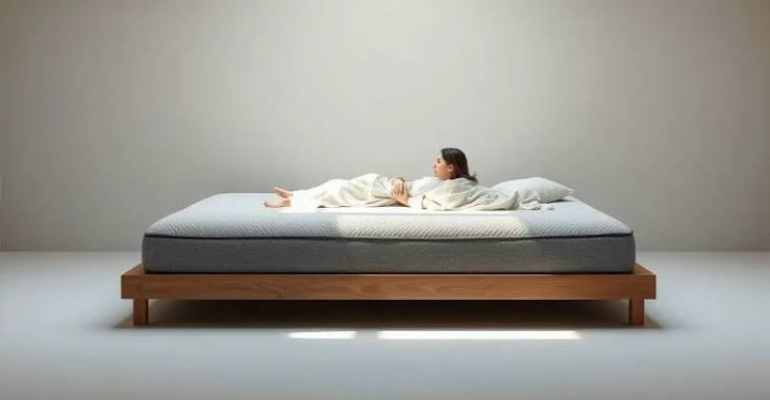
Leesa was founded in 2015 as one of the first mattress-in-a-box companies and has grown into a major player in the online mattress space — known for its commitment to social responsibility through a donation programme that donates one mattress for every ten sold. The brand’s current range covers the Leesa Original (all-foam), the Studio, the Original Hybrid, the Sapira Chill Hybrid, and the Legend Hybrid — a lineup that spans from a $1,332 queen to a top-tier hybrid over $2,000, with the model decision being more consequential than the brand decision. The most important positive evidence is specific: the Leesa Sapira Chill Hybrid earned a spot on AARP’s Best Mattresses of 2026 as the top pick for cooling — specifically because it performs well for side sleeping pressure relief (earning 5/5 in NCOA’s assessment) and the zoned support provides extra cushion beneath the hips and lower back. An older adult tester described it as honestly loving the mattress, finding it comfortable and supportive and a treat to lie down on at the end of the day. The most important negative evidence is equally specific: the Leesa Original’s medium firmness makes it more likely to sag than a firmer model, buyers over 230 pounds consistently document it as too soft, and edge support compression is a documented specific limitation that makes the full mattress surface difficult to use. Quick Highlights ✅ Leesa Sapira Chill Hybrid — AARP’s 2026 best mattress for cooling, 5/5 for side sleeping pressure relief per NCOA testing, and the top Leesa model recommendation for the majority of buyers ✅ Leesa Original scored 8.8/10 at Yawnder’s 2026 hands-on testing — specifically praised for balanced foam with strong pressure relief, motion isolation (9.0/10 in drop testing), and above-average cooling for an all-foam model ✅ 120-night trial with free returns — industry standard length with no cost return except in Hawaii, Alaska, and Canada ($100 fee), and the 30-night minimum before return is clearly documented ✅ Limited lifetime warranty — a specific durability commitment that the 120-night trial supplements for buyers who want long-term protection beyond the trial period ✅ Mattress donation programme — one mattress donated for every ten sold, a specific documented social responsibility commitment ✅ Side sleepers specifically well-served by the Sapira Chill’s zoned support — the extra cushion beneath hips and lower back documented as producing the specific pressure relief that side sleepers require ✅ Motion isolation 9.0/10 at Yawnder’s testing — specifically praised for light sleepers who share a bed, with less than 2 inches of vibration transfer in drop testing ❌ All-foam models including the Original are not recommended for buyers over 230 pounds — buyers who push further into the foam experience both heat retention and sagging that the hybrid models are specifically designed to address ❌ Edge support documented as the most consistent Leesa limitation — foam layers weakest around the perimeter causing noticeable compression when sitting or lying near the edge, reducing usable mattress surface ❌ Foam mattress lifespan estimated at 6–7 years — shorter than latex or hybrid alternatives, and the medium firmness of the Original makes it more likely to sag than firmer alternatives within that lifespan ❌ Hot sleepers are specifically better served by the hybrid models — the all-foam Original runs cooler than average for its type but still cannot match the airflow of coil-based hybrid construction ❌ 120-night trial is shorter than Nectar’s 365-night trial and Saatva’s extended trial — buyers who specifically value longer trial periods will find alternatives more generous Why Trust This Review This review draws on AARP’s June 2026 four-model Leesa testing, NCOA’s 2026 Leesa review, Yawnder’s 2026 hands-on testing, Sleep Doctor’s Leesa assessment, Sleep Foundation’s Leesa review, and Fortune’s 2026 Leesa mattress comparison. No commercial relationship with Leesa. No affiliate link influences any rating or conclusion. About Leesa Leesa was founded in 2015 and is based in Virginia Beach, Virginia. The brand is known both for its mattress quality and its 1-for-10 donation programme — for every ten mattresses sold, one is donated to someone in need. The current product range includes the Leesa Studio (entry), Leesa Original (all-foam flagship), Leesa Original Hybrid, Leesa Sapira Chill Hybrid, and Leesa Legend Hybrid. All models come with a 120-night trial and limited lifetime warranty. Leesa sells direct-to-consumer through its website and through retail partners including West Elm. Full Review Breakdown The Model Hierarchy — What Changes at Each Level The Leesa model selection is more consequential than buyers who approach it as a commodity purchase realise. The Original at $1,332 queen is the entry all-foam recommendation — appropriate for side and back sleepers under 230 pounds who want strong pressure relief without the complexity of hybrid construction. The Sapira Chill Hybrid at $2,264 queen is the top recommendation for buyers who specifically need cooling performance, hot sleepers, heavier sleepers, and side sleepers who want the additional support of hybrid zoned construction. For buyers over 230 pounds, hot sleepers, or buyers who sleep primarily on their back and need firmer support: the all-foam Original is specifically not recommended per multiple independent testing organisations. The Sapira Chill Hybrid is the documented appropriate model for these buyer profiles — and it earns AARP’s 2026 best mattress for cooling, confirming that the hybrid construction delivers meaningfully different performance than the all-foam alternative. Pressure Relief — The Leesa Strength The Leesa Original’s pressure relief is the most consistently praised quality across independent testing. Yawnder’s 2026 pressure mapping showed deep blue low-pressure zones around the shoulders and hips — a solid result for foam construction — with the top layer evenly distributing weight and the transition foam preventing the spine from bowing. The motion isolation at 9.0/10 in drop testing is the specific performance that light sleepers sharing a bed most consistently cite as the decisive purchasing factor. The Sapira Chill Hybrid’s 5/5 side sleeping pressure relief score at NCOA testing — specifically because the zoned support provides extra cushion beneath the hips and lower back —