
Janie and Jack Review — Is Premium Pricing Worth the Warranty Risk?

Janie and Jack’s most useful piece of 2026 evidence is a specific, detailed account that captures something genuinely concerning with unusual precision: a parent who followed every washing instruction exactly (gentle cycle, tumble dry low) on a $60 half-zip sweater, watched the zipper fail completely after just one wear and wash, and was told by customer service that because the purchase happened “quite some time ago” — 10 months — nothing could be done. Understanding why this specific kind of response keeps appearing across independent sources is the most useful structure for this review. Quick Highlights ✅ Genuine design distinctiveness — multiple independent sources and Reddit community members specifically describe the prints, embroidery, and classic styling as “not really styles seen anywhere else,” with a real sense of nostalgia and elegance ✅ Soft, comfortable fabric quality is consistently and specifically praised on first wear — “the material is so soft” appears across multiple separate, unrelated reviews ✅ A genuine, wide age range — newborn through age 18, allowing parents to shop one brand across a child’s full childhood, including a specific “sizes 8 to 18” line for older kids and teens ✅ Frequent seasonal sales make the premium pricing more accessible — multiple parents specifically describe buying ahead of size for end-of-season discounts ✅ Some specific, positive in-store experiences exist alongside the documented negative ones — confirming genuine variance by location rather than a uniformly poor service culture ❌ A specific, detailed, dated account describes a $60 half-zip sweater’s zipper ripping off completely after one wear and wash, with the customer following exact care instructions, and customer service refusing any remedy because 10 months had passed since purchase — “apparently 10 months is ‘quite some time’” ❌ A separate, serious, specific complaint describes ordering items that “look nothing alike” from what was received, with the company’s stated return policy requiring the item be shipped back to a warehouse in China at the customer’s own expense — a meaningfully costly and slow return process for a domestic US retailer ❌ Multiple separate accounts document a consistent shipping reliability pattern — a tracking label created with the package then sitting “7 days” awaiting carrier pickup, with customer service specifically confirming this delay is not considered unusual ❌ A specific, detailed account describes a $750 lost-package dispute where FedEx had no proof of delivery, with the company’s position being that once FedEx marks an order “delivered,” Janie and Jack considers itself no longer responsible — directing the customer to pursue their own bank rather than resolving directly ❌ A separate, specific complaint describes a missing-items error (the company’s own fulfillment mistake) resulting in the customer being offered only a full refund-and-reorder process rather than expedited replacement shipping — with the added complication of losing applicable discounts and needing matching outfit pieces for twins on a specific timeline ❌ ComplaintsBoard’s aggregated data shows a notably critical 1.0-star rating from a smaller but consistent volume of detailed complaints, with recurring specific themes around coupon honoring, return cost burden, and unresponsive phone/email support Best for: Buyers specifically purchasing for special occasions or gifting where the distinctive design and soft fabric matter more than long-term durability assurance, who buy during sales to offset the premium pricing, retain all receipts and packaging for an extended period given the documented strict warranty timeline interpretation, and who specifically avoid international or distant-warehouse returns given the documented China-shipping cost burden. Why Trust This Review Cross-referenced from Trustpilot’s verified review collection (108+ reviews), Yelp’s aggregated 709-review collection across 102 US locations, ComplaintsBoard’s detailed complaint archive, HonestBrandReviews’ detailed product and Reddit-sourced sentiment analysis, BBBReview’s structured brand breakdown, and Influenster’s customer review collection. No commercial relationship with Janie and Jack. Table of Contents About Janie and Jack Janie and Jack Review: Full Breakdown Best Janie and Jack Products Worth Buying What Customers Actually Think Is Janie and Jack Worth It? Where to Buy FAQs Final Verdict About Janie and Jack Janie and Jack is a premium children’s clothing brand, previously owned by Gap, specializing in classic, design-forward apparel for newborns through age 18. The brand’s stated mission is to create clothing that “withstands the rigors of childhood” using soft yet sturdy fabrics — timeless linens and quilted matelassé feature prominently across seasonal collections that draw on themes ranging from nautical to equestrian. The company operates over 100 physical retail locations across the US alongside its primary e-commerce platform, and has built a substantial following (517K+ Instagram) particularly within parenting circles seeking distinctive, non-mass-market children’s fashion. Janie and Jack Review: Full Breakdown Design and Fabric Quality — Genuinely, Specifically Praised on First Encounter This is where the brand most consistently earns positive feedback, and the language is specific rather than generic. One Reddit-sourced comment captures this well: “Janie and Jack are really cute clothes and not really styles seen anywhere else. They are classy and have a bit of nostalgia to them.” A separate, specific in-store account describes a niece’s Easter outfit: “The material is so soft that she will definitely enjoy wearing it.” This first-impression quality assessment appears consistently across multiple, unrelated independent sources — the design and initial fabric feel genuinely differentiate the brand from mass-market children’s clothing competitors. The Warranty Timeline Denial — The Single Most Specific, Most Concerning Documented Pattern This deserves to anchor the entire review because of its precision and the genuinely unreasonable specific framing the customer documents. A detailed Trustpilot account describes the exact sequence: “We washed it and followed all instructions (gentle cycle, tumble dry low) and the zipper still ripped off and is so damaged that it’s not possible to repair it.” After providing requested order information, the customer was told “that since the clothing item was purchased ‘quite some time ago’ that there was nothing they could do.” The customer’s specific, precise math: “I spent $60 on this half zip only for it to break after one wear/wash… Apparently 10 months is ‘quite some time’ according to them.” This specific framing deserves direct attention
Raymour & Flanigan Review — Is the Premium Warranty Actually Worth It?
One detailed, independent comparative review’s precise framing captures Raymour & Flanigan’s core positioning more accurately than the brand’s own marketing language: “a more fitting description of Raymour & Flanigan would be ‘convenience’ over ‘craftsmanship.’” Understanding this distinction precisely — and the genuinely large, documented gap between in-store sales experience and post-purchase warranty support — is the most useful structure for this review. Quick Highlights ✅ Genuine, extensive selection across furniture, mattresses, and home decor with over 140 physical showroom locations throughout the Northeast US, established in 1947 ✅ Multiple specific, detailed, named-staff accounts confirm genuinely strong in-person sales support — “knowledgeable and patient,” with multiple separate, specific salesperson names credited across different locations for measuring carefully, explaining options without pressure, and guiding hard-to-fit purchases ✅ A 45-day mattress comfort guarantee provides genuine, meaningful purchase confidence for buyers uncertain about firmness or feel ✅ Some detailed, multi-purchase accounts confirm genuine satisfaction across repeated transactions — “this is our fourth purchase from Raymour and Flanigan. We’ve been very satisfied with each item” ✅ BBB A+ rating confirms genuine, established, long-term business legitimacy ❌ A specific, serious, detailed BBB complaint documents a customer being told a $4,300+ sectional couldn’t be repaired or replaced after the leg broke off within three days of delivery, with the company’s stated position being that the sofa would only be addressed “if this happens again” — a documented refusal to proactively address a known safety concern ❌ Multiple separate, specific accounts describe warranty claims being denied on narrow technicalities — one detailed account describes a mattress warranty refused over a single, minor stain unrelated to the actual support degradation being claimed; a separate account describes a sectional warranty denied because the company replaced a damaged piece once during the first year, after which the company considers the full 5-year coverage exhausted ❌ A specific, detailed BBB complaint documents wrong-color furniture being shipped for an international relocation order, with the salesperson’s response upon discovery being described as “quite comfortable” stating there was “nothing we can do for you despite the mistake” — only resolved after the customer escalated to corporate ❌ A specific, serious account describes a delivered chair causing a bed bug infestation, with the company’s documented position that the furniture is “not their issue” since it arrives wrapped — despite the customer’s reasonable point that wrapping doesn’t prevent pre-existing infestation within the furniture’s own wood frame ❌ The stated return policy carries real, consistent costs regardless of circumstance: a 15% restocking fee on standard returns (10% on free-shipping items), with only a 72-hour window to even initiate a return request ❌ Multiple separate, detailed accounts describe genuine delivery scheduling unreliability and unprofessional delivery crew conduct, including one specific account of delivery staff attempting to have a 25-year-old family member sign off on a couch the delivery team itself had damaged with a box cutter Best for: Buyers within the Northeast US delivery footprint specifically wanting in-person sales guidance and a wide selection, who purchase any optional extended warranty with realistic expectations about its documented narrow, technicality-driven denial pattern, and who inspect all delivered furniture thoroughly and immediately, refusing acceptance of any visibly damaged item on delivery day itself. Why Trust This Review Cross-referenced from ConsumerAffairs’ extensive, multi-page, dated customer account archive, Trustpilot’s 62,846+ review collection, Yelp’s aggregated 4,463-review collection across 113+ locations, BBB’s documented customer review and complaint archive (A+ rated business), Slumbersearch’s detailed review collection, HonestGuideHub’s structured 2026 review breakdown, and ComboReviews’ detailed policy and warranty analysis. No commercial relationship with Raymour & Flanigan. Table of Contents About Raymour & Flanigan Raymour & Flanigan Review: Full Breakdown Best Raymour & Flanigan Categories Worth Buying What Customers Actually Think Is Raymour & Flanigan Worth It? Where to Buy FAQs Final Verdict About Raymour & Flanigan Raymour & Flanigan is a Northeast US furniture and mattress retailer founded in 1947, operating over 140 physical showroom locations alongside an extensive online catalog. The company positions itself around bringing convenience and broad selection to furniture shopping — combining a large showroom network with quick delivery and financing options — rather than competing specifically on artisanal craftsmanship or premium material sourcing. The brand offers optional extended warranty plans (including a “Platinum Plan”) alongside manufacturer warranties on specific furniture lines. Raymour & Flanigan Review: Full Breakdown In-Store Sales Experience — Genuinely, Specifically Strong in the Large Majority of Documented Accounts This is where Raymour & Flanigan most consistently earns positive, specific feedback. One detailed account: “Firstly, many thanks to Wendy, the sales clerk who not only escorted me through the rooms of various recliners, but brought a measuring tape out of her pocket, for solid measurements.” A separate, equally specific account: “What an amazing experience with Christine at Raymour & Flanigan on route 17 N. in Paramus. She made my experience seamless. Knows the inventory and was able to pick out exactly what I envisioned.” Multiple separate, named-staff accounts across different locations follow this same pattern — genuine, specific, individually-credited sales expertise rather than vague satisfaction. A separate, detailed repeat-customer account confirms this pattern holds across multiple transactions: “This is our fourth purchase from Raymour and Flanigan. We’ve been very satisfied with each item. We needed customer service on one item, and the issue was resolved quickly.” The Broken Sofa Leg Safety Concern — A Specific, Serious Case Requiring Direct Attention This deserves complete, careful treatment because it describes a genuine, documented safety hazard handled with troubling specificity. One detailed account: “I bought sofa and it broke within three days of delivery. The whole leg came out and sofa bang on the floor. Called them next day and this sofa is not safe for use. Anyone can get hurt but did not change the sofa saying if this happens again only then they can change.” This is a meaningfully serious documented position — declining to proactively address a known, demonstrated structural failure until it recurs and potentially causes actual physical injury represents a genuine, specific concern about how the company handles
Cozey Review — Is the Modular Sofa Worth the Comfort Tradeoffs?
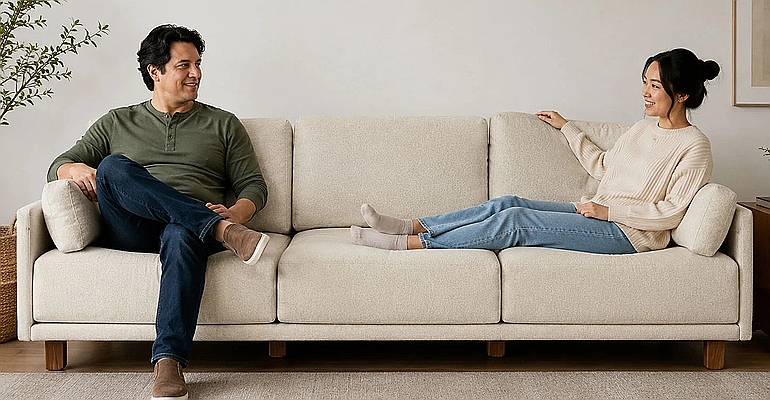
Cozey’s 2026 evidence base contains a genuinely useful, specific, dollar-amount-documented dispute that deserves to anchor this review: a customer who paid $2,787.84 for the Atmosphere modular sofa, documented 1-1.5 inch gaps between sections that worsened over time despite correct assembly, and was told by the company that this represented “normal design” rather than a defect. Understanding precisely what this means — and how it relates to the brand’s otherwise consistently strong customer service reputation — is the most useful thing this review can offer. Quick Highlights ✅ Genuinely strong, specific, repeated customer service praise — multiple separate, named-representative accounts describe fast, generous resolution including free replacement covers and pickup arrangements ✅ A genuine four-collection structure (Ciello, Gaia, Atmosphere, Luna) each targeting a distinct sitting style — cloud-soft lounging, balanced comfort, storage-focused, and posture-friendly upright support respectively ✅ Washable, removable covers across every 2026 collection — confirmed as a genuine, practical advantage for households with kids and pets, with specific accounts describing successful spill and pet hair management ✅ A genuine, specific in-store pop-up shop network allows in-person testing before a major purchase — multiple accounts describe this directly influencing their confident final decision ✅ Box-based shipping (compact, manageable boxes rather than oversized furniture freight) genuinely simplifies delivery for apartment dwellers — confirmed across multiple specific accounts as fitting easily through doors and elevators ❌ A specific, detailed, dollar-amount-documented complaint describes a $2,787.84 Atmosphere sofa with persistent 1-1.5 inch gaps between modules, with the company confirming via photo review that this is “considered normal design” and declining a refund, return, or replacement ❌ A separate, specific account describes the Ciello “cloud-style” cushions compressing meaningfully within two years, with the company’s own response acknowledging “all sofa cushions will naturally compress with use” while specifically noting the Ciello’s cloud-style design “can feel more noticeable” in this regard ❌ A genuine, repeated complaint pattern around fulfillment accuracy — at least one detailed account describes ordering a specific configuration (two sleepers, one ottoman) and receiving a different configuration entirely (one sleeper, one storage seat, one ottoman), requiring a return-and-exchange process ❌ Multiple separate accounts describe meaningful delivery delays and communication gaps — one detailed account describes a 10-week wait with only the ottoman arriving in the first 5-6 weeks, with customer service representatives providing inconsistent information across repeated calls ❌ At least one specific account describes being told a free item pickup would be provided for a return, only to learn this was “false information” after the fact, requiring the customer to personally package and ship the return item themselves ❌ A separate, detailed account documents the washable rug line specifically arriving with a rug pad emitting a strong, headache-inducing VOC smell — a distinct product-line concern from the core sofa complaints Best for: Buyers specifically wanting modular, washable-cover sofas with genuine apartment-friendly box shipping who can visit a pop-up location for in-person testing before ordering, who understand that some visible gapping between modules on certain configurations is documented by the company as expected design behavior rather than a defect, and who confirm their exact intended configuration carefully before finalizing an order. Why Trust This Review Cross-referenced from Trustpilot’s Canadian (3,205+ reviews) and US (854+ reviews) collections across multiple pages, AllReviews.ca’s detailed aggregated review analysis, HomeHive’s detailed 2026 product-line breakdown, Little Neko Blog’s 500+ user review analysis across all seven Cozey collections, and TikTok-sourced detailed personal unboxing and ownership accounts. No commercial relationship with Cozey. Table of Contents About Cozey Cozey Review: Full Breakdown Best Cozey Products Worth Buying What Customers Actually Think Is Cozey Worth It? Cozey Collection Comparison Where to Buy FAQs Final Verdict About Cozey Cozey is a Canadian direct-to-consumer furniture brand specializing in modular sofas designed for easy, tool-free assembly and disassembly, shipped in compact boxes rather than oversized furniture freight — specifically addressing the common urban-living challenge of furniture not fitting through doorways or elevators. The current 2026 lineup spans four primary collections: Ciello (cloud-soft lounging), Gaia (balanced comfort with more built-in foam structure), Atmosphere (built-in storage functionality), and Luna (upright, posture-friendly support). Every collection features washable, removable covers, and the brand operates both a full e-commerce platform and a network of physical pop-up showroom locations for in-person testing. Cozey Review: Full Breakdown Customer Service — Genuinely, Specifically Strong Across the Large Majority of Documented Cases This is where Cozey most consistently and most specifically earns its reputation. Multiple separate accounts describe fast, generous, well-documented resolution: “Cozey has quality products and stands behind them. They were very generous when i had a problem with my couch and more than made up for it.” A separate, specific account describes a particularly demanding logistics failure — FedEx mishandling a delivery — being resolved so thoroughly that the customer specifically credits Cozey with making “FedEx better at delivering stuff,” suggesting genuine proactive escalation on the customer’s behalf rather than passive deflection. A separate, detailed account describes a representative working through a documented missing-pieces issue: “My order was missing pieces and they got it to me right away.” This pattern of specific, fast, well-documented resolution appears consistently enough across multiple independent sources to represent a genuine, reliable brand strength — distinct from, though not erasing, the more serious documented disputes covered below. The Module Gap Dispute — A Specific, Serious, Dollar-Amount-Documented Concern Requiring Direct Attention This deserves the most careful, complete treatment in this review because it’s unusually specific and well-documented. A detailed account describes purchasing the Atmosphere modular sofa for exactly $2,787.84, with a specific, stated expectation (based on the company’s own marketing imagery) that sections would “sit flush together.” The customer’s documented reality: “noticeable gaps between modules (around 1–1.5 inches in places), and the sections separate further during normal use.” The customer specifically confirms following all assembly instructions, properly installing connectors, and reassembling the couch “multiple times” without resolution. After submitting photos, the company’s documented response confirmed this is “considered ‘normal design’” and declined a refund, return, or replacement entirely. This deserves direct, fair framing: a company stating a specific design
Caraway Cookware Review — Worth $445 for Ceramic Pans That Don’t Last Forever?
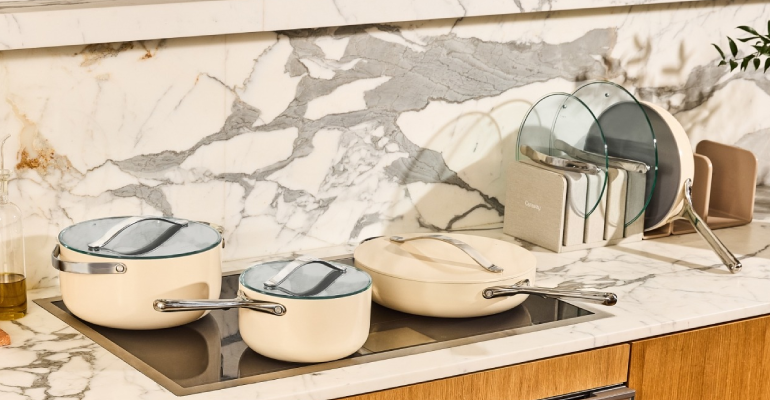
Caraway’s most useful 2026 evidence comes from a remarkably consistent convergence across multiple separate, independent, multi-month and multi-year testers, all reaching nearly identical specific conclusions about the coating’s realistic lifespan: “the pans perform beautifully for the first 6-8 months, the nonstick coating gradually declines after that,” and “expect 2-3 years max, even with perfect care.” Understanding this specific, consistently-documented timeline — rather than either the brand’s “Better for you, and better for the planet” marketing framing or assuming the cookware will last indefinitely — is the single most useful thing this review can offer. Quick Highlights ✅ Third-party laboratory testing (SGS, NSL Analytical, and Light Labs across separate independent reviewers) consistently confirms the ceramic coating is genuinely free of PFAS, PTFE, PFOA, lead, and cadmium — a verified, not just brand-claimed, safety profile ✅ Genuinely excellent initial nonstick performance, specifically validated by a professional chef testing without any parchment, foil, butter, or spray — “the buns, nuts and warm, sticky honey slid right out of the pan” ✅ Even heat distribution and a genuine absence of warping confirmed across multiple independent multi-month and multi-year testers, attributable to the heavy-gauge aluminum core construction ✅ The bundled magnetic pan racks and canvas lid holder receive consistent, specific, repeated praise as genuinely useful storage solutions, not just aesthetic packaging extras — multiple testers report using them daily, years after purchase ✅ Compatible with all cooktop types including induction, with confirmed oven-safe rating to 550°F ❌ A remarkably consistent, specific, multi-source pattern: the ceramic nonstick coating has a genuinely finite lifespan, independently documented across multiple separate testers as beginning to decline somewhere between 6-12 months and fully degrading within 2-3 years, even under careful, manufacturer-recommended use ❌ The 1-year warranty on the ceramic coating is specifically and repeatedly flagged as notably short relative to the premium price point — meaningfully shorter than the lifetime warranties offered by stainless steel and cast iron competitors at comparable or lower prices ❌ At least one independent investigative source documents that Caraway, while transparent about what its coating does NOT contain, does not publish the full chemical formulation — with a separate, specific concern raised about independent testing by Lead Safe Mama finding “high levels of titanium” in the cookware ❌ The coating is specifically documented as performing best only at low-to-medium heat — high-heat searing specifically degrades the coating faster, meaning buyers wanting genuine steak-searing capability should look elsewhere or accept faster coating wear as a tradeoff ❌ Multiple independent testers specifically flag that lighter-colored pan finishes stain visibly from oils and tomato-based ingredients over time — a genuine, documented cosmetic durability concern distinct from the coating’s functional nonstick performance ❌ At nearly $111 per cooking vessel in the 12-piece set (per one detailed cost breakdown), this places Caraway in direct price competition with professional-grade clad stainless steel cookware that offers meaningfully longer functional lifespans Best for: Health-conscious home cooks specifically prioritizing a verified PFAS-free, low-to-medium-heat cooking experience and aesthetic kitchen presentation, who understand and budget for realistic ceramic coating replacement within 2-3 years as a normal cost of this cookware category — not buyers seeking maximum multi-decade durability or high-heat searing capability. Why Trust This Review Cross-referenced from TheRoundup’s detailed hands-on review (testing since June 2025), The Kitchn’s detailed two-month exclusive-use test, PrudentReviews’ detailed “brutally honest” review after 2+ years of near-daily use, Taste of Home’s editorial team testing of cookware, bakeware, and accessories, SustainablyKindLiving’s detailed 4-month, $675-set review, NonToxicLab’s detailed 1-year daily-use review with explicit safety-data methodology, and HonestGuideHub’s detailed FAQ-style breakdown. No commercial relationship with Caraway. Table of Contents About Caraway Caraway Review: Full Breakdown Best Caraway Products Worth Buying What Customers Actually Think Is Caraway Worth It? Caraway vs Stainless Steel Alternatives Where to Buy FAQs Final Verdict About Caraway Caraway launched in 2019 with a specific founding premise: nonstick cookware that performs comparably to traditional Teflon-based options while being genuinely free of PFAS (the broader “forever chemical” family, not just the specifically-banned PFOA). The cookware uses a heavy-gauge aluminum core with a stainless steel base plate and handles, coated with two layers of a “mineral-based” sol-gel ceramic nonstick surface. Products are manufactured in China and designed in New York, with the brand stating partnerships under BSCI and SMETA labor and manufacturing standards. The current catalog spans cookware sets, bakeware, prep tools, and storage accessories, available in a rotating range of colors. Caraway Review: Full Breakdown Initial Performance — Genuinely Excellent, Independently Confirmed Across Multiple Sources This is where Caraway most consistently and convincingly earns its reputation. Taste of Home’s professional chef tester conducted a genuinely rigorous test — baking sticky buns with honey and walnuts using no parchment, foil, butter, or spray whatsoever. Her direct account: “I braced for failure. But for the most part, the buns, nuts and warm, sticky honey slid right out of the pan and onto my serving board.” A separate, detailed reviewer’s two-month exclusive-use test confirms this consistency across cookware specifically: “No sticking, no flaking, super-speedy cleanup, and no worry about toxic fumes.” The Ceramic Coating Lifespan — The Single Most Important, Most Consistently Documented Finding This deserves to anchor the entire review because the consistency across multiple, entirely separate, independent testers is genuinely remarkable and specific. NonToxicLab’s detailed one-year daily-use review reaches a precise conclusion: “the pans perform beautifully for the first 6-8 months, the nonstick coating gradually declines after that.” A separate, detailed 4-month reviewer’s specific assessment: “Coating Wears Quickly → Expect 2-3 years max, even with perfect care.” A third, independent two-year-plus reviewer reaches an almost identical conclusion through an entirely different testing methodology: “Caraway pans have a relatively short lifespan (1 to 3 years).” This level of specific, numerically-consistent convergence across three or more entirely separate, independently-operated review sources — each reaching essentially the same 1-3 year functional coating lifespan estimate through their own independent, multi-month-to-multi-year testing — represents a genuinely strong, credible evidence pattern rather than a single tester’s isolated experience. TheRoundup’s review independently confirms this same timeline directly: “Some users
Made In Cookware Review — Is the Lifetime Warranty Genuinely Honored?
Made In generates one of the most consistently and specifically positive customer service evidence bases across this entire cookware research series — including a remarkable, methodologically rigorous test where a reviewer sent identical realistic emails (sizing questions, cooking advice, warranty inquiries) to nine competing cookware brands and rated Made In among the top performers based on response speed, accuracy, and whether a real human answered. That same evidence base, however, contains a genuinely important split: the stainless steel line earns consistently glowing praise, while the newer CeramiClad nonstick line generates a separate, specific, repeated chipping complaint pattern that deserves equal, direct treatment. Quick Highlights ✅ A genuinely rigorous, methodologically sound customer service test — 27 emails sent across 9 competing cookware brands, with Made In rated among the top performers, all three responses coming “from real people,” “fast,” and “thorough” ✅ Independent, professional test kitchen confirms the 10-Piece Stainless Set performs at a genuinely high level — Food Network’s testing confirms stick-free eggs and crepes “with little effort once we had prepped the pan correctly” ✅ A 3+ year, near-daily personal ownership test confirms consistent, reliable performance across pork chops, chicken, sauces, and direct side-by-side comparison against All-Clad — “In all honesty, I’m yet to be even slightly disappointed in the cooking performance” ✅ A genuine lifetime warranty against material and craftsmanship defects on stainless steel cookware specifically, with multiple, detailed, specific accounts of warranty claims being honored — including a wobbly knife handle and a Ceramiclad pan defect both resolved within the same day ✅ Recognition from credible third-party culinary institutions — America’s Test Kitchen and Good Housekeeping, alongside professional chef endorsements, beyond just the brand’s own marketing claims ❌ A genuine, specific, repeated complaint pattern concentrated almost entirely in the newer CeramiClad nonstick line: multiple separate, detailed accounts describe coating chipping “after just one use,” with one account specifically noting the company “acknowledged the items were faulty and accepted the return” but then stopped responding to the customer’s refund follow-up entirely ❌ A separate, specific account documents a carbon steel pan warping during the manufacturer-recommended initial seasoning process on the stove — a genuine first-use failure on a different product line entirely ❌ PissedConsumer’s aggregated data shows a notably lower 2.5-star rating from 34 reviews with only 43% recommendation rate, specifically citing “difficulty obtaining a refund or returns” and “defective nonstick coatings and chipping” as recurring themes — a meaningfully more critical picture than the broader Trustpilot evidence ❌ A specific, documented account describes a customer receiving a $20 credit offer for professional knife sharpening as resolution for a damaged knife replacement, despite the customer providing evidence that an identical prior issue (documented in another customer’s review) had been resolved with a free replacement and shipping ❌ The product line itself has a genuine structural limitation worth understanding directly: “Made In doesn’t provide many options” within stainless steel specifically — no reactive copper-core or lightweight tri-ply alternative within the line, unlike some more established competitors offering multiple distinct stainless collections ❌ At least one detailed independent comparative review specifically recommends skipping Made In’s non-stick range entirely (both ceramic and PTFE) in favor of “well-seasoned cast iron or carbon steel, enameled cast iron, or stainless steel” — a notably direct steer-away recommendation for this specific product category from an otherwise neutral comparative source Best for: Buyers specifically prioritizing stainless steel, carbon steel, or copper cookware — the categories where the brand’s reputation and independent testing are most consistently strong — who avoid the newer CeramiClad nonstick line specifically given the documented, repeated coating chip complaint pattern. Why Trust This Review Cross-referenced from Trustpilot’s 161-200+ verified review collection across multiple pages, Food Network’s professional hands-on 10-Piece Stainless Set test, PrudentReviews’ detailed 3+ year personal ownership review including a structured 9-brand, 27-email customer service comparison test, Cook Fixes’ detailed product-category breakdown, The Kitchn’s hands-on test across multiple Made In lines, LeafScore’s detailed comparative review against Caraway Home and Xtrema with specific safety and warranty analysis, Thingtesting’s aggregated review collection, and PissedConsumer’s 34-review aggregate. No commercial relationship with Made In. Table of Contents About Made In Made In Review: Full Breakdown Best Made In Products Worth Buying What Customers Actually Think Is Made In Worth It? Made In Stainless vs Made In CeramiClad Where to Buy FAQs Final Verdict About Made In Made In Cookware launched as an online-first, direct-to-consumer cookware brand specifically built around the premise of delivering restaurant-quality, chef-tested cookware without the markup associated with traditional retail distribution or established heritage brand pricing. The flagship line is five-ply stainless steel cookware, made in Italy, alongside expanded offerings in carbon steel and enameled cast iron (made in France), copper cookware, a newer CeramiClad ceramic nonstick line, and a PTFE-based traditional nonstick range. The brand has built genuine credibility through professional chef and restaurant partnerships, alongside recognition from independent culinary authorities including America’s Test Kitchen and Good Housekeeping. Made In Review: Full Breakdown The Customer Service Test — A Genuinely Rigorous, Methodologically Sound Evidence Source This deserves direct emphasis because it represents one of the most carefully designed pieces of evidence available anywhere in this broader cookware research series. A detailed, structured test sent three distinct, realistic email types — a construction/sizing question, an open-ended cooking advice request, and a post-purchase warranty inquiry describing a specific, realistic scenario (visible scratches after 8 months of careful use) — to nine separate competing cookware brands, then rated each response on helpfulness, accuracy, and overall satisfaction. The reviewer’s specific, direct conclusion for Made In: “Made In was one of the top performers in the entire test. All three responses came from real people, they were fast, and they were thorough.” This is a meaningfully stronger evidence standard than typical anecdotal customer service praise, because it’s a controlled, comparative test rather than a single unprompted interaction. Stainless Steel Performance — Independently, Repeatedly, Specifically Confirmed This is where Made In most clearly and most consistently earns its reputation. Food Network’s professional testing of the 10-Piece Stainless
Little Sleepies Review — Are Bamboo Pajamas Worth the Premium Price?

Little Sleepies generates a genuinely sharp split between two distinct customer experience categories that need to be evaluated separately: the core product (bamboo viscose pajamas, when functioning correctly) receives consistent, specific, sensory praise across independent sources, while a separate, documented pattern around order fulfillment, sizing accuracy, return costs, and — most seriously — the alleged removal of negative reviews deserves equally direct, complete attention. Quick Highlights ✅ Genuinely consistent, specific, sensory-detailed praise for the core bamboo viscose fabric — “buttery-soft,” breathable across both warm and cool conditions, with stretchy “grow-with-me” sizing that extends usable wear by a documented 3-6 months versus standard pajamas ✅ Thoughtful, repeatedly confirmed practical design details — two-way zippers for easier diaper changes, fold-over mittens for newborns, and fold-over foot cuffs that convert as a child grows ✅ A specific, detailed multi-month wash-and-wear test confirms genuinely good durability through everyday use: stains “washed right out,” and “the neck and sleeves have not stretched much at all” after two months of daily wear and standard (not delicate) washing ✅ A meaningful, genuine charitable component — a stated portion of revenue supports Alex’s Lemonade Stand Foundation for pediatric cancer ✅ Strong, specific brand recognition — 174K+ Instagram following, featured coverage from Motherly, US Weekly, and USA Today ❌ A specific, serious, detailed Trustpilot account alleges the company removed or never published the customer’s honest negative reviews submitted across both social media and the company’s own website — a genuinely concerning allegation regarding review transparency ❌ A separate, specific account describes a future-sized purchase developing “holes in multiple locations” after less than a month of sleep-only wear, with customer service “repeatedly” attributing this to care practices rather than acknowledging a possible product defect, and refusing any accommodation because the order fell outside the company’s stated 90-day window ❌ Multiple separate, specific accounts document genuinely inaccurate sizing guidance — one detailed Sitejabber account describes a pajama top fitting as expected paired with pants “at least three sizes up” from the same listed size, with the customer specifically noting the company charges $5.95 for return shipping even on items that don’t fit as described, rather than offering free returns standard across most apparel retailers ❌ A specific, detailed BBB complaint documents a genuinely serious operational allegation: orders allegedly not fulfilled in the sequence they were received, with the customer specifically citing a documented case of a later-placed order for an identical item shipping before an earlier one — a fulfillment-fairness concern beyond simple shipping delay ❌ A separate, specific account describes a $30 pair of zippies fading and pilling after a single wash, despite following stated cold-water, hang-dry care instructions exactly ❌ A specific, dated BBB complaint describes a wrong-address shipping error (the company had an outdated address on file), an immediate correction request submitted within ten minutes, and the company’s stated inability to update the shipment because “the only one who can change the delivery address is the shipper” — with three subsequent unanswered emails Best for: Buyers purchasing the brand’s solid-color (non-printed) pajamas specifically, given the documented pattern that “solid pajamas tend to peel less than prints,” who order their child’s true current size rather than sizing up for future growth (given the documented holes-after-one-month account on a future-sized purchase), and who are prepared to pay a non-refundable return shipping fee if sizing proves inaccurate. Why Trust This Review Cross-referenced from Trustpilot’s 26+ review collection, Sitejabber’s 9-review aggregate (1.8 stars), MOSSRIVER’s two-part detailed quality and value analysis, Mommy on Purpose’s detailed two-month wash-and-wear personal test, Expedition Parenthood’s detailed sizing analysis from a former bamboo-clothing-brand owner, BBB’s documented complaint archive, and HonestBrandReviews’ product range overview. No commercial relationship with Little Sleepies. Table of Contents About Little Sleepies Little Sleepies Review: Full Breakdown Best Little Sleepies Products Worth Buying What Customers Actually Think Is Little Sleepies Worth It? Where to Buy FAQs Final Verdict About Little Sleepies Little Sleepies is a children’s and family sleepwear brand founded by Maradith Frenkel, known for its bamboo viscose pajamas, footies, rompers, and matching family sets, sold primarily through its own e-commerce platform. The brand has built substantial social media visibility (174K+ Instagram followers) and celebrity-adjacent visibility through documented association with public figures including Kim Kardashian and Chrissy Teigen. Products are manufactured in China, a standard practice across the bamboo viscose children’s sleepwear category given specific chemical processing regulations. Little Sleepies Review: Full Breakdown Fabric Quality — Genuinely Consistent, Specific, Multi-Source Praise This is where Little Sleepies most clearly earns its substantial following, and the evidence is specific and sensory rather than vague. One detailed reviewer’s honest, skeptical starting point makes the eventual praise more credible: “I don’t like polyester-feeling things, or anything that feels overly ‘shiny’… but they aren’t.” The same reviewer’s detailed, dated follow-up after two months of regular, non-delicate washing (everything “into the washer on warm, everything out and straight into the dryer,” not hand-washed or hang-dried as some bamboo brands recommend) confirms genuinely strong real-world durability: “stains have washed right out, and the neck and sleeves have not stretched much at all… I’d say the color is a tiny bit faded, but I don’t separate darks and lights… so I’m willing to say that’s on me.” A separate, independent reviewer with direct industry experience (a former bamboo baby clothing brand owner) provides genuinely credible comparative context: “When I first saw Little Sleepies baby onesie I instantly saw why people say that it fits longer: arms and legs were MUCH longer than any other bamboo brands” she’d directly compared. The Documented Review-Removal Allegation — A Serious, Specific Concern Requiring Direct Treatment This deserves the most careful, complete attention in this entire review because it touches on a fundamentally different kind of trust concern than typical product or service complaints. One detailed, specific Trustpilot account describes purchasing future-sized pajamas (a common, normal practice many parents use), experiencing holes developing in multiple locations after less than a month of sleep-only wear, and customer service “repeatedly” attributing this to care issues rather than acknowledging
Our Place Review — Ceramic Always Pan or Titanium Pro?
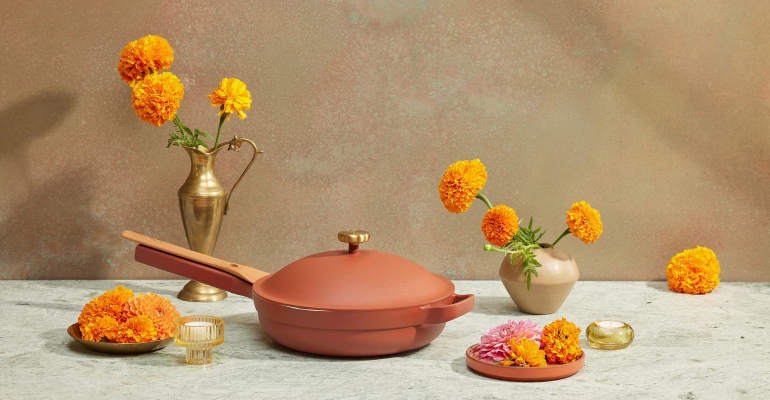
A genuinely useful piece of new technical evidence emerged in this review cycle: a detailed one-year, day-by-day chronicle of exactly how and why the ceramic Always Pan’s coating degrades — pinpointing the pan’s uneven heat distribution (a hot center, cooler edges) as the specific mechanical cause. Pairing this precise mechanism with the brand’s own engineering response (the coating-free Titanium Pro line) gives this review a genuinely complete, technically grounded structure. Quick Highlights ✅ The original ceramic Always Pan genuinely replaces multiple kitchen tools as designed — multiple independent test kitchens (Food Network, Taste of Home) confirm the steamer basket function specifically “shines,” producing consistently “crispy-tender” results superior to a rice cooker steamer attachment ✅ The Always Pan 2.0’s upgraded ThermaKind coating is independently confirmed as a genuine, measurable improvement over the original — Food Network’s professional chef tester reports zero sticking across eggs, cookies, and seared chicken thighs using no oil at all ✅ Titanium Always Pan Pro delivers on its coating-free durability promise — one detailed year-long owner reports it “scratch-free — even with metal utensils,” used in the dishwasher weekly and “looks brand new” ✅ Third-party SGS testing data confirms the ceramic coating’s stated safety claims are legitimate — silicon dioxide and inorganic minerals, no fluorinated compounds, verified independently rather than just brand-claimed ✅ The coating’s eventual degradation is specifically confirmed as a performance issue, not a safety issue — even worn ceramic coating remains “safer than a fresh PTFE coating” per detailed safety-focused testing ❌ A remarkably specific, technical, one-year daily-use chronicle pinpoints the exact mechanical cause of ceramic coating wear: “The pan’s hot center. The Always Pan’s heat distribution is not great. The center gets significantly hotter than the edges, which means the coating in the center takes more thermal abuse” — a meaningfully more precise diagnosis than vague “it just wears out” complaints ❌ A separate, equally specific five-month tester directly compared the Always Pan’s coating degradation rate against GreenPan and Caraway pans tested under similar conditions, finding it “degraded faster than equivalent coatings” on those competitor brands specifically ❌ Even the premium, coating-free Titanium Always Pan Pro has documented, specific design flaws — “the uncomfortable handle and poorly sealed lid” are repeatedly flagged by a detailed independent reviewer as genuine deal-breakers for some buyers, despite the underlying nonstick technology performing exactly as promised ❌ A Home & Gardens professional tester, with extensive comparative cookware experience (Le Creuset, cast iron), found the Always Pan 2.0 specifically struggles with pancakes — “leopard-spotted, with big brown patches on a beige base” — and identifies uneven heat distribution as a functional cooking limitation beyond just coating longevity ❌ Searing is specifically and consistently confirmed across multiple independent sources as the wrong task for any ceramic Always Pan — “high-heat searing degrades ceramic coatings faster than any other cooking task,” with stainless steel or cast iron specifically recommended instead Best for: Buyers specifically wanting the Titanium Always Pan Pro for genuine long-term, coating-free durability who can accept the documented handle and lid design tradeoffs, or buyers of the original ceramic Always Pan who specifically understand and accept a realistic 6-12 month peak-performance window followed by gradual decline as the normal cost of ceramic nonstick technology generally. Why Trust This Review Cross-referenced from Taste of Home’s year-long Test Kitchen and editor comparison review, Food Network’s professional chef test of the Always Pan 2.0 and separate Titanium Always Pan Pro review, PrudentReviews’ detailed “brutally honest” hands-on Titanium Pro test, Kitchen Deets’ aggregated review synthesis, Home & Gardens’ detailed comparative one-year frying test (against Le Creuset and cast iron benchmarks), and NonToxicLab’s two separate detailed reviews — a five-month comparative test and a full twelve-month daily-use chronicle with specific mechanical wear analysis. No commercial relationship with Our Place. Table of Contents About Our Place Our Place Review: Full Breakdown Best Our Place Products Worth Buying What Customers Actually Think Is Our Place Worth It? Ceramic Always Pan vs Titanium Always Pan Pro Where to Buy FAQs Final Verdict About Our Place Our Place is a Los Angeles-based cookware and home goods brand founded by Shiza Shahid, built around the original Always Pan — a single multi-functional pan designed to replace ten separate kitchen items. In response to well-documented durability concerns with its original ceramic nonstick line, Our Place launched the Titanium Pro collection — a fundamentally different, coating-free construction using a micro-textured titanium interior (NoCo technology) specifically engineered to address the longevity complaints that had become a consistent pattern in independent reviews of the original Always Pan. Our Place Review: Full Breakdown The Mechanical Cause of Coating Wear — A Genuinely Precise, Technical Finding This deserves to anchor the entire ceramic-line discussion because it moves beyond vague “the coating wore off” complaints into a specific, mechanically-grounded explanation. A detailed twelve-month daily-use chronicle identifies the precise cause: “The Always Pan’s heat distribution is not great. The center gets significantly hotter than the edges, which means the coating in the center takes more thermal abuse.” The same reviewer’s direct comparative point is genuinely useful: “A pan with better heat distribution (like GreenPan’s Valencia Pro with its hard-anodized body) spreads heat more evenly and wears more uniformly” — meaning the Always Pan’s specific construction, not ceramic coating technology in general, bears some responsibility for the documented wear pattern. This same detailed reviewer’s month-by-month account is precise and credible: “The first three months were great. Eggs slid around like they were on ice… Around month four, I noticed that eggs were starting to grab slightly on one section of the pan near the center, where the heat is hottest.” Critically, the reviewer’s separate, direct safety clarification deserves equal weight: “The degradation of the Always Pan’s coating is a performance issue, not a safety issue. A worn ceramic coating is still safer than a fresh PTFE coating.” The Comparative Degradation Finding — A Specific, Brand-vs-Brand Data Point This deserves direct inclusion because it’s a rare, specific, head-to-head comparison rather than an isolated single-brand complaint. A separate,
Lovevery Review — Are the Play Kits Worth $80+ Per Box?
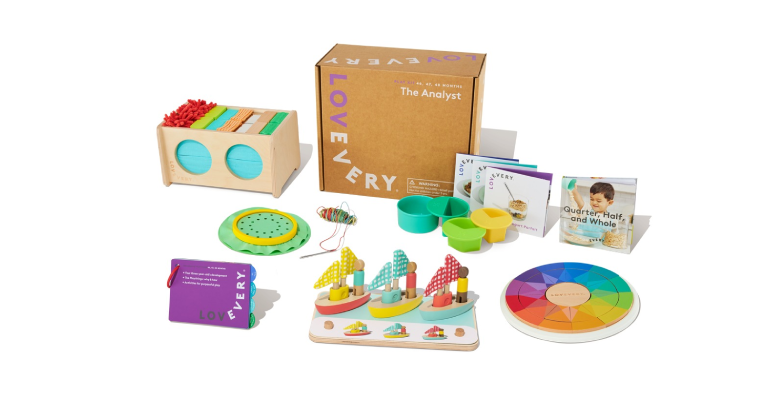
Lovevery generates one of the most consistently strong, multi-year, multi-child quality evidence bases across this entire parenting and child-development research series — including a specific, six-year-old child still actively using toys from his earliest play kits. The same brand also generates a documented, specific pattern of subscription and order management failures (duplicate shipments, unresponsive support, lack of any phone contact option) that deserves equally direct, complete treatment. Quick Highlights ✅ A remarkably consistent, multi-source, multi-year quality pattern — one detailed account describes a child “almost 6 and he still uses a lot of the toys and games” from earlier kits, and a separate parent specifically confirms toys “well made” enough to maintain “great resale value” on secondhand marketplaces ✅ Genuine developmental design backing — toys created by a team of child development experts, with each kit including a detailed Play Guide showing week-by-week, toy-by-toy suggested activities ✅ A four-friend, multi-child testing account (ages 2-5) reaches an explicit, confident “YES, it is worth it” conclusion based on hands-on use ✅ Genuinely sustainable materials — sustainably harvested wood, organic cotton, nontoxic paint, with a “Pre-Loved” resale marketplace directly operated by the brand itself for buying and selling used kits ✅ Flexible purchasing structure — single kits, subscriptions, or gift purchases all available, without requiring long-term subscription commitment ❌ A specific, detailed, dated account describes a grandparent’s subscription order resulting in three separate boxes containing the identical toys shipped to the same recipient, with a full week of unanswered emails and no phone number available to resolve the duplication or cancel the subscription ❌ A separate, detailed, recent account describes a holiday gift order discovered to be back-ordered until three months after purchase, with no proactive notification at the time of sale — the customer’s specific note: “for a children’s brand where many purchases with 3+ weeks lead time should not be an issue,” this represents a real planning failure ❌ Multiple separate reviewers independently flag the felt-based toys as a specific, repeated dud category for some households — one detailed account: “Neither of my kids wanted to touch anything made of felt… since we have a cat all the items were instantly covered in cat hair” ❌ A specific Reddit-sourced community account characterizes the subscription cost-versus-value tradeoff bluntly: “It’s honestly one of the biggest rip offs I’ve seen as a parent” (32 community upvotes) — a genuinely substantial, specific counter-opinion worth including alongside the more numerous positive accounts ❌ At least one detailed reviewer specifically critiques the developmental sequencing of certain skill-building items — counting pegs appearing “right before the child’s 3rd birthday” in one specific kit, which the reviewer’s own older child had already mastered roughly a year earlier through different materials ❌ The premium price point is real and substantial — kits start at $80 for infant/baby boxes and $120 for the 2-4 year old range, with no per-item pricing transparency provided by the brand Best for: Parents specifically wanting curated, developmentally sequenced, sustainably-made toys without the research burden of selecting age-appropriate items themselves, who purchase individual kits rather than committing to an open-ended subscription until they’ve confirmed responsiveness and fit for their specific child, and who are comfortable supplementing with the brand’s own secondhand “Pre-Loved” marketplace to reduce overall cost. Why Trust This Review Cross-referenced from Trustpilot’s UK review collection (168+ reviews), Thingtesting’s aggregated brand review collection, The Good Trade’s editorial hands-on review, Wanderlust Chloe’s detailed first-year, multi-kit review, Uninfluenced Review’s aggregated Reddit community sentiment collection, BabySavers’ detailed four-child personal test, Confidently Mom’s detailed multi-year, multi-kit ranking by a parent who’s used the kits across multiple children, and Anna In The House’s detailed two-child, multi-year independent review. No commercial relationship with Lovevery. Table of Contents About Lovevery Lovevery Review: Full Breakdown Best Lovevery Products Worth Buying What Customers Actually Think Is Lovevery Worth It? Where to Buy FAQs Final Verdict About Lovevery Lovevery was founded in 2017 by Jessica Rolph, based in Boise, Idaho, building age-specific, Montessori- and Waldorf-inspired play kits designed by a team of child development experts spanning education, medicine, and academic research disciplines. The product range covers ages 0 weeks through 5 years via numbered, sequential Play Kits, alongside standalone products including the Play Gym, Block Set, play kitchens, bath toys, and Montessori-style furniture. Products are designed in the United States and manufactured with partners in Asia who, per the brand’s own stated positioning, adhere to sustainability and labor standards. Lovevery Review: Full Breakdown Long-Term, Multi-Child Quality Evidence — Genuinely Substantial and Specific This is where Lovevery most clearly and most consistently earns its reputation, and the evidence base spans multiple years and multiple children across separate, independent sources. One detailed, specific Reddit-sourced community account: “My oldest is almost 6 and he still uses a lot of the toys and games” — a genuinely rare, specific, multi-year longevity claim for children’s toys generally. A separate, independent detailed reviewer who tested kits across four children aged 2-5 reaches a direct, confident conclusion: “YES, it is worth it. The high quality toys, along with the play guide, book, art supplies, picture cards and montessori-style items make the kit worth it.” A separate detailed account specifically praises the resale value as evidence of genuine build quality: “Lovevery toys have a great resale value and you can always find them at secondhand kids stores or Marketplace — a testament to their longevity, for sure.” This kind of secondary-market durability signal is a genuinely meaningful, independently-verifiable quality indicator distinct from the brand’s own marketing claims. The Felt and Doll Items — A Specific, Repeated, Honest Dud Category This deserves direct inclusion because it’s a specific, repeated pattern across multiple independent sources rather than a single household’s idiosyncratic preference. One detailed account: “Neither of my kids wanted to touch anything made of felt (I honestly didn’t like the texture either) and since we have a cat all the items were instantly covered in cat hair, so all the felt toys were immediately discarded which seemed like a waste.” The same reviewer’s
NordicTrack Review — Is the iFIT Subscription Trap Worth It?
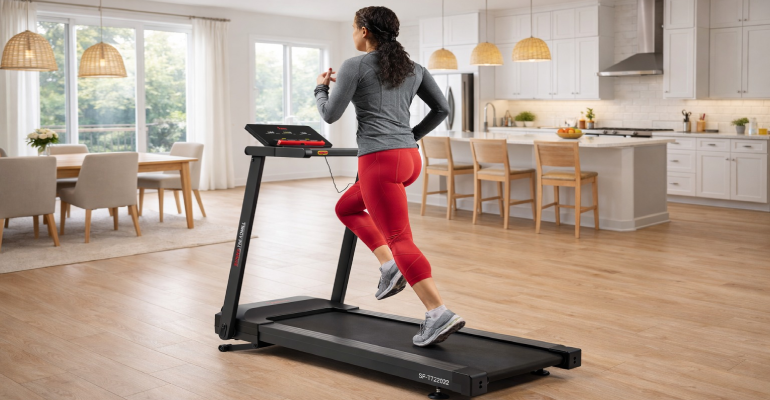
NordicTrack’s single most important piece of 2026 evidence is a specific, formal BBB complaint documenting a customer recording their treadmill “repeatedly cycling through software updates and loading screens for well over 15 minutes” while simply trying to start a manual walk, with the console eventually crashing entirely and “Quick Start”/manual mode becoming unavailable during the process. That customer’s own precise framing deserves to anchor this entire review: “the current system effectively allows the software platform to hijack the operation of the physical equipment that the customer already purchased.” Quick Highlights ✅ NordicTrack’s hardware specifications are independently confirmed as genuinely strong for the price tier — the T Series 10 specifically earns praise for its 3.0 CHP motor, 60×20 inch deck, and 12 mph top speed in a compact, space-efficient footprint ✅ The warranty structure is genuinely substantial on paper — lifetime motor coverage, up to 10-year frame coverage, 2-year parts, with the Commercial and Incline Series specifically offering lifetime motor warranties ✅ At least one detailed, specific account confirms genuinely fast, well-executed warranty resolution: a replacement X32i treadmill unit shipped within 7 days of a claim, with a specific named representative credited directly ✅ Multiple long-term, repeat-customer accounts confirm genuine satisfaction with NordicTrack equipment durability across years and multiple separate purchases ✅ The iFIT platform itself, when functioning and subscribed to, receives genuine praise for content quality — specific named trainers and the breadth of available programming are repeatedly and specifically credited as the main reason for customer satisfaction ❌ A specific, formal BBB complaint documents a treadmill console becoming functionally unusable due to software update loops, with the customer unable to reliably access basic manual treadmill function — a serious, specific complaint about the fundamental design philosophy of gating physical equipment access behind software ❌ Multiple separate customers report being explicitly told by sales staff, prior to purchase, that manual mode would remain fully accessible without an active iFIT subscription — only to discover after delivery that login (even in a stated “plane mode”) is required to access manual controls, directly contradicting the sales representation ❌ A specific, serious, and detailed BBB complaint describes a discontinued replacement part (rear feet) for a NordicTrack 2450 treadmill, with the company refusing assistance even when the customer specifically offered to pay for the part, on the stated grounds that the part is no longer manufactured — for a unit the customer could not use or move due to a cancer diagnosis during the warranty period ❌ A specific, detailed Trustpilot account alleges a deliberate billing practice following cancellation: “Accept the cancellation. Pretend the cancellation worked. Fire up the ‘We’re sorry you’re gone, please come back!’ email campaign. Keep billing cancelled members anyway” — a serious, specific allegation requiring direct, careful inclusion ❌ Customer service phone access is documented with real, specific frustration across multiple sources — “telephone number seems to go to a very poor overseas connection making it difficult to hear the representative,” with live chat queue positions described as consistently stuck “number 11 in line” ❌ Delivery and installation outsourced to third-party logistics is documented as a genuine, specific weak point — one account describes 5 separate home visits required just to remove old equipment, with installers in one visit arriving without the correct tools and in another simply “in a car” without proper removal equipment Best for: Buyers who have explicitly decided to subscribe to iFIT long-term and have budgeted the full, ongoing $39/month membership cost into their total purchase decision from the outset — not buyers hoping to use NordicTrack hardware purely manually without the subscription, given the documented, repeated pattern of manual mode being functionally restricted in practice regardless of sales representations. Why Trust This Review Cross-referenced from Garage Gym Reviews’ detailed hands-on T Series 10 test, TreadmillReviews.net’s detailed warranty and specification breakdown, TopConsumerReviews’ current 2026 model and pricing analysis, Trustpilot’s verified review base for both NordicTrack and iFIT separately, BBB’s documented formal complaint archive (including the specific software-lockout complaint), and PissedConsumer’s aggregated complaint collection. No commercial relationship with NordicTrack or iFIT. Table of Contents About NordicTrack NordicTrack Review: Full Breakdown Best NordicTrack Products Worth Buying What Customers Actually Think Is NordicTrack Worth It? The Real Cost of Ownership Where to Buy FAQs Final Verdict About NordicTrack NordicTrack is owned by iFIT Health & Fitness, with ProForm operating as a related, lower-tier sister brand within the same corporate family. The current 2026 lineup spans the EXP series (entry-level, starting at $1,199), the T Series, the Commercial Series, and the Incline Series, with the flagship Commercial X32i reaching $4,499. Every model integrates the iFIT software platform — providing trainer-led workouts, automatic incline/speed adjustment, and entertainment streaming (Netflix, Spotify, Amazon Prime) — through a required or strongly recommended ongoing subscription, currently priced at $39/month after an included 30-day trial. NordicTrack Review: Full Breakdown The Hardware — Genuinely Solid, Independently Confirmed This is where NordicTrack continues to earn legitimate praise, and the specification-level evidence holds up to direct, expert scrutiny. Garage Gym Reviews’ detailed, hands-on test of the entry-level T Series 10 confirms: “Yes, the T Series 10 can support running workouts thanks to its 60-inch by 20-inch treadmill deck, as well as its max speed of up to 12 miles per hour… should be suitable for high-intensity training protocols.” The same expert reviewer specifically praises the compact footprint: “less of a footprint than your standard three-seat sofa,” with EasyLift assist technology for genuinely manageable folding storage. The Manual Mode Access Problem — The Single Most Serious, Most Direct Concern This deserves the most complete, careful treatment in this entire review because it touches on a fundamental question of what a buyer actually owns and controls after purchase. A specific, formal BBB complaint documents this in precise, technical detail: a customer recorded their treadmill “repeatedly cycling through software updates and loading screens for well over 15 minutes” while attempting only “to start a manual walk,” with the behavior having “already been occurring for a significant amount of time” before
Nisolo Review — Is the Ethical Shoe Brand Still Trustworthy After Foreclosure?
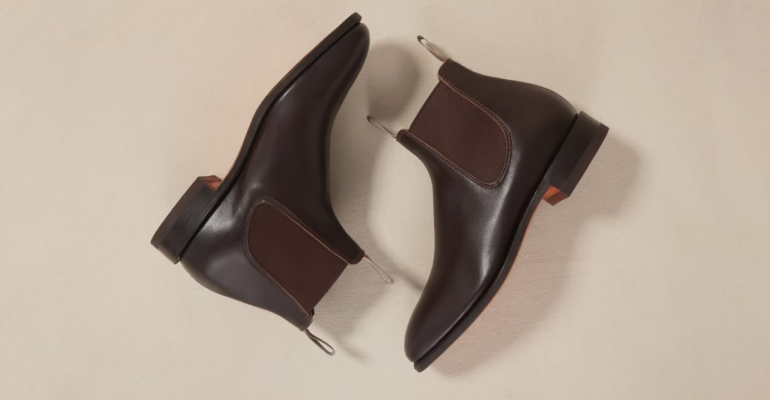
Nisolo’s 2026 evidence base contains a genuinely unusual and serious development that needs to anchor this entire review: the company underwent foreclosure in January 2026, new ownership took control of the business, and — separately, but compoundingly — a prepaid “Five for Five” subscription program that took up to $500 from individual customers was abruptly discontinued without fulfilling its remaining obligations or issuing refunds. This happened to a brand whose entire founding identity and B Corp certification are built specifically around ethical, transparent business practice, which makes the documented financial conduct here a meaningfully different kind of concern than a typical quality complaint. Quick Highlights ✅ Genuine, well-documented product quality on the core leather footwear when correctly fitted — multiple specific, detailed accounts confirm comfortable, well-constructed shoes that hold up to daily wear ✅ A direct ownership model — the company owns and operates a factory in Peru employing 120 artisans paid living wages, a genuine structural differentiator from brands that outsource to third-party factories ✅ White leather sneakers specifically and repeatedly praised for comfort and ease of cleaning — one detailed reviewer reports wearing them 3-4 times weekly for two months while looking “almost brand new” ✅ A detailed professional review of the Heeled Chelsea Boots confirms genuine quality: “I could smell the difference in quality compared to my cheap, fast-fashion shoes of the past” ❌ A specific, serious, documented financial allegation: Nisolo’s prepaid “Five for Five” program — where customers paid up to $500 upfront for shoes to be delivered over time — was discontinued by the (then-)owners without fulfilling remaining deliveries or issuing refunds, with multiple separate Trustpilot accounts using the word “scammed” directly ❌ The company underwent formal foreclosure proceedings in January 2026 due to “mounting debts,” with new ownership taking control and creating genuine, stated uncertainty about whether ethical manufacturing standards and the B Corp certification will be maintained going forward ❌ A specific, detailed reviewer who had previously given the brand a 5-star review states directly: “I must edit my former review and now give this brand 1 star,” describing the company as engaging “in fraud, theft, and other misleading client practices” — language serious enough to require direct, careful inclusion ❌ A separate, detailed, repeated packaging-quality concern: gray suede shoes purchased during a Black Friday sale arrived scuffed due to poor in-transit packaging, with a replacement pair experiencing the identical packaging defect and arriving scuffed as well ❌ A specific, independent reviewer who tracks the brand closely poses a pointed, unresolved question directly: “I’m also not sure why Nisolo still holds a B Corp certification” given the documented program collapse and lack of customer accountability ❌ At least one detailed account describes the soles specifically as “terrible” and wearing down quickly, in direct tension with the brand’s stated craftsmanship positioning, though this appears to be a minority complaint relative to the broader, largely positive quality evidence base Best for: Existing customers with a pre-2026 history specifically wanting individual leather shoe purchases at full, direct payment (not prepaid subscription programs), who research the current, post-foreclosure ownership structure directly before purchasing and avoid any subscription or prepaid program specifically until the new ownership has established a clear, demonstrated track record of honoring its commitments. Why Trust This Review Cross-referenced from Thingtesting’s aggregated brand review collection including the documented quality reversal account, The Reviews Journal’s detailed best-seller product analysis, Honest Brand Reviews’ detailed product and customer feedback collection, Trustpilot’s documented Five for Five program complaint archive, The Honest Consumer’s detailed sandal review and B Corp certification commentary, Cotton Cashmere Cat Hair’s multi-product, multi-year ownership account, Smart Selects’ detailed 2026 foreclosure and ownership-transition analysis, and Reviewed.com’s professional Chelsea Boot test. No commercial relationship with Nisolo. Table of Contents About Nisolo The 2026 Foreclosure and Five for Five Collapse — What Happened Nisolo Review: Full Breakdown Best Nisolo Products Worth Buying What Customers Actually Think Is Nisolo Worth It? Where to Buy FAQs Final Verdict About Nisolo Nisolo is a Nashville, Tennessee-based ethical footwear and accessories brand whose name derives from the Spanish phrase for “not alone.” The company’s founding differentiator is direct factory ownership — rather than outsourcing production to third-party contractors, Nisolo owns and operates its own factory in Peru, employing approximately 120 artisans who receive living wages, healthcare, and other benefits, with additional production partnerships in Mexico and Kenya. The brand achieved B Corporation certification, a genuine third-party verification of social and environmental business standards, and built a following specifically among ethical-fashion-conscious consumers, with coverage from GQ, Vogue, and InStyle. The 2026 Foreclosure and Five for Five Collapse — What Happened This deserves direct, complete, upfront treatment because it’s the single most important context for evaluating any current Nisolo purchase. Per detailed 2026-dated analysis: “The brand went into foreclosure in January 2026 due to mounting debts. New ownership took control, creating uncertainty about maintaining ethical standards.” Separately, but related: the company had run a “Five for Five” program — a prepaid subscription model where customers paid upfront (documented at amounts up to $500) for shoes to be delivered incrementally over time. Multiple separate, detailed Trustpilot accounts document this program being discontinued without the company fulfilling its remaining delivery obligations or providing refunds. One specific account: “Add me to the long list of people scammed by Nisolo. They refuse to honor the Five for Five deal or issue a refund. Now I have to fight to get my $500 back.” A separate, similarly specific account: “Spent $500 for the program and got 2/10 items before the program went defunct and they decided not to reimburse anyone.” A third account adds a specific, important detail about the timeline of responsibility: “It’s obvious the old business owners had no intentions of honoring the 5 for 5 program and ran off with our money. The new owners slapped us in the face” — suggesting the new, post-foreclosure ownership inherited this customer dispute without resolving it. The practical, direct implication for any 2026 buyer: avoid any prepaid subscription or