Nisolo’s 2026 evidence base contains a genuinely unusual and serious development that needs to anchor this entire review: the company underwent foreclosure in January 2026, new ownership took control of the business, and — separately, but compoundingly — a prepaid “Five for Five” subscription program that took up to $500 from individual customers was abruptly discontinued without fulfilling its remaining obligations or issuing refunds. This happened to a brand whose entire founding identity and B Corp certification are built specifically around ethical, transparent business practice, which makes the documented financial conduct here a meaningfully different kind of concern than a typical quality complaint.
Best for: Existing customers with a pre-2026 history specifically wanting individual leather shoe purchases at full, direct payment (not prepaid subscription programs), who research the current, post-foreclosure ownership structure directly before purchasing and avoid any subscription or prepaid program specifically until the new ownership has established a clear, demonstrated track record of honoring its commitments.
Cross-referenced from Thingtesting’s aggregated brand review collection including the documented quality reversal account, The Reviews Journal’s detailed best-seller product analysis, Honest Brand Reviews’ detailed product and customer feedback collection, Trustpilot’s documented Five for Five program complaint archive, The Honest Consumer’s detailed sandal review and B Corp certification commentary, Cotton Cashmere Cat Hair’s multi-product, multi-year ownership account, Smart Selects’ detailed 2026 foreclosure and ownership-transition analysis, and Reviewed.com’s professional Chelsea Boot test. No commercial relationship with Nisolo.
Nisolo is a Nashville, Tennessee-based ethical footwear and accessories brand whose name derives from the Spanish phrase for “not alone.” The company’s founding differentiator is direct factory ownership — rather than outsourcing production to third-party contractors, Nisolo owns and operates its own factory in Peru, employing approximately 120 artisans who receive living wages, healthcare, and other benefits, with additional production partnerships in Mexico and Kenya. The brand achieved B Corporation certification, a genuine third-party verification of social and environmental business standards, and built a following specifically among ethical-fashion-conscious consumers, with coverage from GQ, Vogue, and InStyle.
This deserves direct, complete, upfront treatment because it’s the single most important context for evaluating any current Nisolo purchase. Per detailed 2026-dated analysis: “The brand went into foreclosure in January 2026 due to mounting debts. New ownership took control, creating uncertainty about maintaining ethical standards.” Separately, but related: the company had run a “Five for Five” program — a prepaid subscription model where customers paid upfront (documented at amounts up to $500) for shoes to be delivered incrementally over time.
Multiple separate, detailed Trustpilot accounts document this program being discontinued without the company fulfilling its remaining delivery obligations or providing refunds. One specific account: “Add me to the long list of people scammed by Nisolo. They refuse to honor the Five for Five deal or issue a refund. Now I have to fight to get my $500 back.” A separate, similarly specific account: “Spent $500 for the program and got 2/10 items before the program went defunct and they decided not to reimburse anyone.” A third account adds a specific, important detail about the timeline of responsibility: “It’s obvious the old business owners had no intentions of honoring the 5 for 5 program and ran off with our money. The new owners slapped us in the face” — suggesting the new, post-foreclosure ownership inherited this customer dispute without resolving it.
The practical, direct implication for any 2026 buyer: avoid any prepaid subscription or program-based purchase from Nisolo entirely until the new ownership has established a clear, demonstrated track record of honoring financial commitments. Individual, direct, full-payment purchases for single items carry meaningfully less of this specific documented risk.
Setting aside the financial and ownership concerns for a moment, the underlying product quality evidence is genuinely substantial and specific in many documented cases. One long-term, multi-product owner: “I absolutely love Nisolo. These are extremely high-quality products that look good and are comfortable… I have 2 pairs of sandals, 1 pair of boots, 1 wallet, and 1 purse, and my husband has 1 pair of boots and 1 pair of oxfords.” A separate, specific account of the white leather sneakers: “They’re my favorite pair of shoes to wear these days. They are super comfortable… super easy to clean off with a magic eraser, and they look almost brand new after having them for ~2 months, and wearing them at least 3-4x per week.”
A professional reviewer’s test of the Heeled Chelsea Boots provides genuinely credible, sensory-specific evidence: “These boots are my first pair of nice (and real) leather boots, so I read the care instructions carefully and could smell the difference in quality compared to my cheap, fast-fashion shoes of the past.” The same reviewer’s specific, actionable sizing guidance: “size up! The boots have a gorgeous finish… but the silhouette is too snug on my foot… Next time I’ll size up a half size.”
This deserves equal, complete weight because it represents a meaningfully credible counter-account: a reviewer who specifically states having previously given the brand a 5-star review explicitly revises that assessment: “I had formerly given this brand a 5 star review, but I am sad to say, I must edit my former review and now give this brand 1 star.” The same reviewer’s specific, serious quality complaint: “the shoes are low quality, the soles are terrible and wear down quickly,” paired with the financial conduct allegations: “the company is also extremely dishonest and has engaged in fraud, theft, and other misleading client practices.” This is a meaningfully serious, specific account precisely because it documents an explicit reversal of prior positive sentiment rather than starting from pure dissatisfaction.
One detailed account describes a genuinely frustrating, repeated packaging failure: gray suede shoes purchased during a Black Friday sale “arrived scuffed” due to being “packaged in such a way that they rubbed against each other in transit.” After contacting customer service and “had to continually pester them through social media,” the customer received a replacement — which arrived “packaged right next to each other” in the identical manner and “arrived scuffed” again. The customer’s own specific, fair conclusion: “The product is clearly very high quality. They look even better in person. They just need to be packaged more thoughtfully.”
A detailed independent reviewer raises this directly and specifically: “I encourage you to read this post about Nisolo’s lack of responsibility before deciding to purchase their products. I’m also not sure why Nisolo still holds a B Corp certification. While they have disrespected customers and creators, they are still claiming to make their shoes ethically… I’m not convinced.” This is a fair, pointed question that any ethically-motivated buyer should weigh directly: B Corp certification reflects a point-in-time assessment of business practices, and the documented Five for Five program collapse and foreclosure represent exactly the kind of business conduct that certification is meant to verify against — buyers specifically motivated by the brand’s ethical positioning should research whether the certification has been reviewed or reassessed given these documented 2026 developments.
Multiple independent sources confirm genuine sizing variance even within identical products. One detailed account describing two identical pairs of the same shoe, received separately due to a return-and-replacement situation: “Interestingly, now that I have worn two identical pairs, they fit differently. One pair is much more comfortable, and the other is tight in the toe box and grips the heel too much.” A separate buyer’s specific, useful guidance: “I really wanted to love these but they did were not right for my feet… It’s not the brand’s fault that I have high arches and sensitive feet!” — a fair, specific acknowledgment that foot-shape compatibility, not just brand quality, factors into individual fit experiences.
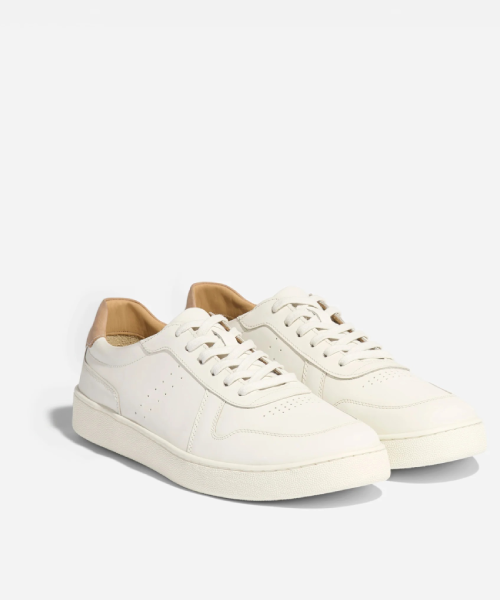
Best for: Buyers wanting the brand’s most specifically and repeatedly praised individual product for everyday comfort and easy maintenance.
One Honest Drawback: As with the broader catalog, purchase as a direct, individual full-payment item rather than through any prepaid subscription program given the documented Five for Five concerns.
Verdict: The most consistently, specifically praised single product across available evidence — a reasonable starting point if proceeding with a Nisolo purchase.
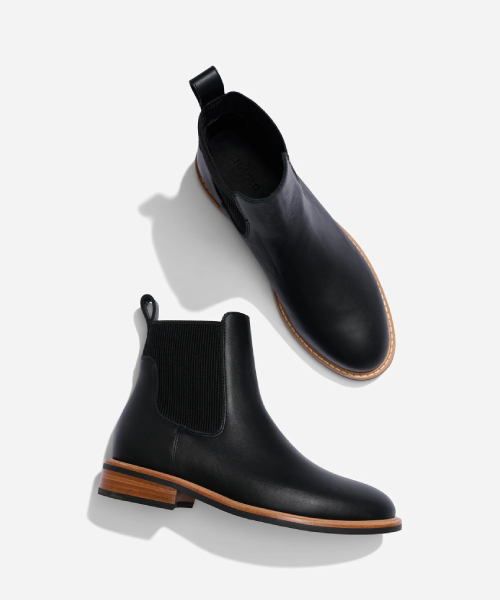
Best for: Buyers wanting a genuine, professionally-tested leather boot, with the explicit recommendation to size up.
One Honest Drawback: Documented, specific sizing guidance recommends ordering a half size up from your usual — the brand’s own stated sizing suggestion matches this independent finding.
Verdict: A genuinely well-reviewed individual product, with the explicit sizing caution worth following directly.
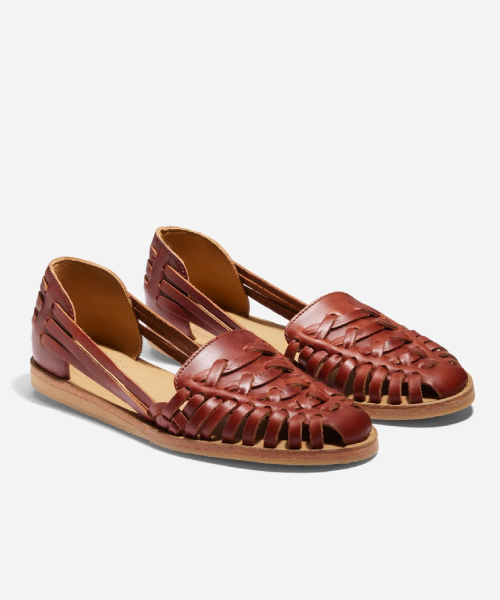
Best for: Buyers specifically wanting the brand’s most historically popular, signature handwoven product.
One Honest Drawback: At least one detailed reviewer notes the leather runs “stiffer than I was anticipating” initially, requiring a genuine break-in period.
Verdict: Worth purchasing individually and directly, with realistic expectations about an initial break-in period for the leather.
Real accounts paraphrased:
For individual, direct, full-payment leather shoe purchases — particularly the white leather sneakers and Chelsea Boot, which receive the most specific and consistent praise: reasonably, yes, with the explicit caveat to size up where the brand recommends it and to monitor packaging carefully on arrival given the documented suede-scuffing issue.
For any subscription or prepaid program — most specifically Five for Five: no, do not purchase, given the multiple separate, specific, dated documented accounts of this program being discontinued without fulfillment or refund.
For buyers specifically motivated by the brand’s ethical positioning and B Corp certification: research the current, post-2026-foreclosure ownership and operational status directly before purchasing, given the genuine, unresolved questions this transition raises about whether prior ethical commitments are being maintained under new ownership.
nisolo.com — direct. Purchase individual items with direct, full payment only — avoid any subscription or prepaid program given the documented Five for Five issues. Research current ownership status before purchasing if ethical sourcing specifically motivates your decision.
A prepaid subscription program (customers paying upfront for shoes delivered over time, documented at amounts up to $500) was discontinued by the company without fulfilling remaining deliveries or providing refunds, per multiple separate, specific Trustpilot accounts.
The company underwent foreclosure proceedings in January 2026 due to documented mounting debts, with new ownership subsequently taking control of the business.
The company previously held B Corp certification; at least one detailed independent reviewer has specifically and publicly questioned whether this certification remains warranted given the documented 2026 program collapse and foreclosure.
Generally yes on the core leather lines based on substantial documented evidence, though at least one specific, detailed account explicitly reverses a prior 5-star assessment to describe sole quality as “terrible” — quality appears genuinely variable by specific product and possibly by production period.
Nisolo’s underlying footwear craftsmanship — particularly the white leather sneakers and Chelsea Boots — receives substantial, specific, credible positive evidence across multiple independent sources, and the brand’s direct factory ownership model in Peru represents a genuine, structural ethical differentiator that most footwear brands don’t attempt.
The documented 2026 foreclosure and the separate, serious Five for Five program collapse represent a genuinely different category of concern than typical product quality complaints — this is documented financial conduct that directly contradicts the brand’s foundational ethical positioning, and it deserves to weigh heavily in any current purchase decision. Buy individual items directly and avoid prepaid programs entirely until the new ownership demonstrates it has resolved these documented customer disputes.
Category | Score |
Core Product Quality | 8 / 10 |
Ethical Manufacturing Model (historical) | 9 / 10 |
Ethical Manufacturing Model (post-2026, current) | Uncertain |
Packaging Quality | 5.5 / 10 |
Financial Trust / Subscription Programs | 2 / 10 |
Value for Money (individual purchases) | 7.5 / 10 |
Overall | 6.3 / 10 |