
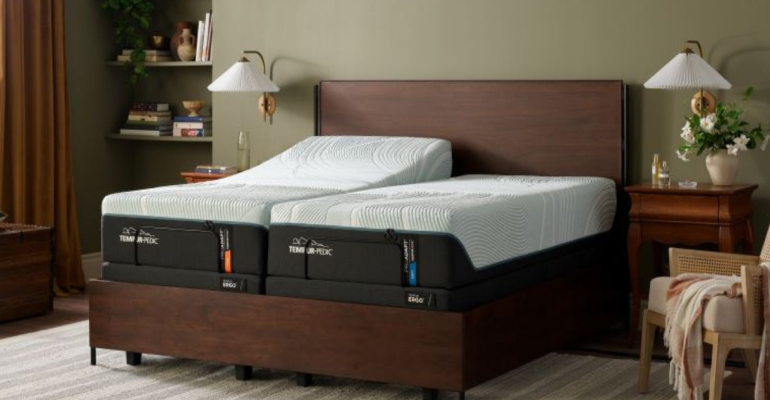
Tempur-Pedic is the brand that invented the commercial memory foam mattress and has maintained its position at the top of the luxury segment by consistently producing the most consistently reviewed pressure-relieving foam sleep surfaces in the consumer market. The brand’s TEMPUR material — developed originally by NASA and now exclusively available in Tempur-Pedic mattresses — is the specific engineering foundation for the deep contouring and motion isolation that has made the brand the default luxury mattress recommendation across sleep publications for over two decades.
The most important positive evidence is specific: Tempur-Pedic is still one of the strongest luxury memory-foam brands for slow contouring, pressure relief, and motion isolation — and the ProAdapt is the most popular Tempur-Pedic mattress and the strongest starting point for many shoppers, giving broader firmness options and upgraded pressure relief without jumping to LuxeAdapt or Breeze pricing, per MattressProducts.com’s July 2026 comparison. The most important negative evidence is equally specific: Tempur-Pedic is more specific than universal — hot sleepers, budget buyers, and combination sleepers should compare alternatives carefully — because the dense TEMPUR foam that produces the brand’s pressure relief advantage is inherently heat-trapping in a way that coil hybrids are not, and the price ladder is steep: Adapt queens start around $2,500, ProAdapt around $3,500, LuxeAdapt $4,500 and above.
✅ ProAdapt is the most popular Tempur-Pedic mattress and the recommended starting point for most buyers — broader firmness options (Soft, Medium, Firm, and Medium Hybrid), upgraded TEMPUR-APR material, and TEMPUR-CM+ comfort material for improved cooling over the entry Adapt model
✅ Exceptional pressure relief — TEMPUR material developed from NASA viscoelastic foam technology specifically produces the deep contouring that side sleepers and pressure-point sufferers document as superior to every alternative at the price
✅ Motion isolation is best-in-class — the dense TEMPUR foam absorbs movement rather than transmitting it, making Tempur-Pedic the most consistently documented choice for light sleepers who share a bed with a partner who moves frequently
✅ Edge support documented as the highest score category for Tempur-Pedic across Sleep Advisor’s 2026 testing — most models deliver reliable edge performance
✅ Longevity documented as exceeding typical all-foam alternatives — TEMPUR foam density produces a mattress that holds its support properties longer than less dense foams, with ownership accounts spanning 10-plus years
✅ 90-night trial and 10-year limited warranty — the trial period is shorter than competitors including Nectar (365 nights) and Saatva but the warranty is specific about what the brand covers
✅ Retail and online availability across multiple purchase channels, with periodic holiday and seasonal sales — Presidents Day, Memorial Day, and Black Friday documented as the most significant sale events
❌ Dense TEMPUR foam is inherently heat-trapping — even with cooling cover technology, LuxeAdapt runs warmer than coil hybrids or latex builds in thermal load testing, and hot sleepers are specifically better served by the Breeze line (ProBreeze, LuxeBreeze) or a hybrid at higher prices
❌ Price ladder is steep — Adapt queens around $2,500, ProAdapt around $3,500, LuxeAdapt $4,500 and above — one of the most expensive memory foam options on the market, requiring a specific evaluation of whether the TEMPUR feel justifies the premium over alternatives at half the price
❌ 90-night trial requires minimum 30 nights before return — and the trial terms and return policies vary by retailer, so buyers purchasing through third-party retailers should confirm the specific trial terms before ordering
❌ TEMPUR foam is slow-moving and hugging — buyers who prefer a responsive, bouncy feel will find the sinking TEMPUR feel specifically uncomfortable, and combination sleepers who change positions frequently document difficulty with the slow responsiveness
❌ The LuxeAdapt Soft model — the most expensive and most conforming — documented by Sleep Doctor as potentially too plush to support buyers over 130 pounds at the soft firmness level, a specific weight limitation for the most premium product
❌ Foundation requirements are not optional — box springs and poor slat spacing can create support and warranty problems that buyers who do not confirm compatibility before purchasing discover after delivery
This review draws on MattressProducts.com’s July 2026 comprehensive comparison, Sleep Doctor’s Adapt, ProAdapt, and LuxeAdapt reviews, Sleep Advisor’s 2026 brand review, Mattress Nerd’s Tempur-Pedic review, and Mattress Nut’s July 2026 Adapt assessment. No commercial relationship with Tempur-Pedic. No affiliate link influences any rating or conclusion.
Tempur-Pedic is a Lexington, Kentucky-based mattress brand that commercialised NASA-developed viscoelastic foam into the modern memory foam mattress industry. The brand’s proprietary TEMPUR material is the specific engineering foundation for its pressure relief advantage. The current mattress range covers the TEMPUR-Cloud (entry), TEMPUR-Adapt, TEMPUR-ProAdapt, TEMPUR-LuxeAdapt, TEMPUR-ProBreeze, and TEMPUR-LuxeBreeze — all available in all-foam versions, with selected models in hybrid configurations. All models come with a 90-night trial and 10-year limited warranty.
The price ladder between Adapt ($2,500), ProAdapt ($3,500), and LuxeAdapt ($4,500) is steep, and understanding what actually changes between models is the most important pre-purchase step. The feel difference between Adapt and ProAdapt is subtle for most sleepers — the ProAdapt adds a thicker TEMPUR-APR material layer for deeper pressure relief and TEMPUR-CM+ comfort material for improved cooling, but buyers who have never slept on TEMPUR foam may not meaningfully distinguish the two in a first night’s sleep. The jump to LuxeAdapt is more noticeable — the TEMPUR-APR+ foam provides 30% more contouring than the ProAdapt’s APR foam and the LuxeAdapt is 13 inches tall versus the ProAdapt’s 12.
The practical guidance: if you have never slept on TEMPUR foam, start with the Adapt to confirm you like the feel before investing in higher tiers. The TEMPUR feel is specific — slow-moving, deeply conforming, and hugging — and buyers who do not like this feel will not like it more at the ProAdapt or LuxeAdapt price.
The TEMPUR material’s pressure relief documentation is the most consistently specific quality evidence in the Tempur-Pedic record. The deep contouring conforms to weight and shape, responding to pressure where it builds — a documented property that side sleepers, people with hip and shoulder pain, and pressure-point sufferers specifically document as exceeding what competing mattresses at lower price points deliver.
The motion isolation advantage is equally specific: the dense TEMPUR foam absorbs movement rather than transmitting it — the most consistently documented benefit for couples where one partner is a light sleeper and the other moves frequently during the night. No foam alternative at lower price points matches the documented motion isolation of TEMPUR foam.
Dense TEMPUR foam stores heat — this is a physical property of dense viscoelastic foam, not a quality flaw, and it is the most documented Tempur-Pedic limitation across every independent testing source. Modern Tempur-Pedic mattresses are no longer the heat traps the brand was rightly criticised for in the 2010s — cooling cover technology, TEMPUR-ES foam, and ventilation channels all help. But in thermal load testing, even the LuxeAdapt runs warmer than coil hybrids or latex builds.
The clear model guidance: for hot sleepers who want Tempur-Pedic, the ProBreeze or LuxeBreeze models are the specifically designed cooling alternatives at prices of $3,000–$5,000-plus. For buyers who run warm but do not specifically sleep hot, the ProAdapt with TEMPUR-CM+ comfort material and a cooling cover is the middle-ground recommendation. For buyers who sleep cool and specifically want maximum TEMPUR contouring: the standard ProAdapt or LuxeAdapt.
The TEMPUR-ProBreeze and TEMPUR-LuxeBreeze are the specific Tempur-Pedic models designed for hot sleepers — featuring advanced cooling technology alongside the TEMPUR pressure relief foundation. These models cost $3,000–$5,000-plus, representing the premium within the Tempur-Pedic premium tier. For buyers who specifically need cooling performance alongside the TEMPUR pressure relief: these are the documented appropriate models, with the price premium reflecting genuine cooling technology investment rather than tier marketing alone.
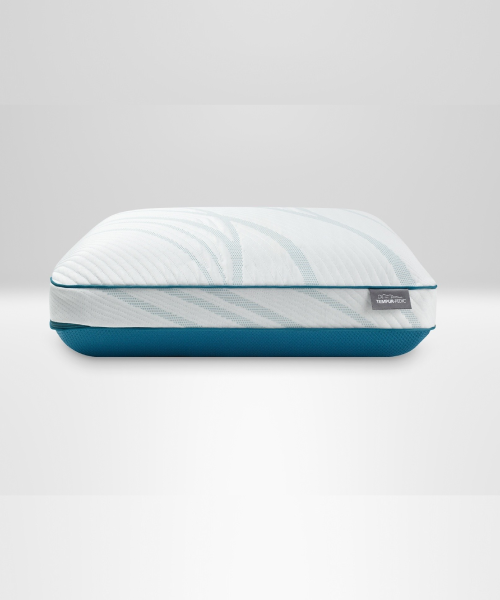
The most popular Tempur-Pedic mattress and the documented starting point for most buyers — broader firmness options (Soft, Medium, Firm, and Medium Hybrid), upgraded TEMPUR-APR material for deeper pressure relief, and TEMPUR-CM+ comfort material for improved cooling. The best overall Tempur-Pedic recommendation for buyers who have confirmed they like the TEMPUR contouring feel and want the strongest pressure relief without the LuxeAdapt price.
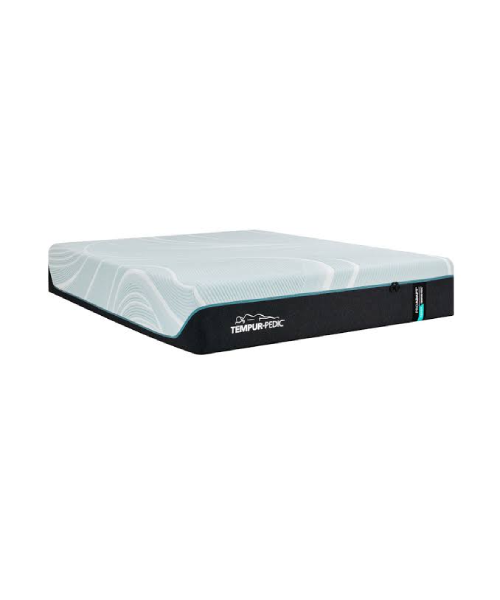
The entry Tempur-Pedic model and the recommendation for buyers evaluating the TEMPUR feel for the first time before committing to the ProAdapt or LuxeAdapt price. Available in Medium and Medium Hybrid — the Medium Hybrid is specifically recommended over the all-foam version for buyers in any doubt about heat retention, as the hybrid’s coil core provides better airflow.
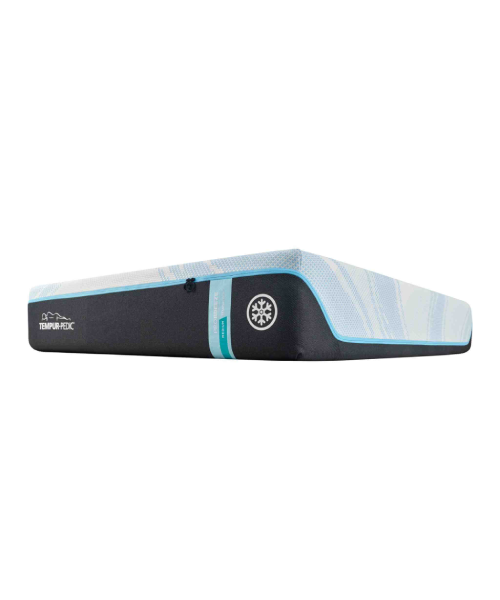
The cooling-focused Tempur-Pedic model — the documented recommendation for hot sleepers who specifically need cooling performance alongside TEMPUR pressure relief. Advanced cooling technology and a medium firmness level.
A Mattress Nut reviewer writing in July 2026 described the TEMPUR-ProAdapt as giving the best value-to-feel ratio for most buyers — specifically noting that the LuxeAdapt is the upgrade for those who specifically want maximum contour, and that modern TEMPUR runs warmer than coil hybrids but cooler than older TEMPUR generations.
A Sleep Doctor tester described the TEMPUR-Adapt as impressive for pressure relief — the deep contouring conforming to weight and shape, responding to pressure where it builds — while specifically noting that the two memory foam layers prevent heat escape and left testers feeling warm, particularly for hot sleepers and buyers over 230 pounds.
A MattressProducts.com reviewer writing in July 2026 described Tempur-Pedic as strongest for slow contouring, pressure relief, and motion isolation — and specifically noted that hot sleepers, budget buyers, and combination sleepers should compare alternatives carefully because the brand is more specific than universal.
A Sleep Advisor tester described good edge support across most Tempur-Pedic models tested — giving the brand the highest score in this category, with the only exception being the LuxeAdapt whose edge support was less impressive.
For side sleepers, people with chronic hip and shoulder pressure points, and light sleepers sharing a bed with a partner who moves: yes — the TEMPUR foam’s pressure relief and motion isolation advantages are documented as exceeding alternatives at comparable price points in the luxury category. The ProAdapt is the starting point.
For hot sleepers: the ProBreeze or LuxeBreeze models are the documented appropriate Tempur-Pedic recommendation — at significant additional premium over the standard models.
For budget buyers: Tempur-Pedic is not competitive at its price points with alternatives including Saatva Classic at $1,595, Nectar Premier at $1,499, or WinkBeds at $1,799 for buyers whose primary criterion is value-per-dollar rather than specifically the TEMPUR foam feel.
Tempur-Pedic ProAdapt | Saatva Classic | Leesa Sapira Chill | Purple Restore | Nectar Premier | |
Price (Queen) | ~$3,500 | $1,595 | $2,264 | $2,499 | $1,499 |
Type | TEMPUR all-foam / hybrid | Innerspring hybrid | Hybrid | Hybrid foam | All-foam |
Pressure relief | ✅ Best-in-class documented | Good | ✅ Strong | Good | Good |
Motion isolation | ✅ Best-in-class documented | Moderate | Good | Good | Good |
Cooling | Moderate (warmer than hybrids) | ✅ Good | ✅ AARP best cooling | ✅ Good | Moderate |
Edge support | ✅ Strong | ✅ Best-in-class | Good | Good | Moderate |
Trial period | 90 nights | 365 nights | 120 nights | 100 nights | 365 nights |
Lifespan | ✅ 10+ years documented | ✅ 10+ years | 7–10 years | 7–10 years | 7 years |
Best for | Pressure relief + motion isolation | Overall value | Cooling + side sleep | Hot sleepers | Budget luxury |
tempurpedic.com — direct, with the full model range and the most reliable trial terms. Also at select retail partners — confirm the specific trial terms and return policy before purchasing through any retailer other than Tempur-Pedic’s own website, as terms can vary by channel. Holiday sales documented at Presidents Day, Memorial Day, and Black Friday.
Before purchasing: confirm your foundation compatibility — box springs and poor slat spacing can create support and warranty problems. The Tempur-Pedic website documents the specific foundation requirements for each model.
For buyers who specifically need maximum pressure relief and motion isolation — side sleepers, pressure-point sufferers, and light sleepers sharing a bed: yes. For budget buyers and hot sleepers: alternatives at lower prices deliver comparable overall performance.
For first-time buyers: the TEMPUR-Adapt to confirm you like the TEMPUR feel. For buyers who have confirmed the feel: the ProAdapt — the most popular model with broader firmness options. For hot sleepers: the ProBreeze.
TEMPUR foam is denser than standard memory foam and inherently warmer. Modern models run cooler than older generations, but still warmer than coil hybrids in thermal load testing. Hot sleepers should choose the ProBreeze or LuxeBreeze models.
90 nights — shorter than Nectar’s 365 and Saatva’s 365. A 30-night minimum is required before return. Confirm trial terms at your specific purchase channel.
TEMPUR foam density produces longer-lasting support than less dense foam alternatives — ownership accounts spanning 10-plus years are documented.
Tempur-Pedic makes the most specifically documented pressure-relieving and motion-isolating luxury mattress available at its price tier — the TEMPUR foam’s NASA origins and decades of refinement have produced a product whose performance advantages for the specific buyer profiles it serves are not matched by alternatives at lower prices. The ProAdapt is the starting point for most buyers who have confirmed they like the slow-conforming TEMPUR feel.
The heat retention, the steep price ladder, and the 90-night trial limitation are honest, specific constraints that make Tempur-Pedic the wrong choice for hot sleepers (who need the Breeze models at additional premium), budget buyers, and combination sleepers who prefer responsive foam. For buyers outside these categories, the documentation supports the premium.
Category | Score |
Pressure Relief | 9.5 / 10 |
Motion Isolation | 9.5 / 10 |
Edge Support | 8.5 / 10 |
Cooling (standard models) | 6.0 / 10 |
Cooling (Breeze models) | 8.5 / 10 |
Trial Period (90 nights) | 6.5 / 10 |
Longevity | 9.5 / 10 |
Value vs Saatva | 5.0 / 10 |
Overall | 7.8 / 10 |