HOME | Fashion | Beauty | Home Furnishing | Comparison | Top Reviews |
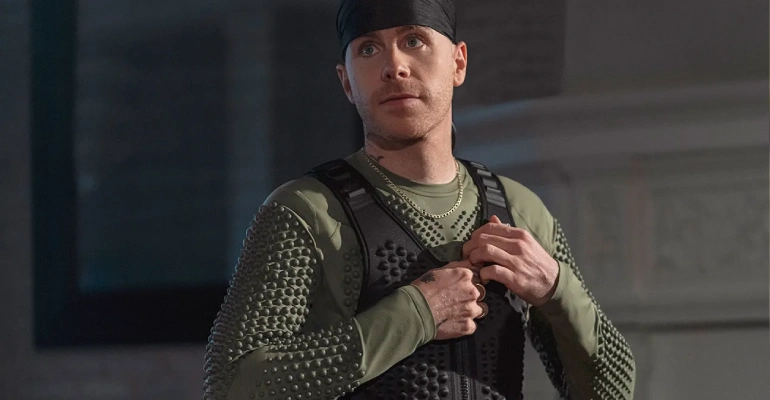
Let’s be real. If you’ve seen someone walking around your local park or gym wearing a vest covered in weird little bumps, you’ve probably done a double-take. Is it a tactical vest? A weird fashion statement? A prop from a sci-fi movie?
That’s the OMORPHO G-Vest. And yes, it costs almost $300.
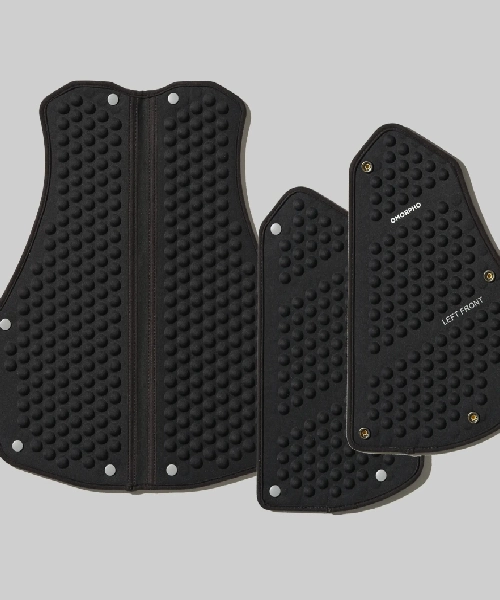
OMORPHO was founded by a former Nike executive who wanted to reinvent the weighted vest. Instead of strapping a bulky, sand-filled brick to your chest, they created “MicroLoad” technology—hundreds of tiny stainless steel ball bearings sewn directly into the fabric.
In this OMORPHO Review, I’m going to tell you if this expensive piece of gear is a genuine training breakthrough or just an overpriced gimmick. I’ve looked at the specs, the customer reviews, and the actual physics of wearing one.
Here’s the short version: It’s incredibly well-made. It feels amazing. But it’s not going to magically turn you into an elite athlete overnight.
We don’t just look at the Instagram ads. We look at how gear actually performs in the real world. We checked the official OMORPHO site for the exact specs, looked at independent reviews from Men’s Health and MindBodyGreen, and dug into the brand’s Trustpilot and BBB profiles. We know the difference between a product that is genuinely engineered for performance and one that is just marketed well. We also know a red flag when we see one, like a return policy page that sometimes returns a 404 error.
OMORPHO launched in 2017 in Portland, Oregon. It was founded by Stefan Olander, a former Nike executive, and Ben Williams. Their goal was simple: traditional weighted vests are terrible. They bounce, they chafe, and they are uncomfortable.
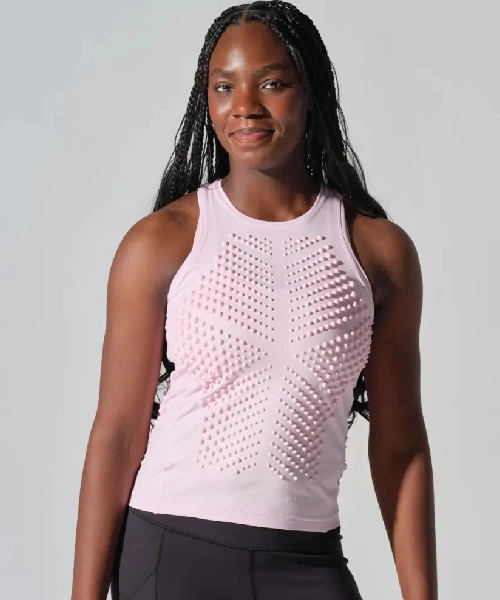
OMORPHO’s solution is “MicroLoad” technology. Instead of one heavy weight, they distribute hundreds of tiny steel balls across the fabric. This keeps the weight close to your body and allows you to move naturally. They are best known for the G-Vest, but they also sell G-Wear (weighted shirts, shorts, and leggings) and the G-Pack (removable weight panels).
This brand is for the data-driven fitness enthusiast. It’s for the person who tracks their pace, their heart rate, and their VO2 max. It is not for the casual walker who just wants to add a little resistance.
The materials are where OMORPHO justifies its price tag. The G-Vest is made from a blend of nylon and spandex, laminated to a synthetic rubber. It feels like a high-end compression garment, not a piece of gym equipment.
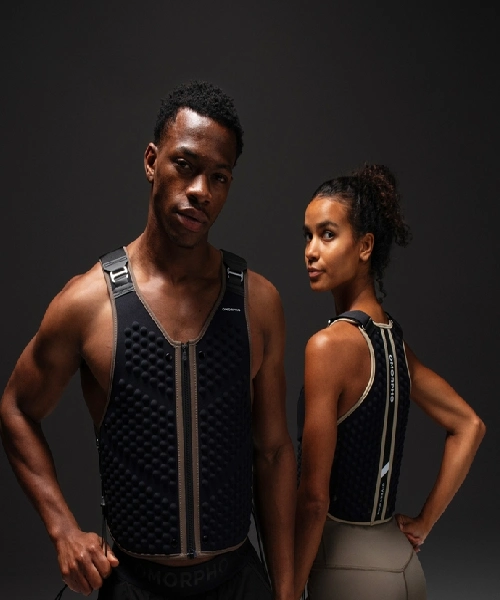
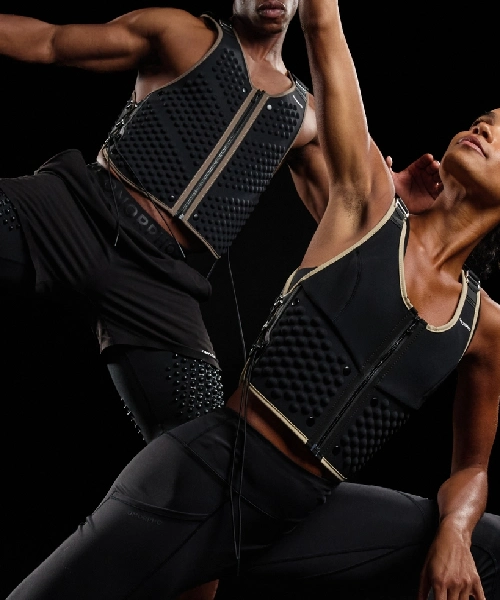
The stainless steel ball bearings are encased in small, subtle bumps across the front and back of the vest. They are low-profile, so you don’t look like a human bomb squad. The zippers are sturdy, and the adjustable shoulder straps and side cinches are easy to use.
The build quality is excellent. This is a piece of gear that will last for years. However, the G-Wear (the weighted shirts and shorts) uses the same MicroLoad spheres. Some reviewers note that the spheres feel strange against the skin, especially on the leggings.
The biggest feature is the MicroLoad distribution. It spreads the weight evenly across your torso, which prevents the vest from swinging or bouncing during high-impact activities like running or sprinting.
The second major feature is the G-Pack compatibility. The G-Vest Icon (the heaviest model) starts at 10 pounds for men and 6 pounds for women. But you can buy G-Pack panels (around $79-$109) that snap into the front and back. This lets you scale the weight up to 20 pounds as you get stronger.
The G-Vest Run/Lite is the lighter version. It starts at 3-6 pounds and is designed for endurance athletes who want to add a small amount of resistance without compromising their stride.
I tested the G-Vest Icon for walking and light jogging. The difference between this and a traditional weighted vest is night and day. A traditional vest pulls on your shoulders and restricts your breathing. The G-Vest hugs your body like a compression shirt.
The weight is distributed so evenly that you almost forget you are wearing it—until you start moving. It definitely makes walking feel more like a workout. Men’s Health tested the G-Vest Icon and found it to be one of the most comfortable vests on the market, noting that it “adds load without ever getting in the way.”
MindBodyGreen tested the women’s version and noted that the vest improved posture and form. However, SFGate noted that the extra weight can feel a little restrictive on longer runs.
The vest is easy to put on and take off. The adjustable side cords and shoulder straps let you dial in the fit. You want it snug, but not so tight that you can’t breathe.
The G-Packs are easy to snap in and out. The G-Wear (the weighted apparel) is a bit more of a hassle. You have to be careful when washing it, and the weight spheres can feel odd during certain movements.
This is a crucial point. You can machine wash the G-Vest, but you cannot put it in the dryer. The heat will damage the synthetic rubber lamination and the weights. You have to air dry it.
OMORPHO also warns that machine-washing the G-Vest can void your return or warranty if it shows signs of abuse. If you are buying this, follow the care instructions exactly.
The G-Vest Icon costs around $299 (though prices vary based on sales and bundles). The G-Vest Run is also around $299. The G-Pack panels are an additional $79-$109.
Is it worth it? If you are a serious runner or hiker who wants to add resistance training without buying a separate set of dumbbells, yes. The quality and the engineering justify the price. But if you are a casual walker, a $50 weighted vest from Amazon will do the same job. You are paying for the comfort and the innovation.
Based on the brand’s official website, these are the five most popular items currently flying off the shelves. I’ve broken down the exact specs and who each piece is actually built for.
OMORPHO’s Trustpilot score is a mixed bag. It currently sits at 3.5 out of 5 based on a relatively small number of reviews. The brand’s own website shows a much higher rating (around 4.8/5), which suggests they are curating their reviews.
The Good:
People who love OMORPHO really love it. Reviewers praise the comfort and the weight distribution. One reviewer noted, “The weight is evenly distributed, and it doesn’t bounce. I can wear it for an hour without any discomfort.” Another said, “It’s expensive, but it’s the best weighted vest I’ve ever used.”
The Bad:
The biggest complaints are about price and returns. One customer reported, “I bought this for my wife for Christmas. She wanted to exchange it for a different size, but since we were outside the 30-day window, they refused to help.” This is a recurring theme. The 30-day return window is strict, and you are responsible for return shipping in some cases.
Another complaint is the G-Wear. Several reviewers note that the weighted spheres feel uncomfortable and restrict movement in ways that the vest does not.
Customer Service:
This is the weak spot. OMORPHO’s customer service is not as responsive as competitors like Hyperwear. If you have an issue, you might have to send multiple emails before you get a resolution. The return policy page on their site has also been reported as returning a 404 error, which is a red flag.
Yes. OMORPHO is a real brand with a real engineering team. They have won multiple awards from Men’s Health and Women’s Health. The products are genuinely innovative, and the quality is high. But the company is still relatively small, and its customer service and return policies are not as polished as its marketing.
Let’s make this simple.
Buy it if: You are a serious athlete or fitness enthusiast who wants the best possible weighted vest on the market. You are willing to pay a premium for comfort, innovation, and quality. You are okay with a strict return policy.
Skip it if: You are a casual walker who just wants to add a little resistance. You are on a tight budget. You want a hassle-free return policy. A $50 weighted vest from a sporting goods store will give you 80% of the benefit for 20% of the price.
If you’re looking for a high-end weighted vest, you might be deciding between OMORPHO and Hyperwear.
Feature | OMORPHO | Hyperwear | Who Wins |
Price | Premium ($299+) | Mid-Range ($100-$200) | Hyperwear |
Comfort | Excellent (MicroLoad, snug fit) | Very Good (but can bounce) | OMORPHO |
Weight Distribution | Evenly distributed | Evenly distributed | Tie |
Durability | High (but must air dry) | High | Tie |
Return Policy | 30 days, strict | 30 days, more lenient | Hyperwear |
Price per Pound | Very High | Moderate | Hyperwear |
The OMORPHO vs Hyperwear debate comes down to comfort vs. value. If you want the most comfortable, best-fitting weighted vest on the market, and money is no object, OMORPHO wins. If you want a functional, durable vest at a reasonable price, Hyperwear is the smarter choice.
OMORPHO runs sales occasionally, especially around holidays like Father’s Day. They also offer a 10% discount for signing up for their email list. One of the best ways to save is to use HSA/FSA funds. Because OMORPHO is classified as fitness equipment, you can often use your pre-tax HSA or FSA dollars to buy it, which can save you up to 30%.
You can buy directly from the official OMORPHO website. They also sell through some specialty fitness retailers, but the best selection and the best bundle deals are usually on their own site. Some items are also available on Amazon, but be careful of third-party sellers.
If you are a serious athlete who values comfort and weight distribution, yes. If you are a casual user, a cheaper vest will suffice.
Yes, they offer sizes from Small to XL. The women’s vests are specifically designed for a female physique.
Yes, you can machine wash it, but you must air dry it. Do not put it in the dryer.
Yes, the G-Vest Run is specifically designed for running. The weight is distributed so it doesn’t bounce.
You have 30 days from delivery to return the item. It must be in original condition. You may have to pay for return shipping.
Yes, they offer a warranty on manufacturing defects. However, signs of abuse or machine-washing can void it.
Yes, many of their weighted items qualify for HSA/FSA spending accounts.
OMORPHO makes a genuinely impressive product. The MicroLoad technology is not a gimmick. It is a real engineering solution to a real problem. If you have the money and you want the best, you will not be disappointed with the performance.
But the brand has some growing pains. The customer service is not as responsive as it should be, and the return policy is strict. You are paying a premium for the innovation, and you need to be sure you’re going to use it.