

McGee & Co’s most serious 2026 evidence isn’t a single dissatisfied customer — it’s a detailed, specific account from buyers who’d spent over $80,000 with the company over multiple years, who’d deliberately saved roughly $4,000 in accumulated rewards points specifically for a future large purchase, only to have the company retroactively change its rewards program to limit redemptions to just $100 at a time. Understanding why this specific kind of customer — genuinely loyal, high-spending, long-term — ended up writing a formal complaint is the most useful structure for this review.
Best for: Buyers specifically wanting McGee & Co’s distinctive modern farmhouse aesthetic for smaller, lower-risk purchases (decor, lighting, outdoor pieces) or shopping the more accessible Studio McGee at Target line, who avoid accumulating significant loyalty points given the documented program reversal, confirm exact delivery timelines in writing before large custom furniture orders, and pay via a method offering strong purchase dispute protection given the documented cancellation-refusal pattern on delayed orders.
Cross-referenced from BBB’s documented complaint and customer review archive for Studio McGee, LLC, Trustpilot’s 568+ verified review collection, Thingtesting’s aggregated brand review collection, HonestGuideHub’s detailed structured 2026 review breakdown, Knoji’s 85-review aggregate, and HonestBrandReviews’ detailed brand and Target-crossover analysis. No commercial relationship with McGee & Co.
McGee & Co is the furniture and home decor retail arm of Studio McGee, the interior design business founded by husband-and-wife team Syd and Shea McGee. What began as a small interior design practice grew into a full home furnishings brand specifically built around the founders’ signature “modern farmhouse meets luxury minimalism” aesthetic. The brand has achieved substantial mainstream visibility through its Netflix series Dream Home Makeover and a popular, more accessible Studio McGee collaboration line sold through Target. The core McGee & Co catalog spans furniture, lighting, rugs, decor, bedding, and kitchen and bath accessories, all curated to fit cohesively within a consistent design aesthetic.
This is where McGee & Co consistently and credibly earns its reputation, and it’s worth acknowledging directly before addressing the more serious documented concerns. One detailed, long-term Thingtesting reviewer: “I’ve always loved the Studio McGee / McGee & Co. aesthetic. Yes, it’s a splurge — but the quality and timeless style make it worth it. I’ve purchased several furniture pieces and seasonal décor, and I’ve never been disappointed.” A separate reviewer specifically describes the brand as a “go-to for ‘wow’ statement pieces,” particularly praising the rug selection. The genuine design talent and cohesive aesthetic vision behind the brand is not in dispute across the available evidence — what requires careful, direct treatment is what happens specifically when something goes wrong post-purchase.
This deserves to anchor the most serious section of this review because of its specificity and the meaningful financial scale involved. A detailed BBB complaint describes customers who had “spent over $80,000 with the company as loyal customers for years,” who had “intentionally saved” roughly 8,000 rewards points — “worth approximately $4,000” — “for a larger furniture purchase, trusting that the program we signed up for would honor the value we were promised.” The company’s documented action: changing the program “without any real warning,” “limiting redemptions to just $100 at a time — effectively gutting the value of the rewards we spent years earning.” The customers’ own precise, fair characterization: “This is not a small policy update. It’s a retroactive decision that strips loyal customers of what they’ve rightfully earned.” This represents a genuinely serious breach of the basic trust underlying any loyalty program — points earned under one set of terms being functionally devalued after the fact, specifically affecting the company’s most financially committed, longest-tenured customers.
This deserves direct, complete treatment because the documented pattern repeats across multiple separate, unrelated customers with strikingly similar company responses. One detailed account describes a custom-made Clegg chair arriving with “one of the arms… visibly slanted” — a defect the customer specifically and reasonably distinguishes from acceptable handmade variation: “this is not a minor variation—it is a structural defect that is glaringly obvious when placed next to the matching chair.” Despite providing “multiple photos clearly showing the issue,” the company’s response was to dismiss the concern as falling “within an acceptable range of variation for handmade pieces” and refuse any exchange or partial refund.
A separate, equally specific account describes ordering 4 dining chairs at over $800 each, with one arriving “broken in a way that it was clearly a manufacturing/quality control” issue. A third account describes a stool with “portions of the wood and rattan unfinished,” with the company attributing this to “natural variation of the wood” rather than acknowledging an actual quality control miss — notably, this was the customer’s fourth stool from the company, having already needed to replace one that had “broken apart fairly quickly” previously.
This deserves direct, careful attention because it describes the company declining to offer the single most reasonable resolution (cancellation and refund) when it cannot itself fulfill an order within any reasonable timeframe. A detailed BBB complaint describes a $6,000 custom bed ordered “almost 6 months ago,” significantly past the company’s own shipping timelines, with multiple customer service contacts producing no answer on an actual delivery date — and crucially, when the customer “requested to cancel the order given their inability to fulfill on their end,” they were “told that I could not cancel the order and they would not issue a refund.” This represents a genuinely serious position: a company unable to deliver a product within any predictable timeframe, while simultaneously declining to release the customer’s money back to them.
A separate, distinct account from a professional interior designer describes a related but different scenario: accidentally ordering two dressers instead of one ($1,800 total) for a client, calling customer service promptly to correct the mistake, and being told the company was “unwilling to issue a refund or come up with a creative solution” — leaving the designer personally responsible for reimbursing her own client out of pocket.
This is confirmed consistently across multiple independent sources: “The company does not provide direct phone access to customer service, citing high volume of inquiries, and responses appear to be automated or AI-generated rather than personalized or solution-oriented.” Multiple separate Trustpilot accounts describe attempting phone contact specifically and finding “can only leave messages,” with response gaps measured in “days between” email replies even on active, unresolved disputes. For a brand whose typical order values frequently reach into the thousands of dollars per item, this represents a meaningful, specific mismatch between the premium positioning and the actual post-purchase support infrastructure — a gap one detailed BBB complaint specifically and directly names: “There appears to be significant investment in retail expansion and brand collaborations, but insufficient investment in customer service infrastructure to support online customers spending thousands of dollars per order.”
For balanced, complete treatment, real satisfaction exists alongside these serious concerns. One detailed, four-year, three-home-furnishing customer offers a genuinely useful comparative assessment, having engaged with multiple major furniture brands including Perigold and Serena & Lily — though the specific comparative ranking wasn’t fully captured in available evidence, the sheer volume and continuity of this customer’s purchasing relationship across multiple homes suggests genuine satisfaction with at least a meaningful portion of their purchases. A separate Thingtesting account specifically distinguishes lighting as a strong category even within a broader complaint: “Lighting has been great, but…” — suggesting category-specific quality variance similar to the pattern documented in other furniture brands throughout this broader research series.
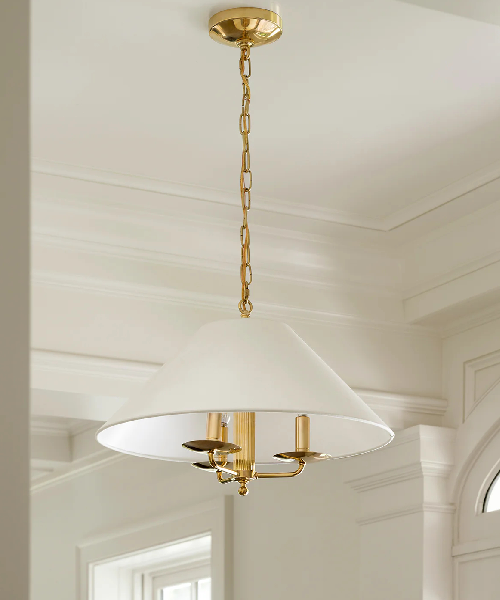
Best for: Buyers wanting the brand’s distinctive aesthetic in a category with specifically and repeatedly documented stronger satisfaction relative to furniture.
One Honest Drawback: At least one specific BBB complaint does describe a defective pendant light attachment rod despite the broader positive lighting pattern — inspect any lighting purchase upon arrival regardless of category.
Verdict: A reasonable, comparatively lower-risk category based on available evidence.
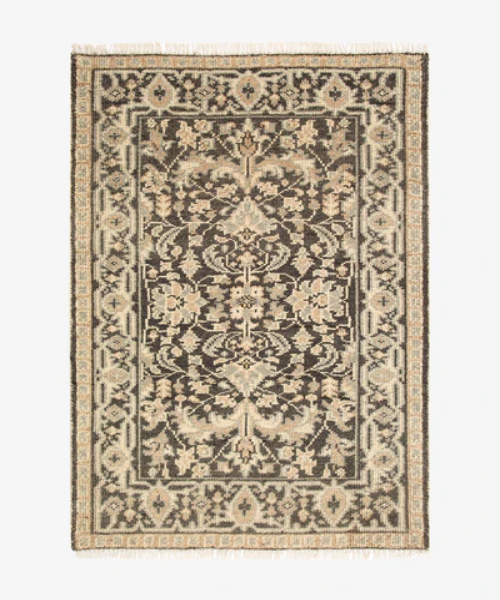
Best for: Buyers specifically wanting a statement design piece, with realistic awareness of documented durability considerations in high-traffic areas.
One Honest Drawback: Independent analysis specifically notes that “long-term feedback in similar collections suggests shedding and durability concerns can occur in high-traffic areas” — best suited to low-to-medium traffic spaces specifically.
Verdict: A strong design category, best matched to appropriately lower-traffic placement given the documented durability consideration.
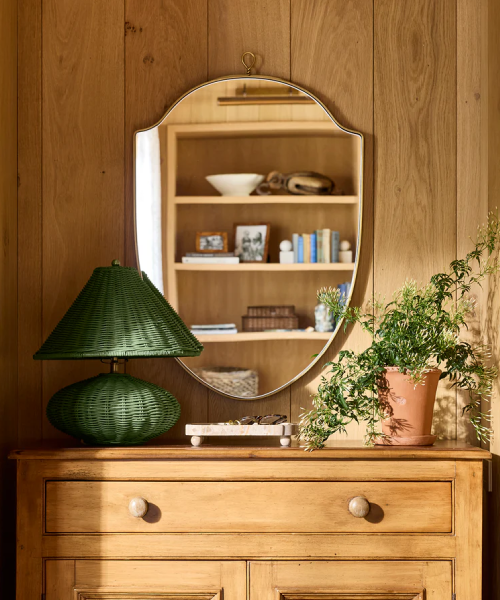
Best for: Budget-conscious buyers wanting the brand’s signature aesthetic without the financial exposure of the premium McGee & Co furniture pricing.
One Honest Drawback: A more limited subset of the full McGee & Co catalog and aesthetic is available through this collaboration specifically.
Verdict: Genuinely the lowest-risk way to access the brand’s design aesthetic, given Target’s standard return policy protection.
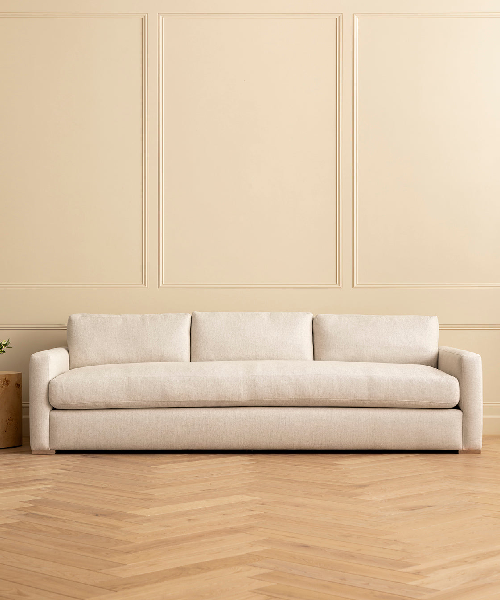
Best for: Buyers specifically willing to accept documented, real risk around defect resolution and extended, unrefundable backorder timelines for the brand’s signature aesthetic.
One Honest Drawback: This is the specific category where the most serious documented complaints concentrate — structural defects dismissed as “acceptable handmade variation,” extended unexplained backorders with cancellation refused, and dining chairs arriving with manufacturing defects.
Verdict: If proceeding with this category specifically, confirm exact delivery timelines and defect/return policy in writing before ordering, and pay via a method offering strong purchase dispute protection.
Real accounts paraphrased:
For lighting, rugs, decor, and accessories — generally lower-priced, lower-risk categories with documented relatively stronger satisfaction: yes, reasonably, given the genuine design talent and cohesive aesthetic the brand consistently delivers.
For the more accessible Studio McGee at Target line: yes, with the added confidence of Target’s standard, more buyer-protective return policy.
For custom or large furniture purchases — beds, upholstered seating, custom chairs: proceed with serious, documented caution. The combination of defect-denial language (“acceptable handmade variation”), extended unexplained backorders, and refused cancellations on orders the company itself cannot fulfill represents a real, repeated, well-documented risk pattern specifically concentrated in this category.
For any meaningful purchase, particularly given the documented loyalty program reversal: avoid accumulating significant rewards points for future large purchases, and pay via a credit card offering strong dispute protection rather than relying on the company’s own direct resolution process.
mcgeeandco.com — direct, full catalog, free fabric swatches available. target.com (Studio McGee collaboration line) — for a lower-risk, more accessible entry point with Target’s standard return policy protection. Confirm exact delivery timelines in writing for any large or custom furniture order, and pay via credit card for dispute protection.
Yes — a specific, detailed, dollar-documented complaint describes the company retroactively limiting redemptions to $100 at a time after long-term customers had accumulated approximately $4,000 in points specifically saved for a larger purchase.
Documented evidence shows real risk here — at least one specific complaint describes a 6-month-delayed $6,000 bed with the company refusing both a status update and a cancellation/refund request.
At least one specific, detailed account documents the company characterizing a visibly slanted, structurally defective chair arm as “acceptable range of variation for handmade pieces” and declining any exchange or partial refund.
Yes — the Studio McGee collaboration line through Target offers a more accessible price point with Target’s own, generally more buyer-protective return policy.
McGee & Co’s genuine design talent and cohesive aesthetic vision are not in dispute — the brand has built real, substantial visibility and a loyal following based on legitimately distinctive style. Lighting, rugs, and decor categories carry documented, comparatively stronger satisfaction evidence.
The documented rewards program reversal affecting customers who’d spent over $80,000 over multiple years, the repeated pattern of custom furniture defects being dismissed as “acceptable variation,” and the refusal to cancel and refund a $6,000 order the company itself couldn’t fulfill within 6 months together represent a serious, well-corroborated pattern of treating even the brand’s most financially committed customers poorly when something goes wrong. Shop the lower-risk categories with reasonable confidence; approach custom and large furniture purchases with real, documented caution, and never accumulate significant loyalty points banking on future redemption value given the documented reversal.
Category | Score |
Design & Aesthetic | 9 / 10 |
Lighting/Rugs/Decor Quality | 7.5 / 10 |
Custom Furniture Quality Consistency | 4 / 10 |
Customer Service Access | 3 / 10 |
Defect Resolution | 3.5 / 10 |
Order/Cancellation Fairness | 3 / 10 |
Loyalty Program Trustworthiness | 2.5 / 10 |
Value for Money | 6 / 10 |
Overall | 5.8 / 10 |