HOME | Fashion | Beauty | Home Furnishing | Comparison | Top Reviews |

Most personal style advice is built around the assumption that your style is waiting to be discovered rather than actively built. That if you look at enough Pinterest boards and take enough style quizzes and watch enough YouTube videos about capsule wardrobes, eventually something will click and you’ll know exactly who you are sartorially.
This isn’t how it works. Style is built through a process of experimentation, reflection, and gradual editing — and importantly, it changes as you change. The personal style you develop at 25 may be genuinely different from the one that suits you at 35, not because you failed to discover the right thing earlier but because you’re a different person in different circumstances with a different life.
Here is the process that actually produces a coherent, personally authentic approach to dressing.
The clearest signal of what you actually like is what you reach for when you’re not thinking about it. The outfit you wear on an unscheduled Saturday. The clothes that feel like yourself rather than a version of yourself you’re performing. The items in your wardrobe you’d pack first if you were moving and could only take ten things.
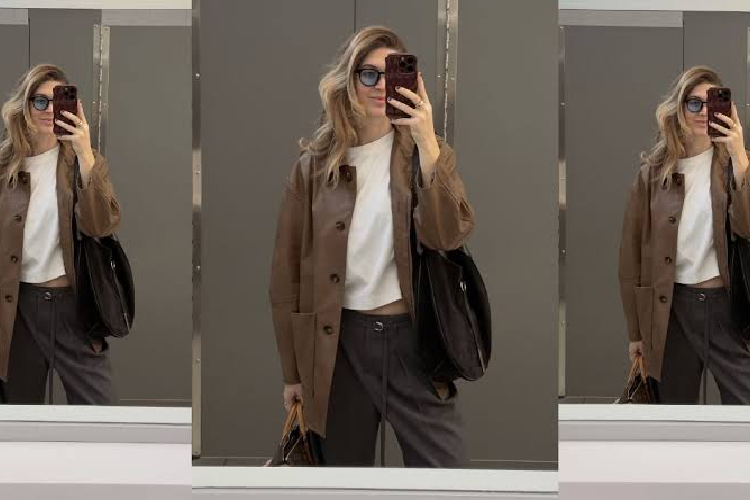
This isn’t necessarily what you aspire to. It’s what’s true right now. There’s useful information in the gap between aspiration and reality — if you aspire to a minimalist wardrobe but reach for color every day, the aspiration might be what you think you should want rather than what you actually want. Both things are data.
Take photos of outfits you feel good in over a month. Not the outfits you think are objectively well put together — the ones where you look in the mirror and feel like yourself. The pattern that emerges from those photos tells you more about your actual style than any quiz or Pinterest board.
Instagram, Pinterest, and fashion media are populated with aesthetics that look compelling in photographs but don’t translate to real life, your real life specifically. The monochromatic all-beige aesthetic looks cohesive and elevated in a well-lit studio. In a real office, real commute, and real Tuesday evening, it can feel like a costume rather than clothes.
The question to apply to everything you find inspiring: does this suit the actual conditions of my life? The woman in the Instagram photo wearing a silk slip dress at a rooftop dinner in New York City looks effortless. Whether that effortlessness translates to your city, your office, your wardrobe, your routine depends on factors the photo doesn’t reveal.
Keeping an inspiration folder — screenshots or saved posts of images where you respond to something — and then analyzing what specifically you’re responding to in each image is more useful than trying to copy the full look. Are you responding to the color? The proportion? The mix of dressed-up and casual? The texture combination? The specific quality is more transferable than the whole image.
Impulse purchases are the enemy of personal style. The thing that catches your eye on a sale rail, bought because it’s cheap and interesting, that doesn’t work with anything else you own and gets worn twice before being donated — this is the pattern that produces a wardrobe full of things that don’t cohere.
Experimenting with intent means: identifying a gap in your wardrobe or a direction you want to test, buying one piece that represents that direction, and wearing it with what you already own to see if it actually integrates. If it does, it belongs. If it doesn’t, you know something about that direction before you’ve invested heavily in it.
The specific test: can you put this new piece with five different things you already own and feel good in each combination? If yes, the piece belongs. If no — if it only works with outfits you don’t yet have or with a version of your wardrobe you’re imagining rather than the one that exists — it’s an aspiration purchase rather than a useful one.
Personal style becomes more coherent through removal as much as addition. The wardrobe that looks like a coherent aesthetic is almost always one that has been aggressively edited — things that didn’t serve the overall vision removed, even when they were good pieces that just didn’t fit. This is the hardest part for most people because removing things feels like losing options.
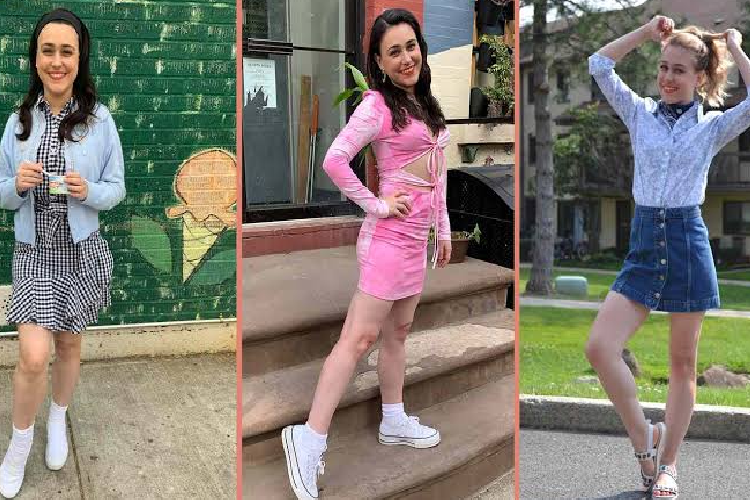
What it actually does: when every item in your wardrobe works with most other items, getting dressed is easy and the results are consistently good. When your wardrobe contains things from multiple different aesthetic directions that don’t interact, getting dressed is difficult and the results are inconsistent. Coherence comes from removal more than from acquisition.