HOME | Fashion | Beauty | Home Furnishing | Comparison | Top Reviews |


I’ve taken Greyhound. Twice. Both times, I swore I would never do it again.
But then I look at the price of a last-minute flight from New York to Boston. Then I look at the $34 bus ticket. Suddenly, my principles get very, very flexible.
Look at the numbers. $34 for a bus ride versus $150 for a flight. It’s a total no-brainer, right? On paper, Greyhound wins every single time.
But paper doesn’t account for reality. Paper doesn’t account for the bus showing up two hours late. Paper doesn’t account for the driver leaving without you at a random rest stop in Jersey. And paper definitely doesn’t account for the fact that Greyhound has racked up over 1,900 complaints with the Better Business Bureau in the last three years.
In this Greyhound Review, I’m giving you the full, unfiltered picture. The routes that actually work, the customer service nightmare, and the honest truth about whether you should save a few bucks or just bite the bullet and pay for the flight.
We don’t just look at the flashy ticket prices. We look at the on-time performance, the cleanliness, and—most importantly—how the company acts when everything goes wrong. We checked the official site, dug deep into Trustpilot, the BBB, and Reddit. A $20 ticket is worthless if the bus never shows up.
Greyhound is an American icon. Founded in 1914. For over a century, it’s been the defining image of long-distance bus travel in North America. FlixMobility bought them in 2021, so now they are part of the largest intercity bus network on the continent.
They are best known for their massive route network—over 3,800 destinations across the US, Canada, and Mexico.
Who is this for? The budget traveler who prioritizes cost above absolutely everything else. It is not for anyone who values punctuality, cleanliness, or customer service.
The fleet is a total mixed bag. Some buses are newer with working outlets. Others? Worn upholstery, broken chargers, and a distinct smell that passengers constantly complain about. If you’ve ever been on a Greyhound at 2 AM, you know the smell.
You get free Wi-Fi (which is usually slow), power outlets (often broken), and reclining seats. There is an onboard restroom, but cleanliness is a massive issue. The Reddit consensus is that the buses are often “visibly unsanitary” and the stations are in “sketchy areas.”
The main draw? The price. Dynamic pricing means you can find tickets for as little as $6 on some short routes.
The second thing? The baggage allowance. Every ticket includes one free carry-on (up to 25 lbs) and one free checked bag (up to 50 lbs). That’s actually better than most airlines.
And then there’s the route network. Greyhound goes to places no other bus line serves. It’s an essential service for rural communities, even if the ride isn’t pretty.
This is where Greyhound gets destroyed. The most common complaint is delays. One reviewer on Trustpilot reported a bus from New York to Philly delayed from 7:20 AM until after 11:00 AM. Another said their bus was “an hour and a half late.”
Then there are cancellations. If your bus is delayed by more than 120 minutes, you can rebook or get a voucher. But in practice, passengers report being stranded and paying for hotels out of pocket.
And cleanliness. Multiple reviewers on Trustpilot and Reddit mention dirty buses, bad smells, and gross restrooms.
Booking is easy. The app works. You can manage your booking and get a refund voucher up to 15 minutes before departure.
But the actual travel experience is a stress fest. Stations are in weird locations, boarding is a free-for-all, and the staff can be incredibly rude.
This isn’t a product you maintain. You just manage your own risk. If you’re on a tight schedule, have a backup plan. If you have valuables, keep them on your lap.
Greyhound is the cheapest way to travel between most US cities. Boston to New York for $34. New York to D.C. for $25.
Is it worth it? If you’re broke and flexible, yes. But if your time is valuable, the value proposition collapses. The hidden cost of a delayed bus is often way higher than the savings.
Based on the brand’s official news and booking data, these are the most popular and fastest-growing routes on the Greyhound network.
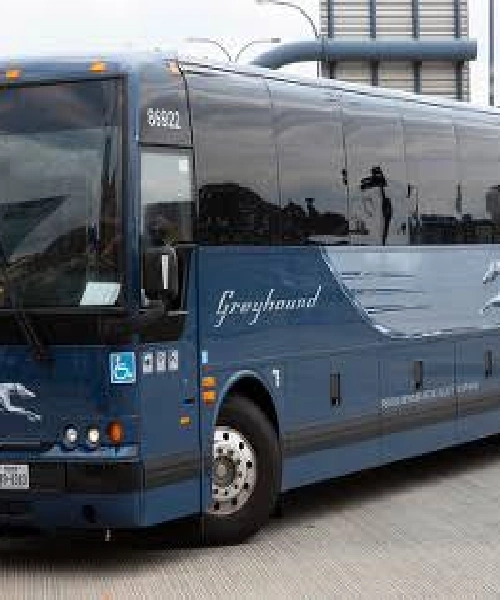
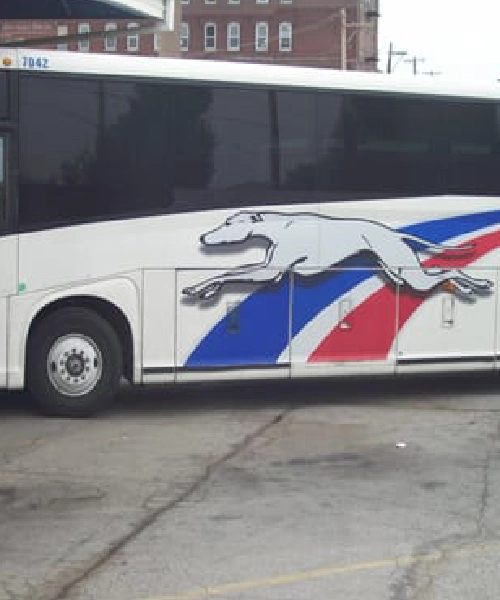

Greyhound’s reviews are a study in polarization. On Trustpilot, they have a 3.5 out of 5 rating, which is technically “Average”. But if you read the actual reviews, the picture is much grimmer.
Some passengers have genuinely pleasant experiences. One reviewer wrote, “The bus trip is comfortable and relaxing, cheaper than flying depending on when you go”. Another praised a driver who kept the bus clean and comfortable.
The complaints are overwhelming. On Trustpilot, one reviewer wrote, “They completely suck, customer service is non existent”. Another reported being left stranded: “They left me stranded and tried to blame it on me”.
On Reddit, the consensus is even harsher. One user wrote, “Greyhound is just my limit. Just visibly unsanitary in multiple ways and as inconvenient as a possible”.
This is the weakest link. The BBB has recorded 1,909 complaints in the last three years. Complaints range from missed buses and refused refunds to rude staff and lost luggage. The company is not BBB accredited.
Yes. Greyhound is a legitimate, 100-year-old company. It is not a scam. The buses exist, the routes exist, and most passengers do eventually reach their destinations. But the company’s customer service is genuinely poor, and the risk of a disrupted trip is high.
Let’s make this simple.
Buy it if: You are on a tight budget and have flexibility in your schedule. You are traveling on a short, high-frequency route where a delay is inconvenient but not catastrophic.
Skip it if: You need to be somewhere on time. You value cleanliness and comfort. You are traveling with children or elderly passengers. You want a refund in cash if something goes wrong.
Greyhound and FlixBus are owned by the same parent company, but they operate as separate brands with different service levels.
Feature | Greyhound | FlixBus | Who Wins |
Price | Cheapest ($6-$40) | Slightly higher ($15-$50) | Greyhound |
Route Network | Massive (3,800+ destinations) | Growing, but smaller | Greyhound |
Cleanliness | Frequently criticized | Generally cleaner | FlixBus |
Customer Service | Poor (1,900+ BBB complaints) | Also poor, but slightly better | FlixBus |
Onboard Amenities | Wi-Fi, power, restroom | Wi-Fi, power, restroom, newer buses | FlixBus |
Refund Policy | Voucher only | Voucher or refund (depending on fare) | FlixBus |
The Greyhound vs FlixBus debate comes down to price vs. experience. Greyhound is cheaper and goes more places. FlixBus is slightly more expensive but offers a more modern, comfortable experience. If you’re on a tight budget, Greyhound is the winner. If you want a slightly less stressful trip, FlixBus is the better choice.
Greyhound runs frequent sales. They offer a Road Rewards loyalty program that gives you points for every trip. They also have a Student Discount and a Military Discount. The best way to save is to book at least 14 days in advance, which can save you up to 40% compared to last-minute fares.
You can buy tickets directly from the official website or app. You can also buy tickets at the station, but there is a $25 fee for booking over the phone. You can also book through third-party platforms like Wanderu and Omio, but buying direct gives you the most control over changes and cancellations.
Generally, yes. The buses are driven by professional drivers, and there are safety protocols in place. However, some stations are in sketchy areas, and petty theft can be an issue.
They use dynamic pricing and a no-frills service model. The buses are older, the stations are basic, and the customer service is minimal. You are paying for the transportation, not the experience.
Yes, most buses have free Wi-Fi, but the connection can be unreliable.
You can cancel up to 15 minutes before departure and get a voucher for future travel. Cash refunds are generally not available unless the company cancels your trip.
One free carry-on (up to 25 lbs) and one free checked bag (up to 50 lbs).
Delays are often caused by traffic, weather, and mechanical issues. The company’s aging fleet makes it difficult to recover from disruptions.
For short regional routes (under 5 hours), Greyhound can be cheaper and more convenient than flying. For long-haul routes, flying is usually faster and more reliable.
Greyhound is a deeply flawed service that serves a vital purpose. It is the cheapest way to travel long distances in the US, and for millions of people, it is the only option. If you go in with low expectations and a flexible schedule, you can get where you need to go for a fraction of the cost.
But the customer service is a disaster, the buses are often late, and the company has a track record of ignoring complaints. If you can afford to pay a little more for a flight or a train, do it. If you can’t, Greyhound will get you there—eventually.