HOME | Fashion | Beauty | Home Furnishing | Comparison | Top Reviews |
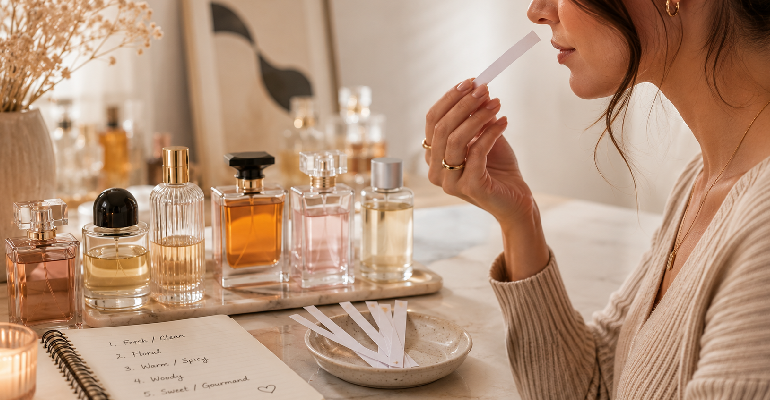
Fragrance is the most personal category in beauty and the one where most shopping advice is least useful. “Floral with a woody base” and “fresh and citrusy” are descriptions that sound precise and are almost meaningless until you’ve smelled the specific fragrance — because every “floral with a woody base” smells different from every other, and what reads as fresh and clean to one person reads as sharp and chemical to another.
Finding your fragrance requires understanding enough about how fragrance is structured to narrow down what to try, and then actually trying things before buying full bottles.
Fragrance families are the categories that describe the overall character of a scent. Understanding which families you respond to narrows down what to sample.
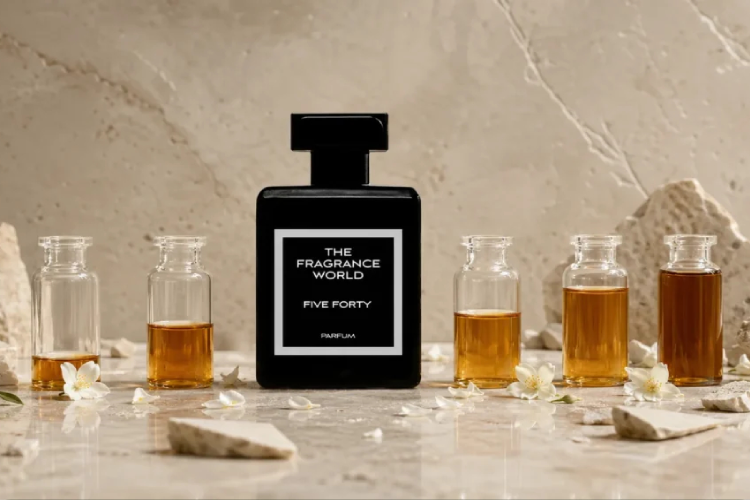
Floral fragrances center on flower notes — rose, jasmine, peony, lily of the valley. They range from the single-flower soliflore (a fragrance that smells like one specific flower) to complex blends of multiple florals to florals blended with other family elements. Floral is the largest fragrance family and the most varied — “I like florals” tells you less than knowing whether you like fresh green florals, rich heady florals, or powdery soft florals.
Woody fragrances are warm, grounding, and rich. Sandalwood, cedarwood, vetiver, and patchouli are the common wood notes. Woody fragrances tend to last longer on skin and project more firmly than lighter families. They’re typically associated with evening or formal wear but modern woody fragrances span a wide range of occasions.
Fresh fragrances include citrus (lemon, bergamot, grapefruit), aquatic (ocean, clean air), and green (cut grass, leaves, herbs). They tend to be lighter and shorter-wearing than other families, which makes them better candidates for warmer weather or daytime wear.
Oriental fragrances are rich, warm, and often sweet — amber, vanilla, benzoin, and spices are common elements. They last extremely well, project strongly, and are typically evening-wear fragrances. The name “oriental” is being replaced in most contemporary fragrance discussions with “amber” or “gourmand” for the sweeter interpretations.
Sample sets from brands (most high-end brands now offer discovery sets of 1-2ml samples for $30-60 that can be applied toward a full purchase) are the most cost-effective way to test multiple fragrances before committing. Wearing a fragrance for a full day — not just the initial spray — tells you how it performs as it dries down, which is where most fragrances transform significantly from the top notes that hit immediately.
Decant services (Scent Split, The Perfumed Court, and similar) sell 5-10ml decants of almost any fragrance for $10-25, which provides several weeks of use to decide before buying a full bottle.
The skin chemistry reality: fragrances smell different on different people because skin pH, natural oils, and individual biochemistry interact with fragrance molecules differently. A fragrance that smells extraordinary on one person and strange on another is the skin chemistry difference, not a quality difference.
For a modern floral: Maison Margiela Replica Flower Market ($175 for 100ml) is the clean, fresh floral that works across seasons and ages without reading as old-fashioned. The peony and white rose center is contemporary rather than traditionally powdery.
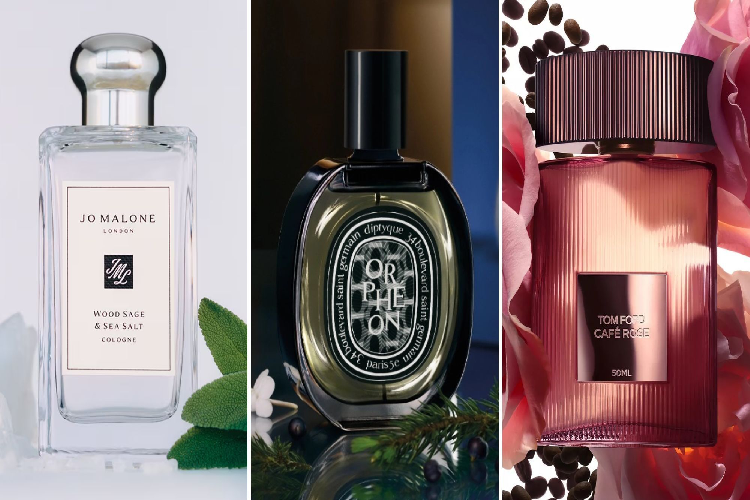
For a woody signature: Le Labo Santal 33 ($225 for 100ml) has had a cultural moment that seems outsized until you understand why — the sandalwood and cedarwood blend with violet and cardamom in a way that’s genuinely distinctive and consistently well-received across different people’s skin chemistry.
For an accessible everyday fragrance: Zara has produced a series of fragrances that are acknowledged in fragrance communities as high-quality compositions at accessible prices ($30-40 for 100ml). The Zara Orchid fragrance and the Rich Warm Addictive collection are the most consistently recommended.