HOME | Fashion | Beauty | Home Furnishing | Comparison | Top Reviews |
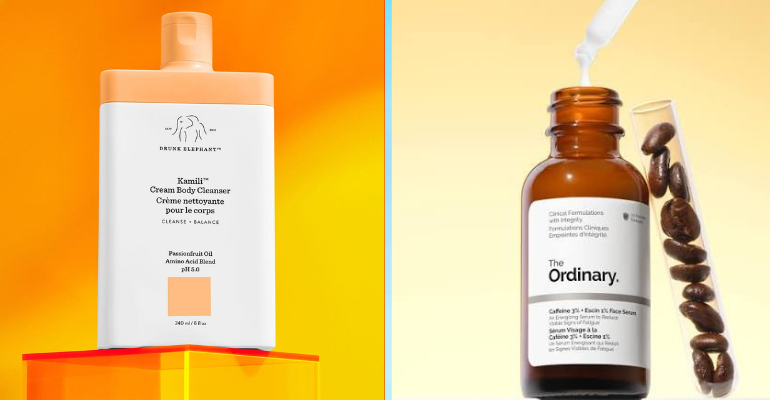
There’s a version of the skincare world where you have to pick a side: either spend serious money on prestige formulations or go budget and accept some limitations. Drunk Elephant vs The Ordinary gets framed this way constantly, as if the brands are in direct competition and choosing one means abandoning the other.
They’re not in direct competition. They’re doing different things and they’re each genuinely good at some of those things and less good at others.
I have spent more money on skincare than I am comfortable admitting. I have also spent very little money on skincare during periods when I couldn’t spend more. I know which things from each brand actually changed my skin and which things were purchases I felt good about making without results to justify them.
Here’s what I actually know.
The Ordinary launched in 2016 under the DECIEM umbrella. The founder, Brandon Truaxe, had a specific mission that was genuinely unusual in the beauty industry: price products according to actual production cost rather than brand positioning. Niacinamide costs very little to produce. Hyaluronic acid costs very little to produce. A 30ml bottle of 10% niacinamide serum should not cost £30 when the ingredients cost pennies.
The result was a product range priced at £4-15 for most items, with clinical packaging (the products look like they came from a laboratory, not a spa), and names that are the actual chemical compound names rather than invented product names. The Ordinary’s 10% Niacinamide + 1% Zinc is exactly those ingredients at exactly those concentrations. Nothing is obscured.
Drunk Elephant launched the same year, 2016, with an entirely different approach. The founder, Tiffany Masterson, was interested in clean formulations — avoiding what the brand calls “The Suspicious 6” ingredients — and in creating products that work together as a cohesive system. The packaging is colorful and proprietary-feeling. The product names are invented. The prices are prestige.
These two brands becoming the comparison point for the “budget vs luxury skincare” debate makes sense but it also flattens something important: they’re not equivalent product-for-product replacements. The Ordinary makes excellent single-ingredient actives at extraordinary value. Drunk Elephant makes complex formulations where the interaction between ingredients is part of what you’re paying for.
Niacinamide 10% + Zinc 1%. This is the product that made The Ordinary famous and it deserved to. Niacinamide at 10% concentration is well-researched for pore minimization, skin tone evening, and general skin health improvement. The formulation is stable. The price (around £5-6) is absurd in the best possible sense. I have tried niacinamide serums from brands charging ten times this amount and the results were not ten times better. Some were marginally different. Most were not.
If niacinamide is the primary active you need, buy The Ordinary’s version. There is no meaningful reason to pay more.
The AHA 30% + BHA 2% Peeling Solution. The red mask. The cult product. At around £8 it delivers chemical exfoliation that requires real care (this is a potent product with real activity and real potential for irritation if misused) but produces real results. Skin texture improvement, the softening of old acne marks, brightening — these effects are consistent with what AHA/BHA exfoliation is supposed to do and The Ordinary delivers them at a price that removes the barrier to regular use.
Hyaluronic Acid 2% + B5. Simple, effective hydration. At £7, this is the correct amount of money to spend on a hyaluronic acid serum.
Retinol products. The Ordinary offers retinol at multiple concentrations (0.2%, 0.5%, 1%) in different formulations, which is genuinely useful for someone building up a retinol routine incrementally. The prices make it sensible to test lower concentrations before committing to higher ones. The formulations are not as elegant as some prestige retinol options but the active ingredient is real and the results are real.
The C-Firma Fresh Day Serum. This is the product where Drunk Elephant’s formulation investment is most visible and most meaningful. Topical vitamin C is genuinely tricky chemistry. L-ascorbic acid, the form of vitamin C that’s most proven in skincare research, oxidizes quickly and loses efficacy. The stabilization of vitamin C formulations is one of the harder problems in skincare science.
Drunk Elephant’s C-Firma contains 15% L-ascorbic acid with ferulic acid and phloretin — a combination that both stabilizes the vitamin C and enhances its efficacy. The product performs. It’s expensive (around £85) and it’s worth it if vitamin C is a priority in your routine. The Ordinary has vitamin C options but they’re either less stable forms (ascorbic acid derivatives that don’t have the same research backing) or they require mixing yourself (the vitamin C powder), which is accurate but inconvenient and has its own stability concerns.
The Lala Retro Whipped Cream. Drunk Elephant’s moisturizer is considerably more sophisticated than their vitamin C gets credit for. The formulation includes multiple ceramides, fatty acids, and plant oils in a way that genuinely feels different on the skin from a simple moisturizer. For dry skin specifically, the richness and the way it sits on the skin is meaningful. The Ordinary’s moisturizer options are less impressive than their actives — this is one category where spending more is genuinely justified.
The Protini Polypeptide Cream. Peptide skincare is a category where formulation complexity matters considerably and where The Ordinary’s offerings (their Buffet serum being the primary peptide product) are functional but don’t quite have the same breadth of peptide types that Drunk Elephant’s Protini includes.
The Ordinary’s foundation and concealer range: not what the brand does best. The coverage and the finish are both mediocre. Buy skincare from The Ordinary, not makeup.
Drunk Elephant’s F-Balm Electrolyte Waterfacial: an overnight mask at around £52 that I found genuinely underwhelming relative to the price. The results didn’t justify the cost compared with significantly cheaper alternatives.
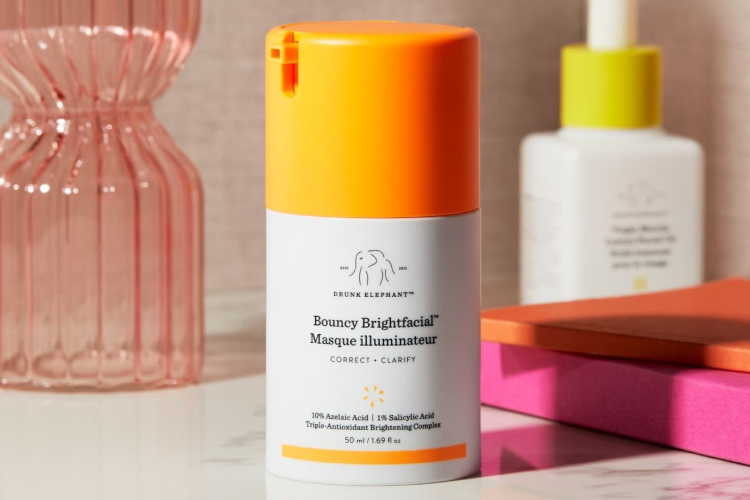
Drunk Elephant’s T.L.C. Sukari Babyfacial: expensive AHA/BHA treatment (around £78) that performs similarly to The Ordinary’s AHA/BHA Peeling Solution at a fraction of the price. One of the clearer cases in the entire brand comparison where the premium is not justified by the result.
This is what I’d tell someone starting from scratch.
Use The Ordinary for: your niacinamide, your hyaluronic acid, your retinol introduction, and your chemical exfoliation.
Consider Drunk Elephant for: your vitamin C serum if that’s a priority, your moisturizer if you have dry skin, and your eye cream if you want a more complete formulation than The Ordinary’s eye offerings.
The brands are designed to mix. The Ordinary products are generally single-ingredient enough to pair with more complex formulations from any brand without conflict. Drunk Elephant’s products are designed to work together as a system but they also work alongside The Ordinary without issue.
Don’t choose a brand. Choose ingredients. Know what your skin needs, find the products that deliver those ingredients at the best efficacy-to-cost ratio, and don’t let either brand’s marketing tell you that you need everything they make.
The Ordinary for most actives. Drunk Elephant for vitamin C and moisturizer if budget allows. Everything else: figure out what your skin actually needs first.