HOME | Fashion | Beauty | Home Furnishing | Comparison | Top Reviews |
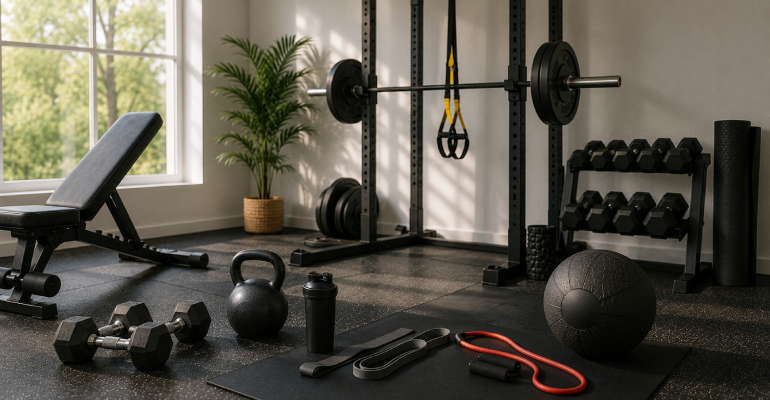
Home gym equipment marketing is dominated by products that look impressive, photograph well, and produce limited return on investment for the space and money they require. The elaborate cable machine. The full rack of fixed-weight dumbbells. The commercial-grade cardio equipment that becomes a very expensive clothes hanger after month two.
The home gym that gets used is the one built around the minimum effective equipment for the specific training goals of the person who owns it. Not the aspirational equipment for the training they imagine doing — the equipment for what they’ll actually do.
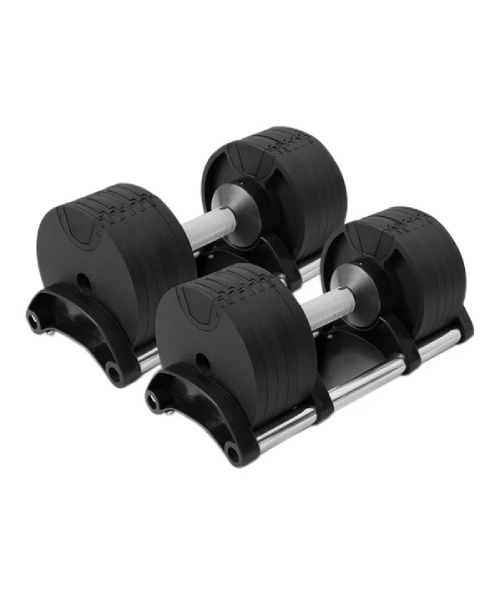
A pair of adjustable dumbbells replaces a full rack of fixed-weight dumbbells at a fraction of the space and cost. For most home training scenarios — strength training, hypertrophy, conditioning circuits — adjustable dumbbells cover the majority of exercises.
The Bowflex SelectTech 552 ($350-400 for a pair, 5-52.5lbs per dumbbell in 2.5lb increments) is the most consistently recommended option. The dial-adjust mechanism is reliable, the adjustment takes seconds, and the weight range covers most home training needs.
The Ironmaster Quick-Lock ($400-500 per pair) is the alternative for people who want a more traditional feel — the weight plates are actual iron rather than the plastic-enclosed system of the Bowflex — and higher maximum weight (75lbs per dumbbell in the basic set, extendable to 120lbs). The adjustment takes slightly longer than the Bowflex.
The PowerBlock Elite ($300-400) is the third option — a compact, stacked design that’s the most space-efficient of the three and the one most commonly seen in professional training environments. The selectorized mechanism is fast and reliable.
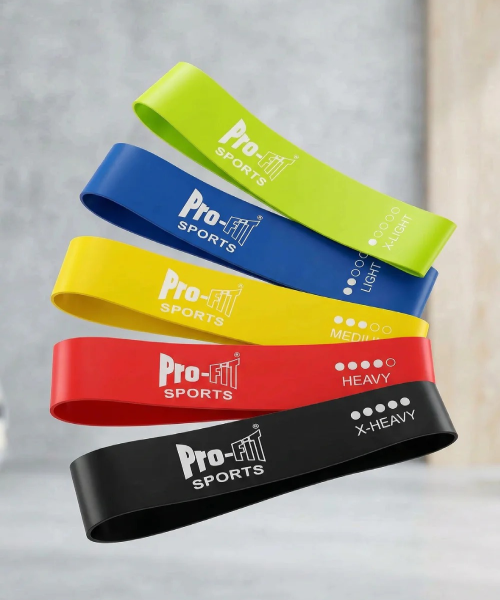
A set of resistance bands ($20-50 for a quality set) provides more exercise variety for their size and cost than any other category of home gym equipment. Hip hinges, upper back exercises, mobility work, rehabilitation exercises, and assistance for bodyweight movements (band-assisted pull-ups, for example) — resistance bands serve as exercise tools, mobility aids, and warming-up equipment that dumbbells alone don’t cover.
The specific sets worth buying include a hip circle (hip abduction work, warm-up for squat patterns), a set of loop bands in multiple resistances (mobility, warm-up, rehabilitation), and a set of tube bands with handles (resistance in directions that dumbbells don’t provide). Total cost for all three categories: under $80 for quality versions of each.
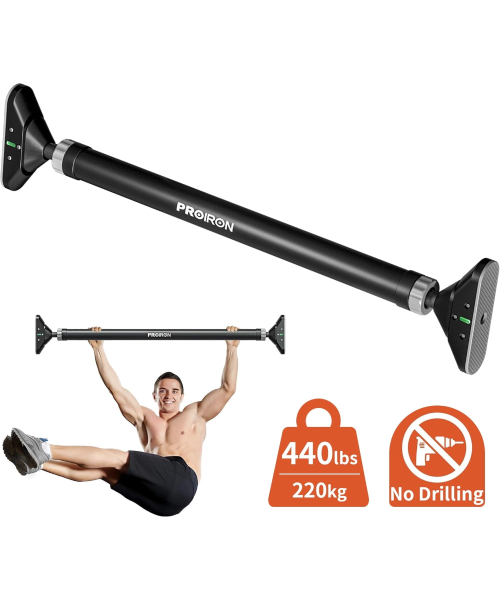
A doorframe pull-up bar ($30-50) provides resistance for the horizontal pulling movement pattern that dumbbells and bands address less completely. Pull-ups and chin-ups are among the most effective upper body exercises available and are poorly replicated without any equipment that provides overhead resistance.
The doorframe mounted versions (Iron Gym, Perfect Fitness) work for most standard doorframes. For people willing to drill into a wall, a wall-mounted pull-up bar produces more stability and more exercise options.
A rowing machine, assault bike, or ski erg unless cardiovascular training is the specific goal and you’re committed to using it consistently. These are excellent conditioning tools that require dedicated space and deteriorate quickly if unused.
A barbell and plates unless you’re specifically training barbell movements and have adequate space and safety equipment. A barbell without a rack produces limited exercise options. A barbell with a rack produces more options but requires a dedicated training space.
Any machine that’s specifically designed to be impressive rather than effective. The elaborate cable machine, the chest press machine, the leg press — home versions of gym machines are almost always less effective than they appear because the gym version’s quality doesn’t scale down to the price point of home equipment.