
Sustainable fashion is the category most compromised by its own marketing. The brand that uses a single recycled fabric for one product line while manufacturing the rest of its range at volume in unregulated environments. The “conscious collection” that accounts for 3% of total production. The natural fibre brand whose supply chain transparency stops at the fabric stage.
The brands worth supporting are those whose sustainability credentials extend through the full supply chain — material sourcing, manufacturing conditions, packaging, logistics, and end-of-life garment handling — rather than those who have invested in sustainable messaging without proportionate sustainable practice.
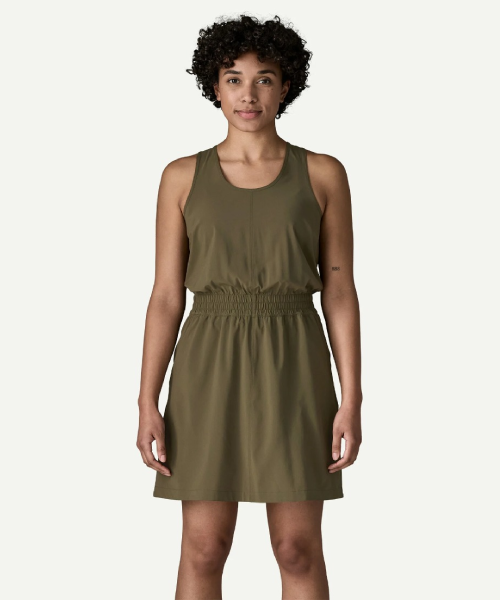
Available at: Patagonia (patagonia.com), in stores, outdoor retailers
Best for: Outdoor clothing and performance base layers with the most thoroughly documented sustainability credentials in the fashion market.
Patagonia’s sustainability credentials are the most extensively documented of any brand at their scale. The 1% for the Planet pledge (donating 1% of total revenue, not profit, to environmental causes), the Worn Wear programme that repairs and resells used Patagonia gear, the transparency about their supply chain’s carbon impact, and the brand’s formal change of ownership in 2022 to a trust structure that commits all profits to environmental causes — this is the brand that established the contemporary framework for what genuinely sustainable fashion looks like.
The products are the outdoor clothing that anyone who spends time outside genuinely needs — the Better Sweater fleece, the Nano Puff jacket, the base layer range — rather than fashion pieces that use sustainable credentials to justify premium prices for trend items.
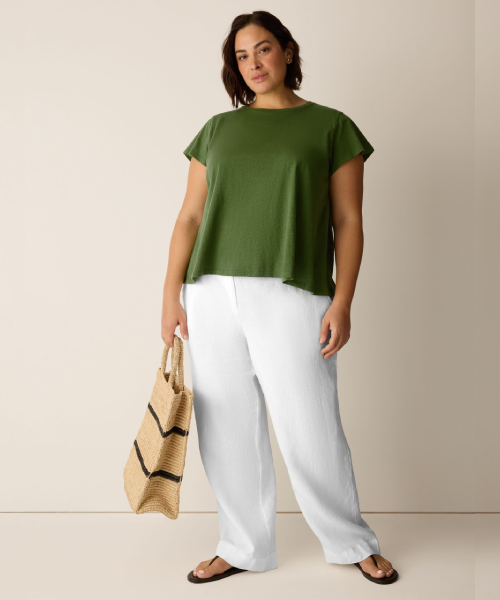
Available at: Eileen Fisher (eileenfisher.com), in stores
Best for: Those who want investment-quality basics with documented ethical manufacturing and a functional garment take-back programme.
Eileen Fisher’s take-back programme — Renew, through which customers return worn Eileen Fisher garments for resale, remaking, or recycling — is one of the most functional circular fashion schemes in operation. Unlike many brands that describe take-back programmes that are operationally difficult for customers to use, Eileen Fisher’s programme has been running since 2009 and has processed millions of garments.
The brand uses organic linen, responsible wool, TENCEL, and recycled polyester. The manufacturing partners are disclosed and audited. The B Corp certification (the company is employee-owned and has held B Corp status since 2019) is one of the clearest third-party certifications of comprehensive sustainability practice available.
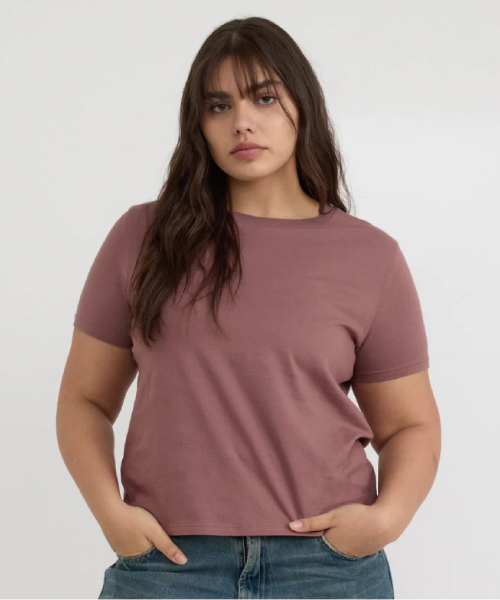
Available at: Organic Basics (organicbasics.com)
Best for: Those who want sustainably produced base layers, underwear, and everyday basics at accessible prices.
Organic Basics produces base layers, underwear, and activewear basics using organic cotton, TENCEL, and recycled materials. The brand’s commitment to transparency is exceptional — they publish their CO2 impact, water usage per product, and supply chain information in more detail than almost any comparable brand.
The products are genuinely good as everyday basics independent of the sustainability positioning — the underwear and base layers are comfortable, well-constructed, and durable across regular washing.
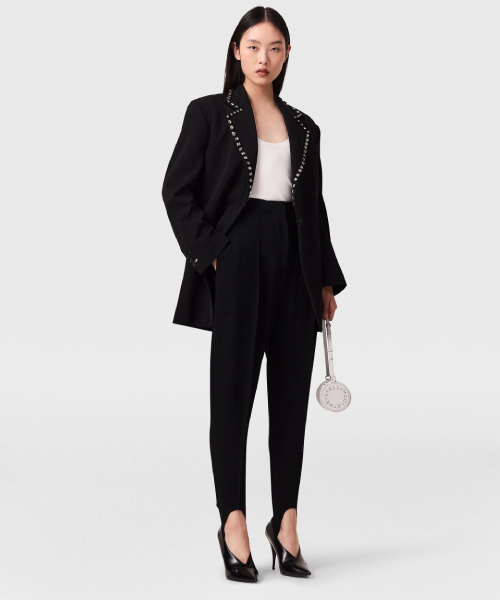
Available at: Stella McCartney (stellamccartney.com), in stores, Net-a-Porter
Best for: Those who want luxury fashion with the most comprehensive sustainability credentials available at that tier.
Stella McCartney is the luxury brand whose sustainability credentials are the most consistently documented in the luxury segment. The no-leather, no-fur policy maintained across thirty years of operation is the clearest commitment signal available — it has cost the brand commercially, which makes it more credible than brands that adopt sustainability positioning opportunistically.
The materials innovation — the MIRUM mycelium leather alternative, the Forest Stewardship Council certified viscose — represents genuine investment in sustainable materials development rather than simply choosing existing sustainable alternatives.
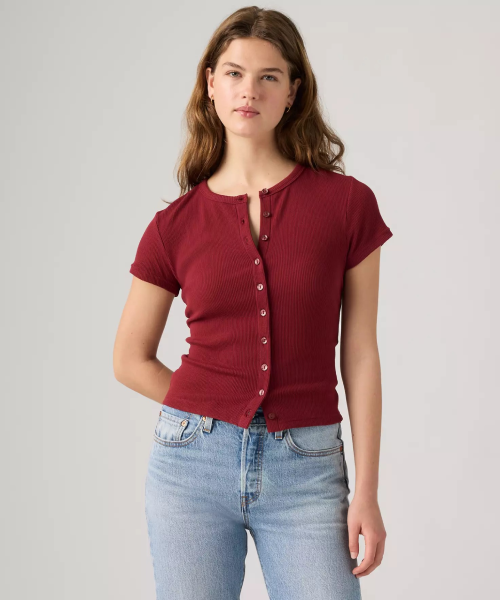
Available at: Levi’s (levi.com), in stores, department stores
Best for: Those who want sustainable credentials in a mainstream brand at accessible prices.
Levi’s Water<Less denim production technique reduces water usage per pair of jeans by up to 96%, and the brand’s buy-back programme accepts worn Levi’s for resale or recycling. For consumers who want sustainable credentials in a brand available everywhere at prices accessible to most budgets, Levi’s represents the most mainstream sustainable option in its category.
The conscious collection. A brand that produces a “sustainable” or “conscious” collection alongside an otherwise unchanged range is advertising its aspirations, not its practice. Sustainability that applies to one collection doesn’t change the environmental impact of the remaining 97% of production.
Vague material claims. “Eco-friendly materials” and “sustainable fabrics” without specific fibre content, certification standards (GOTS, OEKO-TEX, Bluesign), and manufacturing disclosure are marketing rather than substance.
Offsetting as primary sustainability claim. Carbon offsetting is a legitimate tool but should be the last step in sustainability practice, not the primary one. A brand that buys offsets while making no changes to production, materials, or supply chain is not a sustainable brand.
Genuine sustainability in fashion requires transparency about the full production process, not just the marketing layer on top of it. Patagonia for the outdoor clothing brand whose sustainability practice established the contemporary framework. Eileen Fisher for ethical luxury basics with a functional take-back programme. Thought Clothing for accessible UK ethical fashion. Organic Basics for transparent sustainable base layers. Stella McCartney for luxury with the most consistent sustainability credentials in the segment. And Levi’s for sustainable mainstream denim at accessible prices. Whatever you buy — look for specific fibre certifications, disclosed manufacturing partners, and programmes that address garment end-of-life rather than just acquisition. The most sustainable garment is still the one you already own.