HOME | Fashion | Beauty | Home Furnishing | Comparison | Top Reviews |

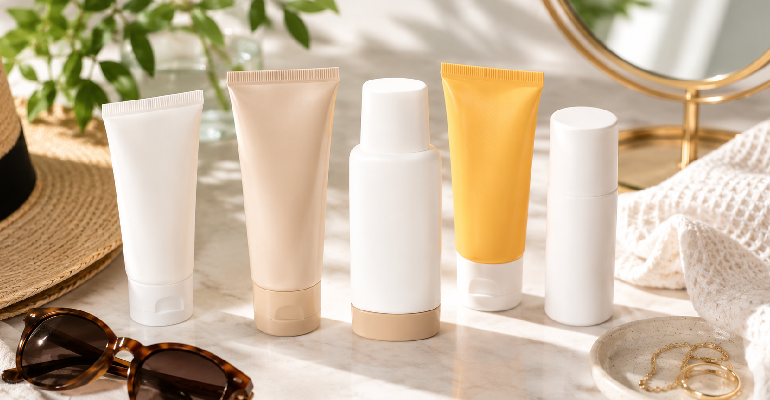
The most commonly cited reason people don’t wear sunscreen daily is not that they don’t know they should — most adults know they should. It’s that the experience of wearing sunscreen is uncomfortable in ways that make skipping it feel like a reasonable trade-off. Heavy texture. White cast. Greasy finish that makes makeup slide off. Pilling under foundation. The smell of chemical filters.
The good news is that sunscreen formulation has improved significantly in the past five years, particularly through innovation in Korean and Japanese cosmetics markets where sunscreen is treated as a cosmetic product rather than a medical one. The current best options genuinely don’t have these problems — they feel like skincare rather than medicine.
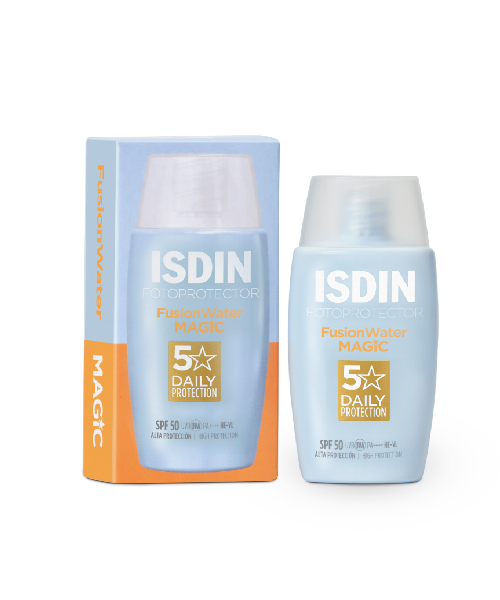
The ISDIN Fusion Water SPF 50 ($40-45) is the sunscreen most consistently recommended by dermatologists for daily use on the face. The ultra-light, water-like texture absorbs immediately without white cast, greasiness, or pilling under makeup. The chemical filter combination is elegantly formulated for the European market and produces no significant residue on skin.
After application, skin feels slightly smoother than before — the hyaluronic acid and glycerin in the formula add a layer of hydration rather than just sitting on top of the skin. This is the experience that makes people describe the ISDIN as feeling like skincare, which is what daily sunscreen compliance actually requires.
The SPF 50 rating is adequate for most daily urban use. The water-resistant formulation is not the highest water resistance rating for extended outdoor activity but it’s appropriate for commuting, office work, and daily life where reapplication is possible.
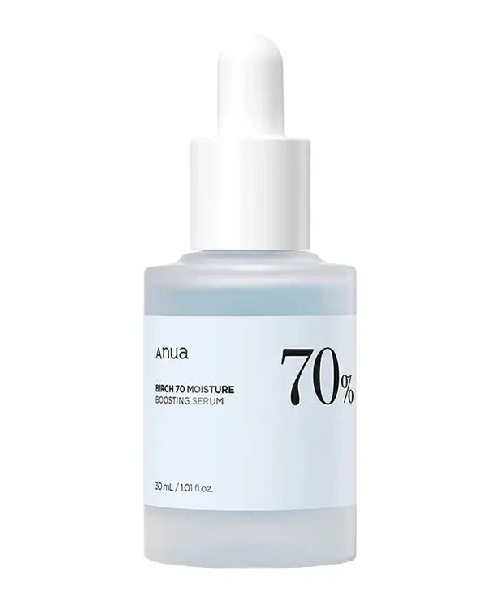
The Anua Birch Juice Sun Serum ($22-25 on most K-beauty retailers) represents the Korean sunscreen approach: a serum-weight texture that’s imperceptible on skin, combined with genuine SPF 50+ protection and a cosmetically elegant formula that layers under makeup without any of the problems Western sunscreens typically create.
The birch juice base provides hydration alongside protection, and the finish is so close to invisible that most people who use it describe forgetting they’re wearing sunscreen — which is the ideal daily sunscreen experience.
The chemical filter combination used in Korean sunscreens (often including Tinosorb M and Tinosorb S, filters approved in the EU and South Korea but not the US) produces better cosmetic elegance than the filters approved by the US FDA, which is why Korean sunscreens are consistently smoother and more cosmetically elegant than US-formulated alternatives at equivalent SPF ratings.
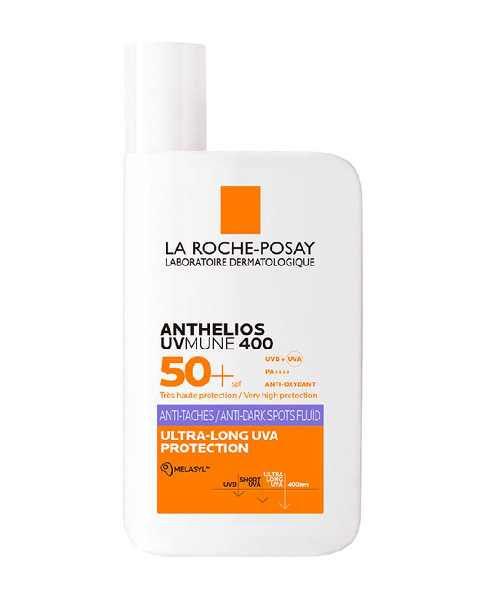
The La Roche-Posay Anthelios UV Correct ($38-42) is the recommendation for sensitive, acne-prone, or reactive skin that doesn’t tolerate many sunscreen formulas. The Anthelios range is tested specifically for sensitive skin and formulated without fragrance or alcohol in the formulas most likely to cause sensitivity.
The UV Correct adds niacinamide to the SPF formula, providing tone-evening and pore-minimizing benefits alongside sun protection. The finish is matte enough to suit oily and combination skin types, and the formula is compatible with most makeup applications without pilling.
The debate has been made more complicated than it needs to be. Mineral sunscreens (zinc oxide and titanium dioxide) sit on top of the skin and physically block UV rays. They’re generally better tolerated by sensitive skin and are the FDA-recognized safe filters in the US market. The trade-off is white cast, particularly zinc oxide in higher percentages.
Chemical sunscreens absorb into the skin and convert UV rays to heat through a chemical reaction. They produce no white cast and are cosmetically more elegant in most formulations. The concern about chemical sunscreen ingredient safety relates to a small number of chemical filters (specifically oxybenzone and octinoxate) absorbing into the bloodstream — concerns primarily relevant to high-surface-area application or prolonged daily use. The European and Korean filter alternatives avoid these specific compounds.
For daily face use: a cosmetically elegant chemical sunscreen you’ll actually wear every day provides more UV protection than a mineral sunscreen you’ll skip because of the white cast. Compliance is the primary variable in sunscreen effectiveness.