HOME | Fashion | Beauty | Home Furnishing | Comparison | Top Reviews |
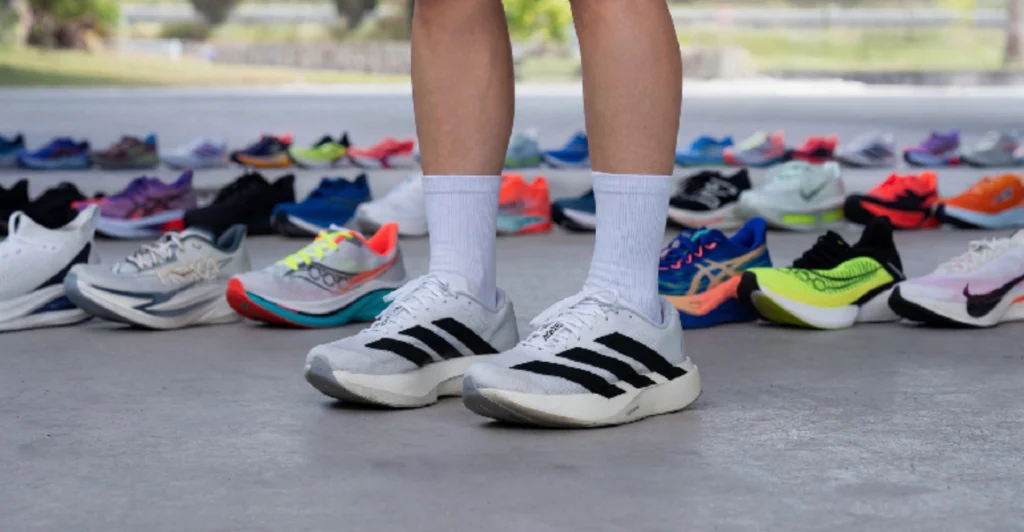
Running shoe selection has become simultaneously more scientific and more confusing than at any previous point in the category’s history. The carbon fibre plate revolution, the super-foam technologies (PEBA, TPEE, and their branded derivatives), the maximalism of stack heights that would have seemed absurdly excessive a decade ago — the performance innovations of the past five years have produced genuine improvements in running economy that the research supports, alongside a marketing environment that makes evaluating claims difficult for those without specific biomechanics training.
The guide below cuts through the category complexity with specific recommendations across the use cases that cover most women runners.
Daily trainer. The shoe used for most runs — easy runs, moderate pace, recovery days. Should provide adequate cushioning for the majority of running volume, durable enough for high mileage, comfortable enough for extended time on foot.
Speed/race day shoe. The carbon plate super shoe optimised for racing or speed work. Not appropriate as a daily trainer due to cost, lower durability, and the adaptation demands of carbon plate biomechanics.
Trail shoe. Different grip pattern and upper protection for off-road running. Not appropriate for road use (grip wears rapidly on pavement) and trail running demands terrain-specific features that road shoes don’t provide.
Stability shoe. For those with pronation patterns that benefit from medial post support. Gait analysis — from a specialist running retailer — provides more reliable guidance than self-assessment for this category.
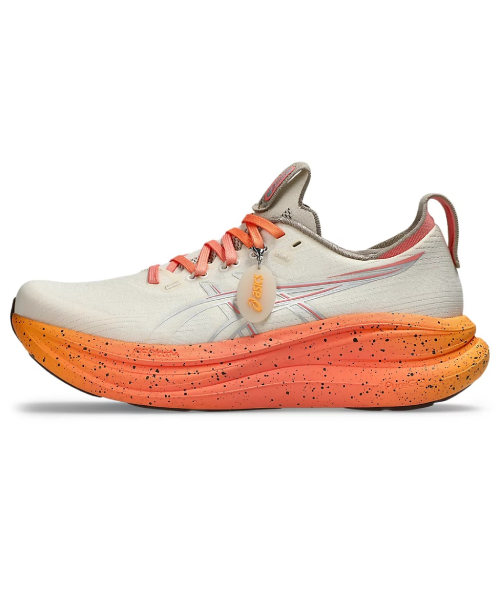
Available at: ASICS (asics.com), Runners Need, JD Sports, Amazon
Best for: Women who prioritise cushioning in a daily trainer for higher mileage and longer runs on road surfaces.
The Gel-Nimbus has been ASICS’s premium cushioned daily trainer for over two decades, and the 26th iteration represents the best version of the formula. The FLYTEFOAM Blast+ midsole provides more energy return than previous gel-only constructions while maintaining the distinctive ASICS cushioning that protects high-mileage legs on road surfaces. The heel Gel cushioning specifically addresses the heel strike impact that road running produces over extended time.
For women who log 40–60+ km per week and need a daily trainer that protects the body from cumulative impact, the Gel-Nimbus represents the most reliable choice in the premium daily trainer category.
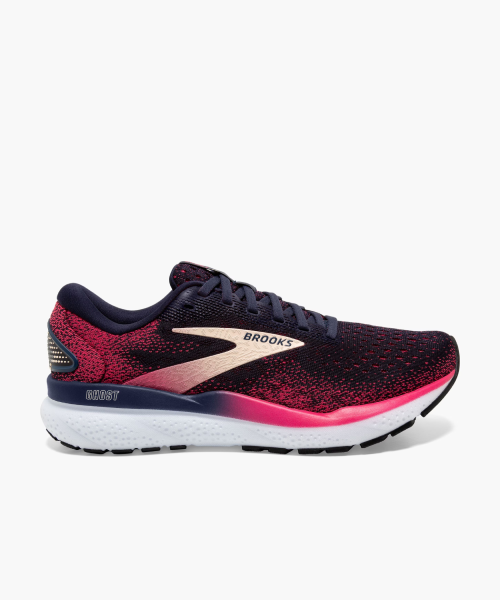
Available at: Brooks (brooksrunning.com), Runners Need, Amazon
Best for: Women who want a versatile, comfortable daily trainer without the maximalist cushioning of super-trainers.
The Brooks Ghost is the running shoe recommendation for those who find maximalist cushioning either unnecessary or actively unwanted. The DNA Loft v3 midsole provides adequate cushioning for daily training without the stack height and rocker geometry that some runners find disorienting on the highly cushioned alternatives. The fit is consistently one of the most reliably standard of any running shoe, making online purchasing without physical fitting more reliable.
The Ghost’s specific advantage: it suits the widest range of running styles with the smallest number of compromises. It’s not the most cushioned, the most energetic, or the most technically advanced. It’s reliably good for almost every running context, which is why it consistently appears on best-of lists across skill levels and distance preferences.
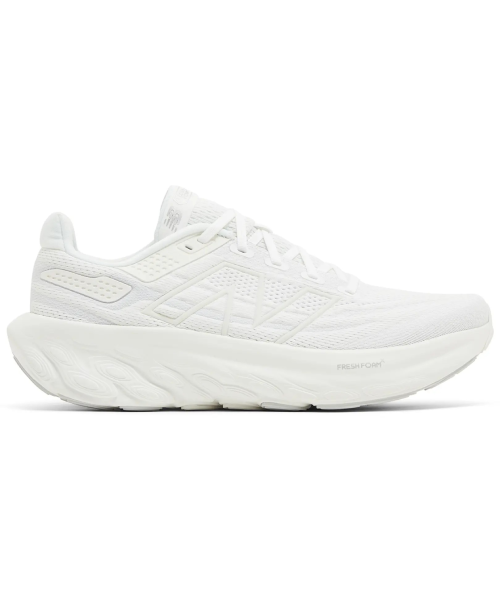
Available at: New Balance (newbalance.com), Runners Need, ASOS
Best for: Women who want maximum cushioning in a premium daily trainer with an aesthetically considered design.
The Fresh Foam X 1080 uses New Balance’s most advanced foam formulation — denser than standard Fresh Foam, providing energy return alongside cushioning in a way that foam-only midsoles rarely achieve. The v13 iteration has refined the upper construction and the engineered mesh breathability while maintaining the outsized cushioning platform that the 1080 series is known for.
The 1080 also sits in the specific position of being a premium running shoe with a lifestyle aesthetic strong enough for non-running contexts — the clean design translates to daily wear in a way that technical running shoes typically don’t.
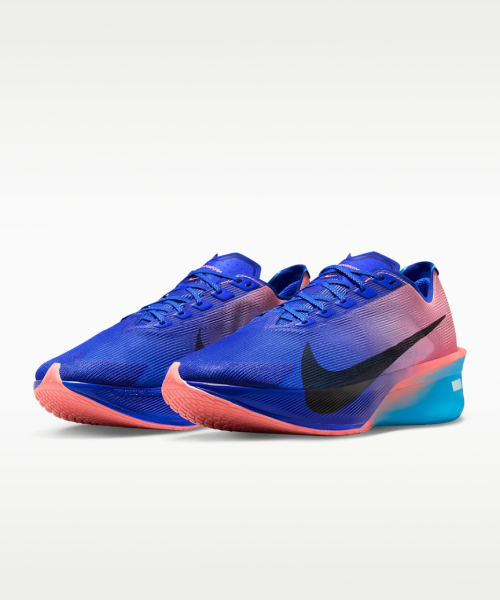
Available at: Nike (nike.com), Foot Locker, JD Sports
Best for: Women who race and want the documented performance advantage of carbon plate technology.
The Nike Vaporfly is the shoe that started the carbon plate revolution — the shoe in which Eliud Kipchoge ran the first sub-2-hour marathon, and the shoe whose performance claims have been most thoroughly studied by independent exercise scientists. The ZoomX foam and carbon fibre plate combination provides energy return and propulsive force that has been measured to improve running economy by 4–8% compared to conventional trainers.
For those who race and want the documented performance advantage, the Vaporfly is the investment that the research most clearly supports. For daily training, the durability is insufficient and the cost is prohibitive — use this for racing, not for weekday miles.
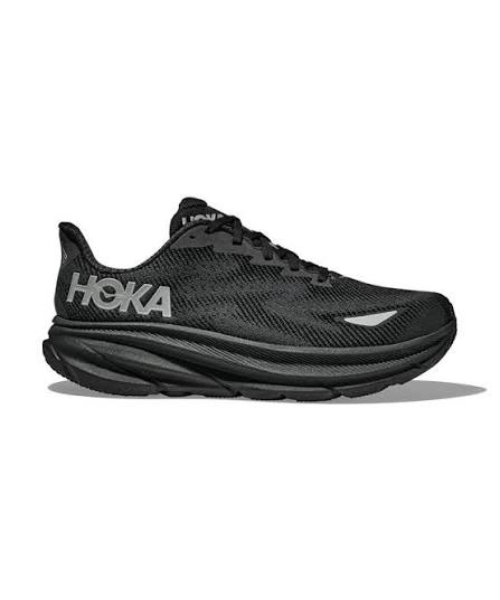
Available at: Hoka (hoka.com), Runners Need, Amazon
Best for: Women who want maximum cushioning at a price below the premium tier, particularly for longer distances and slower paces.
Hoka invented the maximalist running shoe category and the Clifton remains the most accessible entry point to the Hoka range. The full-compression EVA midsole provides the cushioning platform that protects high-mileage legs without the carbon plate and super foam technologies that increase price. For women who want protection from cumulative impact at an accessible price, the Clifton is the most reliable answer.
Before buying a running shoe for serious training, a gait analysis at a specialist running retailer (Runners Need, Run4It, Up&Running in the UK) provides specific guidance on whether a neutral or stability shoe is appropriate. The five minutes of treadmill assessment produces recommendations more reliable than any online quiz or general guidance because it observes the specific mechanics of the individual runner.
Gait analysis is free at most specialist running retailers and the information it provides is portable — knowing whether neutral or stability shoes work for your specific gait applies to future purchases from any brand.
The best running shoe is matched to the specific running context — daily training volume, pace, terrain, and injury history. ASICS Gel-Nimbus 26 for the cushioned daily trainer with protection for higher mileage. Brooks Ghost 16 for the reliable versatile daily option. New Balance Fresh Foam 1080v13 for the premium cushioned daily trainer with lifestyle crossover. Nike Vaporfly 3 for the race day carbon plate investment. Hoka Clifton 9 for maximalist cushioning at an accessible price. And Saucony Endorphin Speed 4 for the tempo training bridge between daily and race day shoes. Get a gait analysis before buying for serious training — the guidance on neutral versus stability is more important than any specific brand recommendation.