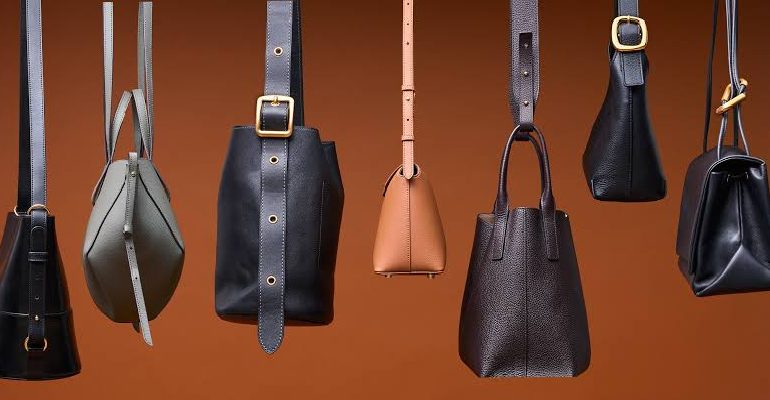
The handbag market operates on a hierarchy of material quality, construction standard, and brand equity that makes straightforward comparison difficult. The $450 bag and the $4,500 bag may serve the same functional purpose — carrying a phone, keys, a wallet, and the daily essentials — but they represent entirely different investments in material quality, manufacturing craftsmanship, and the specific cultural cache that certain brand names carry.
Understanding where in this hierarchy a specific purchase sits, and whether the position is justified by what the buyer is actually receiving, is the question that handbag buying rewards most when answered honestly.
Leather quality. Full-grain leather — the top surface of the hide, processed minimally to preserve the natural grain — is the quality benchmark. Top-grain leather (the surface sanded and refinished) is the tier below. Genuine leather (lower splits of the hide bonded together) is the accessible entry. Vegan alternatives range from excellent (Appleskin, mycelium leather) to poor (standard PU).
Hardware. Solid brass or silver hardware, properly plated, maintains its finish across years of daily use. Zinc alloy hardware — the cheap alternative — develops the characteristic peeling and dulling within a season. Testing the hardware weight and finish is a reliable quality indicator before purchase.
Construction. The stitching, the seam allowances, the lining material, and the structural integrity of the bag’s foundation (the stiffener inside the leather panels that maintains shape) are the construction indicators that separate quality bags from those that collapse within a year.
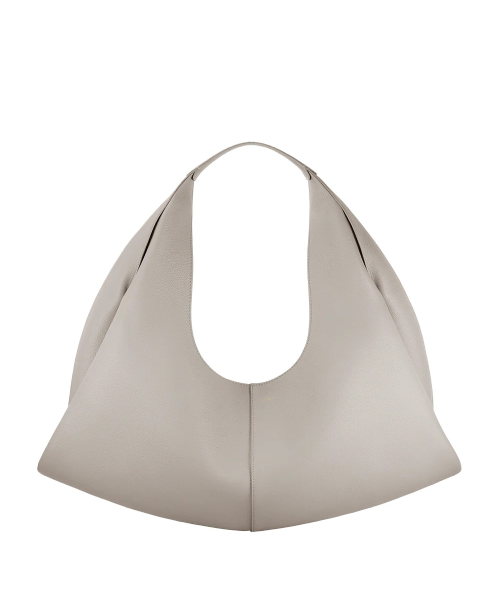
Available at: Polène (polene-paris.com)
Best for: Those who want genuine leather craftsmanship at a price below the established luxury houses.
Polène is the Paris-based bag brand that has built the most significant following of any direct-to-consumer leather goods brand in recent years, and the product quality justifies the following. The full-grain leather used across their core range, the artisanal tanning process they document on their website, and the specific sculptural silhouettes — the Numéro Un, the Numéro Trois, the Cyme — produce bags that compete with established luxury houses at a quarter of the price.
The production is intentionally limited and styles frequently sell out, requiring early commitment or waitlist management. The quality received is exceptional for the price — the leather quality, the hardware weight, and the construction standard are all above what the price tier suggests.
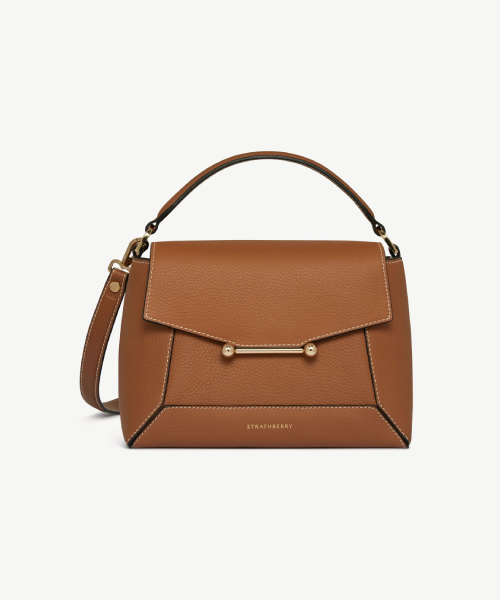
Available at: Strathberry (strathberry.com), in Strathberry stores
Best for: Those who want British-designed luxury handbags with exceptional craftsmanship at accessible luxury prices.
Strathberry has built a reputation for the bar-closure leather bag that distinguishes their aesthetic — a clean box bag in structured leather with a distinctive gold bar closure across the front. The construction is excellent, the leather is full-grain, and the hardware is solid brass.
The brand’s connection to sustainability practice (they use sustainable leathers and have documented environmental commitments) and their Scotland-based design team add context to the product beyond the aesthetic.
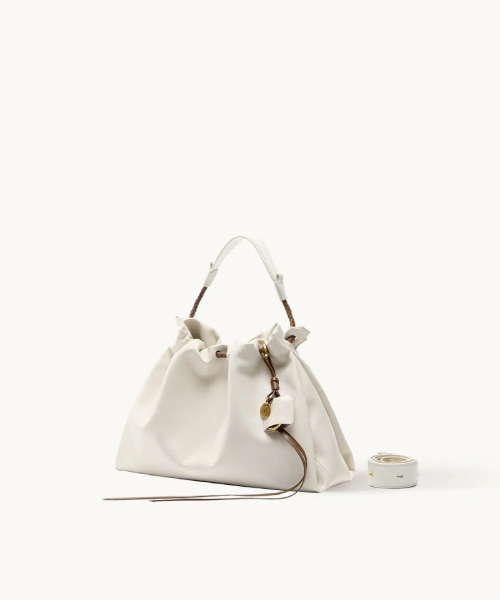
Available at: Songmont (songmont.com)
Best for: Those who want clean, architectural leather bags at accessible prices from a brand making significant quality investments.
Songmont is a relatively newer entrant to the quality handbag market that has earned considerable attention for the quality of their leather and construction at accessible prices. The Luna Bag and the Square Bag are the most discussed pieces — clean, minimal silhouettes in full-grain leather with appropriate hardware.
For those who discovered Polène and want an alternative at a similar price point with a slightly different aesthetic, Songmont offers the closest comparable in the current market.
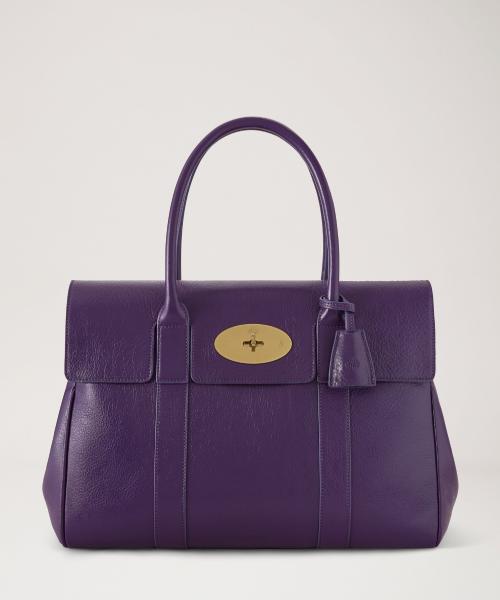
Available at: Mulberry (mulberry.com), in Mulberry stores, Selfridges
Best for: Those who want a genuinely British heritage leather bag with manufacturing transparency and a strong secondary market.
Mulberry’s Made in Britain range — manufactured in their Somerset factories — is the investment bag from a heritage brand that retains value through the specific combination of material quality, manufacturing standard, and brand recognition. The Bayswater and the Alexa are the pieces with the clearest secondary market and the most consistent hold on cultural relevance over time.
The Made in Somerset versus Made in Turkey distinction matters — the former uses the construction standards and leather quality that built Mulberry’s reputation; the latter is the accessible range at lower price points with correspondingly different construction.
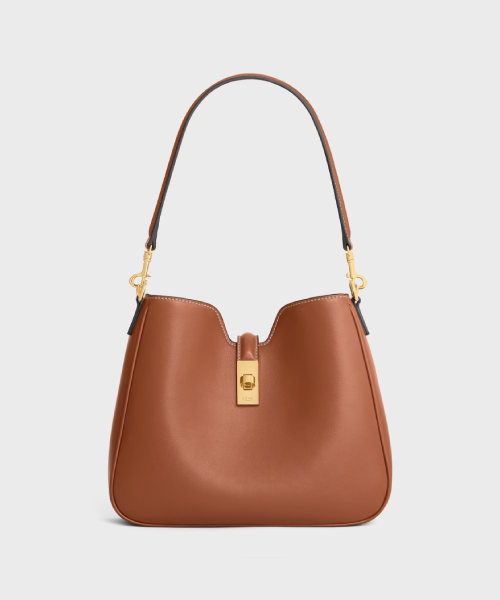
Available at: Celine (celine.com), in Celine stores, Net-a-Porter
Best for: Those making a genuine luxury investment in a bag with consistent brand relevance and strong secondary market value.
The Celine Triomphe and Classic Box bags represent the quiet luxury aesthetic at its most distilled — no visible branding, exceptional leather quality, clean architectural lines, and a brand relevance that has shown exceptional durability across decades of fashion shifts. The investment thesis for Celine bags is more conservative than for the heavily logo-d luxury bags that have more volatile brand relationships — quiet luxury tends to age without the embarrassment of logos that date to a specific trend moment.
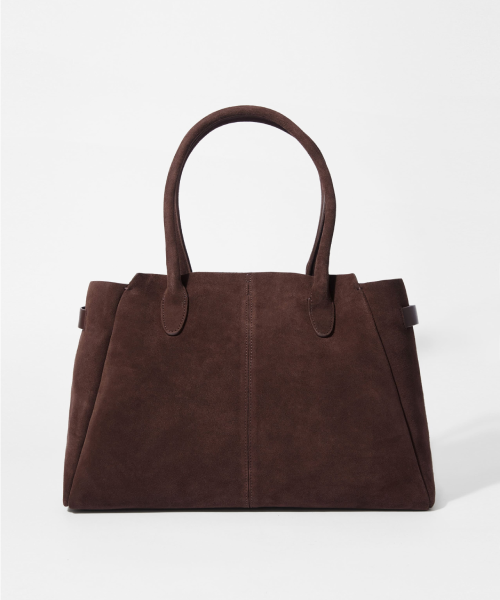
Available at: & Other Stories (stories.com), in stores
Best for: Those who want a quality bag at an accessible price without the investment commitment of luxury brands.
& Other Stories’ leather bags consistently exceed what the price suggests — the leather weight, the hardware quality, and the construction standard are above comparable bags at their price points from high-street alternatives. For those not ready to commit to Polène or Strathberry investment levels, & Other Stories provides the most reliable quality entry into the leather bag market.
The handbag market rewards research into leather grade, construction standard, and hardware quality more than brand name recognition at many price points. Polène for accessible luxury craftsmanship at the most compelling price-to-quality ratio in the market. Strathberry for British luxury at accessible luxury prices. Songmont for the emerging alternative with strong quality investment. Mulberry for the British heritage bag with secondary market value. Celine for the quiet luxury investment with consistent brand relevance. And & Other Stories for the accessible quality entry. Whatever you invest — touch the leather (should feel substantial and natural), check the hardware weight (heavy is right), examine the stitching consistency, and consider the secondary market before committing to the price.