HOME | Fashion | Beauty | Home Furnishing | Comparison | Top Reviews |
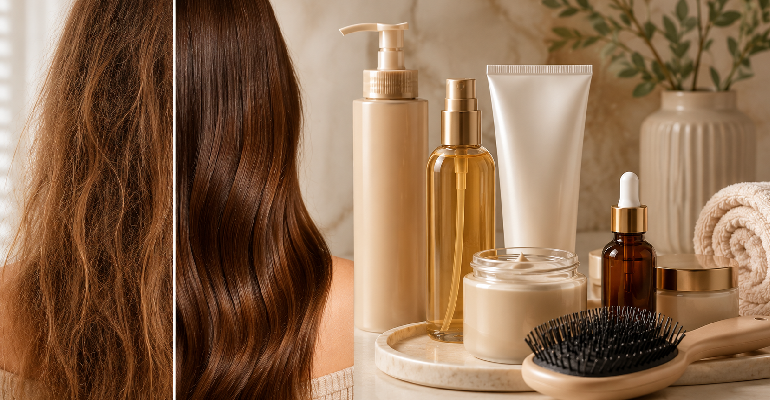
Hair damage is a structural problem that most hair care products address cosmetically rather than actually. The conditioning treatments and masks that make damaged hair feel smooth and look shiny are coating the hair shaft with silicones and oils that fill in roughness temporarily. Wash the hair again and the coating washes away with it. The underlying damage — broken disulfide bonds in the hair’s protein structure — remains.
The distinction between products that coat damaged hair and products that repair it is the most important thing to understand in this category.
Healthy hair has a protein structure where disulfide bonds hold the protein chains in alignment. Chemical processing (bleaching, coloring, relaxing, perming), heat damage, and physical damage from aggressive brushing all break these disulfide bonds. Broken bonds change the structural integrity of the hair — hair becomes weaker, more porous, more prone to breakage, and less able to hold style or color.
Cosmetic conditioning treatments — silicones, oils, ceramides, proteins — make damaged hair feel better by filling in surface roughness and temporarily reducing frizz. They’re genuinely useful for manageability but don’t address the underlying bond breakage. Rebuilding those bonds requires chemistry that most conditioning treatments don’t contain.
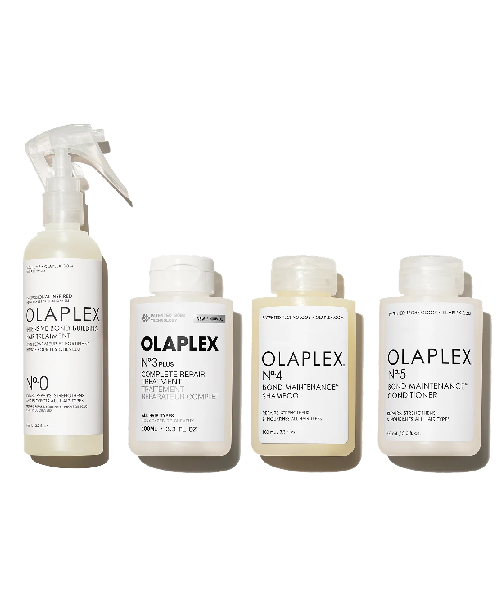
Olaplex was the first widely available product to address disulfide bond repair rather than just surface conditioning, and fifteen years after its professional launch, the chemistry is still the reference. The active ingredient (bis-aminopropyl diglycol dimaleate) works within the hair shaft to reconnect broken disulfide bonds rather than coating the surface.
Olaplex No. 3 ($30) is the at-home maintenance product — applied to damp hair before shampooing, left for as long as possible (the recommended minimum is ten minutes, longer is better), then washed out. Used weekly, it produces a cumulative improvement in hair strength and condition that becomes visible within a month.
Olaplex No. 4 Bond Maintenance Shampoo and No. 5 Bond Maintenance Conditioner ($30 each) continue the bond-repairing chemistry in the wash routine, which is where most people’s hair care begins and ends.
The honest assessment: Olaplex works as described. The chemistry is genuine and the results are observable. The product is worth the premium over standard hair care for anyone dealing with chemical or heat damage.
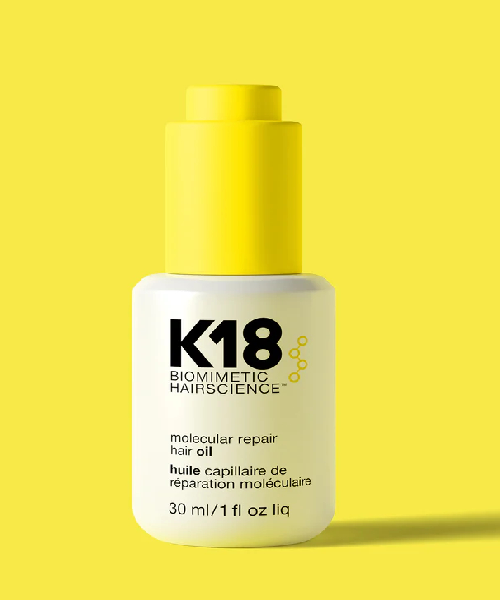
K18 ($75 for the full size leave-in treatment) uses a different approach to hair repair: a peptide that mimics the natural proteins in hair to reconnect broken hair chains. The leave-in application (applied to freshly washed hair without rinsing out) provides results that some users describe as more dramatic than Olaplex, particularly for very severely damaged hair.
The comparison with Olaplex is genuinely close for most users. The K18 is more expensive and the single-application leave-in format is more convenient than Olaplex’s rinse-out application for busy routines. For severely damaged hair that needs the most intensive repair: K18 is worth trying if Olaplex alone hasn’t produced adequate results.
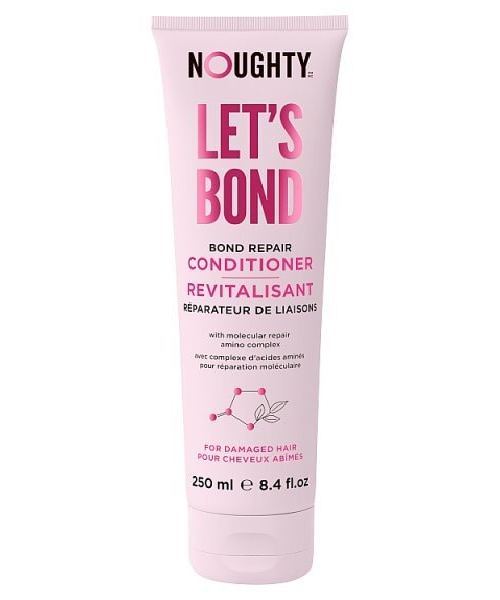
The Pantene Rescue Shots ($4-5 per unit) and the L’Oreal Elvive Bond Repair Pre-Shampoo Treatment ($10-12) represent the most accessible options for hair repair and perform above what their price would suggest. The L’Oreal Elvive Bond Repair specifically claims bond repair chemistry comparable to Olaplex and while the chemistry isn’t identical, the results for moderately damaged hair are genuinely close.
For hair that’s mildly to moderately damaged and doesn’t require the intensive repair that Olaplex or K18 provide for severely damaged hair, the L’Oreal Elvive Bond Repair at $10 is the most cost-effective entry into the bond repair category.