HOME | Fashion | Beauty | Home Furnishing | Comparison | Top Reviews |

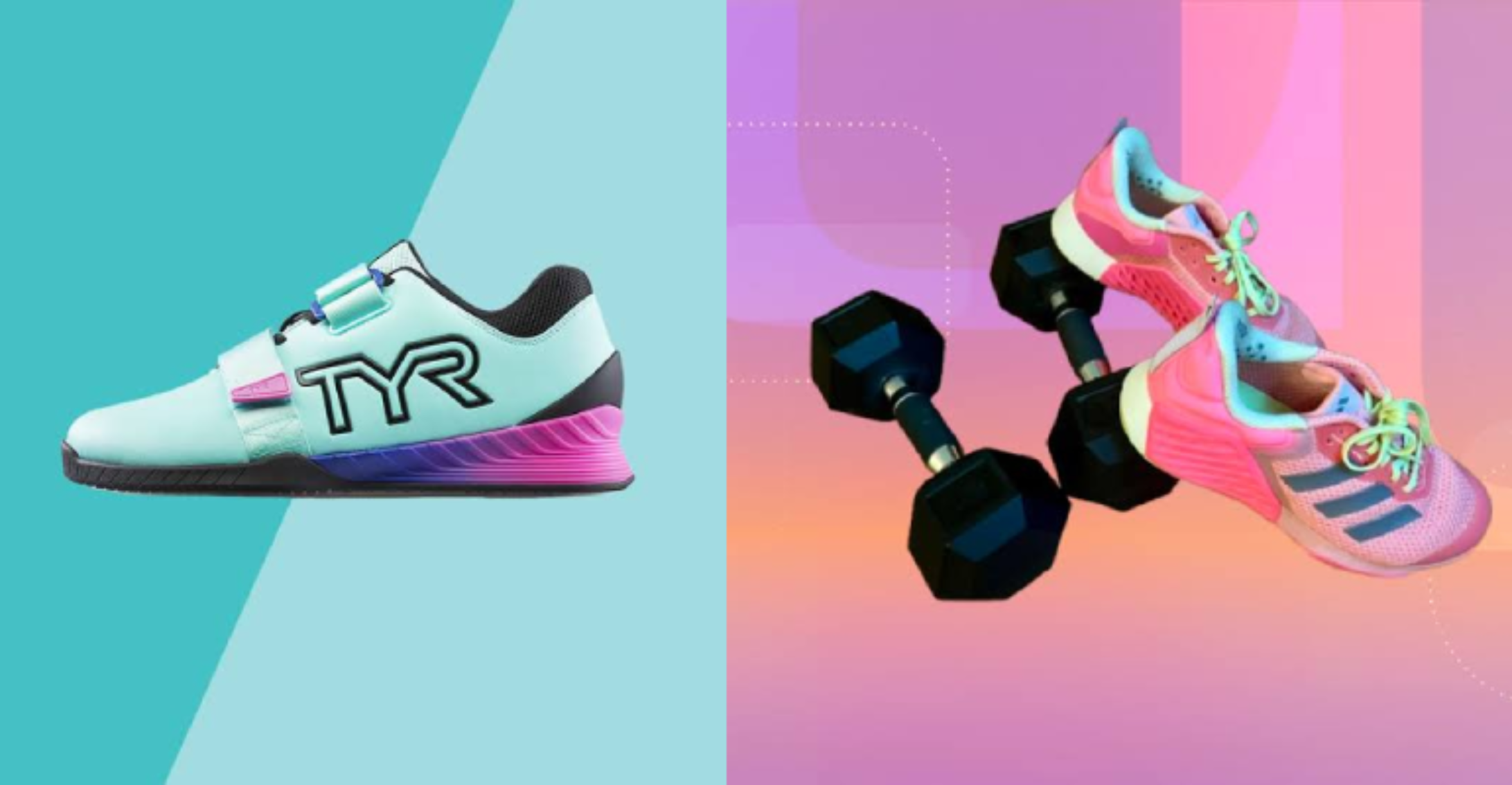
Running shoes are terrible for lifting. This is one of those things that seems obvious once you know it and is completely non-obvious before. The thick, cushioned heel of a running shoe compresses under load — which is great for absorbing impact during running and destabilizing during a squat or deadlift because the base you’re pushing from is moving. A stable, flat shoe with minimal heel compression is what lifting actually needs, and the category of training shoes designed specifically for this purpose produces meaningfully better results in the gym than running shoes worn because they’re the only athletic shoes you own.
This is the review of the training shoes worth buying if you actually lift.
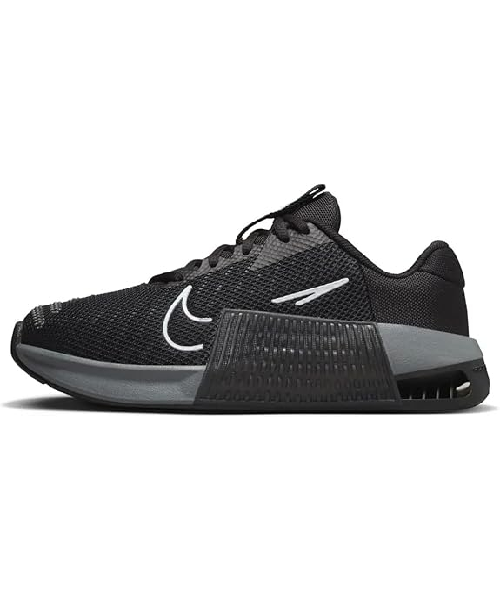
The Nike Metcon 9 costs $130-140 and has held its position as the reference cross-training shoe for several years through genuine product quality rather than marketing alone. The heel is reinforced and stable — 4mm drop, firm heel clip — which provides the stable base that squats, deadlifts, and overhead pressing require. The forefoot is flexible enough for the box jumps, rope climbs, and agility movements that CrossFit-style training includes.
The Hyperlift heel insert (included) can be added for Olympic lifting movements where a slight heel elevation improves squat mechanics — specifically the ankle dorsiflexion in a clean or snatch. Removable for movements where flat is better, insertable for weightlifting. This versatility across movement types is the Metcon’s primary advantage over dedicated weightlifting shoes.
The fit is secure through the midfoot with a locking lace system that prevents foot shift during lateral movements. The upper is durable — this is a shoe that looks presentable after a year of regular gym use rather than looking worn after three months.
The honest limitation: the Metcon is not a comfortable walking shoe and is not designed to be. The firm, flat heel that makes it excellent for lifting makes it noticeably less comfortable for extended walking or standing. It’s a gym shoe that stays in the gym bag.
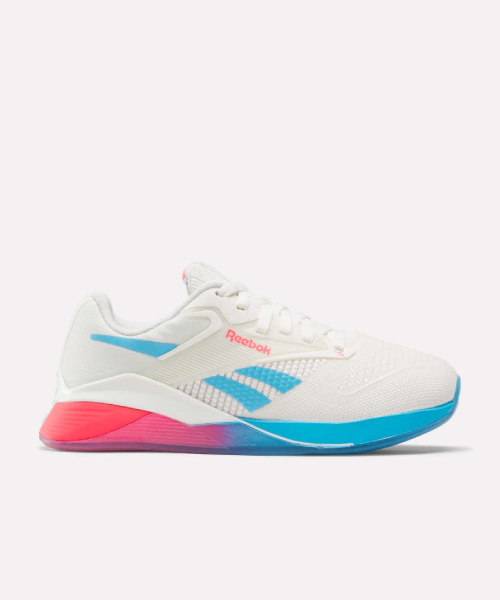
The Reebok Nano X4 costs $130 and is the cross-training shoe comparison that comes up most often against the Metcon. The Nano has a slightly softer feel — not cushioned in the running shoe sense, but less board-stiff than the Metcon — that some people find more comfortable for longer gym sessions without sacrificing meaningful stability.
The Flexweave upper construction on the Nano is more breathable than the Metcon’s upper and the shoe runs slightly wider in the toe box, which matters for people with wider feet who find the Metcon uncomfortably narrow through the front of the foot.
For pure weightlifting — squat-focused training, powerlifting, strength-specific programming — the Metcon’s firmer heel provides a marginally better platform. For mixed training where the gym session involves both lifting and conditioning, the Nano’s comfort advantage over longer sessions is relevant.
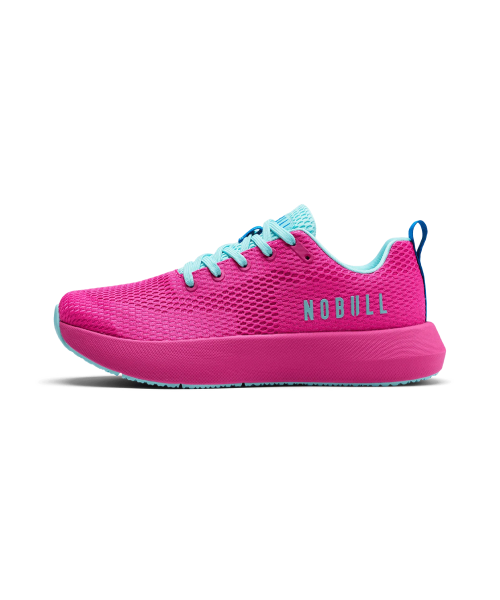
The NoBull Trainer costs $129-149 and occupies the premium aesthetic position in the cross-training category. The SuperFabric upper is durable, the design is deliberately minimal, and the shoe has built a following in the CrossFit community that extends beyond functional merit into identity territory.
The performance is genuinely good — the heel is stable, the forefoot is flexible, and the shoe handles most cross-training applications well. The performance difference between NoBull and the Metcon or Nano is smaller than the brand positioning suggests. What NoBull offers that the others don’t is the specific aesthetic — the clean, design-forward look that photographs well and has become a signal within certain fitness communities.
For someone who values the aesthetic alongside the performance and is comfortable at the slightly higher price: NoBull is a legitimate choice. For someone who primarily cares about performance: the Metcon or Nano at similar or lower prices are the better purchases.
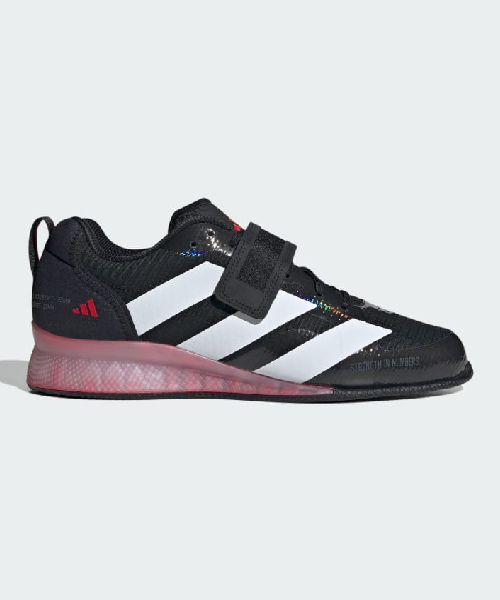
If your training is primarily Olympic weightlifting or powerlifting squat-focused and you want a dedicated weightlifting shoe rather than a cross-trainer, the Adidas Adipower 3 ($200-220) is the shoe worth knowing. The 15mm wooden heel raise creates the ankle angle that most people’s mobility doesn’t allow flat, making deep squat positions more accessible. The fully rigid construction provides a stable base that no cross-trainer fully replicates.
The trade-off is obvious: this shoe does one job exceptionally well and is unsuitable for any other purpose. It’s a gym-bag shoe for training sessions that are primarily squat and Olympic lift focused.
Heel drop of 4mm or less. Running shoes typically have 8-12mm drop, which creates instability under load. Training shoes at 4mm or less keep you closer to flat, which is what the lifts need.
Firm, non-compressible heel. Press your thumb firmly into the heel of any shoe you’re considering for lifting. If it compresses significantly, that compression happens under barbell load too. A heel that doesn’t move under thumb pressure will provide a stable platform under weight.
Secure midfoot lockdown. Foot shift during lateral movements or heavy lifts produces instability that affects both performance and safety. The lacing system and midfoot construction should hold the foot firmly in place.