HOME | Fashion | Beauty | Home Furnishing | Comparison | Top Reviews |
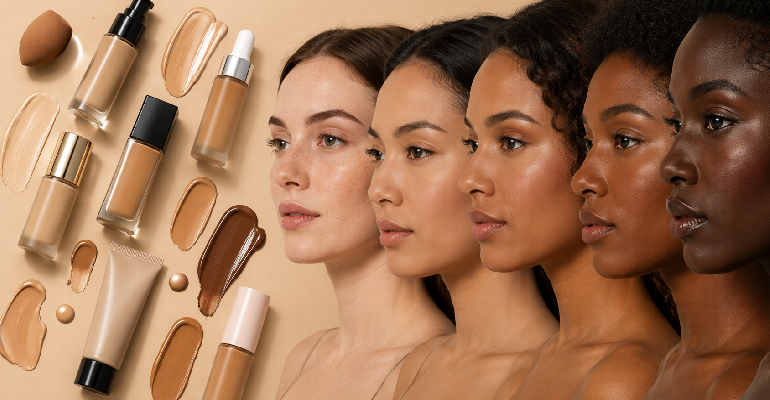
Foundation fails visibly in ways that most other makeup doesn’t. The shade that matched in the store and oxidized to orange by afternoon. The formula that looked smooth at application and settled into every texture and fine line by midday. The full-coverage product that looked like a mask rather than skin within two hours. These failures are more visible than foundation worn correctly, which is why choosing by skin type is the decision that matters most — before shade, before coverage level, before brand.
Oily skin breaks down most foundation formulas through the day as natural oil production interacts with the formula and breaks its hold. The foundations that work on oily skin are specifically formulated to resist this — either through oil-controlling ingredients, setting powder compatibility, or film-forming agents that prevent oil from disrupting the base.
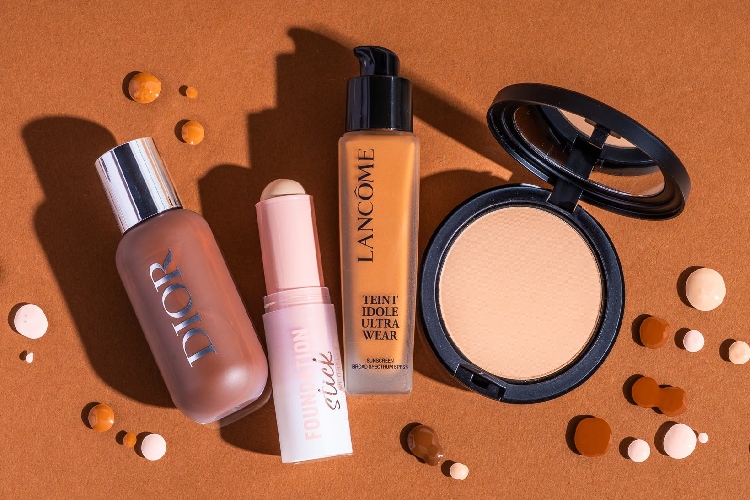
The Estée Lauder Double Wear Stay-in-Place Foundation ($52) has maintained its position as the reference oily-skin foundation for over a decade because it consistently delivers on its core promise: staying in place through a full day on oily skin without sliding, sheening, or changing color. The coverage is full and buildable. The finish is matte without being flat. The shade range is extensive enough to suit most skin tones.
The limitation worth knowing: Double Wear is not for dry or dehydrated skin. The formula that grips oily skin also grips texture and settles into fine lines on dry skin, looking progressively worse through the day on skin types it’s not designed for.
The drugstore alternative for oily skin: the L’Oreal Infallible 24HR Fresh Wear Foundation ($15) performs comparably on oily skin at a fraction of the price. The wear time and oil control are genuinely competitive with Double Wear. The shade range is less complete for deeper skin tones.
For combination skin with oily zones: the NARS Natural Radiant Longwear Foundation ($50) provides medium-to-full buildable coverage with a natural finish that doesn’t over-mattify dry areas while still providing adequate oil control in the T-zone. The formula sits between the extremes of a full matte and a dewy finish in a way that combination skin specifically benefits from.
Dry skin’s specific foundation challenge: formulas that don’t hydrate the skin during wear look increasingly flat and emphasize texture as the day progresses. The best foundations for dry skin add hydration alongside coverage rather than sitting on top of dry skin without addressing it.
The Charlotte Tilbury Beautiful Skin Foundation ($46) is the reference for skin-like coverage on dry skin. The formula contains glycerin and hyaluronic acid alongside the pigment — it’s treating the skin while covering it rather than just covering it. The coverage is medium and buildable rather than full, which suits dry skin because attempting to build full coverage on dry skin emphasizes texture in ways that medium coverage doesn’t.
The finish is radiant and looks like good skin rather than like makeup, which is the specific effect that most people with dry skin are trying to achieve and that heavy, matte formulas actively work against.
The Rare Beauty Liquid Touch Weightless Foundation ($29) is the accessible alternative for dry skin — a lightweight formula with a natural finish that doesn’t feel heavy or look cakey and performs well above its price point. The unique bottle design (flattened, one-handed pour) is a functional design detail rather than a gimmick.
Preparation for dry skin foundation: moisturizer matters more for dry skin foundation application than for any other skin type. A well-hydrated skin surface before foundation application dramatically reduces the appearance of texture and prevents the foundation from looking dry and settled by midday. Waiting five minutes after moisturizer before foundation allows absorption rather than mixing.
Foundation on mature skin has a specific challenge that’s counterintuitive: the instinct to cover texture and signs of aging with full coverage foundation usually makes both more visible rather than less. Heavy coverage formulas settle into fine lines and emphasize them. The skin-like, lighter coverage formulas that don’t fully cover what they’re applied over typically produce a better result because they let skin’s natural texture show while evening tone.
The NARS Sheer Glow Foundation ($50) is the recommendation specifically for mature skin — a sheer-to-medium buildable coverage with a luminous finish that catches light in a way that makes skin look alive rather than covered. The hyaluronic acid in the formula provides hydration during wear that prevents the settling-into-lines problem.
The Ilia True Skin Serum Foundation ($54) is the alternative that performs as both skincare and foundation — SPF 20 and squalane alongside the coverage, in a formula that works with skin rather than on top of it.
The primary requirement for acne-prone skin is non-comedogenic formulation — ingredients that don’t block pores and contribute to breakouts. Beyond that, coverage level is personal and depends on whether you’re covering existing spots, managing active breakouts, or primarily concerned with prevention.
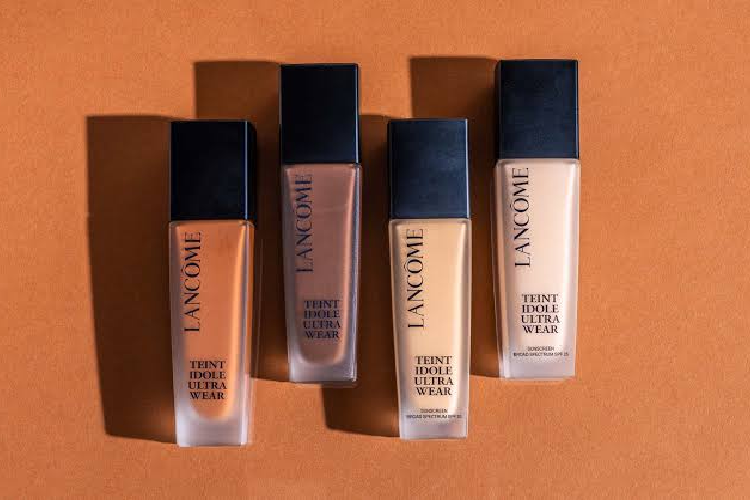
The Clinique Even Better Clinical Foundation ($30) is the reference for acne-prone and blemish-prone skin — genuinely non-comedogenic, medium buildable coverage, and specifically formulated not to aggravate existing skin concerns. The Vitamin C and niacinamide in the formula contribute to long-term improvement rather than just covering the issue.
The e.l.f. Halo Glow Liquid Filter ($14) is the accessible option — a skin-tint level coverage that evens tone without sitting heavily on skin, non-comedogenic, and priced low enough to be easily replaceable.