
RingConn Review — Gen 3 Worth It Over Oura?
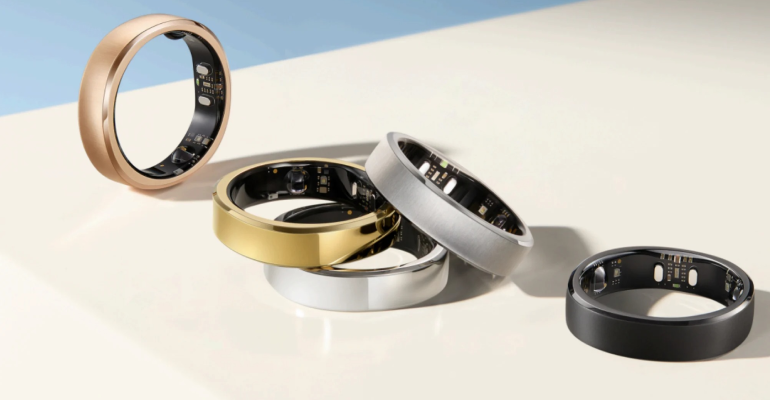
RingConn’s most compelling 2026 evidence isn’t a spec sheet comparison against Oura — it’s a specific, detailed account from a reviewer who woke up to a notification reading “AHI 8.1, Suspected Mild” after the ring’s automatic three-night sleep apnea assessment, leading directly to a scheduled sleep study. That’s a meaningfully different kind of evidence than the marketing claims most wearables generate, and it deserves to anchor this review alongside the brand’s genuinely real customer service and battery durability concerns. Quick Highlights ✅ A detailed, independent seven-day test of the Gen 3 documents the ring’s automatic three-night sleep apnea assessment flagging a specific, real concern (AHI 8.1, “Suspected Mild”) that led the reviewer to schedule an actual sleep study ✅ Genuinely no subscription required — full app access and all health metrics included at the one-time purchase price, a real and meaningful differentiator from Oura’s required membership ✅ Wareable’s independent 2026 testing names RingConn Gen 2 their top overall smart ring pick, citing battery life, design, and “countless actionable insights” ✅ Battery life independently confirmed strong — a one-year reviewer reports the ring “consistently lasts a full week,” with the included charging case holding up to 15 additional full charges for travel ✅ Gen 3 adds two genuine new features over Gen 2: a vibration motor for silent alerts and Vascular Health Insights tracking nighttime blood pressure trends, while holding the line on price ❌ A specific, detailed Trustpilot account describes a Gen 2 that “suddenly stopped holding a charge” after just over a year, with the company refusing a free replacement and instead offering only a discounted repurchase — with the same complaint repeating for the customer’s partner’s ring within the warranty period ❌ A separate, serious account describes two separate failed purchase attempts — one lost order through the official Amazon store, one never shipped through RingConn’s official German distributor — followed by an ignored refund request requiring a credit card chargeback over a month later ❌ At least one detailed user specifically reports inconsistent workout tracking accuracy: “you can’t really track every workout properly,” despite generally positive step-count and calorie-tracking experiences ❌ The RingConn app currently operates independently without syncing to major third-party platforms like Apple Health or Google Fit — a real limitation for users wanting unified health data across devices ❌ The blood pressure and sleep apnea features are explicitly not medical-grade diagnostic tools — RingConn’s own reporting language frames findings as “a screening nudge,” not a diagnosis, and any concerning reading should be followed up with an actual clinical evaluation Best for: Sleep-focused buyers who specifically want no-subscription, long-battery-life health tracking and understand the screening features are meant to prompt clinical follow-up rather than replace it, who register their warranty immediately and document any charging or hardware issues promptly given the documented battery-failure complaint pattern. Why Trust This Review Cross-referenced from Cybernews’ detailed Gen 2 review and separate one-year ownership account, The Gadgeteer’s detailed seven-day Gen 3 test with real sleep apnea screening data, Wareable’s 2026 best smart rings comparative testing, SmartRingHQ’s research-led Gen 3 editorial review synthesizing independent accuracy testing, Sypnotix’s hands-on design and battery assessment, and Trustpilot’s 3,343+ verified reviews. No commercial relationship with RingConn. Table of Contents About RingConn RingConn Review: Full Breakdown Best RingConn Products Worth Buying What Customers Actually Think Is RingConn Worth It? RingConn vs Oura Where to Buy FAQs Final Verdict About RingConn RingConn is a smart ring health tracker built around a specific differentiator from category leader Oura: no subscription fee, ever, for any feature or insight. The current Gen 3 ($349 standard, $369 metallic finishes) tracks sleep stages, heart rate, HRV, blood oxygen, respiratory rate, skin temperature, and stress, with a built-in vibration motor for silent alerts and a Vascular Health Insights feature tracking nighttime blood pressure trends — both genuine additions over the Gen 2. The ring is made from aerospace-grade titanium with a PVD coating, weighs just 2-3 grams depending on size, and carries an IP68 rating supporting water resistance to 328 feet. RingConn Review: Full Breakdown The Sleep Apnea Screening — Genuinely Compelling, Recent Evidence This is the single most useful piece of evidence available for this review, and it deserves precise, complete treatment. A detailed seven-day independent test of the Gen 3 documents the ring’s automatic three-night sleep apnea assessment program producing a specific result: “AHI 8.1, ‘Suspected Mild.’” The reviewer’s own honest, measured response: “I put this $349 smart ring on to find out whether the two-week battery claim and the no-subscription pitch hold up… I’ve got a sleep study on the calendar.” What makes this account genuinely credible rather than just promotional is the reviewer’s complete, honest follow-through: the monitoring continued through the week, and a subsequent night’s reading came back “AHI 4.2, ‘No Abnormalities Detected.’” The reviewer’s own careful interpretation: “the 8.1 now looks like an outlier inside a mostly normal pattern rather than a stable baseline, which is precisely the question a sleep study exists to settle.” This is exactly the right way to use a consumer screening device — as a prompt for genuine clinical follow-up, not a replacement for one — and the reviewer’s specific, balanced framing of this distinction reflects well on both the device’s stated purpose and the reviewer’s own appropriately cautious interpretation. No Subscription — The Brand’s Core, Genuinely Real Differentiator This deserves direct emphasis because it’s confirmed consistently across every independent source reviewed, not just the brand’s own marketing. “Unlike many competitors that lock advanced analytics behind paywalls, RingConn gives you full access to all your data the moment you buy the ring. No monthly fees, no premium tiers, no surprises.” A separate one-year ownership account makes the financial case directly: “while major competitors like Oura and Samsung require subscriptions or specific ecosystems, RingConn delivers a complete package — excellent hardware and comprehensive app data — without any recurring fees.” Battery Life — Independently Confirmed Strong, With a Specific Documented Failure Pattern Multiple independent sources confirm strong real-world battery performance. A
Levain Bakery Review — Are the Cookies Worth the Mail-Order Risk?

Levain Bakery’s evidence base contains one of the most useful, honest tensions in this entire research series: the in-bakery, fresh-from-the-oven experience receives near-universal, rapturous praise, while the exact same cookies shipped by mail generate a genuinely split reaction — from “shockingly good” to a customer’s blunt assessment that the same cookies are “horrible” and “inedible” when sent through the mail. Understanding precisely why this split exists is the single most useful thing this review can offer. Quick Highlights ✅ Trustindex’s aggregated rating sits at 4.6 from 11,726+ Yelp reviews, reflecting genuinely broad satisfaction at the physical bakery locations specifically ✅ The Chocolate Chip Walnut, Dark Chocolate Peanut Butter Chip, and Oatmeal Raisin cookies receive specific, repeated, rapturous praise from a professional food editor who personally ranked all eight flavors ✅ Each cookie weighs a genuinely substantial 6 ounces — large enough that the brand itself markets them as meant for sharing ✅ Gluten-free and vegan Chocolate Chip Walnut versions are confirmed available, expanding accessibility without compromising the brand’s signature flavor ✅ In-bakery customer service receives consistent, specific, named-employee praise — patient, friendly staff who take time to wrap treats carefully even for customers just passing through ❌ A specific, detailed complaint describes a customer’s annual gift box from a sibling arriving consistently “incredibly hard and dry” and “inedible” via mail order, despite the same customer acknowledging the cookies are likely wonderful fresh — “maybe they are so good when fresh that you can’t get enough” ❌ A documented, structural customer service gap: Levain Bakery has no phone support team at all, with email responses taking up to three business days — a genuine deterrent for any time-sensitive order issue ❌ A separate detailed account describes ordering frozen cookies and experiencing inconsistent results — “they just seemed like a regular cookie, maybe a bit fluffier, but I’ve had better frozen cookies” — directly contrasting with other reviewers who found the frozen/reheated version “shockingly good” ❌ One specific, serious account describes a cookie eaten directly from the store that “wasn’t cooked” in the middle, followed by a stomach upset lasting the rest of the day ❌ Cookies are described by multiple reviewers as “overpriced and very indulgent,” with some specifically noting the richness and density isn’t for everyone — “too thick or dense,” and “limited in flavors” relative to their high profile Best for: Buyers within reasonable distance of a physical Levain Bakery location who can purchase and eat the cookies fresh or within hours, or mail-order buyers willing to follow the brand’s specific reheating instructions precisely (350°F oven, never microwave) rather than eating them straight from a shipped box. Why Trust This Review Cross-referenced from Trustindex’s aggregated Yelp review collection (11,726+ reviews), Thingtesting’s brand review aggregate, Trustpilot’s direct customer service reviews, PureWow’s professional food editor ranking of all eight Levain flavors, Taste of Home’s detailed cookie delivery test, and MealFinds’ detailed shipping and storage breakdown. No commercial relationship with Levain Bakery. Table of Contents About Levain Bakery Levain Bakery Review: Full Breakdown Best Levain Bakery Products Worth Buying What Customers Actually Think Is Levain Bakery Worth It? Levain Bakery: Fresh vs Mail Order Where to Buy FAQs Final Verdict About Levain Bakery Levain Bakery was founded in 1995 on the Upper West Side of Manhattan by Connie McDonald and Pam Weekes, with a singular founding mission: create the world’s greatest chocolate chip cookie. The result became one of the most recognizable cookies in American food culture — a 6-ounce, nearly inch-thick confection with a crisp, golden exterior and a dense, fudgy, almost underbaked-feeling center, baked fresh daily and visible being prepared in many of the brand’s storefronts. The brand has expanded from its original NYC location into multiple bakeries across the Eastern Seaboard and beyond, while also developing a nationwide mail-order shipping operation, a catering service, and — more recently — bake-it-yourself dough kits. The company donates all proceeds from new bakery opening days to local charity, and donates unsold baked goods at the end of each business day. Levain Bakery Review: Full Breakdown The Fresh, In-Bakery Experience — Near-Universal, Rapturous Praise This is where Levain Bakery’s reputation is most clearly and most consistently earned, and the volume of specific, enthusiastic evidence is substantial. A professional food editor at PureWow who ranked all eight Levain flavors describes the Chocolate Chip Walnut — the cookie that “solidified Levain’s place in NYC cookie lore” — with genuine technical praise: “the center is dependably soft and molten, while the exterior is crunchy and golden brown… there’s absolutely nothing wrong with this cookie.” The same editor’s assessment of the Oatmeal Raisin is even more enthusiastic: “this underrated cookie deserves many, many roses. This just might be the best, most moist oatmeal raisin cookie you ever eat,” specifically praising the “plump raisins” and “just-salty-enough, brown sugar-y dough.” Customer service at the physical locations receives consistently specific, named-employee praise: a cashier named Lindsey is specifically credited with patient, friendly service and careful gift-wrapping for a customer buying treats for a trip. A separate reviewer specifically describes the in-store experience at the Georgetown location: “the staff was very friendly and the bakery was clean and the air was full of the smell of bread baking.” The No-Phone-Support Structural Gap — A Genuine, Specific Customer Service Concern This deserves direct, careful treatment because it’s a documented structural limitation rather than an isolated complaint. One detailed Trustpilot review specifically and precisely identifies this: “Levain Bakery does not have a Customer Service/Customer Support team that you can talk to, by phone… Levain Bakery tells you that it may take a few days to get an email reply from them.” The same reviewer’s specific, useful comparative framing places this in context against competitors: better than “the awful people at Wolferman’s Bakery mail order,” but worse than “Zingerman’s mail order,” which the reviewer specifically identifies as “the best” in this category, though without quite the right cookies on offer. The practical implication: any order issue — a delayed shipment, a wrong item,
Weber Review — Spirit, Genesis, or Summit After the Blackstone Merger?
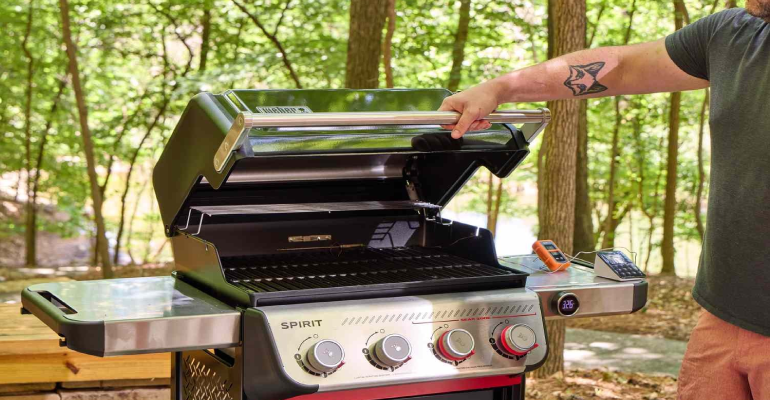
Weber enters 2026 in a meaningfully different position than it has occupied for most of its history: in May 2025, Weber merged with Blackstone — the dominant outdoor griddle brand — under combined leadership headed by Blackstone’s own founder. Understanding what this merger actually changes, and what it doesn’t, is the single most useful framework for evaluating any Weber purchase this year. Quick Highlights ✅ The Genesis E-325 was independently awarded best gas grill of the year by a major test kitchen, specifically praised for “powerful performance, stylish design and extra clever features” ✅ Independent testers specifically confirm the Genesis remains “the best grill in its class” under $2,000, with the same source describing it as “the one we sell most often” ✅ The Spirit line received genuine 2026 updates — a new 750°F sear zone, Weber Works side tables, and Wi-Fi-enabled digital thermometers on the Spirit Smart models, starting at $599 ✅ Weber’s consumer care team is documented directly engaging with customers who post critical reviews, proactively reaching out to understand and address specific complaints ✅ Multiple long-term owners describe owning their second or third Weber across years, specifically citing reliability as the reason for repeat purchases ❌ A specific, detailed forum account documents the Spirit and Genesis lines using “paper thin” stainless steel flavorizer bars compared to prior generations, with porcelain-enameled cooking grates “far thinner and lighter than those from 5 and 10 years ago” ❌ A separate, more serious account describes purchasing a 26-inch kettle through Amazon with the lid and bowl “so out of round that they didn’t close” — a manufacturing defect significant enough that Amazon temporarily stopped selling the model, citing “manufacturing defects” as the stated reason ❌ A documented forum thread specifically criticizes Weber’s recent price increases without a corresponding quality improvement — “they raised prices while the quality has been a pile of garbage,” in one specific reviewer’s own words ❌ The current Genesis’s “Sear Zone” is honestly described by independent industry analysis as “not an infrared sear burner” but rather “another row of standard burners that gives you more heat in a defined zone” — a meaningful, specific distinction from genuine infrared sear technology offered by some premium competitors ❌ The Weber-Blackstone merger’s stated strategic direction specifically favors “high-volume, big-box retail,” which industry analysis suggests will benefit the entry-level Spirit line while potentially accelerating quality and investment decline at the premium Summit tier Best for: Buyers in the $500-$2,000 range specifically — the Spirit line for casual weeknight grilling at the most accessible price, and the Genesis line for the best all-around mid-tier gas grill currently available, according to independent test kitchen evaluation. Why Trust This Review Cross-referenced from Taste of Home’s expert-tested Genesis E-325 review, Smoked BBQ Source’s detailed Spirit vs Genesis comparison, Quality Grill Parts’ 2026 head-to-head breakdown, Yale Appliance’s industry analysis of the Weber-Blackstone merger, The Virtual Weber Bulletin Board’s long-term owner forum discussions, The BBQ Brethren Forums’ documented customer service exchange, and Home Depot/Best Buy verified purchase reviews. No commercial relationship with Weber. Table of Contents About Weber The Weber-Blackstone Merger — What It Actually Means Weber Review: Full Breakdown Best Weber Products Worth Buying What Customers Actually Think Is Weber Worth It? Weber Spirit vs Genesis vs Summit Where to Buy FAQs Final Verdict About Weber Weber-Stephen Products has been the dominant name in American backyard grilling for over seven decades, building its reputation on the original kettle grill and expanding into the current Spirit (entry-level), Genesis (mid-tier), and Summit (premium) gas grill lines. On May 5, 2025, Weber and Blackstone — the company that built the dominant outdoor griddle brand from a single product into a category leader over sixteen years — closed a merger, forming the combined entity Weber Blackstone, led by Blackstone’s own founder, Roger Dahle. The Weber-Blackstone Merger — What It Actually Means for Buyers This deserves direct, upfront treatment because it’s genuinely new context that changes how a 2026 Weber purchase should be evaluated relative to prior years. Industry analysis specifically frames the strategic shift: “the new strategy favors high-volume, big-box retail, which helps the entry-level lineup and hurts the top end.” Blackstone’s own founding playbook — “aggressive pricing, massive retail distribution, and Chinese contract manufacturing” — is now informing Weber’s broader corporate direction. The practical, concrete result for 2026 specifically: the Spirit line received genuine, meaningful investment — a new 750°F Sear Zone, Weber Works side tables, and Wi-Fi-enabled digital thermometers across an expanded 16-model lineup. Independent analysis is direct about this being a real strategic priority: “the Spirit fits cleanly into the new Weber Blackstone strategy: volume, accessibility, and retail-friendly pricing… it will keep getting investment.” The flip side, per the same analysis: “for the first time in 30 years,” buyers above roughly $3,899 now have credible alternatives to Weber’s flagship Summit line from competitors like Lynx and Blaze — a notable shift from Weber’s historical premium-tier dominance. Weber Review: Full Breakdown The Genesis Line — Independently Validated as the Class Leader This is where Weber’s reputation is most clearly and most currently earned. Taste of Home’s expert test kitchen specifically awarded the Genesis E-325 their top spot for best gas grill, citing “powerful performance, stylish design and extra clever features,” with their grilling expert specifically praising “its large grilling area, attractive design and sturdy build.” A separate, more recent 2026 industry analysis independently reaches the same conclusion: “Weber’s Genesis is still the best grill under $2,000,” and specifically identifies it as “the one we sell most often” among the dealers and retailers consulted. The Genesis platform received genuine, specific 2026 updates worth knowing precisely: an expanded 13,000 BTU Sear Zone, integrated lighting with illuminated knobs, a front-facing digital propane tank gauge, an expanded prep table fitting a full sheet tray, and full compatibility with the modular Weber Crafted accessory system (griddle, baking stone, sear grate, roasting basket, rotisserie skewers). The same analysis is honest about one specific limitation worth understanding precisely: the “Sear Zone” branding “is not
Bandolier Review — Worth It for a Hands-Free Phone Case?
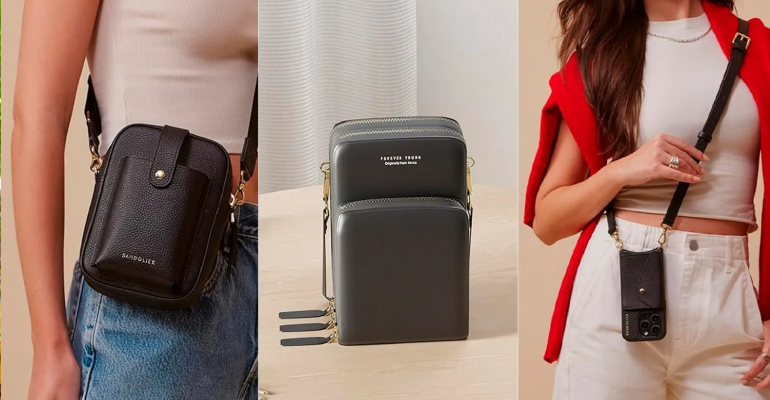
Bandolier generates some of the most genuinely polarized evidence in this entire accessories research series — multiple customers describe owning their third or fourth case across successive iPhone upgrades and never wanting to switch brands, while a separate, specific, dated account describes a structural failure serious enough that the customer’s phone fell into a body of water while she was using the case as her primary wallet. Both stories are real and both deserve complete, careful treatment rather than either pure brand loyalty or pure dismissal. Quick Highlights ✅ Genuinely strong long-term satisfaction documented across multiple multi-year, repeat-purchase customers — several buyers specifically describe owning their third or fourth Bandolier across successive iPhone upgrades, with one customer’s original case from two years prior “still in great shape” ✅ Customer service receives consistent, specific praise when contacted about manageable issues — a broken zipper resolved with empathy and a fast replacement, a missed discount code refunded instantly without prompting a second time ✅ 100% top-grain leather construction with RFID-blocking wallet integration and up to 6 feet of drop protection on the current Hailey Side Slot model ✅ TPU and PC phone case materials engineered specifically for shock absorption, with a raised camera ring to protect lenses ✅ Case-or-crossbody versatility — wear hands-free with the strap, or detach for a standalone case ❌ A specific, detailed account documents the Bodie Crossbody’s structural connector failing to the point that an iPhone 15 Pro “randomly falls out” of the case — including one specific incident where the phone fell directly into a body of water while the customer was using it as her primary wallet, with identification and credit cards also at risk ❌ The same customer reports being told she was “3 months out of warranty” when she sought resolution for what she describes as a safety hazard, not a cosmetic issue ❌ PissedConsumer’s aggregated rating sits at just 2.4/5 from 40 reviews, with “frequent customer complaints about wrong sizes and wrong items shipped” and “repeated reports of poor customer service and inability to reach a live person for exchanges or refunds” specifically flagged as a recurring pattern ❌ A separate documented case describes a return that was confirmed received by the company, with no credit issued after five months and multiple unanswered emails, and no phone number the customer could find to escalate ❌ Apple-only product line — multiple buyers specifically express disappointment after purchasing, only to discover no Samsung or Android compatibility exists ❌ Decorative finishes (chain straps, silver coating) show documented durability weaknesses — discoloration within a year on a £50+ chain product, and silver coating “peeling off almost right away” on at least one specific case within six months Best for: iPhone owners specifically wanting a hands-free crossbody solution who choose simpler leather styles over decorative or chain-strap variants, register their warranty immediately on purchase, inspect the strap connector hardware periodically rather than assuming it will hold indefinitely, and double-check their order confirmation carefully against what arrives. Why Trust This Review Cross-referenced from Trustpilot’s 351+ verified Bandolier reviews, PissedConsumer’s 40-review aggregate with specific complaint-pattern analysis, US-Reviews’ detailed buyer account collection, the brand’s own current product page reviews for the Hailey Side Slot Leather Crossbody, and verified Amazon purchase reviews across multiple case models. No commercial relationship with Bandolier. Table of Contents About Bandolier Bandolier Review: Full Breakdown Best Bandolier Products Worth Buying What Customers Actually Think Is Bandolier Worth It? Bandolier vs a Standard Phone Case + Bag Where to Buy FAQs Final Verdict About Bandolier Bandolier is a Los Angeles-based accessories brand specializing in crossbody phone cases — leather cases with detachable, adjustable straps that allow hands-free phone carrying with integrated card and cash storage. The brand markets itself directly as “the original luxury crossbody iPhone case,” and has built genuine celebrity visibility, with Taylor Swift, Blake Lively, and Martha Stewart specifically and repeatedly documented as fans across independent coverage. The current product line is built exclusively for iPhone models, spanning multiple case styles (Hailey, Emma, Lily, Bodie, the Remi Magnet) with varying combinations of leather finish, strap hardware, and wallet capacity, alongside standalone accessories like additional straps and luggage tags sold separately. Bandolier Review: Full Breakdown The Structural Failure Case — The Evidence That Deserves the Most Direct Attention This is the single most important piece of evidence in this entire review, and it warrants careful, specific treatment rather than being grouped in with ordinary quality complaints. A detailed Trustpilot account describes a customer who had been “a vocal advocate for Bandolier for years” before this specific experience: her first case (priced over $100) developed unraveling piping and seams within a year, which the company resolved well at the time with a prompt replacement. Encouraged by that resolution, she upgraded to the Bodie Crossbody with Mini Zip Pouch ($162) — and describes the result as “a disaster.” Her specific, itemized account: “Structural Failure: The case no longer securely holds my iPhone 15 Pro. My phone now randomly falls out of its case.” She then describes a specific incident that elevates this from inconvenience to genuine safety concern: “Yesterday, my phone fell completely out of the case and into a body of water. Because I use this as my primary wallet, my driver’s license and credit cards were also at risk.” When she contacted customer support about what she frames correctly as a safety hazard rather than a cosmetic defect, she reports being told she was “3 months out of warranty” — language she specifically characterizes as “insulting” given the nature of the failure. This account deserves weight because it’s specific, dated, names the exact product and phone model, and describes a failure mode — the phone physically falling out, with personal documents and payment cards also at risk — that goes meaningfully beyond typical wear-and-tear complaints like fading or loosening stitching. The Order Accuracy and Refund Pattern — A Separate, Distinct Issue This is a separate problem from the structural failure case above, and it’s worth
Atolea Wear It. Swim In It

bound clothing Streetwear Without Limits
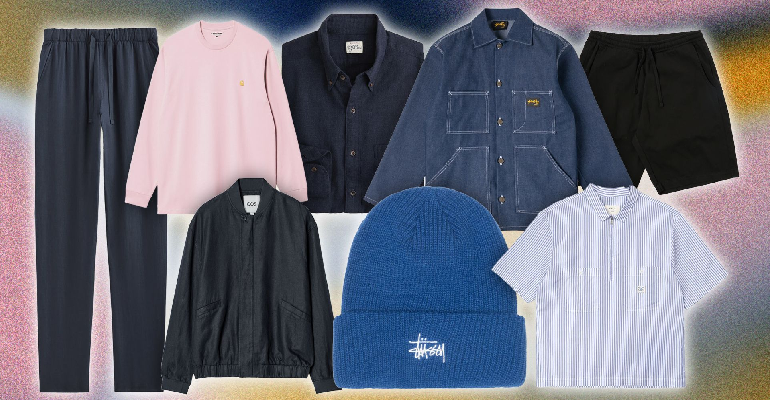
UNTUCKit Untuck Your Style Potential

Beneunder Beyond Shade

Beam Feel Your Best

Rebel Where Endless Deals Meet Top Brands

REBEL Review 2026: The Open Box Baby Gear Site That Could Save You Hundreds — But Should You Trust It? Baby gear is expensive. Genuinely, jaw-droppingly expensive when you add it all up. A good stroller alone can cost $500 to $1,000. A car seat. A bassinet. A high chair. A baby monitor. A carrier. By the time you’ve got everything on the registry, you’ve spent more than some people spend on a used car — and a lot of it will be outgrown within eighteen months. That’s the problem REBEL is trying to solve. And from what I’ve seen across hundreds of real customer accounts, some time browsing the site, and a lot of digging into what actually arrives at people’s doors — they solve it pretty well, most of the time. REBEL (which most parents still call Rebelstork, the name it operated under before rebranding) sells open box and overstock baby gear and home goods at up to 70% off retail prices. Not used gear. Not secondhand. Open box — meaning the box was opened, the product was inspected, and now it’s sitting in their warehouse instead of a retailer’s back room or a landfill. The distinction matters more than it might sound. Here’s everything you need to know before you buy. Quick Highlights ✅ Genuine discounts — 20% to 70% off retail on real brand-name gear ✅ Only open box and overstock — not used, not floor models, not secondhand ✅ Partners with 2,500+ retailers and brands including UPPAbaby, Nuna, Keenz, Babyzen ✅ Certified B Corporation — sustainability credentials are real, not marketing fluff ✅ Keeps 25+ million pounds of product out of landfills annually ✅ New inventory added daily — worth checking back regularly ✅ Has expanded beyond baby gear into home goods, kitchen, and outdoor ❌ Condition descriptions are sometimes inconsistent — “open box” can mean very different things depending on the item ❌ Missing parts reported by a minority of buyers on some orders ❌ Shipping takes 5–10 days, not 2-day Amazon speed ❌ No phone support — all customer service via email ❌ 7-day return window is shorter than many retailers Best for: Budget-conscious parents, expectant families who want premium brands at real discounts, eco-minded shoppers, anyone who knows exactly which stroller or car seat they want and wants to pay less for it. Why Trust This Review This review draws on verified customer feedback aggregated across Trustpilot, PissedConsumer, and independent parent blogs, plus hands-on research into REBEL’s product catalog, condition grading system, policies, and brand history. I evaluate platforms like this on the accuracy of their product descriptions, the reality of their savings claims, how they handle things when something goes wrong, and whether the shopping experience is trustworthy enough to recommend to a parent making a significant purchase. No commercial relationship with REBEL exists here. About REBEL REBEL was founded in 2020 in Canada by Emily Hosie under the name Rebelstork. The founding insight was simple and kind of brilliant: when a parent returns a stroller to a big-box retailer because it didn’t fit in their elevator, that stroller almost never goes back on the shelf. It goes to a liquidator, or more often, straight to landfill — even if it’s in perfect condition, never used, just with an opened box. REBEL built a platform to intercept those products. They partner directly with retailers and brands — over 2,500 of them now — to acquire that returned, overstock, and open box inventory before it disappears. They inspect it, grade it by condition, list it on their site, and sell it to parents at a meaningful discount. The company rebranded from Rebelstork to REBEL in 2024 and moved to fromrebel.com as their web address. The name changed but the model didn’t — and the loyal customer base followed. A lot of parents still search for “Rebelstork reviews” when they’re trying to decide whether to trust them, which tells you something about how sticky the brand had become under the original name. More recently, REBEL has expanded beyond baby gear into home goods — kitchenware, bedding, appliances, outdoor gear. The baby products are still the core, but the platform is clearly trying to become the open-box destination for home shopping broadly, not just for the newborn phase. They are also a certified B Corporation, which means their sustainability and social impact claims have been independently verified. For a company whose whole pitch involves keeping products out of landfills, that certification actually matters. Who is REBEL for? Any parent who has stared at a stroller price tag and felt their stomach drop. Particularly useful for first-time parents who want quality gear — UPPAbaby, Nuna, Babyzen, Keenz — and know the brands they want but not how to afford them. REBEL Review: Full Breakdown The Model — Understanding What You’re Actually Buying Before talking about quality, experience, and value, it’s worth being clear on what REBEL’s condition categories actually mean, because this is where most confusion (and most disappointment) comes from. REBEL grades items in a few tiers. “Unused / Overstock” means the product is brand new — it was never opened or touched, it’s just surplus inventory that couldn’t be sold through regular retail channels. This is effectively the same as buying from a regular store, just cheaper. “Open Box” means the box was opened — the product may have been taken out and looked at, tested briefly, or is a customer return in new condition. “Imperfect” means there’s a visible cosmetic flaw — a scuff, a small dent, a scratch — that doesn’t affect function. “Gently Used” is for select items with minor wear. The honest truth from customer feedback: the grading is generally accurate, but not perfectly consistent. Some buyers have received open box items in genuinely pristine condition they couldn’t tell apart from new. Others have received items with flaws not mentioned in the listing, or missing accessories that weren’t flagged. The