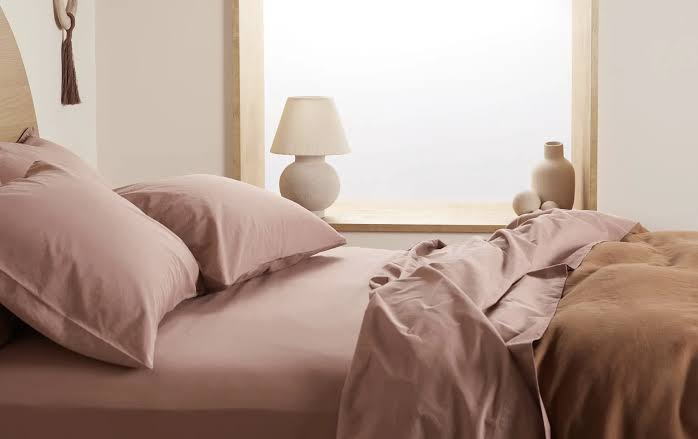
Linen bedding has been having a moment for several years now and Parachute is one of the main reasons. Their linen sheets photograph beautifully — the naturally relaxed texture, the subtle color variation, the effortless look of bedding that seems to have been casually arranged rather than styled. The photos drove a lot of purchases. The question is whether the product lives up to what the photos suggest.
The short answer: it does, with one significant caveat that changes the experience for people who aren’t expecting it.
Parachute linen sheets feel nothing like their photos suggest when you first open the package.
New linen has a stiffness that surprises most first-time linen sheet buyers. The texture is slightly rough rather than soft. There’s a papery quality to the hand that feels wrong if you’re expecting the softened, draped fabric in the lifestyle images. First-time buyers who sleep on Parachute linen the night they arrive and compare the experience to their previous cotton sheets often wonder what the fuss is about.
The fuss is about what linen becomes after five to fifteen washes. Every wash softens the fiber structure. The stiffness releases. The texture transitions from slightly rough to the distinctively comfortable textile that made linen the preferred bedding material for centuries before polyester existed. By wash ten, Parachute linen sheets feel completely different from the unwashed product — softer, more draping, more casually beautiful.
The brand mentions this but not loudly enough. People who return Parachute linen sheets almost always do so before the sheets have been washed enough times to show what they’re actually going to be. The return window is 60 days — enough time to wash the sheets enough times to evaluate them properly if you start using them immediately.
The practical advice: wash Parachute linen sheets three times before sleeping on them for the first real evaluation. Dry on low heat each time. By the third wash, you’re beginning to see what the product is. By wash eight or ten, you’re seeing what it’s going to stay.
Not all linen is the same and the differences are significant enough to matter.
Parachute uses European linen — specifically, flax grown and processed in Portugal. The European linen designation matters because European flax growing conditions — particularly in France, Belgium, and Portugal — produce fiber with specific characteristics that flax grown elsewhere doesn’t consistently replicate. The fiber length, the natural color, and the moisture content at harvest all affect the quality of the resulting textile.
Portuguese weaving adds another quality layer. Portuguese textile mills have a reputation for consistency and quality that reflects centuries of textile tradition and more recent investment in manufacturing infrastructure. The resulting fabric has a consistency in thread density and weave tightness that distinguishes it from linen woven in higher-volume, lower-cost facilities.
The practical result of these inputs: Parachute linen holds up through washing in a way that cheaper linen doesn’t. Lower-quality linen thins over time — the weave loosens, the thread count effectively decreases, and the sheets become fragile within a couple of years of regular washing. Parachute linen gets softer and more beautiful over the same period without the structural degradation.
Linen’s temperature-regulating properties are real and they’re worth explaining specifically because they determine who benefits most from linen bedding.
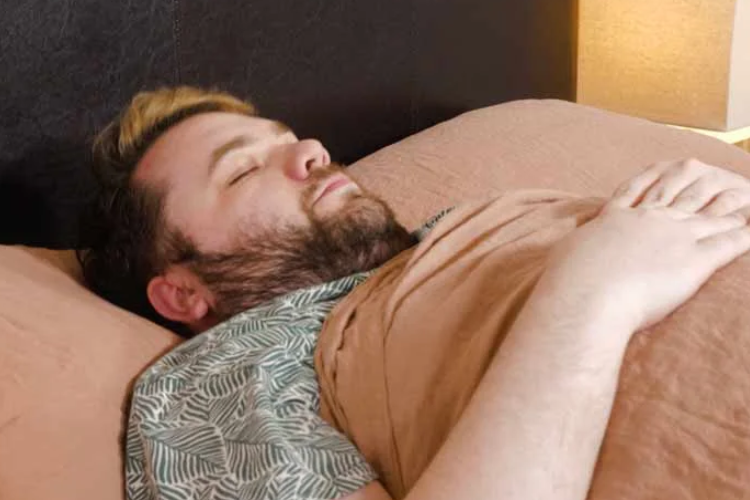
In summer, linen’s natural structure wicks moisture away from the body and the fiber itself conducts heat away from the skin more effectively than cotton. The sensation is cool and dry rather than warm and slightly damp. For hot sleepers or people in humid climates without air conditioning, this is a material difference in sleep comfort.
In winter, linen doesn’t keep you warm the way flannel does — it’s not an insulating material. But it doesn’t create the clammy feeling that some cotton weaves create when you’re in bed and body heat starts to build. A linen sheet under a quality duvet in winter is comfortable rather than too cold — the linen breathes and the duvet provides the warmth.
The true all-season bedding claim that some linen brands make is approximately accurate. Linen isn’t the best choice for people who sleep cold in an unheated room in winter. For everyone else across most climates, it performs across seasons in a way that dedicated summer or winter bedding doesn’t.
The linen versus percale decision comes down to personal feel preference and sleeping temperature.
Percale is crisper and more structured than linen. It’s clean and cool but in a more formal way — the sheet stays smooth under you rather than developing the relaxed, slightly draped quality that linen develops. People who like the feel of a well-made hotel sheet usually prefer percale. People who like bedding that looks casual and lived-in usually prefer linen.
Sateen is warmer and softer than either — appropriate for cold sleepers or for winter-specific bedding rather than year-round use.
For hot sleepers: linen first, percale second, sateen never.
For cold sleepers: sateen first, percale second, linen with a warm duvet.
For average sleepers: personal preference between linen and percale — both are excellent products.
A Parachute linen sheet set paired with their linen duvet cover is the combination that produces the look most people are after when they shop the brand. The sheets and cover soften together over time and develop the same patina — the sheets don’t end up looking significantly different in texture and color from the cover, which keeps the bed looking coherent rather than assembled from parts.
The duvet cover has corner ties that keep the insert anchored — an important feature because a linen duvet cover drapes more loosely than a tightly woven cotton cover, which makes insert migration more likely if the ties aren’t holding it in place. The button closure is clean and durable. The natural color variation between different batches of linen is something to know about — if you’re buying multiple pieces over time, they may be slightly different shades. Parachute’s quality control minimizes this but linen’s natural variation means it’s not always avoidable.
The two most common comparisons in the premium linen sheet space are Parachute versus Brooklinen and Parachute versus Cultiver.
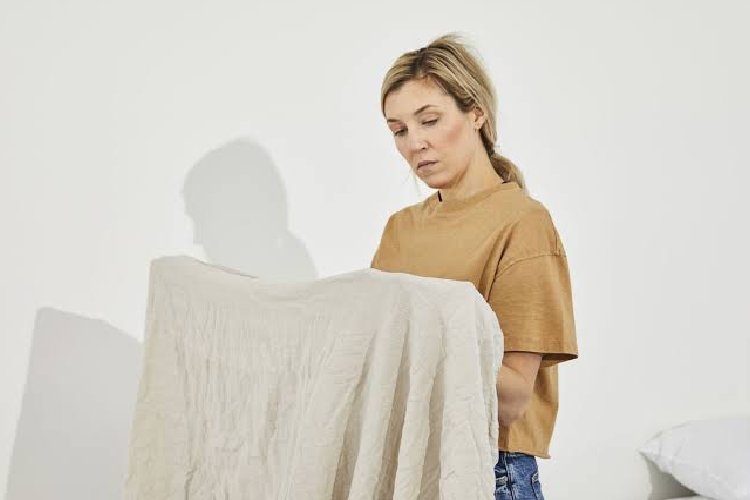
Brooklinen’s linen sheets are a real alternative — comparable quality at similar price points. The hand of Brooklinen linen is slightly different from Parachute linen — not better or worse, but different in the way that two quality linens from different sources have slightly different characteristics. Both soften well with washing, both use European linen. The choice between them often comes down to the colorway you want rather than quality differences.
Cultiver is an Australian brand with distribution in the US that makes arguably the best linen sheets available in the direct-to-consumer space. They’re also more expensive than Parachute. For buyers who want the absolute best linen quality available, Cultiver is worth the additional investment. For buyers who want excellent quality at a more accessible price, Parachute is the better call.
Parachute linen sheets are worth the price for the right buyer. Hot sleepers, warm-climate households, people who prefer the casual aesthetic of linen over the formal crispness of cotton — this is the product for them. The quality holds up through years of washing and the softening process that happens over the first months of use produces a product that most people end up preferring to anything they’ve slept on before.
The wrong buyer for Parachute linen: someone who sleeps cold, someone who wants immediate softness without a break-in period, or someone who wants the formally smooth look of high thread count cotton. Those buyers should look at the percale or sateen options instead.
Wash them before you judge them. Everything good about Parachute linen happens after the first few washes, not on the first night.