
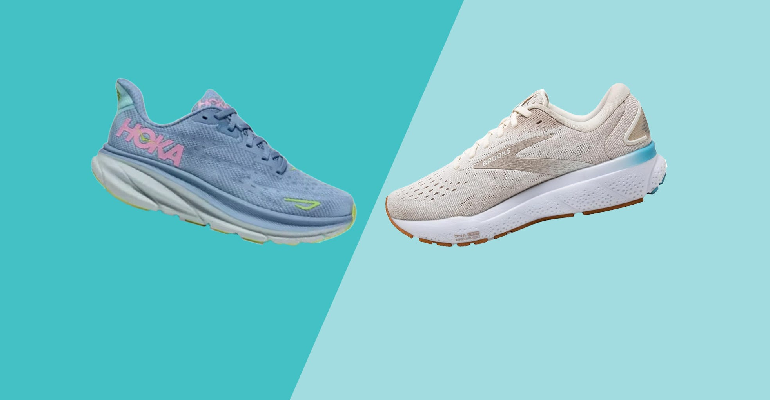
The running shoe landscape in 2026 has never been more technically sophisticated or more confusing to navigate. Hoka and ASICS represent two of the most substantive brands in the category — both with genuine performance credentials, both with clear philosophies about what running shoes should do, and both serving different runner profiles better than the other.
Hoka was founded in 2009 by two former Salomon employees who wanted to develop a shoe that would make trail running easier on the descents — the specific mountain running context where oversized cushioning would absorb impact and maintain momentum. The maximalist cushioning philosophy that produced the first Hoka trail shoes has since been applied across road and lifestyle categories, producing the brand that invented and owns the “maximalist” running shoe category.
ASICS (Anima Sana In Corpore Sano — a sound mind in a sound body) has been producing running shoes since 1949. The brand’s GEL cushioning technology, introduced in 1986, has been refined across decades. ASICS’s specific investment is in understanding biomechanics and engineering shoes that address the specific gait mechanics of different runner types — pronators, supinators, neutral runners, heavy runners, light runners — with engineered solutions rather than universal cushioning.
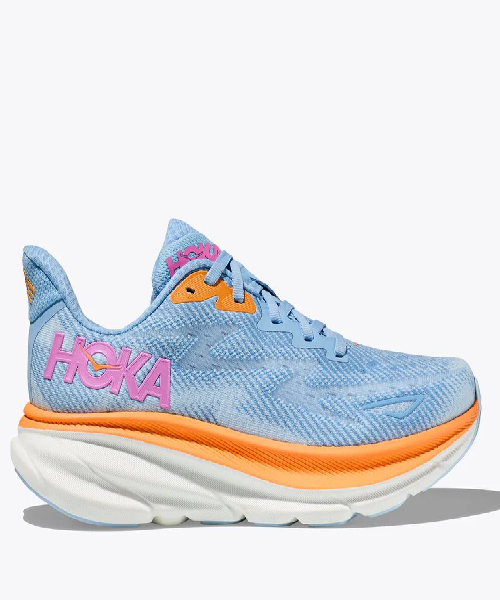
The Clifton is Hoka’s most popular shoe and the entry point recommendation for those new to the brand. The full EVA foam midsole provides the most cushioned underfoot experience available in Hoka’s accessible range without the carbon plate technology of the racing shoes. For runners who log high mileage and want daily training protection, the Clifton’s cushioning platform is the most efficient at the price.
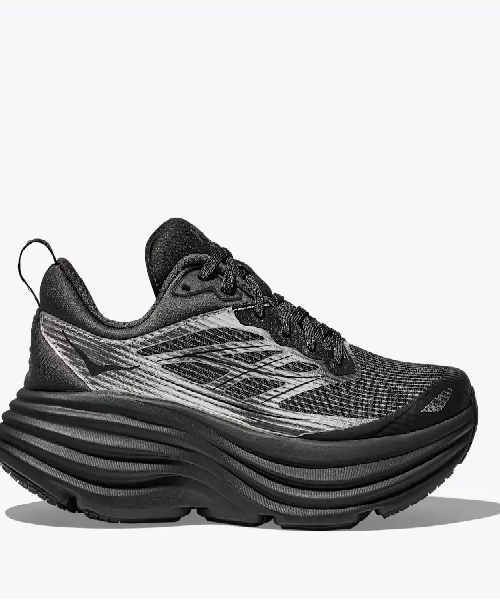
The Bondi is Hoka’s most cushioned road shoe — the highest stack height in the range, the most substantial foam platform. For those who stand for extended periods, walk long distances, or run at slower paces where cushioning matters more than energy return, the Bondi is the Hoka recommendation.
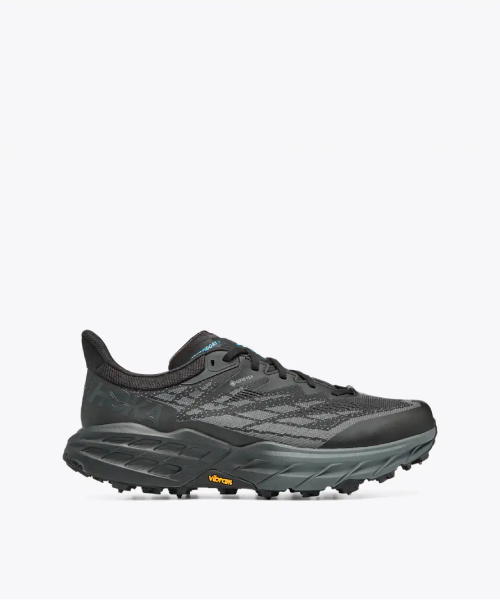
The Speedgoat is Hoka’s trail running signature — the shoe that most directly connects to the brand’s founding purpose of making mountain running more sustainable. For trail runners who want Hoka’s cushioning on technical terrain with reliable grip, the Speedgoat is the category-leading recommendation.
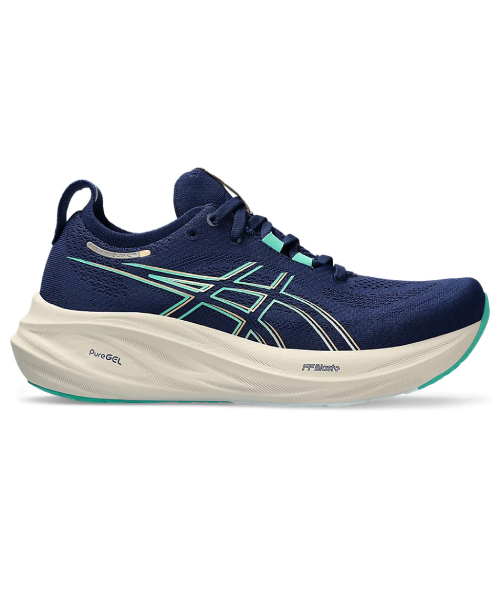
The Gel-Nimbus is ASICS’s premium cushioned daily trainer — the 26th iteration of a line that has been refined for over two decades. The FLYTEFOAM Blast+ midsole adds energy return to the cushioning platform that previous generations’ gel-focused formulations didn’t provide, producing a shoe that addresses both protection and responsiveness.
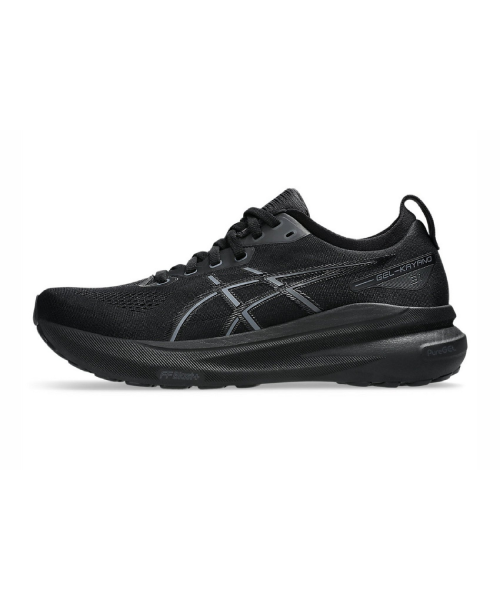
The Kayano is ASICS’s stability flagship — the shoe for runners whose gait analysis shows significant pronation that a neutral shoe doesn’t adequately address. The FF BLAST+ ECCO foam and the LITETRUSS medial post provide the stability structure alongside the cushioning that makes the Kayano the specific recommendation for runners who need both.
Hoka’s core technology: foam stack height (the sheer volume of cushioning material) and the rocker geometry that creates the rolling foot motion that reduces energy expenditure across long distances. The platform width adds stability to the cushioning without requiring the medial post construction of traditional stability shoes.
ASICS’s core technology: GEL cushioning units at specific anatomical locations (heel, forefoot), the FLYTEFOAM platform for base cushioning and energy return, and the biomechanics-informed stability structures that address gait-specific needs. The brand’s specific investment in understanding how different runners’ gaits create different impact patterns — and engineering solutions to each — is more sophisticated than Hoka’s more universal cushioning approach.
Hoka serves better: Runners prioritising maximum cushioning; trail runners; those returning from injury who need impact absorption; walkers and those who stand for extended periods; runners who find conventional stability structures uncomfortable.
ASICS serves better: Runners with specific pronation patterns who benefit from engineered stability; those who want the specific ASICS gel technology at impact zones; runners who prefer a traditional running shoe feel alongside modern cushioning technology; those whose gait analysis specifically recommends stability features.
Both brands have developed lifestyle credibility beyond running. The Hoka Clifton and Bondi are worn extensively as lifestyle sneakers for their distinctive aesthetic. ASICS’s lifestyle lines (the ASICS Tiger range, the Gel-1090) have achieved considerable fashion credibility.
For runners who want the same shoes to serve training and lifestyle contexts: Hoka’s distinctive silhouette has developed a specific cultural position that ASICS’s training shoes haven’t achieved at the same level.
For maximum cushioning and impact protection: Hoka Bondi 8.
For the best daily trainer balancing cushioning and energy return: Hoka Clifton 9 or ASICS Gel-Nimbus 26 — the choice depends on whether the Hoka foam platform or ASICS gel/foam combination feels better to the individual runner.
For stability running shoes addressing pronation: ASICS Gel-Kayano 31 — no Hoka equivalent addresses significant pronation as specifically.
For trail running: Hoka Speedgoat 5.
For lifestyle crossover: Hoka — the aesthetic has developed stronger lifestyle credibility.
The clearest guidance: get a gait analysis from a specialist running retailer. The analysis result determines which ASICS stability category applies, whether a neutral shoe serves adequately, and which specific product within each brand’s range suits the individual’s biomechanics. No product comparison replaces this.