
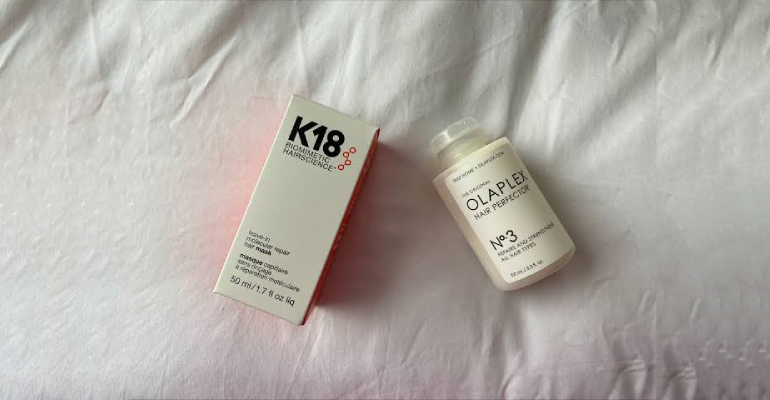
When two professional-grade hair treatments both claim to repair damaged hair at the molecular level, the honest comparison requires understanding not just which performs better but whether the mechanisms are comparable, complementary, or actually different enough to justify buying both.
Olaplex No. 3 Hair Perfector: The active compound is bis-aminopropyl diglycol dimaleate — a synthetic molecule that links broken disulfide bonds in the hair’s keratin protein structure. Disulfide bonds are broken by chemical processes (bleaching, colouring) and by excessive heat. Olaplex’s compound creates new cross-links between broken bond sites, improving structural integrity measurably.
K18 Leave-In Molecular Repair Hair Mask: K18 uses a patented peptide — the K18 peptide — that is designed to penetrate the hair cortex and reconnect broken keratin chains rather than specifically targeting disulfide bonds. The mechanism claims to address a wider range of protein damage than disulfide bond repair alone.
The mechanisms are genuinely different. Olaplex targets disulfide bond repair specifically. K18 targets broader protein chain reconnection. This means the products address overlapping but not identical damage profiles — and both working on the same hair in complementary roles is a real possibility rather than marketing overlap.
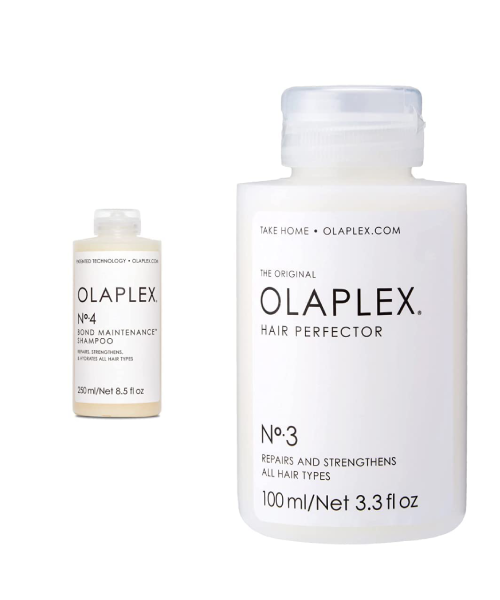
No. 3 is the at-home Olaplex treatment applied before shampooing — a weekly or twice-weekly application that should be left on damp hair for a minimum of ten minutes before rinsing and shampooing. The compound works during the application period; longer application (up to 90 minutes) produces more benefit for heavily damaged hair.
The results are most dramatic on bleach-damaged hair where the disulfide bond breakage from the oxidative process is the primary damage mechanism. Hair that was breaking mid-length begins to withstand combing within two to three weeks of consistent No. 3 use — the measurable improvement in tensile strength is the evidence that the bond-building mechanism is working rather than simply coating.
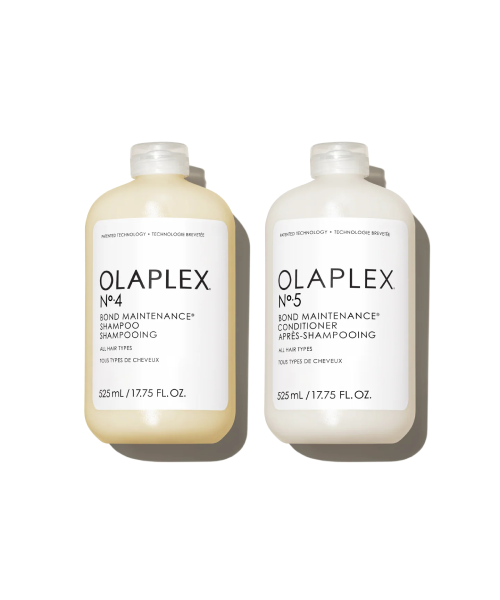
The shampoo and conditioner contain the Olaplex active compound at maintenance concentrations — not the treatment dose of No. 3, but enough to provide ongoing bond support between weekly treatments. The quality as shampoo and conditioner independent of the active ingredient is above mid-market alternatives.
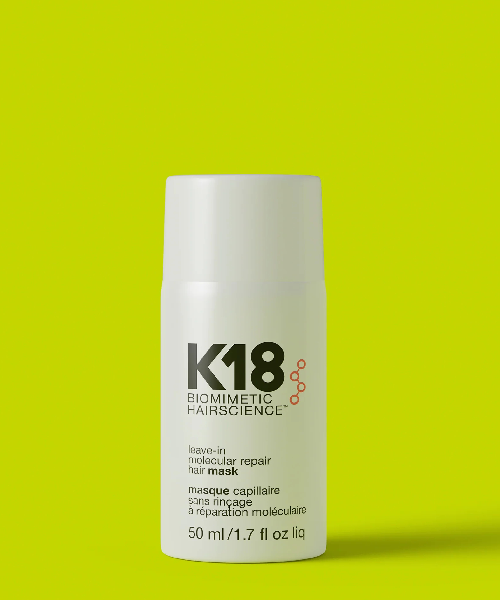
K18’s treatment is applied differently from Olaplex — it’s a leave-in product applied to freshly shampooed hair, left for four minutes, and not rinsed. The peptide is then sealed into the hair with the next styling product. No additional rinsing, no heat required, no extended application time.
The ease of use is K18’s most immediate advantage over Olaplex. The application process is faster, the leave-in format means the product continues working as the hair dries, and the absence of additional steps makes consistent use more likely than treatments requiring specific protocols.
The results on fine and colour-treated hair are where K18’s advantage over Olaplex is most pronounced. K18’s peptide mechanism addresses protein damage in fine hair where the disulfide bond repair of Olaplex is less specifically targeted. Users with fine, colour-treated hair consistently report more dramatic results from K18 than from Olaplex.
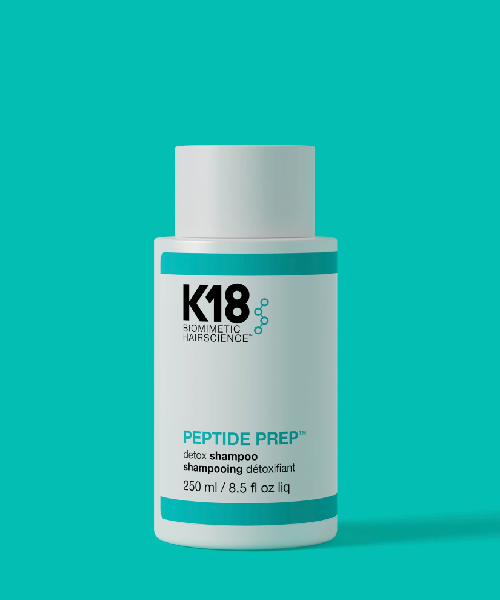
K18 recommends using their detox shampoo before the mask treatment to remove buildup that prevents the K18 peptide from penetrating the hair cortex. This specific preparation step is where K18 requires more investment in the complete system versus Olaplex’s simpler application protocol.
For heavily bleached, significantly structurally damaged hair: Olaplex No. 3 produces the most dramatic and best-documented improvement in tensile strength and reduced breakage. The disulfide bond repair mechanism specifically addresses the damage mechanism of chemical processing.
For fine, colour-treated hair without extreme bleach damage: K18 produces more noticeable results because its broader protein repair mechanism addresses the damage profile of colour-treated fine hair more specifically than Olaplex’s disulfide-focused approach.
For ease of use in a sustainable weekly routine: K18 wins. The four-minute leave-in application is easier to maintain consistently than Olaplex’s minimum ten-minute application before shampooing.
For price value: Olaplex No. 3 at $30 versus K18 at $75 represents a significant price difference with genuinely different use cases and mechanisms. Buying based on the damage profile of the individual’s specific hair rather than the price is the correct decision logic.
For bleach-damaged hair: Olaplex No. 3 is the primary treatment.
For fine, colour-treated hair: K18 is the more targeted treatment.
For the most complete damaged hair care system: use Olaplex No. 3 as the weekly treatment and K18 as the leave-in between applications — the complementary mechanisms produce better results together than either alone.