
The skincare market is the beauty category most successfully designed to produce confusion. The ten-step Korean routines. The ingredient layering hierarchies. The contradictory advice about whether you should apply serums before or after moisturiser, whether vitamin C and niacinamide can be used together, whether SPF counts as moisturiser or requires a separate step. The specific language of skincare — exfoliants, occlusives, humectants, emollients — sounds more like chemistry than beauty, and for a beginner it produces the specific overwhelm that makes buying three products and calling it done feel like the honest choice.
The honest guide to beginner skincare is much simpler than most skincare content acknowledges. Here it is.
Step 1: Cleanser. Removes makeup, SPF, and the day’s accumulated pollution and oil. A gentle, non-stripping cleanser that doesn’t leave the skin feeling tight is appropriate for most skin types. Tight-feeling skin after cleansing indicates a cleanser that has removed the skin’s natural oils as well as the day’s accumulation, which is a sign to switch to something gentler.
Step 2: Moisturiser. Provides hydration and creates the barrier function that prevents moisture loss from the skin’s surface. Most skin types benefit from moisturiser regardless of whether skin appears oily — the skin that produces excess oil is frequently doing so in response to dehydration, and providing external moisture can reduce oiliness over time.
Step 3: SPF (morning only). The most evidence-supported skincare step available. UV exposure is the leading cause of visible skin ageing — fine lines, hyperpigmentation, loss of elasticity. Daily SPF 30 or above prevents the photodamage that expensive serums attempt to address after the fact. Every dermatologist recommends daily SPF without exception. This is the non-negotiable step.
Step 4: (Optional) Treatment serum. Active ingredients — vitamin C, retinol, niacinamide, hyaluronic acid — that address specific concerns. These are the step to add after the three essentials are established habits rather than the starting point they’re often marketed as.
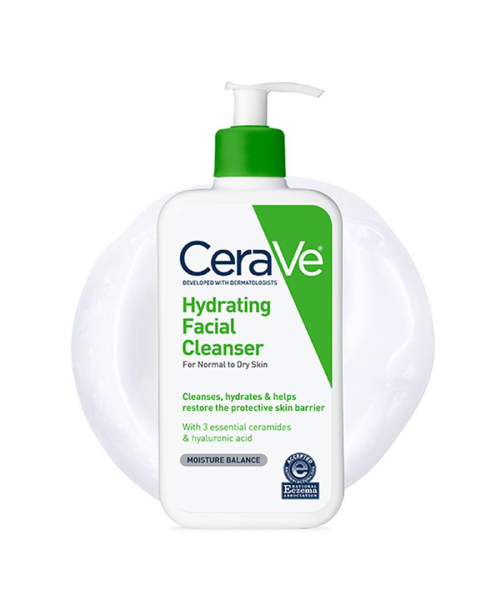
Available at: Boots, Superdrug, Amazon, Waitrose
Best for: Most skin types, particularly combination and dry, as an everyday gentle cleanser.
CeraVe’s Hydrating Cleanser is the dermatologist recommendation that has become the default starting point for beginners and the consistent recommendation of most skincare professionals. The formula uses ceramides (the lipids naturally present in healthy skin barriers) and hyaluronic acid to cleanse without stripping, in a formulation without fragrance or irritating additives.
The price point (£9.50–14) makes it accessible enough to be a daily habit without financial consideration. The effectiveness is consistent across a wide range of skin types. For beginners looking for one cleanser that works without complications, CeraVe Hydrating is the correct starting point.
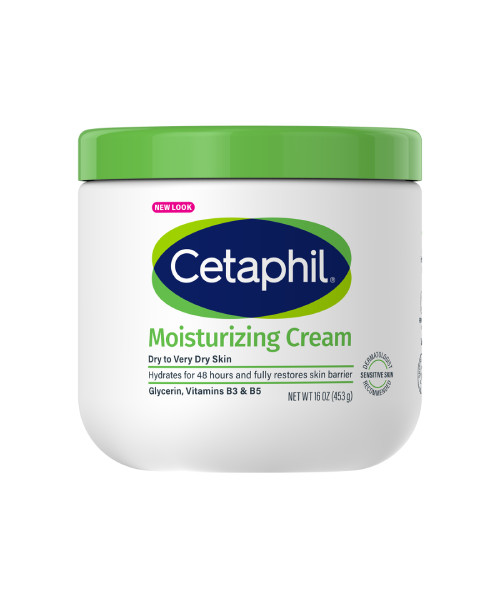
Available at: Boots, Superdrug, Amazon, most pharmacies
Best for: Dry to normal skin types as a reliable, unglamorous daily moisturiser.
Cetaphil is the skincare brand most consistently prescribed by dermatologists for patients with sensitive or compromised skin, and the Moisturising Cream is their most comprehensive moisturiser. The formula provides genuine barrier support without fragrance, colourants, or the unnecessary ingredients that most branded moisturisers include. It’s not exciting and it’s not photographed attractively. It reliably works.
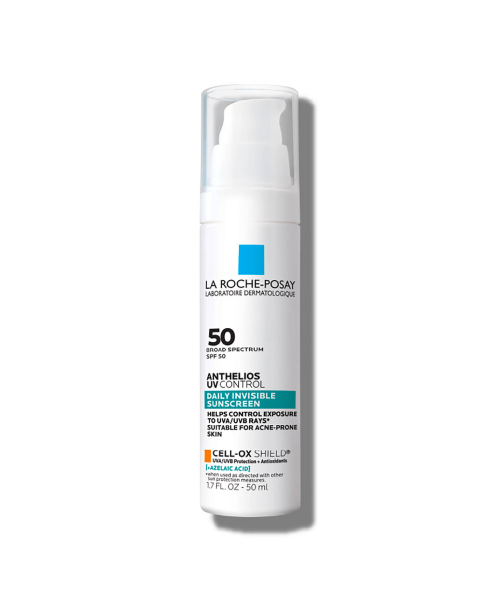
Available at: Boots, Superdrug, Amazon, Waitrose
Best for: Daily SPF that applies cleanly under makeup and provides genuine broad-spectrum UV protection.
La Roche-Posay’s Anthelios range is the SPF recommendation most consistently cited by dermatologists and skincare professionals because the formulation achieves the balance that most sunscreens fail to strike: genuine broad-spectrum protection (UVA and UVB) without the white cast, pilling under makeup, or greasy finish that has historically made daily SPF compliance difficult.
The Fluid Ultra-Light version (SPF 50+) is the specific recommendation for under-makeup use. It applies like a primer, dries quickly, and accepts makeup application without balling.
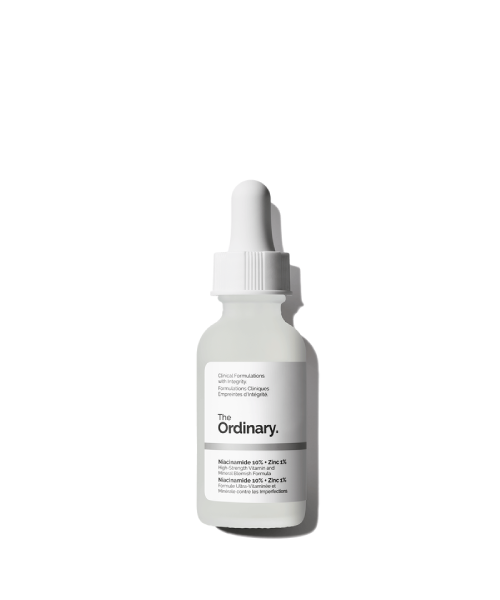
Available at: The Ordinary (theordinary.com), Boots, ASOS
Best for: Those who want to add their first active ingredient after establishing the three-step routine.
The Ordinary’s Niacinamide is the first active ingredient recommendation for beginners because niacinamide is the most broadly applicable, least irritating active ingredient available. It addresses multiple skin concerns simultaneously (pore appearance, oil control, uneven skin tone, barrier function) without the photosensitivity or irritation risk of retinol or the instability of vitamin C.
The £5 price point means trying it before committing to a more expensive active serum is financially uncomplicated. The formulation works consistently across a wide range of skin types and concerns.
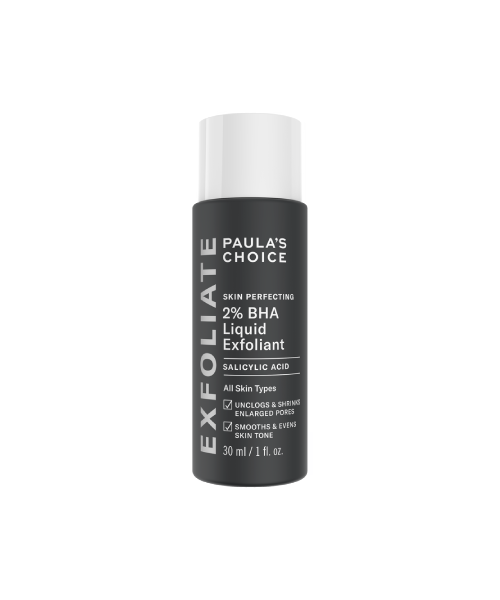
Available at: Paula’s Choice (paulaschoice.co.uk), Beauty Bay
Best for: Those with blackheads, congested pores, and mild breakout concerns who want a chemical exfoliant.
Paula’s Choice BHA (2% salicylic acid) is the chemical exfoliant recommendation for those with congestion or breakout concerns. Salicylic acid is oil-soluble (unlike AHAs which are water-soluble) meaning it can penetrate the sebaceous follicle and dissolve the oil and dead skin cells that produce blackheads and congestion.
This is a specific-concern product rather than a universal recommendation — it’s appropriate for oily and combination skin types with congestion concerns, not for dry or sensitive skin types that don’t have this specific concern.
Morning: cleanser → moisturiser → SPF
Evening: cleanser → (optional active treatment) → moisturiser
Applying SPF after moisturiser produces the most consistent protection because the SPF film sits on top of the moisturiser rather than being diluted into it. Never mix SPF with moisturiser before application — the dilution reduces the protection factor.
Beginner skincare is three steps — cleanse, moisturise, SPF — done consistently, rather than ten steps done occasionally. CeraVe Hydrating Cleanser for the non-stripping gentle cleanse. Cetaphil Moisturising Cream for the reliable barrier moisture. La Roche-Posay Anthelios SPF 50+ for the daily UV protection that is the single most evidence-supported skincare step available. The Ordinary Niacinamide for the first active ingredient addition. And Paula’s Choice BHA for congestion concerns specifically. Establish the three core steps as daily habits before adding actives — the consistency of a simple routine outperforms the occasional use of a complex one every time.