HOME | Fashion | Beauty | Home Furnishing | Comparison | Top Reviews |
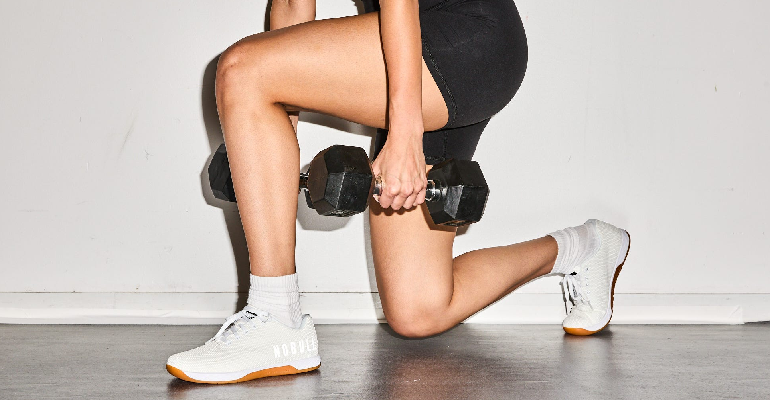
Running shoes are designed to compress. The cushioning that makes them excellent for absorbing impact during running is the same property that makes them dangerous for heavy lifting — a compressible heel creates an unstable base during a squat or deadlift, reducing force transfer into the floor and creating the specific instability that affects both performance and safety under load.
The gym trainer designed for lifting has a firm, non-compressible heel that creates a stable base, a low drop (or zero drop) that keeps the foot position close to flat, and a wide toe box that allows the toes to spread naturally for balance and ground contact. These are the properties that matter for strength training and that running shoes specifically don’t provide.
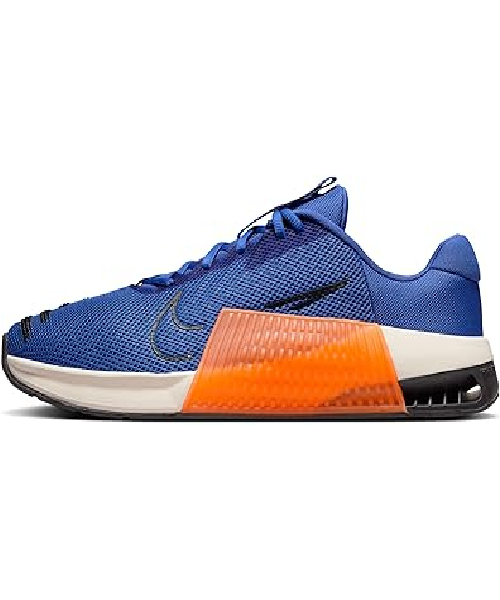
The Nike Metcon 9 is the reference cross-training shoe — used in CrossFit, weightlifting, and general gym training by athletes who need a shoe that handles both lifting and conditioning work without compromising either. The reinforced heel provides the stable, non-compressible base that lifting requires. The flexible forefoot handles jumping, running, and box work during conditioning.
The Hyperlift heel insert (included) is specifically designed for Olympic lifting movements where a heel elevation improves squat depth for athletes with limited ankle dorsiflexion. Removable for movements where flat is better.
The fit is secure through the midfoot, preventing the foot shift during lateral movements that training shoes with looser uppers produce. The upper is durable against rope climbing and floor contact that CrossFit training involves.
Price: $130-140
Available at: Nike directly (nike.com), sporting goods stores
Best for: Those who split training between weightlifting and conditioning work.
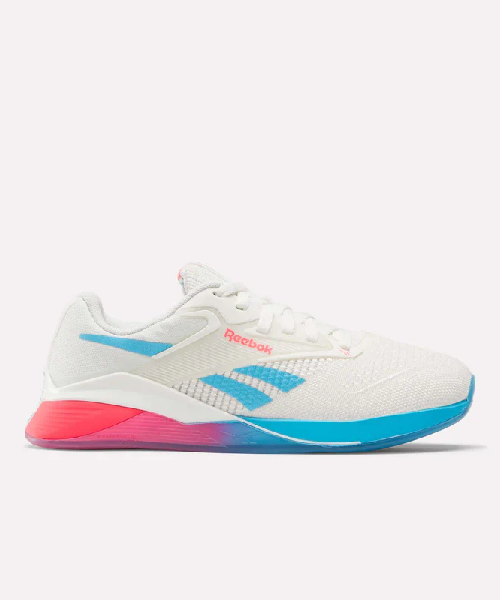
The Reebok Nano X4 provides a slightly different cross-training profile from the Metcon — a softer feel overall that suits longer training sessions where the Metcon’s firmness becomes fatiguing, alongside a more generous toe box that suits wider feet.
The heel stability is comparable to the Metcon for most lifting applications. The Flexweave upper is more breathable. The overall feel is slightly less aggressive, which is either a benefit (more comfortable for extended wear) or a limitation (slightly less specific performance at the extremes of heavy lifting or intensive conditioning).
Price: $120-135
Available at: Reebok directly (reebok.com), sporting goods stores
Best for: Those who find the Metcon too rigid for extended training sessions or need a wider toe box.
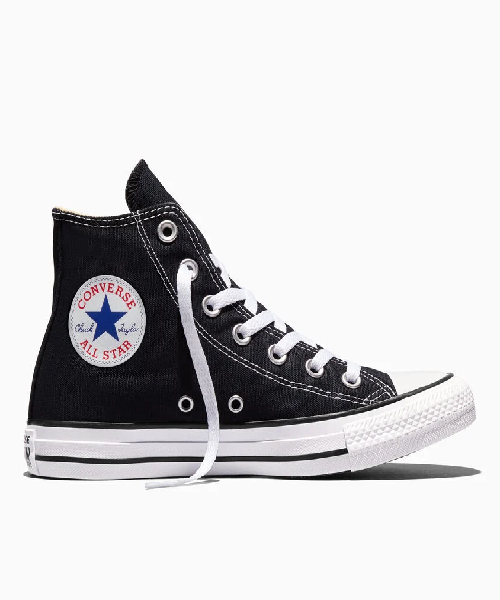
The Converse Chuck Taylor is the powerlifter’s shoe — zero heel drop, completely flat and non-compressible sole, and complete stability under maximum load. Powerlifters have worn Converse for decades for the same reason they remain relevant: the flat, hard rubber sole provides the most stable possible platform for maximum squat and deadlift weights.
The Chuck Taylor is not appropriate for conditioning work, running, or plyometric training — the sole provides no cushioning and the upper provides minimal support for lateral movement. As a dedicated lifting-only shoe worn exclusively during strength training sessions, it is the most technically appropriate choice for powerlifters.
Price: $65-75
Available at: Converse directly (converse.com), Foot Locker, Sports retailers
Best for: Dedicated powerlifters who want a flat, firm sole for maximum stability under heavy loads.
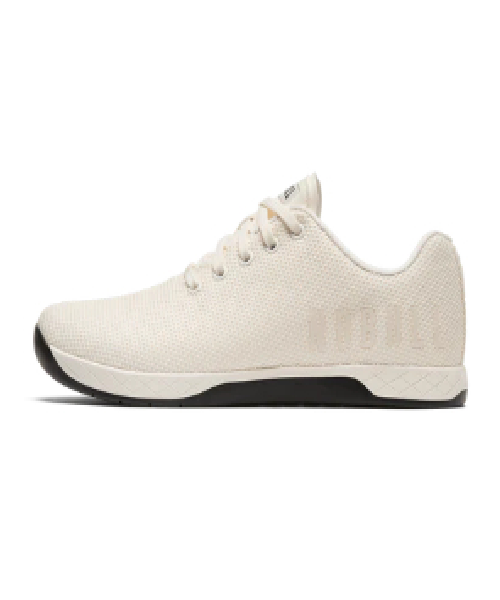
NoBull has built a following in the CrossFit and strength training community that’s based on both genuine product quality and a deliberately minimal aesthetic that appeals to the community’s identity. The SuperFabric upper is the most puncture-resistant and abrasion-resistant training shoe upper available — relevant for rope climbing and floor contact that other upper materials don’t handle as well.
The heel is stable for lifting. The forefoot is flexible for conditioning. The overall performance profile is comparable to the Metcon at a similar price point, with the primary differentiation being the aesthetic direction (more minimal and design-forward) rather than performance difference.
Price: $129-149
Available at: NoBull directly (nobullproject.com)
Best for: Those who want cross-training performance in a more minimal, design-forward aesthetic.
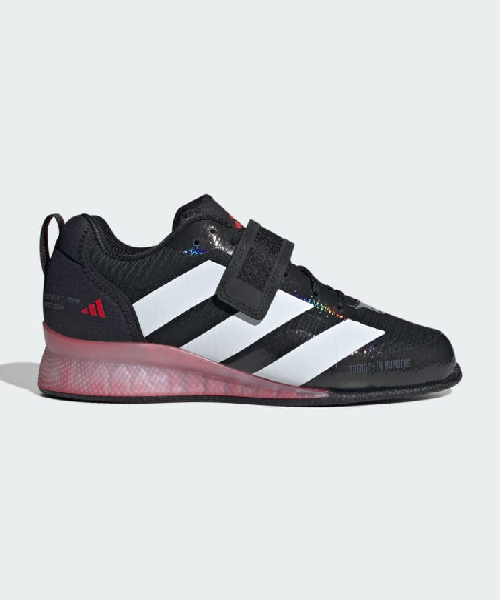
The Adidas Adipower is the Olympic weightlifting shoe reference — a 15mm wooden heel raise that provides the ankle angle required for deep squat positions in the snatch and clean and jerk, in a fully rigid construction that transfers every pound of force directly into the platform.
This is a single-purpose shoe — it is correct for Olympic lifting and unsuitable for anything else. The raised heel makes walking and conditioning movements awkward, and the rigid construction provides none of the flexibility that cross-training shoes require.
For those whose training is primarily Olympic lifting, the Adipower is the correct equipment choice and the difference in performance is immediately apparent compared to cross-training shoes used for the same movements.
Price: $200-220
Available at: Adidas directly (adidas.com), weightlifting specialty retailers
Best for: Dedicated Olympic weightlifters who want maximum performance in the snatch and clean and jerk.
The shoe that matches the training produces better results and greater safety than the wrong shoe used out of familiarity. Nike Metcon 9 is the cross-training standard for those who mix lifting and conditioning. Reebok Nano X4 provides a slightly more comfortable alternative for the same training profile. Converse Chuck Taylor is the powerlifting specialist at the most accessible price. NoBull offers cross-training performance in a more design-forward package. And Adidas Adipower is the Olympic lifting specialist for those whose training demands it. Whatever you choose, not using running shoes for heavy lifting is the most important decision — the stability difference is immediately felt and the performance difference accumulates across every session.