HOME | Fashion | Beauty | Home Furnishing | Comparison | Top Reviews |

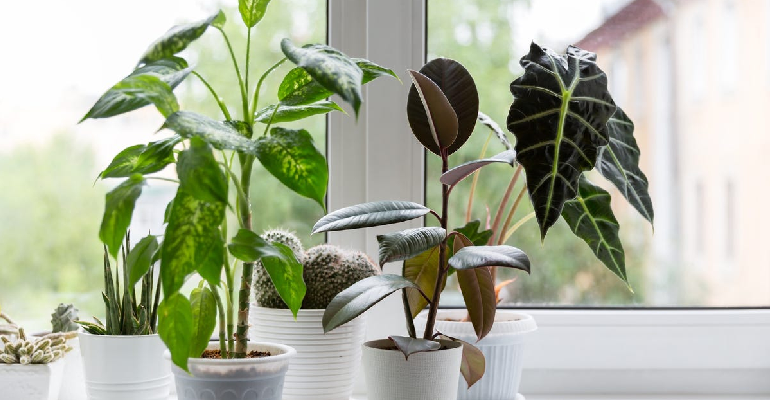
The plant-killing experience is more universal than plant content suggests. The beautifully photographed plants in editorial, the lush green corners of interior design accounts, the overflowing windowsills of plant people — these create the impression that keeping plants alive is natural and easy. For most people, it requires at least some learning and several failures before it becomes either.
The failures are almost always caused by the same thing: the wrong plant in the wrong conditions. A succulent in a north-facing window with insufficient light. A peace lily in direct summer sun. A fern in the dry air of a centrally heated apartment. These plants don’t fail because of neglect — they fail because the conditions don’t match the plant’s requirements, regardless of care.
Matching the plant to what you can actually provide — not the light you wish you had, not the watering schedule you intend to maintain — is the only thing that determines whether a beginner plant succeeds.
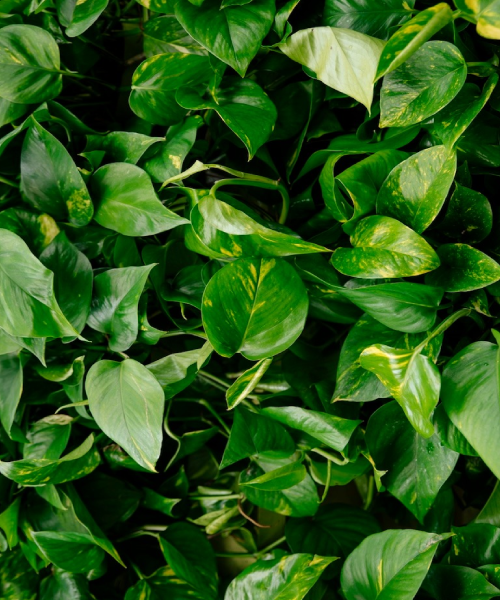
The Pothos is the plant I recommend first, last, and most insistently to anyone who has killed plants before and wants to try again. The reason is specific: the Pothos communicates its needs visibly, tolerates an extraordinary range of conditions, and recovers from neglect that would kill most other plants.
The visible communication: Pothos leaves droop slightly when the plant needs water. This is not a subtle signal — it’s an obvious, visible change in the plant’s posture that’s immediately noticeable. Watering at this point and the plant recovers within hours. This feedback loop is the most useful thing a beginner plant can offer, because learning when to water is the skill that most beginners lack and most plants don’t teach directly.
The condition tolerance: Pothos grows in low light, medium light, and bright indirect light. It tolerates irregular watering, both underwatering (to the point of drooping, from which it recovers) and occasional overwatering. It grows in normal apartment air conditions including the dry air of central heating that many tropical plants find difficult. It grows quickly, which provides positive feedback that encourages the relationship with the plant.
The trailing habit creates a beautiful visual effect when given vertical space — the vines cascade down from shelves, over furniture, or from hanging planters in a way that suggests the effortless plant abundance of editorial photography. The Golden Pothos (green with yellow variegation), the Marble Queen (green and white), and the Neon (bright chartreuse) are the varieties most widely available and most visually interesting.
Care: water when the top inch of soil is dry, provide indirect light of any intensity, feed monthly with a liquid fertilizer during spring and summer.
Where to buy: The Sill, Bloomscape, Patch Plants (UK), most garden centers and hardware stores
Price: $10-30 depending on size
Best for: Every beginner without exception.
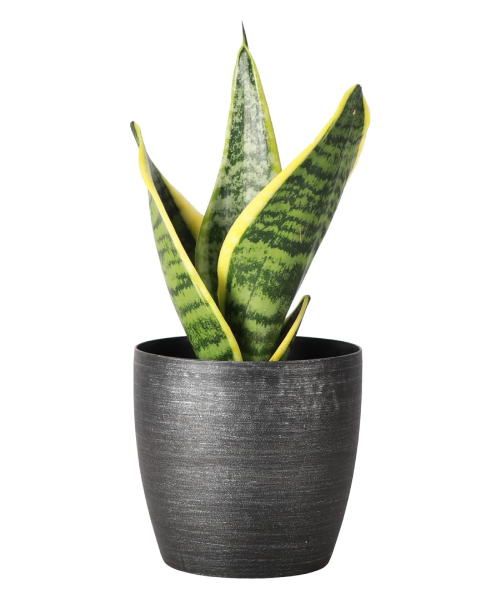
The Snake Plant is the correct answer for anyone who travels regularly, is genuinely very busy, or is honest about not wanting to think about a plant more than once every two to three weeks. The plant stores water in its thick, upright leaves and can survive extended periods without watering without visible distress.
The architectural quality of the snake plant — the upright, structured form of the leaves, the clean lines — makes it look more designed than most plants. It reads as a deliberate design decision in a room rather than something placed out of default. The varieties vary from the classic green with yellow margin (Laurentii) to the darker, more uniform Zeylanica to the compact Bird’s Nest form that suits smaller spaces.
The snake plant is one of the few indoor plants that processes carbon dioxide and releases oxygen at night rather than during the day, making it a genuinely sensible bedroom plant choice beyond the fact that it’s beautiful.
Care: water when the soil is completely dry — every two to four weeks in summer, every six to eight weeks in winter. Tolerates low light though grows more slowly in it. Do not overwater — this is the only way to kill a snake plant reliably.
Where to buy: The Sill, Bloomscape, IKEA (seasonal availability), garden centers
Price: $15-45 depending on size
Best for: Those who want a low-maintenance, architectural plant that survives infrequent watering.
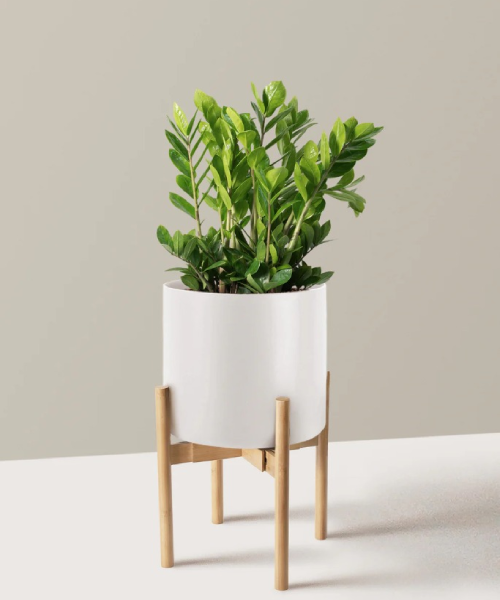
The ZZ plant stores water in its rhizome root structure — the bulbous roots beneath the soil that you can see if you remove the plant from its pot — and uses this storage to survive extended dry periods with no visible stress. This is the plant for bright conditions where other succulents have failed because of insufficient light.
The dark, glossy leaves are genuinely beautiful — they look like they’ve been polished, which they haven’t, and the sheen is the plant’s natural leaf surface. In indirect light, the leaves catch ambient light in a way that makes the plant look more vibrant than most indoor plants.
The growth rate is slow, which is either a limitation (you won’t notice rapid progress) or a feature (it won’t outgrow its pot quickly and require frequent repotting). The compact form makes it suitable for smaller spaces.
Important note: the ZZ plant is toxic to cats and dogs if ingested. This matters for households with pets that eat plants.
Care: water every three to four weeks, tolerates low to medium indirect light, never allow to sit in water.
Where to buy: The Sill, Bloomscape, Patch Plants (UK)
Price: $20-50 depending on size
Best for: Those in brighter spaces who want extreme drought tolerance.
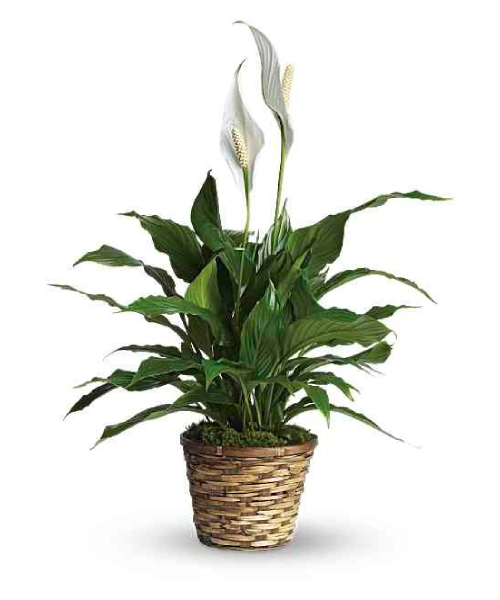
The Peace Lily is the flowering plant that tolerates the lowest light conditions of any commonly available indoor flowering plant. The white flowers (technically spathes — the white structure is a modified leaf rather than a flower) appear against the dark green foliage and produce an elegant visual contrast that purely foliage plants don’t offer.
The peace lily’s communication method is the same as the pothos — it droops visibly when thirsty, recovers within hours of watering. This makes it forgiving for beginners who are learning to recognize when watering is needed.
The plant also produces small amounts of fragrance from the actual flowers (the yellow spadix inside the white spathe), which is a bonus for anyone who wants both visual and olfactory interest from indoor plants.
Care: water when leaves droop slightly, provide indirect light of low to medium intensity, keep away from direct sun which burns the leaves.
Where to buy: Most garden centers, Bloomscape, local florists
Price: $15-40 depending on size
Best for: Those who want a flowering plant that tolerates low light.
The Sill is the online plant retailer worth knowing about for beginner plant buyers because the brand has built its model specifically around making plant ownership accessible to people who don’t have existing plant knowledge. Every plant comes with specific care instructions for the variety purchased, plants arrive in appropriate soil and containers, and the customer service actively helps when a plant isn’t thriving.
The delivery packaging is the most consistently reviewed aspect of The Sill’s service — plants arrive in protective packaging that prevents transit damage in a way that most online plant retailers haven’t solved. Dead or damaged on arrival plants are replaced without friction.
The price point is slightly above the local garden center equivalent for the same species, but the reliability of the care information and the customer service makes the premium worthwhile for beginners who are more likely to succeed with accurate species-specific guidance.
Website: thesill.com
Best for: US-based buyers who want the most reliable online plant buying experience with genuine support.
The plants that succeed for beginners are not the plants with the most interesting appearance — they’re the plants whose care requirements match what beginners can realistically provide. The Pothos is the universal recommendation because it’s beautiful, communicates directly, and tolerates almost everything. The Snake Plant is the answer for genuine neglect tolerance. The ZZ Plant handles drought in brighter conditions. And the Peace Lily brings flowering beauty to low-light spaces. Start with one of these, understand how it behaves, and let the success with that plant guide what comes next. The confidence that comes from keeping one plant alive is the foundation of every thriving plant collection.