HOME | Fashion | Beauty | Home Furnishing | Comparison | Top Reviews |
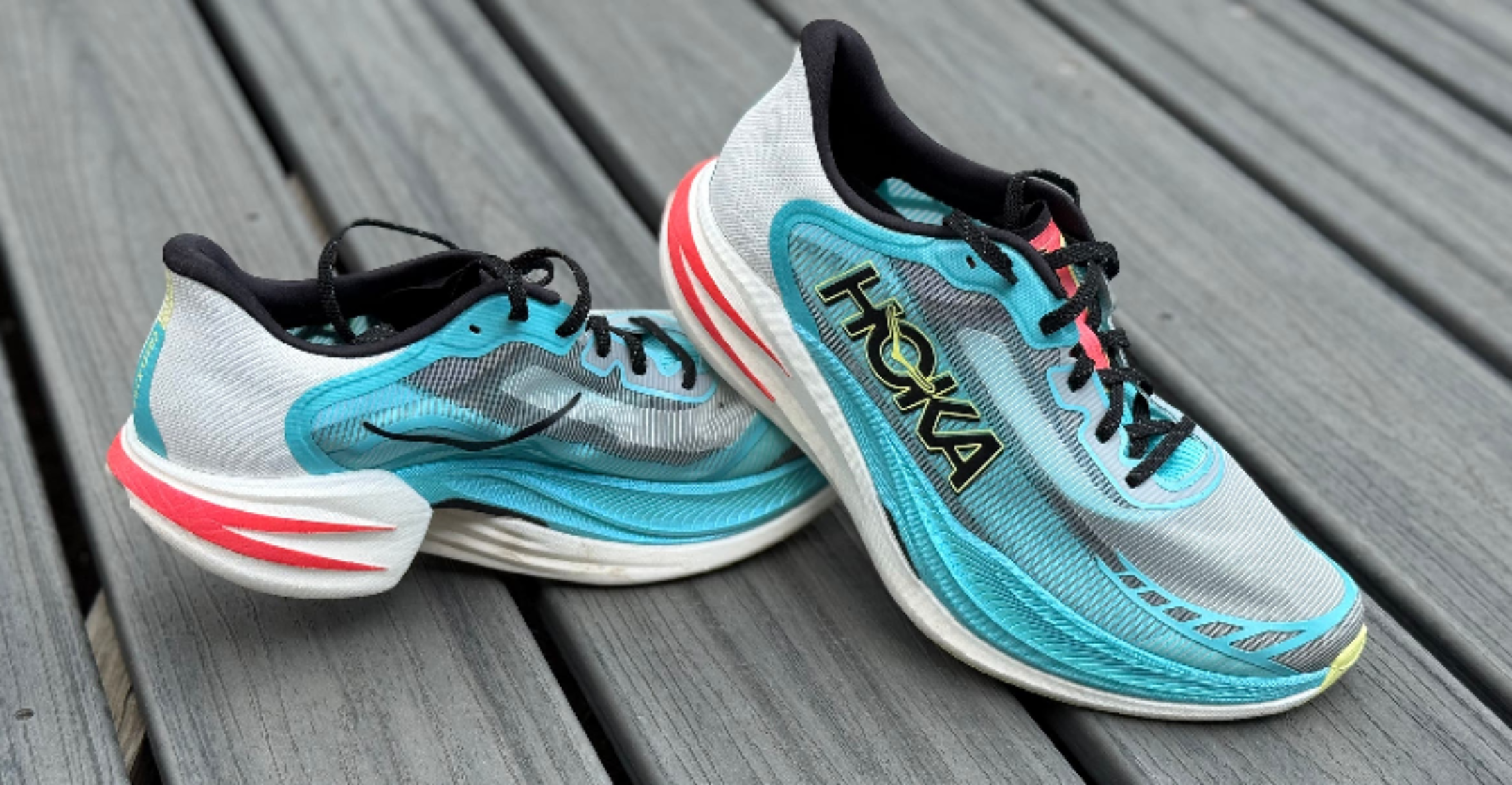
Running shoe selection is the category where generic recommendations do the most harm. “The best running shoe” doesn’t exist — the best running shoe is the one that suits your specific foot shape, your specific gait pattern, your specific weekly mileage, and the specific surfaces you run on. A shoe that’s excellent for one runner causes injury in another wearing the same pair.
Understanding the basic variables — foot type, gait, terrain, distance — is the prerequisite for using any recommendation list sensibly. What follows accounts for these variables rather than pretending one shoe suits everyone.
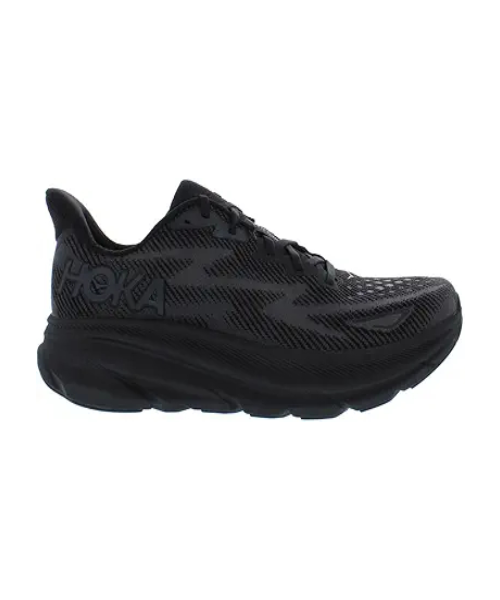
HOKA built their reputation on maximum cushion shoes that felt ridiculous when they launched (the thick sole was genuinely unusual) and that have become the training shoe choice of elite runners for recovery days because the cushioning reduces muscular fatigue over long runs. The Clifton 9 is the flagship daily trainer — softer than their Mach or Rocket X race shoes, designed for the comfortable miles that make up the majority of most training plans.
The foam is genuinely soft — not just thicker than other shoes but softer in a way that’s immediately felt. The curved geometry (the rockered sole) promotes a rolling gait that reduces the effort of each stride and the impact on joints. For runners who develop knee or hip issues on standard-cushioned shoes, the HOKA Clifton frequently resolves these problems through cushioning that distributes impact differently.
The weight is lighter than the cushioning suggests — HOKA’s foam technology produces softness at lower weight than traditional EVA foam, which means the shoe doesn’t feel like wearing pillows despite the visual impression.
Price: $140-150
Available at: HOKA directly (hoka.com), Running stores, Amazon
Best for: Beginners, recovery runs, and those who need maximum cushioning for joint protection.
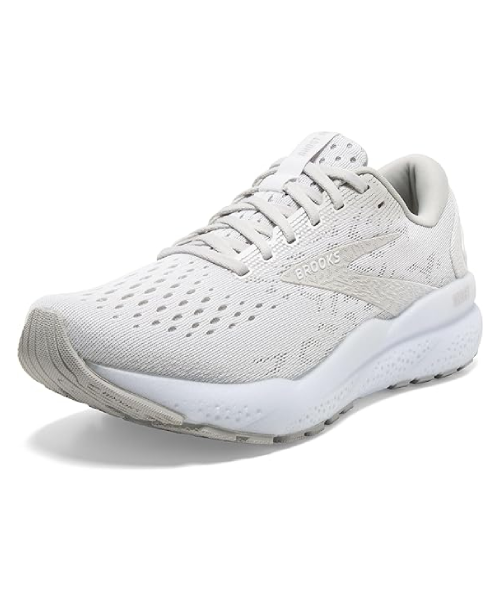
The Brooks Ghost has maintained its position as the most broadly recommended neutral daily trainer for over a decade. The DNA LOFT v2 cushioning provides a balance of cushioning and responsiveness that suits most neutral gait runners at most distances without being specifically optimized for any single use case.
This universality is the Ghost’s defining quality — it doesn’t do any single thing exceptionally but does every training shoe thing well. Cushioned enough for longer runs, responsive enough for tempo runs, stable enough for the range of paces a typical training week involves. For a runner who wants one shoe for most training situations without owning a shoe wardrobe, the Ghost is the answer.
The upper fits a wide range of foot shapes without the narrow constraint of performance-oriented trainers. The heel counter provides support without rigidity. The shoe breaks in within the first three to four runs rather than requiring weeks of adaptation.
The upper fits a wide range of foot shapes without the narrow constraint of performance-oriented trainers. The heel counter provides support without rigidity. The shoe breaks in within the first three to four runs rather than requiring weeks of adaptation.
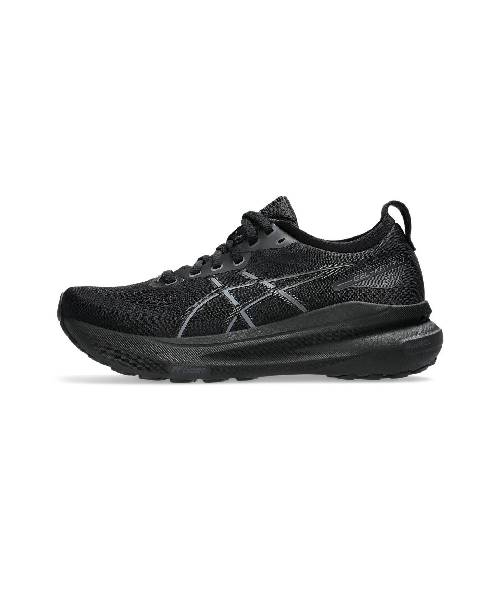
The ASICS Gel-Kayano has been the stability shoe reference for overpronating runners for over thirty years. Overpronation — the inward rolling of the foot during the running gait — is the most common gait deviation in recreational runners and the one most associated with knee, hip, and lower back issues when unsupported.
The Gel-Kayano 31 uses ASICS’s 4D Guidance System and LITETRUSS technology to provide medial post support that limits excess pronation without over-correcting the gait. The gel cushioning at heel and forefoot provides impact absorption across the foot strike pattern.
For runners who have been told they overpronate or who notice medial (inside edge) wear on their current shoes, a stability shoe like the Kayano is the appropriate category — and among stability shoes, the Kayano’s reputation for combining support with comfort over long distances is consistent across decades of use.
Price: $160-175
Available at: ASICS directly (asics.com), running stores, Amazon
Best for: Overpronating runners who need stability alongside cushioning.
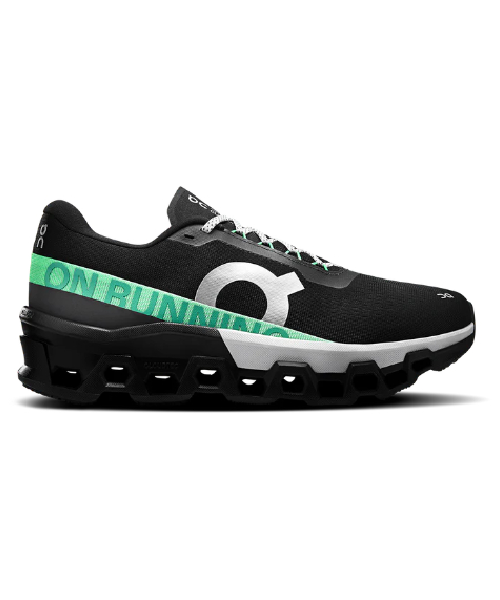
The On Cloudmonster 2 occupies the position between performance running shoe and lifestyle shoe — it looks more interesting than a standard neutral trainer and performs well enough for most casual runners while remaining visually appropriate in non-running contexts.
The CloudTec sole — individual rubber pods that compress on heel strike and release at toe-off — provides the specific cushioning that On is known for, in a shoe that looks considerably more fashion-forward than the HOKA or Brooks alternatives. For the runner whose shoes are as visible off the track as on it, the Cloudmonster balances performance and appearance in a way that purely performance-focused alternatives don’t attempt.
The performance comparison with the HOKA and Brooks: slightly less cushioning than the Clifton 9, slightly less universally fitting than the Ghost, but sufficiently capable for runs up to half marathon distance for most recreational runners.
Price: $170-185
Available at: On Running directly (on-running.com), Nordstrom, Amazon
Best for: Casual and recreational runners who want running shoes that work outside the running context as well as in it.
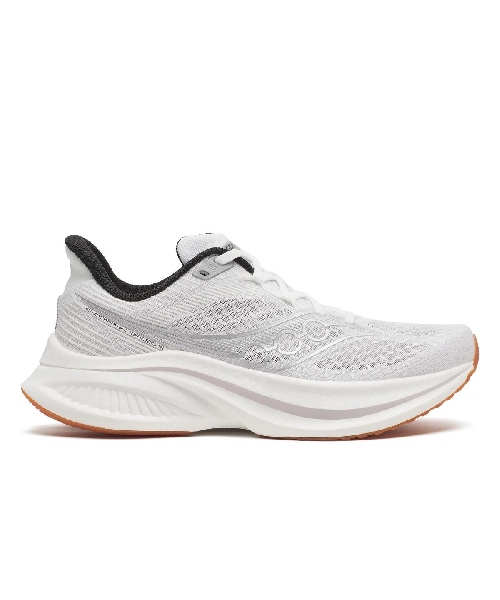
The Saucony Endorphin Speed is the shoe for runners who are ready to progress beyond daily trainers and want performance footwear that can support faster running. The carbon-fiber plate embedded in the midsole provides the propulsive energy return that pushes each stride forward — the specific technology that produced the marathon world records of recent years and that has filtered into accessible performance running shoes.
The difference in running a fast mile in the Endorphin Speed versus a standard daily trainer is immediately perceptible — the shoe actively assists the toe-off in a way that passive cushioning shoes don’t. For tempo runs, race preparation, and any session where running speed is the objective, a plated performance shoe produces meaningfully better results.
The Endorphin Speed 4 is specifically the daily-trainable version of this technology — the previous version was race-day only due to foam durability. The Speed 4 can be used for most training runs while the more aggressive Endorphin Pro is reserved for racing.
Price: $165-185
Available at: Saucony directly (saucony.com), running stores
Best for: Recreational runners who want to improve speed and are ready for a performance training shoe.
Get a gait analysis. A running store that offers gait analysis (most specialist running stores do) will observe how your foot strikes the ground and rolls through the gait and recommend the appropriate category — neutral, stability, or motion control. This ten-minute service is free and more informative than any online quiz.
Replace every 400-500 miles. Running shoe midsoles compress over mileage and lose their cushioning before visible wear appears on the outsole. Tracking mileage (most running apps do this automatically) and replacing on schedule prevents the specific injuries associated with compressed midsoles.
Try in the afternoon. Feet swell slightly throughout the day and are at their largest in the afternoon. Trying running shoes in the morning means buying a shoe that may feel tight during afternoon and evening runs.
The right running shoe is the one matched to how you run, not to what’s most popular or most reviewed. HOKA Clifton 9 is the cushioning choice for joint protection and comfortable miles. Brooks Ghost 16 is the universal daily trainer that suits most runners for most runs. ASICS Gel-Kayano 31 is the support answer for overpronating runners. On Cloudmonster 2 serves the lifestyle runner who wants appearance alongside performance. And Saucony Endorphin Speed 4 is the performance choice for runners focused on improving their speed. Whatever you choose, get the gait analysis first — the most expensive shoe in the wrong category for your gait produces worse results than the most affordable shoe in the right one.