HOME | Fashion | Beauty | Home Furnishing | Comparison | Top Reviews |
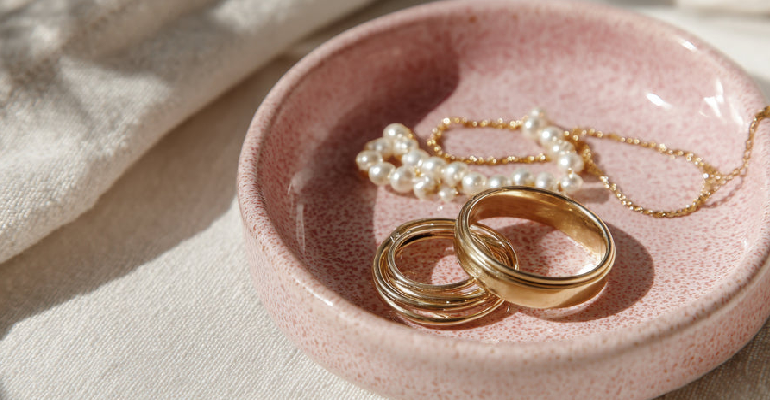
Most jewelry deteriorates faster than it needs to. The tarnishing, the plating wear, the chain kinks, the stone settings that loosen — most of these failures are either preventable or significantly delayable with appropriate care habits. The jewelry that’s passed down through generations was cared for. The jewelry that tarnishes within six months was either poor quality to begin with or not cared for appropriately.
Chlorine is the most damaging environmental factor for most metals. Pool water and hot tubs contain chlorine concentrations that react with metals — including gold alloys — and degrade them chemically. Remove all jewelry before swimming in chlorinated water, without exception. This single habit extends jewelry life dramatically.
Sweat contains salts and acids that react with metals and accelerate tarnishing. For silver specifically, sweat is a significant tarnishing accelerator. Removing fine jewelry before exercise and wiping pieces with a soft cloth after any significant sweat exposure extends life considerably.
Perfume, hairspray, and lotion applied directly to jewelry — or to skin immediately before putting on jewelry — leaves residue that builds up and accelerates degradation of both metals and stones. The sequence: apply all products first, let them dry or absorb, then put on jewelry. “Last on, first off” is the rule most frequently cited in jewelry care contexts.
Ultrasonic cleaners clean effectively but are not appropriate for all jewelry. Stones with inclusions (emeralds, opals, turquoise), glued settings, plated pieces, and pearls can all be damaged by ultrasonic cleaning. Save ultrasonic cleaning for solid gold and diamond jewelry specifically.
Silver: a silver polishing cloth (anti-tarnish treated cloth, $5-10) is the easiest maintenance. For heavier tarnish: a paste of baking soda and water applied with a soft toothbrush, rinsed thoroughly, and dried immediately. Do not use baking soda on silver with stones — it can damage certain stone surfaces.
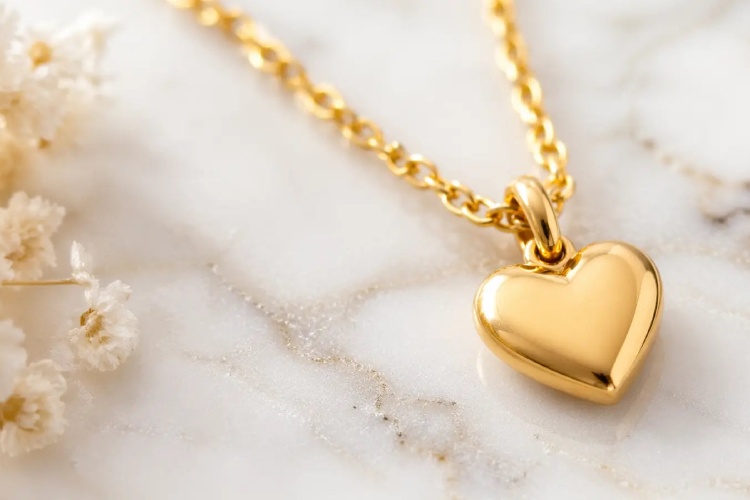
Gold: warm water, a drop of dish soap, a soft toothbrush for any detail work, rinsed and dried. Solid gold doesn’t tarnish but accumulates soap residue, skin oils, and product buildup that dulls the appearance. Monthly cleaning maintains the shine.
Pearls: a soft damp cloth only. No soap, no chemicals, no ultrasonic cleaner. Pearls are organic and porous — they absorb chemicals and are damaged by most cleaning products. Store pearls separately because the surface is soft enough to be scratched by contact with metal jewelry.
Gold-plated and gold-fill: clean with a soft damp cloth only, no soaps, no chemicals that could wear the plating faster. The goal is to remove surface residue without adding any chemical action that reduces the plating thickness.
Individual storage is the most impactful storage change for most jewelry collections. Jewelry stored together — in a tangled pile, in a shared box — scratches itself, kinks chains, and loses earring backings. Each piece or each pair stored separately, in a small pouch, a compartmentalized box, or hanging on a hook, prevents most of the physical damage that comes from jewelry being stored in contact with other jewelry.
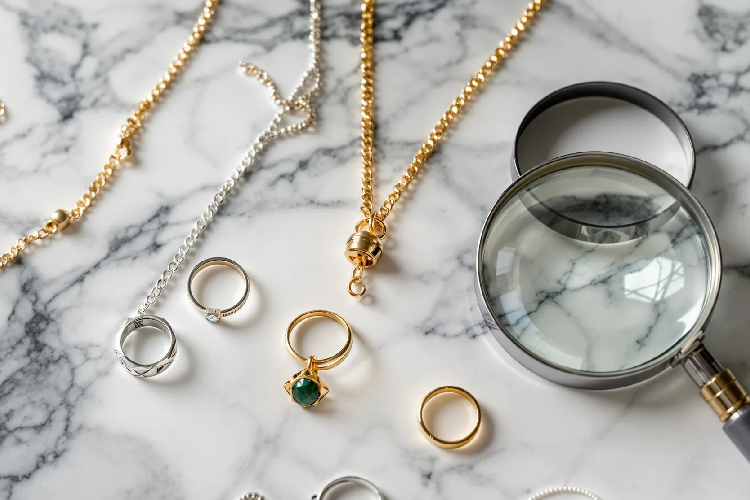
Airtight storage for silver specifically reduces the rate of tarnishing significantly because tarnishing is an oxidization process — reducing oxygen exposure slows it. Anti-tarnish strips (available in bulk, $10-15 for a large supply) placed in silver storage containers absorb the sulfur compounds that cause tarnishing.
Humidity accelerates tarnishing in silver and can damage certain stones (opals particularly are sensitive to humidity changes). Storing jewelry away from bathrooms and high-humidity areas extends its life.