HOME | Fashion | Beauty | Home Furnishing | Comparison | Top Reviews |

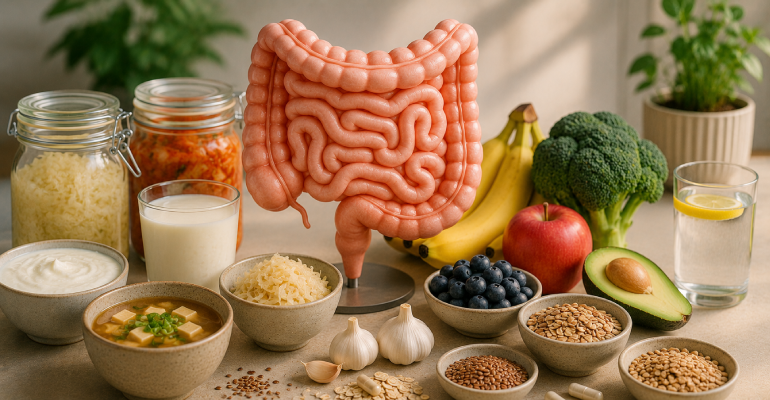
Gut health content has a misinformation problem that’s serious enough to warrant addressing before anything else. The category online is dominated by influencers selling probiotic supplements, elimination diets, and “leaky gut” protocols that range from unsupported to actively counterproductive. The microbiome research that underlies the legitimate interest in gut health is genuinely exciting and genuinely complex, and it’s being simplified and monetized in ways that don’t accurately reflect what the science says.
What follows is the evidence-based version. Which means it’s less dramatic and less monetizable than most gut health content, but more likely to actually help.
The human gut contains approximately 38 trillion microorganisms — bacteria, viruses, fungi, and others — whose collective genetic material exceeds the human genome in volume. This community, the gut microbiome, influences digestion, immune function, the production of certain vitamins and neurotransmitters, and potentially mood and cognitive function (through the gut-brain axis, a bidirectional communication pathway).

The research is genuine and the clinical implications are growing. However: the microbiome is complex enough that most interventions produce modest and variable results rather than dramatic consistent improvements. The “fix your gut, fix your life” content significantly overstates what current science supports.
Dietary fiber is the most consistently evidence-supported gut health intervention. The gut microbiome is fed by fiber from plant foods — the indigestible components of vegetables, fruits, legumes, and whole grains that reach the large intestine intact and are fermented by gut bacteria. This fermentation produces short-chain fatty acids (butyrate specifically) that support gut lining integrity and have anti-inflammatory effects.
The practical implication: eating more varied plant foods is the most evidence-supported thing most people can do for gut health. Not a specific superfood. Not a specific fiber supplement. A wider variety of plants — aiming for 30+ different plant species per week is a target that appears in gut health research as associated with greater microbiome diversity. This is more achievable than it sounds: different colors of vegetables, different fruits, different legumes, herbs, nuts, seeds, and whole grains each count.
Fermented foods show evidence for microbiome benefit that probiotic supplements, despite more research attention, have less consistent evidence for. The Stanford research published in Cell in 2021 found that a diet high in fermented foods (yogurt, kefir, kimchi, sauerkraut, kombucha) increased microbiome diversity and reduced markers of inflammation more than a high-fiber diet alone over ten weeks.
Sleep, stress, and exercise each affect the gut microbiome through mechanisms that are progressively better understood. Chronic sleep disruption and chronic stress both negatively affect microbiome composition. Exercise is associated with greater microbiome diversity in multiple studies.
Probiotic supplements contain live bacteria in specific strains at specific quantities. The research on their effectiveness is mixed for several reasons: different strains have different effects, different individual microbiomes respond differently to the same probiotic, and most probiotic supplements contain strains that don’t survive the journey through the stomach acid and small intestine to reach the large intestine in meaningful quantities.
For specific clinical conditions — antibiotic-associated diarrhea, certain IBS subtypes — specific probiotic strains have genuine evidence for benefit. For general gut health improvement in healthy people, the evidence is less clear and the effects where they exist are modest.

Fermented foods provide live bacteria alongside fiber and other compounds that may support their survival and integration with the existing microbiome better than isolated probiotic supplements do. The evidence for fermented foods is currently more consistent than the evidence for probiotic supplements for general microbiome health.
Leaky gut as a distinct diagnosis: “leaky gut syndrome” is not recognized as a medical diagnosis by major gastroenterological bodies. Intestinal permeability is a real phenomenon relevant in specific conditions, but it’s being used as a catch-all explanation for diverse symptoms by supplement sellers and wellness influencers without adequate evidence.
Elimination diets as general gut health interventions: removing specific food categories without medical indication removes potential fiber sources and can reduce microbiome diversity. Elimination diets are appropriate with medical supervision for specific suspected conditions (IBS subtype identification, suspected food intolerances). They’re not appropriate as general wellness protocols.
Most “gut health” supplements beyond well-studied probiotic strains for specific conditions: the market for gut health supplements is enormous and the regulation is minimal. Evidence for most specific products is either absent or funded by the companies selling them.