HOME | Fashion | Beauty | Home Furnishing | Comparison | Top Reviews |

The skincare industry would prefer you believe that healthy skin requires twelve steps, multiple serums, monthly facials, and a rotating cast of active ingredients carefully scheduled to avoid conflicting with each other. The market for complexity is large and the rewards for manufacturers who create it are significant.
The reality of what most people’s skin actually needs is considerably simpler. A four-step routine executed consistently produces better results than a twelve-step routine followed inconsistently. The right four steps, which don’t need to be expensive, are what this guide is about.
A cleanser removes what’s on the skin surface: sunscreen, makeup, pollution, excess oil, and the day’s accumulated material. The goal is a clean skin surface without disrupting the skin’s natural barrier.
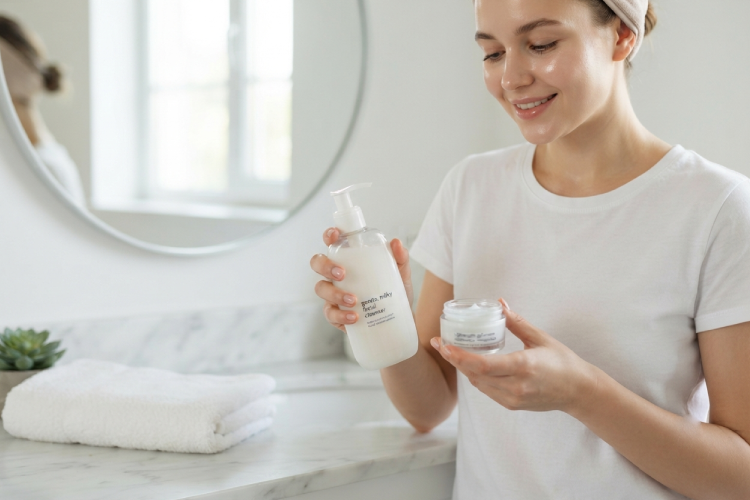
The most common cleansing mistake is using a cleanser that’s too harsh for the skin type. A cleanser that leaves skin feeling “squeaky clean” has removed not just the surface material but a portion of the skin’s natural lipid barrier, which leads to the skin overproducing oil in compensation and creating the dryness-and-oil cycle that many people attribute to their skin type rather than their cleansing habits.
The correct cleanser for most skin types: a gentle, low-pH cleanser without soap (which is too alkaline for skin). CeraVe Hydrating Cleanser (for dry to normal skin), La Roche-Posay Toleriane Purifying Foaming Cleanser (for oily to normal skin), and Cetaphil Gentle Skin Cleanser are the three most consistently recommended accessible options. None of them are expensive. All of them are effective.
Moisturiser maintains the skin’s hydration and barrier function. Even oily skin benefits from moisturiser — the belief that oily skin doesn’t need moisturiser is responsible for many people with oily skin making it oilier through dehydration.
The ingredients worth looking for: ceramides (restore and maintain the skin barrier), hyaluronic acid (draws moisture from the environment into the skin), and niacinamide (reduces inflammation, regulates oil production, improves skin tone). CeraVe Moisturising Cream contains all three of these at an accessible price and is the most frequently recommended moisturiser in dermatology practices.
For daytime, a lighter moisturiser. For nighttime, a richer one. This distinction produces better results than using the same product at both times because nighttime is when the skin does most of its repair and a richer product supports this more effectively.
Sunscreen is the single most evidence-supported skincare product available. UV radiation is the primary cause of skin aging, hyperpigmentation, and skin cancer. No combination of serums, antioxidants, or retinoids produces the skin health benefits of consistent daily sunscreen use because they’re addressing the effects of sun damage rather than preventing the damage itself.
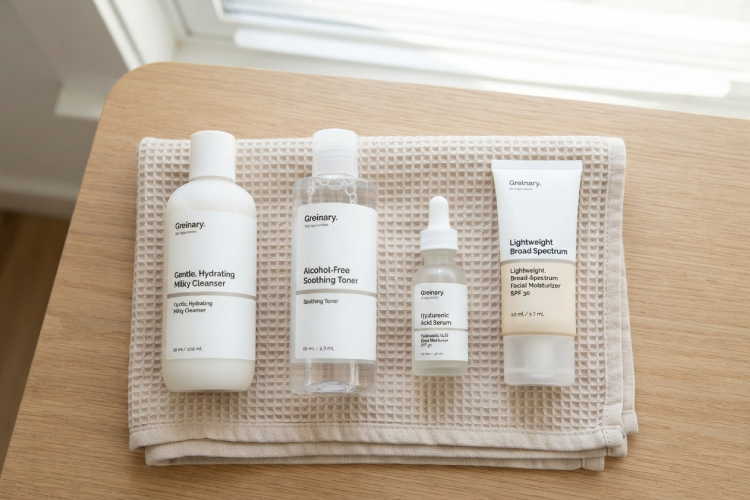
SPF 30 applied every morning to face and neck is the minimum. SPF 50 for anyone with concerns about photoaging, hyperpigmentation, or those with fair skin. The best sunscreen is the one you’ll actually use daily — the texture and finish matter because they determine whether you like wearing it. The Altruist Sunscreen SPF50 (around £2, one of the highest-SPF products recommended by dermatologists) and the Paula’s Choice DEFENSE Essential Glow Moisturizer SPF30 are examples across very different price points that both work.
A targeted serum between cleansing and moisturising addresses specific skin concerns that the core routine doesn’t. Vitamin C in the morning (brightening, antioxidant protection, supports collagen synthesis). Retinol in the evening (accelerates cell turnover, reduces fine lines, improves texture). Niacinamide at any time (anti-inflammatory, pore-minimizing, tone-evening).
These additions are genuinely useful for the concerns they address and are not necessary for people without those specific concerns. A cleanser, moisturiser, and SPF — executed consistently — produces good skin for the majority of people without additional steps.