HOME | Fashion | Beauty | Home Furnishing | Comparison | Top Reviews |

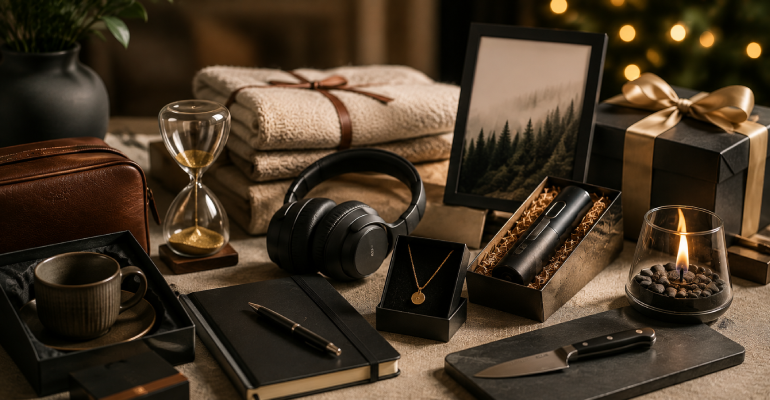
The hardest person to buy for is the person who buys what they want when they want it — the person whose response to “what do you want for your birthday” is a genuine shrug rather than strategic politeness. They’re not being difficult. They literally don’t have a waiting list of things they haven’t bought yet.
The gifts that work for this person fall into specific categories: experiences they wouldn’t buy for themselves, consumables at a quality level above what they’d choose day-to-day, and the kind of specific, personal gesture that no amount of money can shortcut.
The research on experiential versus material gifts is consistent: experiences produce more lasting happiness than objects, are more uniquely personal, and become stories rather than things. A cooking class, a weekend away, a theatre booking, a sporting experience — these are gifts that neither the giver nor the recipient could easily go out and buy in the generic way that most gifts work.
The specific appeal of experiential gifts for people who already have things: they add to life rather than to a collection. There’s no storage problem, no duplication of something they already own, no question of whether they’ll use it. The experience happens or it doesn’t.
The practical consideration: experiential gifts require either flexibility (a class or event the recipient chooses from a selection) or specific knowledge of their actual interests and schedule. A cooking class in a cuisine they don’t cook is not a good gift. A cooking class in the specific regional cuisine they’ve been wanting to explore is excellent.
The category of things people use regularly but don’t upgrade for themselves is the sweet spot for consumables as gifts. The good olive oil — genuinely excellent extra virgin olive oil from a specific producer that costs £30-40 for a bottle rather than the £8 oil they buy weekly. The coffee subscriptions from specialty roasters at a quality level above what they’d justify as a regular purchase. The quality candle in a fragrance they wouldn’t buy themselves. The cashmere bed socks they’d find frivolous as a self-purchase.
The principle: something they use regularly, at a quality level they’d appreciate but wouldn’t justify for themselves. The gift elevates a daily habit for the duration of the consumable, which is a different and more sustained pleasure than a single object.
Specific options worth knowing: a subscription to a specialty coffee roaster (Hasbean, Square Mile, or Onyx Coffee Lab are the reference roasters in the UK and US markets), a quality olive oil from a recognized producer (Brightland or Graza in the US; Seggiano or Waitrose LOVE Life premium in the UK), or a selection of excellent chocolate from a bean-to-bar maker (Pump Street, Raaka, or Dandelion Chocolate).
The gifts that are remembered longest are the ones that demonstrate specific knowledge of the recipient rather than general quality or cost. The book on the subject they mentioned once that you remembered. The photo from a specific trip, framed properly. The small object that references an inside joke or a shared experience. The letter that says something true.

None of these require money. All of them require attention — paying close enough attention over time to know what would be specific rather than generic. This is the gift that the person who has everything can’t buy for themselves and that can’t be replaced by a more expensive version of the same thing.
The photo book produced with Chatbooks, Artifact Uprising, or Printique — specific images from a shared experience or a year together, compiled thoughtfully and printed in a quality format — is the consumable gift with the most personal resonance available at most price points.