HOME | Fashion | Beauty | Home Furnishing | Comparison | Top Reviews |

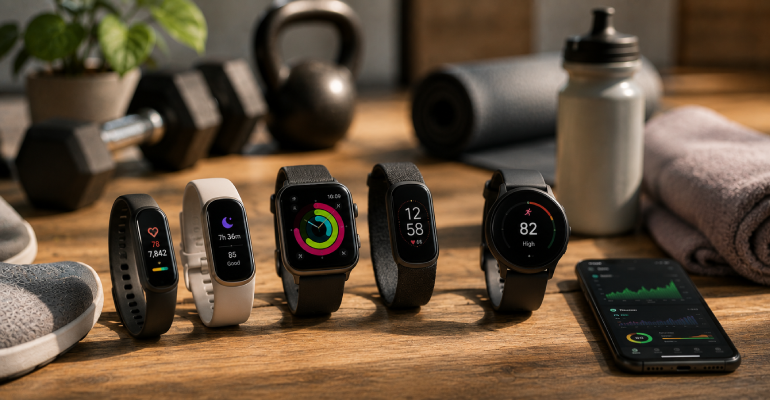
Fitness trackers have a specific and consistently underexamined problem: the research on whether they produce sustained behavior change is considerably more mixed than the marketing suggests. The step counter that motivates you for the first three months and becomes invisible jewelry by month six. The sleep tracker that tells you every morning that you slept badly without giving you information that changes how you sleep. The calorie tracker that produces anxiety without producing fitness.
The fitness tracker worth buying is the one whose specific data output you will use to make specific decisions that improve your health. The one whose data you’ll check and act on rather than passively accumulate.
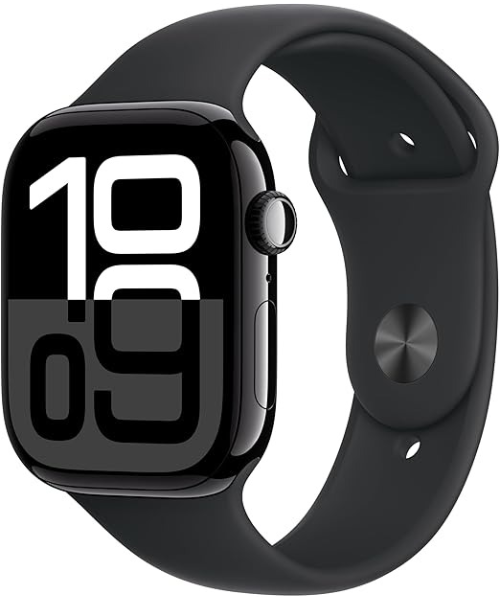
The Apple Watch Series 10 costs $399 and is the correct recommendation for anyone already using an iPhone who wants the most complete combination of health tracking, smartwatch functionality, and ecosystem integration available. The health sensors — ECG, blood oxygen, irregular heart rhythm notification, crash detection — provide genuine health monitoring that has clinical validation behind it in ways that step counts alone don’t.
The activity rings (Move, Exercise, Stand) are the behavior change mechanism that has the most evidence behind it in Apple’s specific implementation. Closing all three rings requires deliberate activity throughout the day that produces movement even in sedentary work schedules. The gamification is modest enough to be sustainable rather than producing the burn-out that more aggressive gamification approaches do.
The sleep tracking provides useful data about sleep duration and sleep stages — not actionable in the minute-to-minute way that some sleep trackers imply, but genuinely useful for understanding patterns across weeks of tracking.
The limitation: battery life. The Series 10 battery lasts 18-36 hours depending on usage, which means daily (often twice-daily) charging. This is a genuine inconvenience for sleep tracking because the watch needs to charge at some point during the 24-hour cycle.
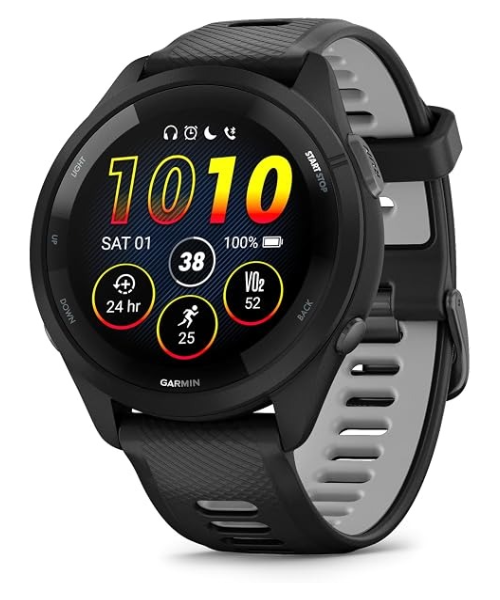
The Garmin Forerunner 265 costs $450 and is the recommendation for people who do structured training — running, cycling, swimming, triathlon — and want the tracking data that optimizes performance rather than just recording it. The training load analysis, recovery time recommendations, and workout structure features provide genuine insight into training variables that the Apple Watch’s less specialized approach doesn’t.
The battery life (13 days in smartwatch mode, less with GPS) removes the daily charging friction and makes it practical for overnight sleep tracking and multi-day tracking without interruption. For athletes doing multi-hour training sessions, the GPS accuracy and battery life are genuinely meaningful advantages.
The trade-off versus Apple Watch: less smart watch functionality (notifications, apps, payment), less elegant design for everyday wear, and ecosystem integration that requires Garmin Connect rather than the Apple Health ecosystem that most people are already in.
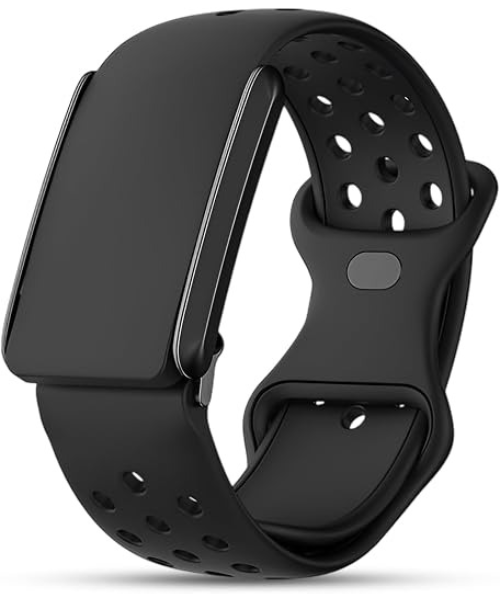
Whoop costs $30/month (subscription-only model, no hardware cost) and is the recommendation for people whose primary interest is sleep quality and recovery optimization rather than activity tracking. The wrist-worn sensor is worn continuously including during sleep and produces detailed data about heart rate variability, respiratory rate, and sleep staging that’s more detailed than Apple Watch’s implementation.
The Strain and Recovery scores are the features that produce the most behavioral change for Whoop users: the Recovery score (based on overnight sleep data) tells you how ready your body is for stress, and the Strain score tracks how much cardiovascular stress you’ve accumulated in a day. For people making genuine decisions about training load, stress management, and sleep prioritization based on data, these scores provide actionable information.
The honest limitation: the subscription cost accumulates to $360 per year, which is a significant ongoing cost for a device whose value depends entirely on how actively you use the data it produces.