HOME | Fashion | Beauty | Home Furnishing | Comparison | Top Reviews |
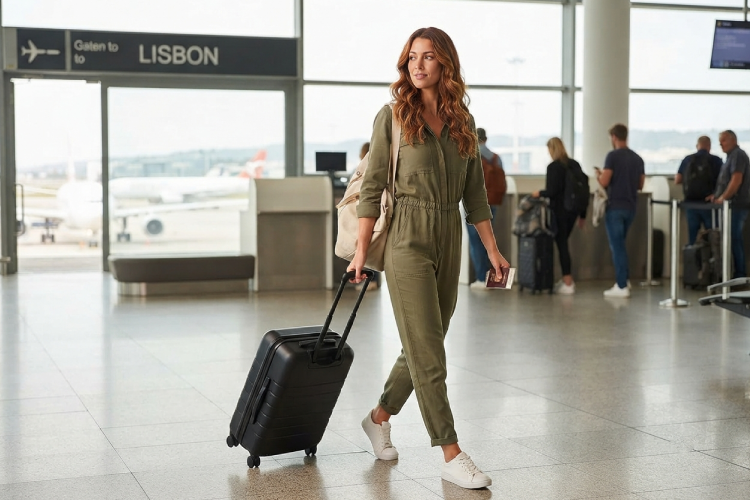
Checking a bag is a tax. Not primarily a financial tax, though the fees are real — a time tax, an energy tax, a uncertainty tax. Waiting at baggage claim after a long flight when you could already be in a taxi. The specific anxiety of watching a carousel turn for fifteen minutes wondering if your bag made the connection. The occasional reality of it not having made the connection.
Carry-on only travel solves all of this and is achievable for trips of most lengths with the right approach and the right equipment. The approach matters as much as the bag, which is why this review covers both.
The Away Carry-On costs $295 and has become the reference standard for carry-on luggage in the direct-to-consumer market for genuine reasons. The polycarbonate hard shell flexes rather than cracking under the compression of overhead bin storage. The four-wheel spinner system is the smoothest in its price range — the difference between wheels that roll effortlessly and wheels that stick or vibrate is one of those travel differences that sounds minor and is experienced as significant across hours of transit.
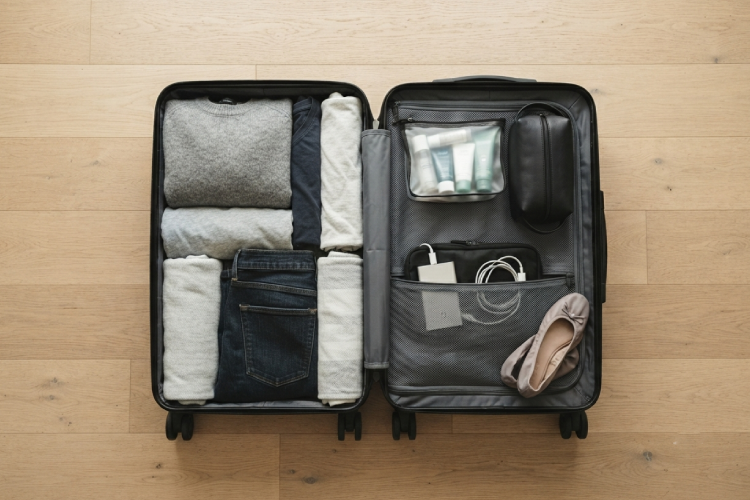
The interior compression system — a built-in divider that compresses the clothing side of the case — genuinely helps fit more in the bag than the volume would suggest. The laundry bag (packaged in the compression panel) is a useful organizational tool for separating clean from worn.
The Away’s ejectable battery option (available in some models, check compliance before traveling as regulations have changed) has been more controversial than useful for most travelers. The non-battery version is the simpler choice.
The lifetime warranty on the shell and wheels is backed by a customer service team that has a reputation for honoring it. Bags that develop cracks or wheel issues get replaced. This changes the long-term value calculation significantly.
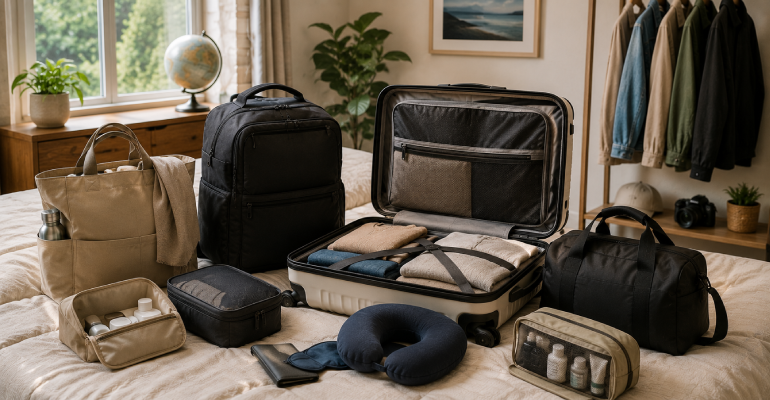
Airlines allow one carry-on and one personal item. The personal item — which must fit under the seat in front of you — is typically 18x14x8 inches or similar depending on the airline. This is significant volume that most travelers underuse.
The Aer City Pack Pro ($189) and the Cotopaxi Allpa 28L ($180) are the two personal item bags most consistently recommended by people who travel frequently and have thought carefully about this problem. Both are structured enough to hold their shape when packed, have clamshell opening for easy access, and are sized to maximize personal item allowance across most airlines.
A well-chosen personal item bag effectively doubles the packing capacity of carry-on only travel. Laptop, camera, day bag essentials in the personal item; clothing and toiletries in the carry-on. Two-week trips become genuinely achievable without checking.
The formula that works: plan seven days of outfits, pack for seven days, do laundry once if the trip is longer. Most hotels have laundry service. Most Airbnbs have a washing machine. Most destinations have a laundromat. The mental barrier to doing laundry mid-trip is usually larger than the practical barrier.
The clothing selection for carry-on only travel: every item must work with at least three other items in the bag. Pieces that only work with one specific other piece — the statement blazer that only goes with the specific trousers — don’t earn their space. Every clothing item in a carry-on should be a versatile piece in a working mini-wardrobe.
Merino wool is the fabric most recommended by people who travel carry-on only seriously. It resists odor, meaning it can be worn multiple times between washings without performance degradation, it packs without wrinkling, and it regulates temperature across a range of conditions. A merino t-shirt worn twice before washing takes up half the space of two cotton t-shirts worn once each.
Rolling versus folding: rolling is more space-efficient for most garments. Structured pieces (blazers, shirts with structured collars) pack better folded flat. Compression cubes add meaningful structure to a soft bag and allow compression of clothing that would otherwise expand into irregularly shaped space.