
High-Impact Sports Bras — Which Ones Actually Work
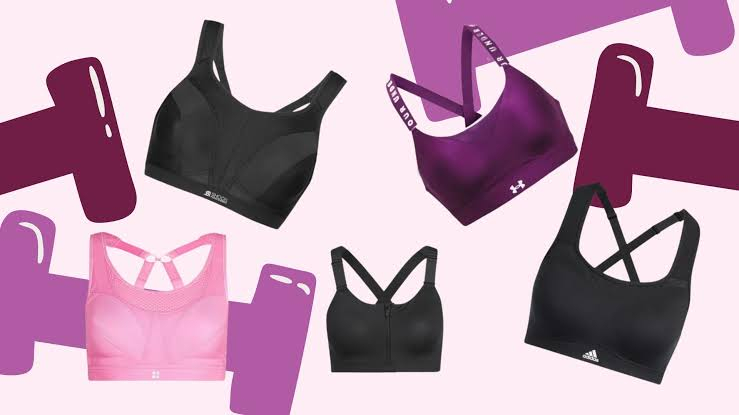
Sports bra reviews have a fundamental problem: most of them evaluate fit and appearance in a static position and call it testing. A sports bra that fits and looks excellent standing still in a fitting room can move, ride up, chafe, or fail to provide adequate support through an actual high-impact workout. The difference between a sports bra that works and one that doesn’t isn’t visible before you use it — it’s visible after twenty minutes of running.
What follows is based on use during actual high-impact activity.
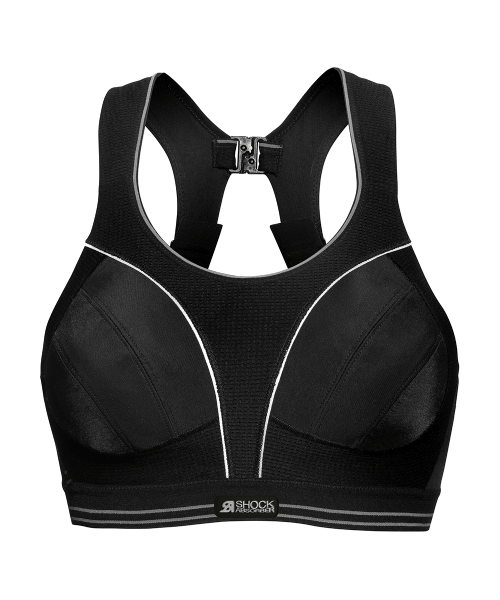
The Shock Absorber Ultimate Run Bra ($65-75) is what exercise physiologists consistently reference when asked about high-impact support. The brand was founded by a group of sports scientists specifically to address the inadequacy of existing sports bra support, and the encapsulation design (each breast supported independently in a cup structure, rather than compressed against the chest) is the approach that produces the best reduction of breast movement during running.
Research from the University of Portsmouth — who have studied breast biomechanics during exercise more extensively than any other institution — consistently finds that poor sports bra support during high-impact exercise contributes to both short-term discomfort and long-term ligament stretching. The Shock Absorber is what their research group recommends.
The aesthetic is functional rather than fashion-forward. This is not a sports bra that looks good under a sheer top. It’s a sports bra that provides exceptional support during high-impact exercise, which is the only thing a high-impact sports bra needs to do.
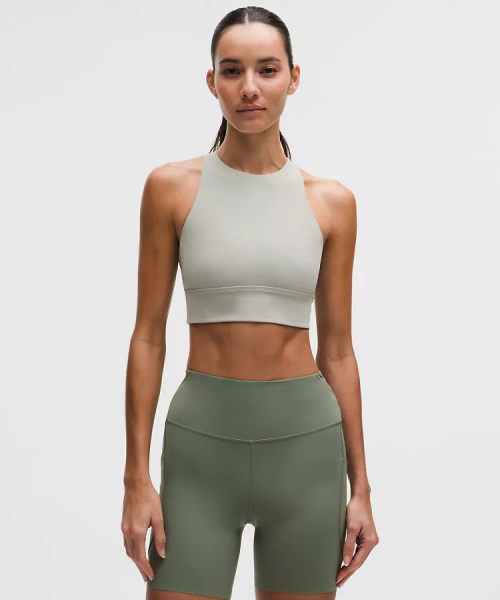
The Lululemon High-Neck Training Bra ($68-78) is the recommendation within the fashion-activewear category for people who want better-than-average support alongside the aesthetic consideration that Lululemon is known for. The banded design provides compression across the full chest and the high neckline reduces movement in the vertical plane.
For smaller cup sizes (A-C), this bra provides adequate support for most high-impact activities. For larger cup sizes (D+), the compression rather than encapsulation design provides less support than the Shock Absorber approach and the Lululemon is better suited to medium-impact activities.
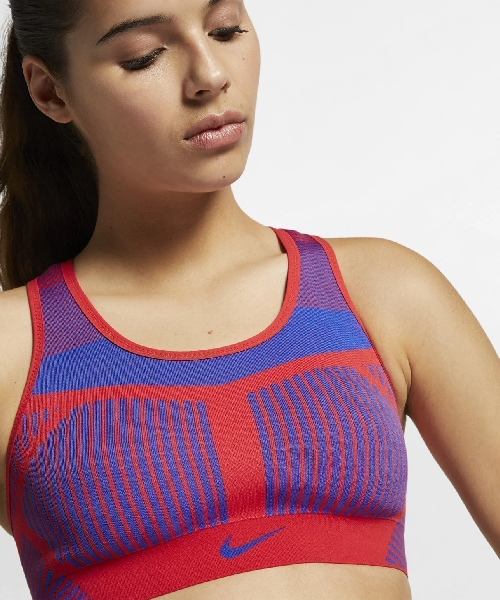
The Nike FE/NOM Flyknit ($75-85) uses a construction that’s more like a structural garment than a traditional bra — the Flyknit structure provides support through the fabric’s construction rather than through traditional cups and underwires. For runners specifically, the lightweight and absence of traditional hardware reduces the chafing and pressure points that conventional sports bras produce over longer distances.
The support level suits smaller cup sizes in high-impact activities and medium cup sizes in medium-impact. The innovation is in the approach to construction rather than in maximum support capacity.